Seller March 9, 2023

Sellers: Here’s Everything You Need to Know About Home Staging

If you’re looking to sell your home, an extra step you can take to make a good first impression and get more potential buyers to fall in love with your property is through home staging. 
Here’s our guide if you want to explore what home staging is and how it works, whether it’s worth doing to boost your home sale, what options you have when it comes to staging your home, and loads more! We’ll walk you through it all.
Home staging is the process of preparing a home for sale with the intent to showcase it to potential buyers. It involves rearranging or adding furniture and decor, upgrading curb appeal, clearing out clutter, and depersonalizing the home to make it look its best, especially for listing photos, showings, and walkthroughs. It’s also considered a marketing strategy as it can transform even the most outdated and drab space into one that’s cleaner, more relaxing, and homey.

Visualization is a key concept in staging. In fact, according to the 2021 Profile of Home Staging by the National Association of REALTORS (NAR), 82 percent of buyers’ agents said staging a home made it easier for a buyer to visualize the property as a future home. 

By creating a neutral yet stylish space, particularly in living rooms, primary bedrooms, kitchens, and dining rooms, buyers can imagine themselves living in the home. If they have an idea of how they can make use of the space, it’ll help them to develop an emotional attachment to the house, which hopefully leads to them submitting a generous offer.
Why does home staging matter? Let’s look at the different ways sellers can benefit from home staging:

  1. It makes it easier for buyers to envision themselves in the home.

    No matter how much you love your home, once you decide to list it for sale, you’ll want to put yourself in the buyer’s shoes and see your space through their eyes. You’ll find that your favorite gallery wall, or those purple walls in the primary bedroom, may not seem so appealing. By taking away those personal photos and repainting your walls in neutral colors, you’re removing any sign of your lifestyle from the home, making it neutral and full of possibility for prospective buyers. 

    By observing how the rooms are staged and arranged, buyers can draw inspiration for their future setup, especially when it comes to the strategic arrangements of furniture and decor. A well-staged room can make a small space look bigger, or a dated room look modern. If you’re selling an otherwise dark and empty property, staging creates a more spacious and inviting atmosphere that will entice buyers.

  2. Staging can increase the amount of the offer.

    The NAR report revealed that 23 percent of buyer’s agents said that staging a home increased the dollar value offered between one and five percent, compared to other similar homes on the market that are not staged. Once the home has made a memorable impression with the buyers, they are more likely to be more committed and possibly willing to increase their offer.

  3. It improves buyers’ first impressions.

    Nearly all buyers start their search online nowadays, which means your listing photos need to look stunning to make a good first impression. A well-staged home looks better and more eye-catching when shared on social media and property websites.

  4. The home spends less time on the market.

    A staged home typically sells faster. According to NAR, 31 percent reported that staging a home greatly decreased the amount of time the home was on the market.

  5. Staging can turn around a sale that wasn’t moving.

    Especially for homes that are difficult to sell, staging is necessary to draw more buyers in. The home will appeal to a larger audience, making it easier to market.

Although home staging and interior design both intend to show the home in its best possible light, they differ when it comes to their purpose and target audience. 

Home staging aims for the property to appeal to as many potential buyers as possible so it can be sold faster and for more money. To achieve this, the tweaks must be kept impersonal and generic. The current homeowner’s preferences don’t matter so as to create a neutral space that looks inviting to a broader audience.

Interior design, on the other hand, caters to the specific aesthetics of an individual or family. It aims to create a comfortable space for the client, so there’s a lot more creative control to make sure the design meets their needs.

Whether you’re just getting ready to sell your home or are trying to add new life to a stagnant listing, know that you have three options when going about home staging. You can also do a combination of all three to help your home sell faster, depending on your specific situation and your budget.

  • Do it yourself
    This is your go-to option if you have the time, you want to save some cash, and you’re confident that you can present your property in the best way possible. Tasks you might need to perform include: decluttering and a whole lot of cleaning on the interior and exterior parts of the home, rearranging furniture and decor, removing personal photos and other items, repainting and touching up the walls, adding new curtains and throw pillows, among other things. You can also bring some warm touches like fresh flowers and plants, and decor items such as candles and a diffuser, that will also make sure your house smells amazing.

    One caveat is that most homeowners are personally connected to their properties so they may feel overwhelmed to rearrange their homes. But once you decide to sell, remember that it’s no longer your “home” but a product on the market that needs a new owner. You need to see objectively, from the perspective of a buyer, so ask for honest opinions from your agent, family, and friends, about what needs to be changed.

  • Get your real estate agent to help you
    While it isn’t your real estate agent’s job to professionally stage your home, they might provide recommendations or be more hands-on in the process, especially if they strongly believe in staging’s ability to boost a home sale. With their extensive experience and industry knowledge, they will be able to look at your property with an objective eye so you’ll know what needs to be done to spruce it up.

  • Hire a professional staging company
    If you have the budget for it, your agent can help you find a professional home staging company, also known as Accredited Staging Professionals (ASPs), to either do a consultation or a staging service. In most cases, they have an inventory of decor, furniture, and artwork that they can use to stage your home. They will assess your home and provide suggestions on what should be done to increase the home’s appeal or showcase more efficient use of the space. Their services can also extend to the exterior and outdoor spaces to help improve your home’s curb appeal.
The numbers show that home staging can be a considerable advantage when selling your home. However, whether it’s worth it or not still depends on several factors, including:

  • Your timeline

  • Your budget

  • The total cost of staging (either professionally or DIY)

  • The value it could add to your property

  • How quickly you’re hoping to sell 

  • What the local market is like for sellers

If you’re still wondering whether staging is in your best interest, talk to your real estate agent. They know the market and can tell you if you need to show off your home in the best possible way. They’d want you to get the most out of selling your home, which means a quick closing at a good price.

Homeowner February 23, 2023

5 Clever Ways To Maximize Your Closet Space and Keep It Organized

Whether you have a modest closet or a luxurious walk-in, you just have to be smart and creative when it comes to maximizing your closet storage. You also don’t need to spend thousands of dollars to create a more decluttered, more manageable space for your clothes that add confidence to yourself every day. 

These simple but practical organization techniques can go a long way, and some of them won’t cost you anything but your time and effort.

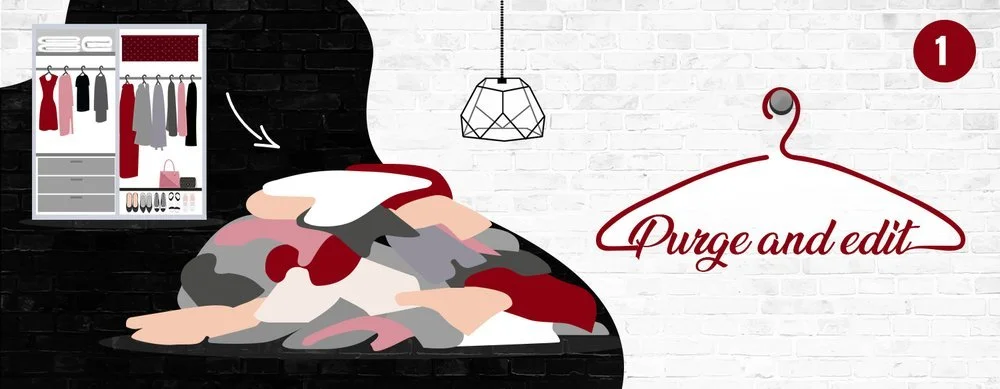
The first step to organizing your closet is to go through your belongings and purge your clothing, shoes, accessories, and any other items. See if any of them match these criteria:

  • anything that’s out of style

  • anything that doesn’t fit anymore

  • anything you haven’t worn in a year (‘cause you likely won’t be wearing them again)

  • anything uncomfortable when worn;

  • anything that no longer works for you.

If your items match any of the descriptions above, it may be time to donate, sell, recycle, or toss them away. Experts recommend doing an edit of your closet at least twice a year: before spring and summer, and again before fall and winter. This allows you to streamline your wardrobe and stay on top of what you already have, especially if you’ve only got a minimal space to work with. 

Also, have designated storage for those that you want to donate or sell later on, especially for clothes that are still in good shape. Otherwise, any clothing that has stains or holes can be repurposed into old rags or tossed into the trash.

If you’re thinking of a new way to make your clothes look neater and tidier while saving up valuable closet space, try the file-folding method made famous by world-renowned tidying expert Marie Kondo. Instead of stacking your folded clothes on top of each other, fold them in half once more and stack them up vertically so they’re side-by-side like files in a filing cabinet. It’s an efficient way to arrange your clothes as they’re folded the same way. Also, no more ripping through your drawers in search of your favorite shirt because it’s now easier to find what you’re looking for. 

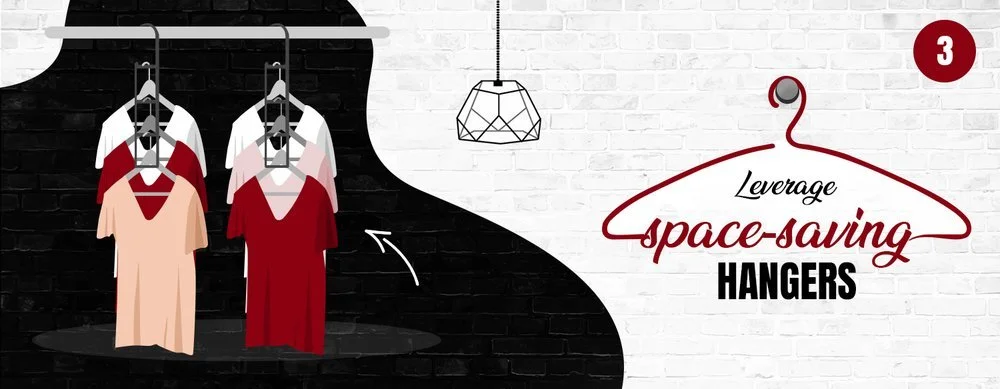
Space-saving hangers can be a godsend for closets with limited hanging space. If you haven’t already, swap your mismatched wire and plastic hangers with slender hangers that will allow you to fit more onto rods. It’s even better if you want them in similar colors, or assign a color for each type of clothing, to add more style. Just save the wooden hangers for heavier items and also padded hangers for winter sweaters. Vertical hangers or those with tiers are fabulous for stacking lighter pieces of clothing and even for hanging several pairs of pants. It’s a small and inexpensive investment that can greatly impact on the overall look and functionality of your wardrobe.

If you have a smaller closet and decluttering isn’t enough, you need to think of clever ways to create more storage space. One trick is to use larger suitcases to store items you don’t necessarily need daily. It’s ideal for off-season clothes, especially those bulky, cold-weather items you won’t be wearing in warmer months, or resort wear and other travel items you might not need right away. You can also use rolling storage bins that fit under your bed so your closet will have more space for the part of your wardrobe you’re wearing regularly.

Lastly, speaking of making the most of all of your closet space, why not use the front of your closet door as well as the back? Consider adding hanging organizers, but instead of the usual clear plastic pouches, opt for more stylish options that are pretty enough to hang outside the closet, as well as the inside. These storage solutions are perfect for keeping your shoes, accessories, wallets, and all your favorite daily items organized for easy access so you don’t have to go digging through your closet to find them. Plus, they also make good use of otherwise unused door space.

Buyer February 14, 2023

When A House Becomes A Home You Love: The Emotional and Non-Financial Benefits of Homeownership [INFOGRAPHIC]

When you started your home buying journey, you might have only considered the financial perks that homeownership could give, including a more stable monthly housing costs and building equity.

But when you think about it, it’s love that drives you to provide a safe and comfortable environment for yourself and your loved ones. To have a place designed for your needs and desires is enough to fuel you when searching for a home you can call your own.

This love month, let’s highlight the equally powerful emotional and non-financial benefits of owning a home.

Bottom line

Make sure you consider not only the financial perks of homeownership but the many amazing emotional and psychological benefits it has to offer. And when you’re ready to find your forever home, find and connect with the right matchmaker—a trusted real estate agent who will guide you to the home of your dreams.

BuyerSeller February 7, 2023

What is the Multiple Listing Service? A Basic Guide For Buyers and Sellers

Whether you’re embarking on your first house-hunting journey or it’s time to sell your beloved home, one thing is certain: you’re likely to encounter the term MLS, which stands for Multiple Listing Service. But exactly is it?

Even though the real estate industry is highly competitive, the business is unique in such a way that competitors need to cooperate with each other to ensure a successful transaction. And MLS is just the tool to facilitate that cooperation.

A multiple listing service or MLS is a database of all properties currently for sale in a particular geographic region. While it’s usually being referred to as “the MLS,” making it look like one large national database, the MLS is actually a network of local databases for areas around the country. Meaning, there isn’t one single, overarching MLS.

Each MLS is created, maintained and paid for by participating real estate professionals in that local area. It’s where brokers and agents share their listings, upload pictures and detailed information of each property, and update them on a regular basis with the goal of connecting home buyers to sellers. 

Brokers and real estate agents pay dues or a membership fee for access to each MLS. If a broker wants to list or view homes in an area that isn’t covered by the MLS they’re currently part of, they’ll need to join the MLS for that area as well. So, it’s possible and sometimes necessary for brokers to participate in multiple MLS databases. Each database has its own prices, fee schedules and rules.

According to the National Association of Realtors®, the concept of a multiple listing service dates back to the late 1800s. In those times, real estate agents regularly met at their offices to share information about properties they were trying to sell. They agreed to compensate other brokers who helped sell those properties. The first MLS was born based on this fundamental concept: Help me sell my inventory and I’ll help you sell yours. 

Essentially, the multiple listing service was created to foster better cooperation among real estate agents when they realized each brokerage could sell their houses more effectively and serve their clients better by going outside their own brokerages’ listings. In 1908, the National Association of Real Estate Exchanges (now the NAR®) endorsed the use of this system by all agents. This information sharing first took place via books, index cards, and catalogs, but has quickly evolved into the modern system in use today—online and fully searchable by price, neighborhood, and home features.

How many MLSs are there?

As of 2020, there are about 600 MLSs throughout the United States, according to the Real Estate Standards Organization (RESO). However, the number rises and falls year-to-year “due to regional consolidation,” or when neighboring databases come together to form larger, regional ones. There are also rare markets that do not have an MLS, such as New York City.

When a homeowner decides to sell their home, they’ll typically enlist the help of a local and experienced real estate agent. The agent will gather some information about the property. They’ll use real estate comps to compare the home to other similar properties that have recently sold to come up with a list price. Once they have all this information, they’ll upload it into the MLS as a listing. MLS listings include photos of the home, information such as square footage, number of bedrooms and bathrooms, as well as additional home features (garage, community features, etc.)

But aside from this basic information, MLS listings will also typically include private remarks meant only for other agents. This is to protect the privacy and safety of the seller. These notes can include things like seller contact information, showing instructions (such as the best time for showings, information about pets in the home, gate codes, etc.), and even seller disclosures and homeowners association (HOA) regulations.

Each property is assigned an MLS number, a serial number created to make it easier to differentiate properties and find properties quickly.

For sellers

Once a seller has their home listed on the MLS, it will be visible to all other agents and brokers who use that MLS, significantly increasing their chances of finding a buyer. In fact, access to the MLS is one of the main benefits for homeowners who hire an agent to help sell their home, compared to going the For-Sale-By-Owner (FSBO) route.

For buyers

Similarly, prospective home buyers gain access to numerous listings through the MLS. When a buyer works with an agent to purchase a home, an agent will ask where they’d like to live and what type of home they’re looking for. They’ll also discuss with the buyer their ideal price range, what size home they need, their needs vs wants, which features are important to them, and so on. The agent will then use these criteria to search for homes in the MLS that suit the buyer’s preference. When the buyer eventually finds homes they are interested in, they can use the information in the MLS to schedule showings or inform the buyer of upcoming open houses.

For agents and brokers

  • Multiple listing services provide increased exposure to the selling broker and numerous options to the broker representing the buyer. 

  • In most cases, the MLS listing also contains private contact information and details about showing times.

  • MLSs level the playing field by allowing small and large brokerages to compete with one another. With the help of these services, property information is consolidated rather than fragmented, and there’s no need for brokers to create their own separate systems of cooperation.

  • An MLS allows competing brokers to work together toward a common goal of helping buyers find their desired properties and helping sellers sell their homes. In return, both brokers receive a commission on the sale.

Only brokers can be a part of the MLS, while agents cannot unless their broker does so first. Homeowners who are selling their property can work with agents or brokers to have their home added to the MLS, but cannot add homes to the MLS on their own. Only a licensed real estate professional can list and view homes directly on the MLS.

Some regional MLS databases may have a ‘public-facing side’, which means anyone can view MLS listings without professional assistance. However, the agent side contains a little more information about showings, property access, how to submit offers, agency and commission cooperation and the ability to run a market analysis, among others. Many real estate firms also feature MLS feeds on their websites to advertise the homes they’re selling.

Exceptions

While the vast majority of homes available for sale are included on the MLS, there are definitely exceptions. Firstly, strictly FSBO homes won’t be found on the MLS database. Likewise, off-market listings, also known as quiet or pocket listings, which are homes that are not marketed in the typical ways, will not be included on the MLS since the seller keeps the property quietly “in their pocket”, hence the name. It’s when sellers desire to test the waters, maintain privacy, or create a sense of exclusivity that could drive up a home’s selling price.

Seller January 24, 2023

Planning To Sell Your Home This Year? Here’s Why You Should Work With A Real Estate Agent

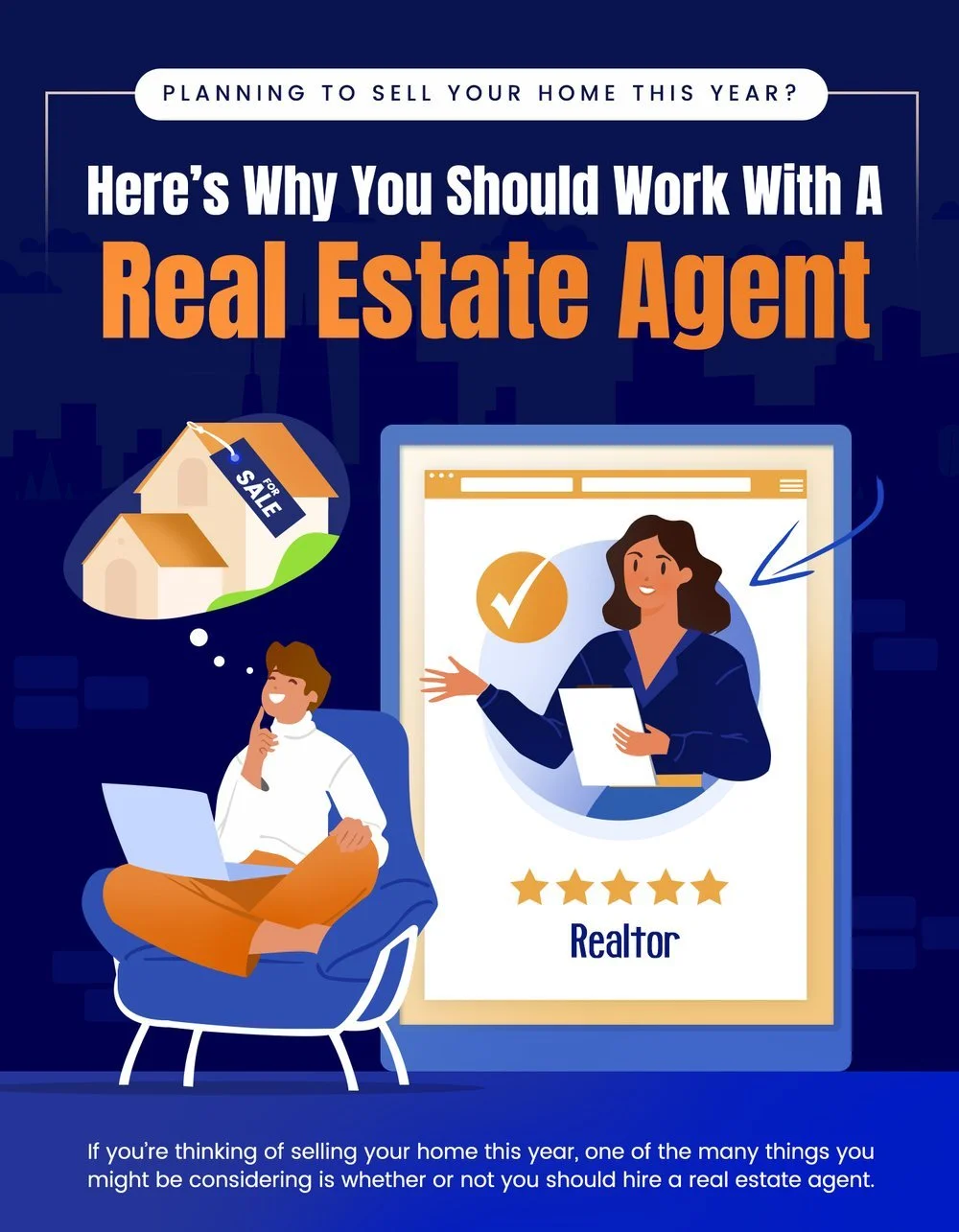
If you’re thinking of selling your home this year, one of the many things you might be considering is whether or not you should hire a real estate agent. You think you know a few potential buyers, so you’re being tempted to try to sell your home yourself and just pocket the cash you would otherwise pay an agent. But at the end of the day, will it be worth it?

Knowing a few buyers isn’t the end of a real estate transaction. There are other rigorous steps and processes involved, many of which can be stressful and costly especially when not handled properly. A good real estate professional does much more than just show your home to people. They’ll do everything from paperwork to networking, and make sure they are looking out for your best interests.

In order for you to save time and effort, we’ve listed down five major reasons why you should hire a local and trusted real estate agent to guide you in your home selling journey.

Part of your due diligence before putting your home for sale is to at least have a good understanding of your local housing market. Such insight will help you in many ways, including knowing what buyers are looking for in a home, whether your area is a buyer’s market or a seller’s market, recent sale prices in your neighborhood, listing prices vs selling prices, and so on. 

Since the housing market conditions are constantly changing, you need all the help you can get. This is where you can tap into the knowledge of a local real estate agent. Aside from having the latest information about national housing trends and your local market conditions, they can explain what all of this means for you as a seller, so you can make better decisions that maximize your profits through the sale.


You know your primary goal is to sell your home for the best price, in the shortest time possible. But the question is, do you have any idea how you are going to price your property? Since it’s one of your biggest investments, you’re more likely to think that your home is worth more and thus, overprice. Such a move is risky because it can deter buyers from checking your property seeing that it is out of their price range. This could lead to your house sitting on the market for longer, losing you precious time and money.

An experienced real estate agent can provide an unbiased eye when they help you determine the right listing price for your house. They conduct a so-called comparative market analysis to study what similar homes in the area sold for. This also includes checking the condition of your home and any upgrades you’ve made, and comparing it to recently sold homes in your area to find the best price. Since pricing can make or break the sale of your home, your agent can help you come up with a number that’s fair but also appealing to prospective buyers.


A good real estate agent has a large variety of tools at their disposal, including but not limited to their social media followers, agency connections and resources, and best of all, access to the Multiple Listing Service (MLS). The MLS is a database used by real estate agents and brokers where they can share information about properties for sale. This ensures that your property gets in front of people looking to make a purchase. Without access to these tools, your buyer pool and your home’s selling potential will be limited.


Before putting your house on the market, there are things you need to do to get it ready for sale. Among those include decluttering, deep cleaning, and even making necessary updates, to make it more appealing to prospective buyers, especially for listing photos and during showings. 

If you are overwhelmed or wondering what home improvements you’re supposed to make, you can count on your real estate agent to give you insightful suggestions. They can point out which parts of your house need sprucing, and which ones are fine just the way they are. You’ll be more informed about which home improvement projects don’t cost much, but will deliver the best return on your investment. Moreover, a reliable agent will also highlight any upgrades on your listing to make it stand out in your market.


Selling a home means you will have to deal with a ton of paperwork, including real estate documents, reports, and contracts laden with industry jargon that can be overwhelming. Not to mention that each state has its own requirements when it comes to things like seller forms, disclosures, appraisals, among others. 

A reliable real estate agent will take the time to explain the purpose of each document before you fill them out, clarify the terms before you agree and sign on them, and answer any questions you may have. By reviewing all the necessary documents with the help of your agent, you can avoid any costly missteps that could occur if you try to handle them on your own.


Aside from thinking about the asking price you want for your house, you also need to address other terms of the sale, such as contingencies, closing costs and other fees, as well as moving date. You’d be going head-to-head with not only the buyer, but also other parties involved, including the buyer’s agent, real estate attorney (if the buyer has any), home inspector, and appraiser. Even if you’re a skilled negotiator yourself, having a real estate agent who will protect your best interests is critical. Since they have studied your property with all its details and features, and know what buyers are looking for in your area, it’ll be a lot easier to sell your house on your terms knowing that you’ve got a trusted real estate agent representing you at the negotiating table.

Buyer January 11, 2023

6 New Year’s Resolutions To Help You Buy Your First Home

With the new year comes new milestones to reach. And if this year you’d want to go beyond the usual promises to focus on your health and wellness, read more, and finally achieve a grand dream like buying your first house, remember that preparation is key. 

Here are six practical resolutions for you to consider so you can have a better chance of achieving your homeownership goals and finally have a place you can call your own.

There’s no time like the present to start practicing good saving habits, especially if you plan to get a home loan this year. Start by getting a clear view of your expenses. Determine how much you spend on necessities, such as food, rent, utilities, transport, and other bills, including debts you’re paying off. Once you have tracked your monthly spending, you’ll know where you can cut costs and how you can boost your savings. 

Saving as much money as you can also mean sacrificing some things that aren’t essential to your daily lifestyle. This may include limiting your nights out at restaurants or bars, reviewing your current monthly subscriptions or memberships, removing your credit card from online shopping sites to cut down on impulse purchases, and other little expenditures that can actually add up to as much as thousands of dollars per year. While it may sound like a no-brainer, any money you can save is valuable for your home savings plan, especially if you want a better deal on your mortgage.

Another number you’ll need to give attention to before you go house-hunting this year is your credit score. Credit scores range from 300 to 850. Your score is a significant factor that lenders use to determine a borrower’s eligibility to buy a home. The better your credit score, the better your chances to qualify for more loan options and lower interest rates. And if applying for a conventional mortgage is what you’re aiming for, you need to have a credit score of 620 or higher.

If this is something you still haven’t given attention to, resolve to get a copy of your credit report at www.annualcreditreport.com to get an idea of your score. Remember that you are entitled to a free credit report every year from each of the three main credit bureaus: Experian, Equifax, and TransUnion. By pulling your credit report, you can review if there are any errors on it that could be bringing your score down. If you find any, report them to the credit bureau to be investigated.

If needed, check out tips to improve your credit, such as making timely payments on your bills and not opening new credit accounts or closing current ones. It takes months to improve your credit, so make sure you have a game plan to feel at ease going into the home buying experience.

If you’re looking to buy a home for the first time, avoid making large purchases, such as a new car, jewelry, furniture, or any other big-ticket yet non-essential items. While buying these things aren’t necessarily bad, doing so even before your home buying journey begins can affect your credit score. In addition, using up cash reserves can impact your ability to qualify for a loan. Save those purchases for a date after closing to ensure there will not be any unexpected hiccups during the process.

You will need all your financial documents in order to apply for a mortgage, and this new year is the perfect time to have all your important papers ready. Create a comprehensive list of what you should collect and organize, and have them handy. Among these are pay stubs, tax returns, income statements, bank statements, check stubs, credit card statements, and other paperwork.

While preparing financially for your home buying journey is laborious, deciding where you want to put down roots and what home you specifically want to buy can also be challenging (but definitely fun!) You may have to be very specific about your goals, so resolve to determine what you’re looking for and be realistic about it. 

Research the areas you are looking at buying in to understand the type of properties available, as well as the price range. If you’ve found out that you currently live in a high priced market, is relocating a possibility? If it isn’t, can you bear the longer commute just to become a homeowner? You’d also want to see what neighborhoods fit your lifestyle by visiting during different times of the day to see what it’s like to live there. Walk around, visit stores or restaurants, and feel the general vibe of the place.

Moreover, create a list of must-haves and would-be-nice-to-haves for your dream house. How many bedrooms and bathrooms do you want to have? Is having a backyard a massive factor for you? Knowing where you can compromise and what might be a deal-breaker will be significant once you begin your search in earnest. Also, having a specific goal in mind will make it easier for you to achieve it.

As soon as you’ve decided that you want to buy your first home, resolve to find a good real estate agent that will be very valuable in achieving your goal. Purchasing a home is most likely the biggest investment you will ever make, so it is crucial to have a trusted agent who will educate you and guide you through the whole process. 

Your agent can also help you build your homeownership dream team. You may check their recommendations on real estate attorneys, mortgage professionals, and home inspectors. Choosing your agent wisely can help alleviate some of the stress that comes with the complex and sometimes stressful real estate transaction. 

General December 22, 2022

5 Easy But Helpful Tips to Manage Stress This Holiday Season

If you’re starting to feel the stress of the holidays, just know it’s normal since this season demands a lot for most of us. Thankfully, here are some practical strategies to keep stress under control and make it a truly enjoyable season.

GeneralHomeowner December 14, 2022

7 Smart Tips To Keep Your Home Safe From Burglars This Holiday Season

It’s the season of gifts, food, decorations, a lot of festivities, and of course- burglaries. Wait, what? Unfortunately, it’s the less cheerful reality of the holiday season. According to the FBI, 18 percent of home burglaries happen in December, and police only solve 13 percent of them. And if you’re going away on a holiday vacation, the last thing you’d want is to find that your place has been ransacked, with your valuable items missing.

Criminals are already on the prowl, so it won’t hurt to be extra cautious. We’ve compiled a list of simple but savvy ways to safeguard your property against theft and break-ins during the holidays.

While you’re out having the time of your life somewhere, burglars can have the time of their life looting your place. So if you’re planning to travel this holiday season, keep your plans off your social media networks. Burglars can be technologically savvy nowadays, and divulging too much information online about your trip compromises your home security and makes you an easy target for them. They can quickly identify you or your family and search for your home address, even if you think you have the highest level of security on your Facebook or Instagram accounts.

No matter how excited you are, wait until you are home before posting about your vacation so you won’t broadcast your absence. If you want to give updates to your family or close friends, give them a call. Also, adjust your privacy settings and confirm your location services are in manual mode so you won’t broadcast your location.

It’s a sight many of us are probably looking forward to this time of year—a wonderful Christmas tree all lit up, with lots of pretty wrapped gifts underneath. But putting these festive decorations next to a window or other areas that are highly visible to the street is also a sight good enough for burglars to window-shop. It’s a visual invitation for them to size up your home and break in, especially once you’re away.

Minimize temptation by making sure you set up the tree and gifts away from windows or other places with a view. If the front room is your best choice, use thick curtains or blinds to conceal your home’s interior and block the view from the outside. You may also consider hiding gifts temporarily, only taking them out in time for the opening of presents.

‘Tis the season of gift giving and holiday shopping. And we know how joyful it is to get that spectacular flatscreen TV you’ve been saving for months, the latest laptop model, or any other big-ticket items that come in branded packaging and boxes. However, make sure you pay attention to how you dispose of your trash. Never leave empty boxes on the curb, unless you want to unintentionally advertise to everyone who drives down your block (including opportunistic burglars) that you’ve got a new TV. If you’re not mindful, burglars don’t need to see the inside of your home to know what valuables you have and what they can get their hands on.

So wait until garbage day until you can discard boxes of expensive items. Or better yet, see if you can break down the boxes into smaller pieces and conceal them in an opaque trash bag. Burglars are always on the lookout for such garbage items, so don’t send them an invitation to go in.

If you’re expecting packages this holiday season but won’t be home to receive them, don’t make the mistake of sticking a note on your front door telling the delivery company to just leave the packages on your porch. Doing so only gives burglars the assurance that you’re gone. A report revealed that almost 1 in 7 Americans have fallen victim to package theft or what they call “porch pirates.” A smart move would be to contact the shipping company directly and give them special instructions about where to leave packages. If you’ve done all your holiday shopping and will be receiving lots of deliveries, you may also want to invest in a secure parcel drop box to keep on your porch.

With family and friends coming and going this holiday season, it’s tempting to have a spare key hidden in an inconspicuous place around your home to make it easier for them to let themselves in. Did we mention under the potted plants or inside a fake outdoor socket? Well, that is a huge no-no! Experienced home invaders know all the best key-hiding spots, and you’re giving them an easy way to get in once they get their hands on your key. So stop hiding your spare keys around the house, or better yet, get rid of them altogether.

Are you going out of town for the holidays? Make your home look like someone is there, even if it’s empty. Take advantage of smart home technology to control lights, TVs, and more from anywhere. Having lights on a timer is also preferable because you can turn them on automatically at specific times. Or better yet, invest in a monitored home security system, which can work perfectly with motion sensor lights. Maintaining a presence even when you’re gone will help reduce the chances of your home being the next target.

Even with all the aforementioned precautions in place, a lack of visible activity in the home, especially for a long time, is likely to raise a burglar’s suspicions sooner or later. This is why it’s best to make arrangements with a trusted friend or neighbor and have them drop by to check in on your home. You can ask them to keep an eye on your house and report any suspicious activity while you’re gone. Depending on what applies to you, you can also pay someone to shovel your walkways if it snows, collect your mail and packages, take out the trash, and more.

Buyer December 5, 2022

What You Should Know If You’re Buying A Home in A Flood-Prone Area

You have been in the market for a while now searching for your forever home. You thought that none of the homes suit you right now. Until you see this listing: a charming four-bedroom abode with a huge backyard ideal for your family, near a bustling neighborhood, and well within your price range. It is your idea of perfection, so you want to view it as soon as you can, texting your real estate agent to schedule a showing. You checked for further details about the property and saw someone mentioned flooding in the area. Could your dream home be at risk of flood damage?

According to the Federal Emergency Management Agency (FEMA), anywhere it can rain, it can flood. Their historical data says 99 percent of U.S. counties were impacted by a flooding event (1996-2019). And since the risk of flooding is only increasing with climate change, it is critical to have a good understanding of your prospective property and its flood risk. Here is what you need to know before buying a house in a flood-prone area.

The best way to determine a prospective home’s flood risk is to check out official flood maps. You can visit FEMA’s Flood Map Service Center, type in the address, and the map will show you where the flood zones are located in the area. The maps offer a risk calculation based on past events and flood patterns and are continually updated.

While there is no such thing as a no-risk zone, buyers can see how prone their property is to flooding using flood maps. They have designated two main types of flood areas: Special Flood Hazard Areas (SFHAs) and Non-Special Flood Hazard Areas (NSFHA). Homes in the SFHAs have a 1% or higher chance of experiencing flooding each year. During the span of a 30-year mortgage, these areas have at least a one-in-four chance of flooding. Meanwhile, NSFHAs are considered low- to moderate-risk flood zones that are not in immediate danger from flooding caused by overflowing bodies of water or hard rains.

It is best to research this information early in the homebuying process, even before you tour or visit the home. Flood risk can significantly affect the property price, and you may need to purchase flood insurance (more on this later).

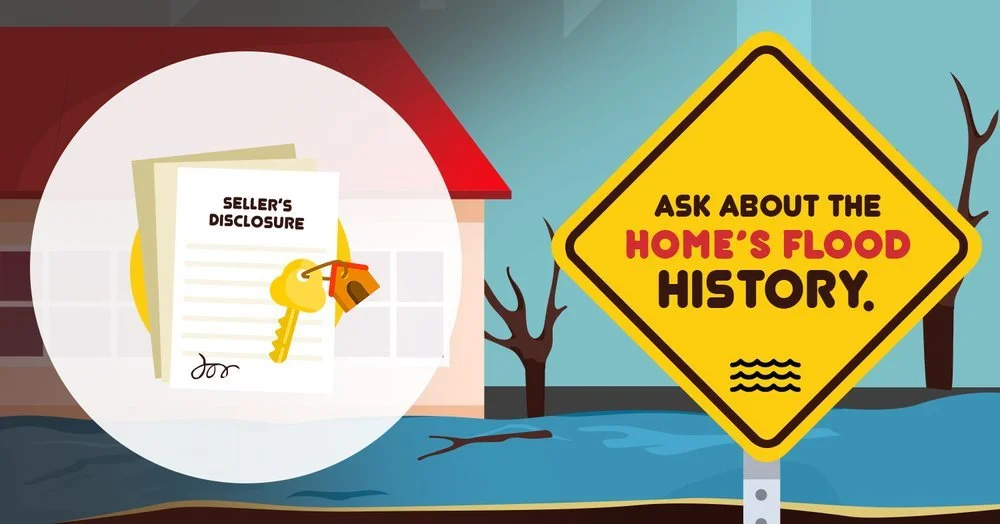
Once you have identified the floodplain, take your research further to learn more about the home’s flood history. You may take a close look at the seller’s property disclosure statement, which is a legal form designed to share all facts related to the physical condition of a property that may not be obvious.

Currently, no federal statutes require sellers to disclose information about flood risk or prior flood damage. However, according to the Flood Risk Disclosure report from FEMA, as of July 2022, 35 states have enacted some form of a legal or regulatory mechanism requiring property sellers to disclose factors related to flood risk about their property.

But it is important to note that only current owners are obligated to disclose their first-hand knowledge. This means if the flooding happened before they took over the home, they may not know or may not disclose that information.

You can ask the sellers if and when a flood event has led to an insurance claim. Or you may check the flood history through the insurance carrier. If records indicate a previous flood, verify the reason and the resulting impact on the property.

Since you are buying more than just the house but also the neighborhood, try to look back at flood history in the area, especially if near a body of water. Ask your neighbors or search online archives from local news outlets. It is critical that you know what you are getting into before making an offer.

If your desired home is in a flood zone, you may be required to get flood insurance aside from a general insurance policy, especially if you need a mortgage to purchase it. Why? Because homeowners insurance does not cover damage due to flooding. Flood insurance is a separate policy that can cover buildings, the contents of a building, or both. After all, a single inch of floodwater can cause up to $25,000 in damage.

There are two basic types of flood insurance available: the National Flood Insurance Program (NFIP), which is a government-backed option, and private flood insurance. Note that NFIP is only available in 23,000 communities. For borrowers in communities without NFIP coverage, the best option is a private insurer.

According to Forbes Advisor, the average cost of flood insurance from NFIP is $995 a year. Remember that you will pay for this on top of your other mortgage costs, so think long and hard about the numbers and remember to factor these premiums into your monthly budget before purchasing.

Your agent is your knowledgeable partner

Yes, your real estate agent isn’t a flood map expert. But they can help you make a well-informed decision before buying your biggest investment. If you are starting your home search, you can ask your agent if the prospective home is within a designated flood zone. They can also tell you what the designation means, and the risk associated with it. If it is in a flood-prone area, be upfront about how much flood risk you are comfortable with.

They are also the best resource when it comes to seller disclosure forms, which can be very complicated, especially for first-time home buyers. Your real estate agent can also help you discover what steps the local government has taken in terms of its floodplain management to protect the community from the area’s flood risks. They can help you decide if best to consult a local floodplain manager. A floodplain manager will further explain FEMA maps, answer flood risk-related questions, and advise you to talk to a reputable insurance agent if you are set on buying a home and living in a flood zone.

Weigh the pros and cons carefully before buying a property in a flood-prone area

Deciding where to buy a home is an entirely personal decision based on many factors. People are considering purchasing a property in a flood zone because this usually means they are just a short walk away from beautiful bodies of water, such as a lake, river, or ocean. A charming house close to nature, how alluring is that?

Moreover, even if it is risky to own and expensive to insure, you might be able to get one for a good price. So aside from learning as much about the property as possible, think about your level of comfort with risk, your financial ability, and whether you are prepared to take action to mitigate flood damage, before making a decision.

Homeowner November 20, 2022

4 Ways to Avoid Going Over Budget on A Home Renovation

Whether you are renovating to make your space more comfortable, to increase your home’s value, or just trying the style you always wanted from Pinterest, one of the biggest obstacles you can face when updating your home is staying within your budget.

Budgeting for any remodeling project can be challenging. In fact, in the 2021-2022 study by Houzz, 34 percent of homeowners exceeded their budget, and they did so for a variety of reasons. The top two reasons they cited include finding that the products or services were more costly than expected and that the project was more complex.

Want to avoid these mistakes made by homeowners? We have listed these four expert tips to help keep your project as close to budget as possible.

It can be tempting to do the legwork yourself, so you can save money, especially if you know you have got enough time on your hands. However, the DIY route may not be cheaper than you thought it would be. Your lack of know-how can be costly, and you could spend more on a botched job.

Especially for plumbing, electrical, or structural work, it will be safer and cheaper to pay a licensed and experienced professional to do the job right. Also, trust that professionals know the best brands to work with and can achieve the look you are aiming for while still getting the most bang for your buck.

But while it is better to leave the job to the pros, there are some things you can do to prepare your space before a crew comes, especially if you are paying them per hour. Depending on the remodel, you can tidy up the area and clean surfaces, pack up and move furniture and other decors out of the construction zone to make their job go more smoothly.

Experts recommend hiring a general contractor for medium- to large-scale remodeling projects. A general contractor knows who will do the best work for the best price, and they will know when to schedule them to avoid wasting dollars on inefficient use of time. Plus, sticking to a single contractor ensures the quality of work and materials will be consistent.

To get the best deal, obtain bids from at least three different traders. While it is not unusual for their quotes to differ in certain areas, this is an excellent opportunity to learn about their good and bad points and different approaches to the same work. Moreso, you can be wary if a bid is too good to be true, which could be a red flag that the contractor is either lying to you or is inexperienced.

If you decide not to choose a general contractor and hire individual workers yourself, get at least three quotes for each service performed so you can better compare their prices and scope of work.

No matter how big or small the remodeling project is, careful and detailed planning is the best way to avoid expensive problems down the road. Remember that the cost of renovations does not only include the materials and contractor/labor fees. Further, consider the little things, such as the costs for any necessary permits, sales tax, delivery charges, shipping charges, and even cleaning materials. Getting a detailed breakdown of the costs upfront means you can see how the different elements of your project add up to the total price.

If you are working with a good contractor, expect that you will get a detailed quote. They will also take the time to sit down with you and discuss the entire project, creating a step-by-step plan. This is also the best time to make all the decisions, especially regarding the materials and finishes you want.

And once the plan is complete, stick to it so you will not make last-minute changes when you are stressed, which is a surefire way to get your budget out of control.

Even if you are an optimistic homeowner, part of the planning stage is to have a plan for the unexpected. According to the Houzz study, one of the biggest reasons homeowners went over budget was because the project turned out to be more complex than expected. When your contractor opens a wall, they could find some necessary electrical work. If you have an older home, there is a critical risk of getting things that need updating, including plumbing, electrical, and wall material issues or even discovering mold and asbestos, that could jeopardize your family’s health and safety.

Hence, regardless of the budget you arrive at, it is safer to have an additional 10-25 percent buffer to cover any surprise expenses and delays. You will get peace of mind knowing that you have the funds just in case you need money to fix whatever is discovered wrong at short notice. Besides, experts say this cash cushion, more often than not, comes in handy.