Seller July 4, 2022

7 Listing Photo Mistakes To Avoid When Selling Your Home

A photograph can be worth more than a thousand words. This is especially true in real estate. You might have the most desirable house in the neighborhood, but if you do not take and post the right pictures, your home will not appeal to as many buyers. 

In the 2021 National Association of REALTORS® Profile of Home Buyers and Sellers, 84 percent of home buyers find photos very useful. Furthermore, 41 percent of recent buyers said the first step they took in the home buying process was to look online at properties for sale. This is why it is important for your online listing to make a good impression. You want to show that your home is worth considering setting up in-person showings.

Since you might not get a second chance to make a first impression, you cannot afford to mess up your listing photos. Here are some of the most common real estate photo mistakes you need to steer clear of and some tips on how you can avoid them. 

Blurry or out-of-focus images can leave an impression that the seller is hiding certain house features, while grainy photos can make a house look menacing due to deep shadows. With today’s camera technology, there is no excuse for having such images anymore, especially when selling a product such as a home.

Listing photos need to look professional. If you do not want to hire a professional who specializes in residential photography, at least use a quality camera or smartphone that can give you high-resolution images. More so, use a tripod to enhance the stability of the camera and prevent blurred photos. 

Lighting is a critical aspect that can make or break a photo. Good lighting can make a property look more spacious, fresh, and inviting, especially if you highlight the natural light it provides. This is why interior photos are best taken during the day, with windows and blinds opened, curtains drawn back, and lights turned on to produce bright and illuminated spaces. Similar principles apply to exterior images to best feature your home’s curb appeal.
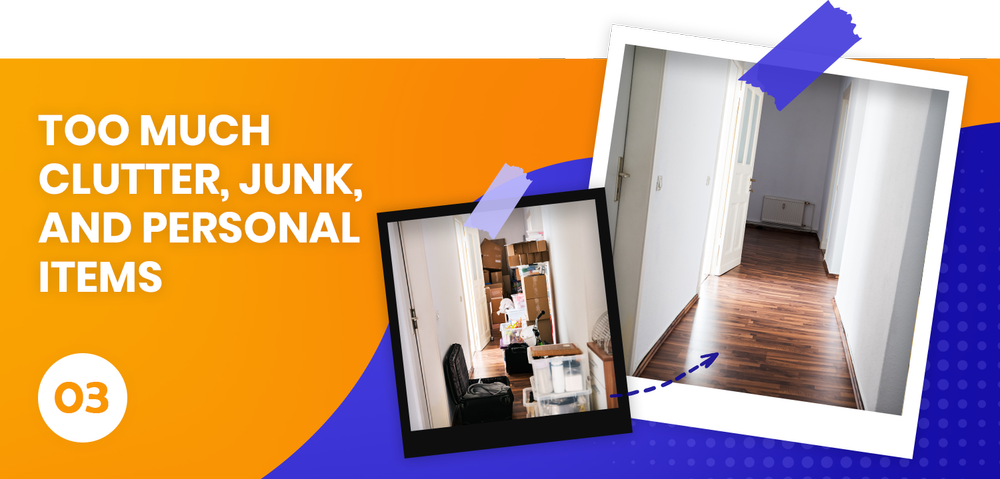
One of the worst kinds of listing photos features a cluttered house. Papers on the side of the refrigerator, groceries and food items on the kitchen counter, unmade beds, clothing on chairs, personal belongings like diplomas and other memorabilia still on display—you name it.

While it does not directly affect the quality of the photos, a clean and organized house is critical to a successful photo shoot. If you cannot stage your home or hire a professional stager, do your best to clean, declutter, and organize beforehand. Remember that the goal is to photograph your home to look like a model home to entice potential buyers without being misleading. Any clutter and personal items will only distract them from seeing the most attractive aspects of each room and might hinder them from scheduling a showing.

The main goal of prospective buyers is to focus on your property, not to check who or what resides in it. Although you love your pets and they are adorable, keep them out of your pictures. Not everyone loves pets or may be allergic, so including your pet in listing photos can negatively impact house hunters. They might worry about fur on the carpet, scratched floors, or nasty pet smells and stains. 

Similarly, listing photos should never be photobombed by you, your cute kid, or anyone living in the home or taking the photographs, which often happens when there is a mirror in the room. Remember that it is your home that should take center stage, so skip the selfies or family shots so buyers can easily envision themselves living in there.

Pictures of your property’s exterior should not include a close-up of a patch of grass. Or a tree in the backyard. Or a random plant. Interior photographs, on the other hand, should never include close-ups of everyday home items—from not-so-fancy ceiling fans, and water heaters to every appliance you have that would not qualify as sought-after amenities.

While the intention is likely to show the condition and age of these items, in reality, dull close-up shots make rooms look small and repetitive. So take a step back and photograph your property’s look and flow, focusing on spaces such as the kitchen, bathroom, closets, outdoor living space, and unique home features, so buyers can have the feel of the home just by looking at photos. The brand of the refrigerator can wait until they schedule a showing.
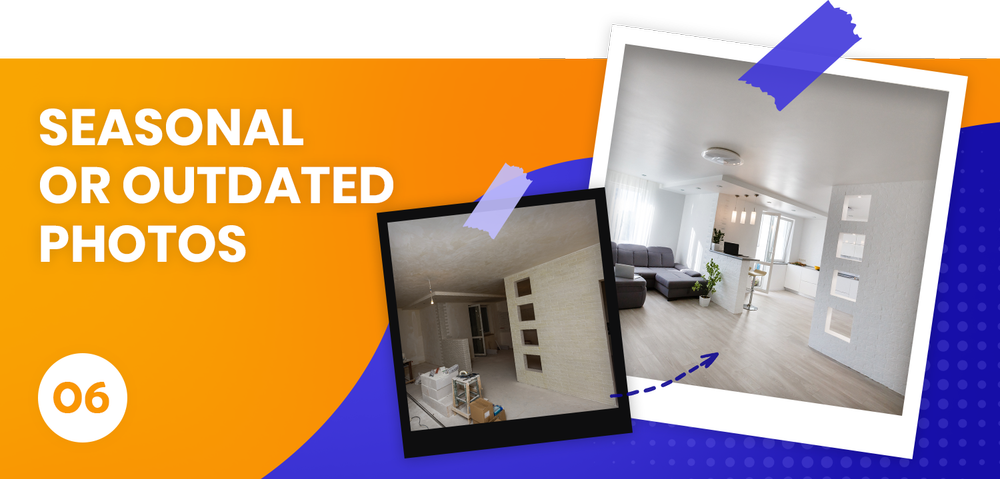
Another mistake sellers often make is featuring pictures taken several months ago that are outdated, maybe in an attempt to save time and effort. But listing photos should always be up-to-date and show the current state of the house and how it would look to a potential buyer in person.

Additionally, it is important not to post seasonal photos, especially with decorations from a holiday one celebrated months ago. For example, if you are listing your home for sale in February or March, you do not want buyers to see photos of your Christmas tree and twinkly lights. So take down all holiday decorations before taking pictures for your listing, unless you want people to think that your property has been on the market since December. Your listing photos should feature a neutral home and reflect the current season to attract more buyers.

Aside from having good quality listing photos, buyers would want to see as many photos as possible to help them make an educated decision on whether to schedule a showing of the property. If the listing has limited photographs, buyers might wonder what the seller is hiding. For instance, only featuring photos of the exterior could mean the interior is outdated, and vice versa. If your listing says your home has two bathrooms, you would want to show both of them. Make sure to include images of every part of the home, highlighting the rooms and spaces you want to.

Each Multiple Listing Service and real estate websites have different limits on the number of photos a home seller can include. Whatever website you and your real estate agent choose to use, it’s a good idea to upload the maximum photo limit. 
HomeownerSeller June 22, 2022

Why You Should Start Your Home Selling Journey By Decluttering

If you’re planning to put your house on the market anytime soon, the biggest task isn’t to address repairs or start renovations, as these require lengthy planning since they can be time-consuming and costly. 

The main task you should prioritize as a potential home seller is decluttering. It’s actually free, and you can do it way ahead of time. It’s best to do it in advance even if you’re not much of a hoarder, as you must have accumulated too much stuff after living in your house for years. 

Not only can paring down your belongings help you when it’s time for your move, but it can also save you money and potential headaches. Still not convinced? Here are five huge reasons why decluttering is crucial in your home selling journey.

The greatest benefit of decluttering, even if you’re still deciding whether or not to list your home for sale, is that your home instantly looks more spacious and appealing. It all boils down to perception. No matter how big your home’s actual footage is, excessive furniture, decor, and clutter can make your place cramped and untidy. All of these elements also make the home unattractive to potential buyers. 

So if your house already feels smaller than it really is, it’s time to get serious about decluttering and organizing. Keep only the necessary furniture and decor that will define your space and highlight your home’s best features without being distracting. If you have too much furniture, you can put it in storage for the time being. Think of the phrase “less is more,” especially if you’re thinking of hiring a staging company to show your home. It makes a difference in your buyers’ perception of how big your house feels.

Likewise, it is easier to clean a decluttered home. Air circulation is also improved, so it smells cleaner. And because the smell is one of the first things potential buyers will notice when entering your home, it’s a huge deal breaker.

It may be tempting to store everything away in your closets and cupboards but resist doing this. Too much stuff in your cabinets makes it seem as though your house doesn’t have enough storage space. 

And storage is a top concern for serious buyers. They will want to open up closets, cabinets, and drawers to see how much storage the home has. You might have hidden your items from plain sight, but when buyers see cabinets full of stuff like miscellaneous food containers, it will give them the impression that there’s not a lot of storage in your home. Show off your storage space by emptying them or leaving them two-thirds empty. You may throw away, donate, or sell things you don’t want to take with you when you move. You can also rent a storage unit and put everything in there temporarily as you’re sorting through your belongings.

Decluttering can also help you identify potential problems in your home that can be deal breakers for many potential buyers. Where there is clutter, it’s likely that pests are also around, such as ants, spiders, and rodents. By decluttering ahead of time, you can easily spot these pests and get rid of them.

Moreover, you can deal with issues like cracks in the wall, mold growth, bad paint jobs, leaky pipelines, and other minor repairs when you start to lessen your stuff. By removing bulky furniture, you can locate where many of these problems could be potentially hiding. Decluttering before listing your home for sale will give you plenty of time to address these issues, so you can improve your home’s value and ask for a competitive selling price from buyers.

When you start your decluttering process with the goal of selling, you must see your home through the eyes of potential buyers. When a buyer views your property, they can easily get distracted if there’s too much clutter. Instead of focusing on the home’s features and selling points (and even its flaws and potential problems which could affect the sale), they may pay more attention to items such as your furniture and personal belongings. You want buyers to fall in love with the house, not with your stuff that could be going with you when you move.

Aiming to make your home a neutral space by removing most of your personalized items will make it easier for potential buyers to imagine themselves and their things in the home. Since there are fewer distractions, buyers can easily visualize themselves living there without being reminded that it’s someone else’s home. 

Taking the time to organize and declutter before listing your home will aid in simplifying your move. Sorting through your stuff ahead of time will prepare you to finish packing when the time comes. Doing this will make your future move much less stressful and overwhelming. Especially if you have called your property your home for a while, it can be emotionally difficult to move out when the time comes. Dealing with your clutter beforehand will help you reevaluate your items, so you won’t spend the extra money or energy to move things you don’t even use or want anymore. 

And when you start to see your home changing after packing and throwing away items, it becomes less and less your home and more of a place where you’re getting ready for your next adventure. After all, the memories will always stay with you, and you can cherish them forever. And you’ll be thankful you put in the work beforehand because aside from becoming emotionally prepared for the complicated moving process, your home will also be more attractive to buyers.

Homeowner June 1, 2022

These 3 Organizing Tips Can Actually Cause More Harm Than Good

Searching for inspiration to help you organize your home isn’t difficult nowadays. There is already an abundance of tips, tricks, and strategies from TV shows, magazines, and the internet to motivate you into taking on such a challenging task. The images of tidy closets or a perfectly organized pantry inspire you to rush out and purchase the same baskets and bins, thinking you will get the same pretty and stylish results.

See? That’s where the problem starts. The truth is, not all organizing tips are as helpful as they appear. Some may even cause more work for you in the long run, making it more of a hassle.

Without further ado, here are three popular home organization tactics that should help better arrange your home but could have the opposite effect instead.

1. Decanting everything into a container.

Decanting is a term used to describe the practice of removing foods from their original, disposable packaging and placing them into permanent jars or containers, typically clear to easily identify the contents. And who doesn’t love looking at pantry staples like rice, pasta, cereal, or spices in beautiful containers? It is the ultimate sign of a fully organized pantry.

But, even if this is a storage solution that often does work, it isn’t practical for everyone. Decanting can be exhausting and very time-consuming. It adds difficulty to the already tedious job of putting the groceries away. And if you have an active lifestyle, decanting your everyday pantry items may not be the best use of your time.

The better tip: Be realistic. Remember that there’s no need to add stress to your day because something might look nicer in a different container. If you don’t enjoy the idea of decanting or want to make better use of your time, find some middle ground to keep your pantry looking great without getting yourself overwhelmed.

Just choose the essential items to transfer into large, clear containers, such as rice or pasta, so you can better keep stock of your inventory. Other items, such as snack foods, are better left in their original packaging to be arranged in baskets. Just eliminate their outer box to save more room in your storage.

If you’re a busy home cook who loves your herbs and spices, you might want to only decant the ones that you use often so you can display them on your counter. For others, you can leave them in their original packaging and store them away. Or simply store them in the jars that they come in, instead of transferring them into matching display containers.

2. Color-coding everything.

Color-coded clothing? Gorgeous. Color-blocked books? Vibrant and looks straight out of design magazines.

And yet, even though the color-coding system is popular and visually appealing, it is extremely impractical and high-maintenance. You’ll have to keep up with the color code of your clothes after every laundry. Similarly, it could be a pain to place the books back in order every time you use them, making your shelves less usable.

The better tip: It might be easier to organize your closet by category or group your clothing by season. And unless you’re aiming for a statement bookshelf, you can group the books in your home library by genre or author. Or skip any organizing system and lean more towards other aesthetically pleasing but still functional ways to display your books, such as adding some greenery or using creative bookends.

3. Buying storage organizers without a plan.

We think those storage containers, bins, or boxes are the ultimate solution to controlling and organizing the clutter in our homes. And sometimes, just looking at them is satisfying enough that you’re tempted to buy! However, one of the biggest organizing mistakes you can make is purchasing any of these items without making a plan first. There might be millions of pretty jars or lovely baskets out there, but they won’t make sense if they won’t fit your needs and situation, as well as the storage spaces in your home.

The better tip: Think things through before buying. Make sure you’ve sorted through your items first so you can plan accordingly. It’ll give you a clear idea of what size, shape, and color of item you’re looking for, and if the item fits your needs. You can plan out where everything should live, rather than get overwhelmed with a variety of storage solutions that you’ll have no idea what to put and where to place.

Bottom line

Remember that while many of those organizational solutions look great in photos, they don’t work well in real life. And the best organizing systems are the ones that make sense to you, even if they might not appeal to others, especially since we’re talking about your personal space, which is your home.

Buyer May 25, 2022

What Does it Mean to Be “House Poor” and How to Avoid it?

If you’re a first-time buyer who’s only just started your house-hunting journey, you might have heard the expression, house poor. Many of us are familiar with the term and understand it carries negative connotations, yet we do not know what it means. 

Read more to find out what it means to be house poor and avoid getting into that situation. So you can live your homeownership life without regrets and become proud and happy with your investment.

While there’s no official definition of the term house poor, it describes the situation in which a homeowner spends a large portion of their monthly income on housing expenses. Aside from mortgage payments, this also includes other costs such as homeowners insurance, property taxes, utilities, and even maintenance.

Even if they’re building equity with their home, their budget is stretched thin, with a little left over for other important expenses. Being house poor makes it difficult or impossible for them to achieve their other financial or personal goals, such as building a retirement fund, paying off debt, or enjoying life in general.

In a recent survey by ConsumerAffairs, 69 percent of homeowners consider themselves house poor. The survey defines house poor homeowners as having little savings left after paying their mortgages and associated monthly expenses. Moreover, 54 percent reported that house-related expenses were their largest financial burden.

You may end up being house poor for many reasons. For instance, many first-time homebuyers fail to understand and consider the costs associated with buying and owning a home. They get caught up in the idea of owning their dream home without taking into account other expenses beyond the down payment and mortgage payment.

Maybe you and your spouse decided that one of you will quit your job to become a stay-at-home parent. This setup could significantly change your financial situation since you’re dependent on one income source.

Likewise, a major change in your circumstances, such as a loss of a job or an unexpected illness, may stretch your budget to the max and make it even more difficult to pay your housing expenses.

Regardless of your median household income, you can be house poor if you’re spending too much on your home. Here are some indicators that this is you:

  • You spend a significant part of your income on housing costs.

  • You regularly worry about whether you’ll be able to afford your monthly mortgage payment.

  • You keep tapping into your savings to cover your mortgage payments.

  • It’s becoming difficult for you to cover other expenses, such as groceries and transportation.

  • You don’t have an emergency fund and can’t afford to start one because there’s no space in your budget.

  • You feel that the cost of homeownership prevents you from pursuing your other wants and goals, such as traveling to new places or even engaging in a new hobby.

1. Know how much house you can comfortably afford.

Before shopping for a home, it’s important to figure out how much house you can comfortably afford, which may be a different number from the maximum mortgage you can get approved for depending on factors such as your credit score and debt-to-income ratio. Even if you can qualify for a higher mortgage loan, this doesn’t mean you have to accept the full amount. Experts advise buying less house than you can afford but still meets your needs. Likewise, remember to never go beyond your price range and stick to your home buying budget.

2. Do your homework before buying.

Before plunging into homeownership, educate yourself about the various expenses associated with owning a house. Aside from calculating the down payment, closing costs, and your expected monthly mortgage payment, don’t forget to also consider these costs:

  • Utilities (water, gas, electric, trash, etc.)

  • HOA dues

  • Property taxes

  • Maintenance, including gardening, pool service, snow removal, house cleaning, tree removal service, etc.

  • Any potential repairs, like a leaky roof or water damage after a storm

Especially if you will be transitioning from being a renter to a homeowner, remember that there won’t be a landlord who will cover many of these costs. 

3. Plan for repairs and maintenance.

Even if you purchase a house in very good condition, it will inevitably need big-ticket repairs over the years. A home warranty may be helpful to cover any unexpected breakdowns, but you probably can only rely on it during the first year or two. Moreso, if you’ve got your eyes on a fixer-upper. You’d need to get estimates and bids to plan ahead, plus prepare an extra budget for unforeseen expenses. 

This is another reason to never skip a home inspection. Some buyers in crazy markets have been waiving property inspections to be able to sweeten their offer and shorten their closing date. However, a home inspection is highly recommended since it will help you discover all the current problems and potential issues before you sign on the dotted line. The seller might get the issues fixed before closing, or you will receive a price reduction to cover those repairs yourself. But if not, at least you have an estimate for repair expenses and can determine whether they fit comfortably in to your budget. For example, you can figure out if the roof is nearing its lifespan, or maybe the cracks in the foundation are early signs of structural damage.

4. Make a larger down payment if you can.

Although many loans and homebuyer assistance programs allow you to make smaller down payments, waiting a bit and saving more before buying a house can also help avoid becoming house poor. By making a larger down payment, you’ll be reducing the amount you need to borrow, therefore lowering your monthly payment. This also makes you considered a less risky loan, which results in a lower interest rate.

Moreover, there’s no need to pay for private mortgage insurance, which lenders use to protect themselves in the event you default on the loan if you can put 20 percent down. This can save you thousands of dollars over the life of the loan. You just need to make sure that this option doesn’t deplete your savings.

5. Build a housing emergency fund.

Aside from your savings, it’s a good idea to put aside money every month strictly for housing expenses. Your housing emergency fund will provide you with a cushion to cover unexpected circumstances; for instance, if you lose your job or if something breaks, that leaves you with a hefty home repair bill that warranties or insurance won’t cover.

Bottom line

Despite the difficulties, 53 percent of correspondents from the ConsumerAffairs survey said that homeownership is difficult but better than other options, including renting. This shows that even though buying and maintaining a home can be costly, for many, homeownership is still the right decision over the long term, and is still worth it in the long run. Remember to do your research before stepping into the frenzied real estate market. By understanding the pros and cons of homeownership by hiring a local and experienced real estate agent to help you get the best deal, you can enjoy the long-term benefits of owning a home and be proud to call yourself a homeowner.

Buyer May 18, 2022

Finding The One: 4 Ways House-Hunting is Like Dating

It’s love at first sight. The one that made your heart skip a beat. Maybe it was the charmer, the one needing a little bit of work, or even the one that got away. 

No, we are not talking about a love match. We are talking about the house hunting journey. Finding your perfect dream home is similar to the elusive search for “The One”. The more you think about it, the more you’ll see the similarities between finding the right person and the right property. Both take time, patience, effort, and even a few heartbreaks before you can settle down with your special one. 

Here are a few of the similarities we’ve picked up on, together with some tips to help you find your most eligible candidate!

1. What you see online isn’t always what you get.

Whether it’s a home or a person, you can only tell so much from looking at photos. Listing photos are like online dating profiles—sometimes what you see isn’t always what you get. There may be houses that look the best in photographs but may be disappointing in person. Whereas those with terrible pictures turn out to have incredible character and bones. The key is to keep an open mind and consider the potential in those with cosmetic flaws falling just a little short of perfection. 

Likewise, carefully check the listing descriptions. They could offer hints and tips about the property that you might not be able to glean from the photos.

2. You’ve got to do your background research.

Whether it’s a person or a property, you need to do some hardcore background checks once you’ve found a potential match. Don’t be deceived by their appearance alone. 

Especially before buying a house, there are several ways you can do your homework. Explore the neighborhood at different times and days of the week. Visit nearby restaurants and shops, talk to potential neighbors, and learn about the quality of schools. It is advisable to check the latest crime rates, and look up the history of the house. If something feels off, talk with your realtor: they will be your guide to guarantee you won’t be investing in the wrong property.

3. You know what you want, but be prepared to make a compromise.

When it comes to finding the one, you need to remember that no house or partner is perfect. You won’t find your 100 percent match. This is why it’s important to know and understand what you really need versus what you want. 

You might be following a set of standards when you’re just starting to date—tall, dark, handsome, paired with a good sense of humor, etc. Dating someone for their looks alone might be fun at first, but without substance, the relationship won’t last. The same is true when you’re looking for your next home. You might’ve fallen in love with a house because of its beautiful and spacious porch or a huge backyard, but it doesn’t have an extra bedroom or lacks the storage space you need for your family. If it doesn’t fit your needs, however beautiful it may be, you could end up regretting it later on. This is why you must prepare your list of priorities even before buying a home. When a listing or property is at least 85 percent a match for your must-have list, you might need to compromise with the remaining 15 percent.

4. You can’t rush such a big decision.

Like relationships, buying a house is a huge commitment. Unless your house hunt requires urgency, you shouldn’t rush such a huge life decision. The reality is that it’s most likely going to take time and effort to find “The One.”

For starters, viewing properties is very time-consuming, so patience will be your best ally. In many markets, homes are getting snatched up even before the listings are updated online. You might be able to send a purchase offer, but there is lots of competition among buyers sparking bidding wars. This is why it is important to prepare yourself and not get invested too quickly, as it could lead to several house-hunting heartbreaks. There might not be as many fish in the sea because of the current low inventory, but trust the process. If you’re strategic with your house hunt with the help of an experienced real estate agent, you’ll be able to find the right home at the right time.

BuyerNew Homeowner May 7, 2022

Here’s How to Deal with Things Sellers Leave Behind in Your New Home

Once you’ve closed the deal and got the keys to your new home, the next exciting part is bringing your belongings with you so you can finally settle in. But rather than finding your new place in a spic and span state and enjoying the fresh start, you stumble across items that the sellers left behind. Unless the items have been part of the home purchasing negotiations, the general rule is that sellers are expected to take all of their belongings with them when they move out. But while it isn’t uncommon for previous homeowners to have forgotten a few items behind when they move, some leave with a house full of junk, which can be a nightmare to deal with.

Staring at the sellers’ abandoned clutter surely isn’t what you thought you should be doing on your first night at your new place. You probably already have plenty of questions in mind: Are you allowed to get rid of those piles of junk?What could you have done to avoid getting this mess in the first place? Dealing with this issue certainly isn’t enjoyable. However, there are steps you can take and even options to choose from when you find yourself in such a situation.

How to avoid it in the first place:

The best way to handle this problem? Think ahead and prevent it from happening in the first place. Unfortunately, there’s not a standard provision in the purchase agreement that deals with the scenario where sellers leave items in the house after closing. Thus, you and your real estate agent should ensure that your contract stipulates that the seller’s personal belongings and even garbage must be removed from the property by a certain date. 

Moreover, if the seller does leave things behind, your contract should specify that you now own those items, and you may dispose of those items as you see fit. You could even allocate an agreed upon amount of money that will be deducted from the sale to cover the cost of removing all the abandoned items. You may also consider a penalty provision under which the seller could owe you monetary damages if all their belongings are not removed in time. However, you have to anticipate that you may need to delay the closing or moving date, and/or file a small claims case for breach of contract if this occurs (which will be discussed further).

By completing a thorough walkthrough with your agent before becoming the new owner, you can ensure that the house is empty and move-in ready. Apart from checking that everything is in working order, you can also check to make sure that the sellers have removed all of their personal belongings. Open all kitchen cabinets and drawers; even the bathroom vanity, closets, and all other storage spaces. It’s even recommended to take photos of anything that’s not supposed to be there, so your agent can present them at closing. 

More often than not, the sellers are just as anxious as you are so they may have forgotten the items they were storing. A final walkthrough is your chance to make sure that the seller has upheld their part of the agreement. If not, there’s still time to let them know that the house needs to be completely cleared out before the moving date.



What to do if the previous homeowners left their belongings:

If you’re already faced with the issue of having your house full of the previous owner’s junk, there are still a few ways you can handle the problem. 

As the official owner of the home, the abandoned items are now yours to deal with as you wish. There’s no need for you to contact the seller if you decide to throw them away. But if you want to resolve the issue amicably with the seller, you could reach out and let them know that their items are still on the property. 

Sellers who may have accidentally left their items, particularly those high-value ones, might agree to pick up their belongings. However, be wary of vague promises or “I’ll get those next week” arrangements, especially from owners who intentionally left their debris. If they didn’t show up after waiting for them to follow through, it’s a good idea to take photos of the items, get an estimate for the removal, and send them to the seller to pay.

If you have issues with the previous owners not picking their belongings up or refusing to pay to have their things removed, you may now go the legal route. Consult with your attorney about state- and town-specific guidance regarding such issues. You may seek reimbursement for the cost of the junk at a small claims court based on a breach of contract. Remember that these cases can take months and that there are no guarantees.

Packing and moving your belongings is already stressful enough. It’s completely understandable if you don’t want to sort through someone else’s possessions and would prefer to have everything hauled away. But if you’re motivated to make the most of what the previous owner left behind, you could keep or donate the useful items. Since buying and moving included some expensive upfront costs, maybe you could benefit from the free yet still functional furniture, home decor, or even kitchenware. You could also donate items like old clothing to local charity shops or organizations. Whether you choose to donate, sell, discard, or keep these items— it’s already up to you.

Unfortunately, if the previous homeowners only left things that are practically worthless, irreparably damaged, or broken, you might not find anything worth keeping or donating. Your best choice is to hire a junk removal company specializing in hauling away trash, furniture, and other unwanted clutter. By getting rid of the unwanted things, you finally free up space in your new home so that you can start unpacking and settling in.

BuyerSeller April 27, 2022

Home Sellers: How Long Do You Have to Respond to an Offer?

In theory, there’s no rule about how quickly a seller has to respond to purchase offers. You can take as long as you want before responding since there is no official time frame. However, the industry standard is to get back to interested buyers within 24 to 72 hours. This is a common courtesy observed by many professionals in the industry.

The exception is for certain states, such as California, where an offer will be considered revoked if it’s not signed by the seller and delivered back to the buyer by 5 P.M. on the third day after the buyer signs it. A buyer can enter a specific date into the agreement or keep the default of the third day. In this case, all money paid by the buyer, such as earnest money, would be promptly refunded.

In states that don’t have specific rules and guidelines, sellers usually respond within one to three business days.

When an offer from a qualified buyer comes in, you can respond in one of three main ways:

1. Accept the offer as-is – This is the best case scenario for any buyer making an offer. Should you receive a spectacular offer where you agree to all the terms, conditions, and contingencies in the purchase contract, it could be worth signing on the spot. Accepting an offer sans any changes means the buyer can now move to the home inspection.

2. Send a counteroffer – While some offers may be close to what you were looking for, some may still contain a few deal breakers on your end. This is when you can make a counteroffer, which lets you come back with a proposed price or change of terms to meet your needs and keep the conversation going. 

When you respond to an offer with a counteroffer, it may include different things, such as:

  • A higher price.

  • A lower price but with a proposal to take out appliances or furniture initially included in the price.

  • A different split of the closing costs.

  • Different contingencies or the conditions to be met to complete the deal.

  • A change in the closing date.

Once you send a counteroffer, the buyer will have a deadline for them to respond. They will only have a chance to accept or deny the offer.

3. Reject the buyer’s offer in writing – Especially in a seller’s market, it isn’t uncommon to receive multiple offers on your property. While you’re not obligated to send a written rejection to an offer, it is considered the polite thing to do. This signals to the buyer that it’s time to move on to another property. However, once you’ve rejected an offer in writing, it is difficult to extend that buyer a counteroffer should your original accepted offer fall through.

While you or your listing agent may acknowledge receipt of a buyer’s offer, that’s not the same thing as responding to it. Here are several reasons why you may not respond:

  • Offer is too high or too low

A lowball offer or an offer that is significantly below the asking price could be insulting and may signify that the buyer isn’t serious. Meanwhile, an offer that is too high may not be realistic, especially if the buyer will need financing. The lender will only approve a loan after an appraisal is completed and within the home’s market value.

  • You want to review all offers at once

If you want to review all offers at once, it’s a good idea to wait until all offers are in before responding to buyers. The only downside is that other qualified buyers who are hoping for a quick reply may simply withdraw their offers. 

  • You’re waiting to hold a public open house

If you have an open house scheduled soon, it may be wise to hold off on reviewing offers until after the event to increase your chances of receiving the best offer.

Work with a top and experienced real estate agent

Entertaining and reviewing purchase offers will be a lot less stressful when you have a real estate professional by your side. They will help you pick the “best” offer for your circumstances and not just automatically the one with the highest offer price. Working with an experienced realtor will also ensure that you are well educated on the process.

Create a pros and cons list

With the help of your agent, you can create a spreadsheet to clearly see the benefits and drawbacks of all offers on the table. Will you choose a higher offer price but with a shorter closing period, or a slightly lower offer price but with a flexible closing date? Working through the pros and cons will help you settle these considerations depending on your current situation, and hopefully will help you make the best decision.

BuyerNew Homeowner April 8, 2022

Thrifty Ways To Furnish Your New Home For Less

You’ve bought your first home—congratulations! It’s a huge milestone you finally accomplished after what could be years of saving up for the down payment. However, once you’ve moved into your new home, that’s when it hits you. Your house now requires far more furniture than the tiny apartment you rented. And the furniture is expensive. 

You’ve factored in other costs with owning a home, including maintenance costs and even property taxes but how about your furnishing needs? The last thing you’d want is to blow your entire budget and incur debts just to save your rooms from being lonely and bare.

If that’s a scenario you’d want to avoid, we’ve compiled some of the best tips to help you furnish your home without draining your bank account. By combining these thrifty ways with a little creativity and a whole lot of patience, you can furnish and decorate your home and make it uniquely yours.

Take inventory and repurpose what you already have.

As much as we would like to furnish our new home with fresh furniture and pieces to achieve similar looks from our Pinterest boards or Instagram feeds, for most of us, that might be unrealistic. So before you buy anything, take inventory of everything you already own. Take a hard look at your existing furniture and decor and see if any can be refashioned or reused. Likely, many of the items you already own are already nice pieces that will work in your new home. Or some of them just need a little bit of sprucing for them to match your new space.

Sit down and evaluate each item, and then make a “to keep” list, excluding items that are beyond repair or that you can’t stand the sight of any longer. Keep an open mind and decide where each item will be placed. Just remember the most important thing: while you don’t have to use these pieces forever, it can be a great way to fill in spaces in your new home until you can afford to upgrade.

Visit thrift shops and consignment stores.

Before buying anything new from pricey, high-end stores, you may want to visit your local thrift stores and consignment shops. They often sell high-quality items for lower prices, and there’s a huge chance you’ll find some great deals if you look hard enough.

The stigma of secondhand shopping is rapidly declining due to the popularity of sites like Facebook Marketplace, and online auction and swap sites like eBay, Etsy, Craigslist, and LetGo. While some pieces may need to be refinished and may take a little elbow grease, they may end up being your favorite items because of their distinct character that can’t be associated with items from big furniture stores.

If you have concerns about the germs, stains, and even possible infestations from used items, it’s valid, especially during the time of Covid-19. That being said, there are items you definitely shouldn’t buy used. Otherwise, second-hand items aren’t any more “germy” than brand new products. Just keep in mind to appraise these items thoroughly before taking them home. Check their material, durability, and whether they are fairly clean and free from bugs or insects. And once you’ve guaranteed they’re still in decent shape, you’ll have a treasure you’ve saved from going into landfills.

Or search for yard and estate sales in your area.

Aside from thrift stores, local yard sales, flea markets, and even estate sales are also a gold mine for affordable furnishings and other household items. You can find great items from people holding a yard sale, such as curtains and blinds, wooden furniture like cupboards, coffee tables, or bookcases, and other home decor items.

As a rule, steer clear of items like electronics and appliances in garage sales. If something goes wrong with the TV or an old gaming console you bought, you won’t have any guarantee on the merchandise, unlike if you purchase them from reputable retailers. 

Watch out for seasonal sales.

Furniture is a huge purchase, but it isn’t impossible to catch a sale in one of your local stores or discount warehouses. Look at multiple stores and keep an eye out for deals, especially after the holidays and whenever the seasons change. For example, you might want to shop mid-winter (January and February) or the end of summer (August and September), as retailers will be discounting their old stock during these months to make room for new styles. 

If you’re looking to find bargain outdoor furniture, fall can also be a great time to shop. People seldom shop for a patio set at the end of that season. Likewise, you could also wait until holidays such as Memorial Day, the 4th of July, or Labor Day, when there are usually great sales on furniture. Just be patient and remember that if what you’re looking for isn’t on sale now, it might be in a few months.

Look for freebies.

If you are trying to furnish your new home on a shoestring budget, it won’t hurt to use social media to look for freebies. Depending on where you live, there might be people in your community or near your area that are looking to buy, sell, or give away items for free, especially on Facebook groups. You’ll be surprised how much free stuff is on offer, mostly furniture and other items that are still in good condition. You can even score name-brand stuff if you get lucky, and all you have to do is to pick it up and move it yourself.

Get creative with paint.

Don’t be dissuaded if an item you like is a little worn or is the wrong color. You can give new life to these pieces, like a hand-me-down dresser or a side table, by using a fresh coat of paint. There are plenty of websites with DIY tutorials where you could pick up unlimited ideas on how to turn drab but well-loved items into conversation pieces. Feel free to explore and experiment with colors that you love, and how you can incorporate them into your furniture or home decor. 

Remember to splurge on certain items.

While you’re dedicated to spending less to complete your new home’s look, there are a few new purchases for which you should budget. Don’t skimp on items that you need to guarantee their quality and cleanliness. For instance, if you’ve scored a sturdy and brand-new-looking bed frame from a garage sale. Splurge on a new mattress, along with new beddings, linens, pillows, and pillowcases. Don’t forget to also spend on a new sofa or any upholstered furniture, bath towels, knives, and non-stick cookware, among other things. The key is to know when it’s worth shelling out more bucks, especially if there are potential safety and health risks involved.

Everybody wants a nice and cozy home, and achieving that is probably every buyer’s goal once they get their keys. But remember that your home is a work in progress — it won’t be completed overnight. You have to be patient in accumulating the pieces you want, especially if you still need to save enough money. You may have to start with the essentials first, perhaps a bed frame and mattress. Bringing your space to life will never be a competition or a marathon. You can live there and entertain guests even if it isn’t fully furnished. Embracing the process won’t only help you avoid making purchases that are way past your budget, but you’ll end up with a home that’s thoughtfully decorated. It will be filled with furnishings you really love and which speak highly of your taste, style, and work for you and your family best.

BuyerSeller March 17, 2022

What’s Ahead in Real Estate? 5 Trends and Features To Watch Out For in 2022

The coronavirus pandemic turned the real estate market into a frenzied rollercoaster ride for both buyers and sellers. Especially because of the historically low mortgage rates coupled with the inventory shortage. 

But with the pandemic subsiding, the burning question is, what will happen in real estate in 2022? Housing experts forecast the market could calm down this year and ease up a little, especially for many first-time buyers.

While no one knows what the future has in store, here we have compiled a list of five real estate trends that home buyers and sellers should be aware of as they navigate the market this year.

Due to the surge of buyers during the pandemic, both existing and new home inventory has been extremely low throughout 2021. According to experts, inventory will remain scarce this year and we will continue to be in a seller’s market. The February 2022 Monthly Housing Market Trends Report by the National Association of Realtors® (NAR) revealed that the national inventory of active listings declined by 24.5 percent over last year, while the total inventory of unsold homes, including pending listings, declined by more than 15 percent. Newly listed homes were also down 0.5% nationally compared to a year ago.

One of the main catalysts for the low inventory is that homeowners have been hesitant to list their homes for sale, as there is no guarantee they will be able to find an affordable home to purchase or a rental to lease. Builders are trying to ramp up production, but new home construction isn’t keeping up with the surge in demand. There have been huge issues with the supply chain, which made construction materials more expensive and difficult to come by.

Tips for buyers: To find a good home in this tight market, do as much legwork as possible. Make sure you get pre-approved for a mortgage before you even start house-hunting. Sacrifice some of your nice-to-haves for your must-haves. If the neighborhood you have been eyeing is too competitive, try to expand your search. Lastly, do not hesitate to work with a local and experienced realtor who can help you navigate the complicated process of buying a home, especially if you’re a first-time buyer. Your agent knows what is happening on the market and can give you the best advice to find the perfect home that fits your budget and lifestyle.

Tips for sellers: Low inventory, where homes are being snatched up fast, means less competition! Even if your home isn’t quite as appealing to many other buyers, or you intend to sell as-is without renovations, you still stand a better chance in the current real estate market. Just make sure you plan for your next home before you decide to sell.

Over the past year, mortgage rates have stayed extremely low, but that will likely change in 2022. New projections by the Federal Reserve show seven rate hikes this year, up from three projected rate hikes in December 2021, which means mortgage rates will likely rise. Both Redfin and Realtor.com predict a 30-year-fixed mortgage rate will reach 3.60 percent, while the Mortgage Bankers Association expects the average rate on a 30-year loan to reach 4 percent, by the end of 2022. The combination of lingering inflation, consumer spending, and the pandemic subsiding is what’s driving mortgage rates higher.

Just like groceries, gas, and everything else, house prices are going up. And while historically low mortgage rates helped offset the higher listing prices in 2021, experts forecast both home prices and mortgage rates to go up this year.

According to a recent report by the NAR, the national median sales price of single-family existing homes increased to $363,700 by the end of 2021, mainly due to strong home buyer demand and limited housing supply. In 2022, existing home sales prices will continue to increase, rising 2.9 percent.

Tips for home buyers: Know how much house you can really afford and commit to staying within that budget no matter what. Likewise, take the time to research lenders who have a good combination of low rates and low fees, then apply for a mortgage pre-approval.

Tips for home sellers: Higher home prices mean a nice profit is on the horizon! But to get more money from your biggest investment, work with an experienced and local real estate agent to help you get the best offer for your home.

Home appreciation refers to a home or investment property that increases in value over time. Throughout 2021, homes appreciated at rapid rates, mainly because the market has been so hot across the country. Housing experts suggest it may change in 2022, they expect the rapid appreciation rate to slow down and will be lower than last year. According to the NAR, home sales will take a breather after what has been a spectacular housing market in 2020 and 2021. Thus, home price appreciation is expected to be at 2.8 percent this year, down from 14.7 percent in 2021.

Tips for home buyers: The slowdown provides a better environment for buyers because the homes they purchase may not skyrocket in value as quickly as they would have in 2021, and may help avoid bidding wars. But at the same time, prices won’t seem to be going down. Many Americans will also no longer face the prospect of home values far outpacing their pay raises.

In 2022, renovations will continue to come in all shapes and sizes. More people will gravitate towards using nature-inspired colors to give a calming vibe to their homes, including greens, blues, taupes, and browns. Many potential and recent buyers are drawn to colors associated with water and sky, as demonstrated in Zillow’s interior paint color analysis. Research has found that homes with light blue bathrooms could sell for 1.6 percent more than expected or nearly $5,000 on a typical U.S. home. Meanwhile, dark, moody blues in the bedroom could sell for a $1,500 premium.

Aside from matching the colors of Mother Earth, sustainability is also a top priority, especially for younger homeowners. Home listings with descriptions mentioning eco, energy-efficient, or similar terms have sold more than two days faster than expected. Listings that mention drought-resistant features sold 13 days faster, and smart sprinkler systems and double pane windows installed for energy conservation were associated with homes selling more than a week quicker than expected.

After the tough two years, one thing that almost everyone learned is to prioritize their mental health. We see this reflected in thoughtful wellness home designs, including retreat features such as meditation rooms, reading nooks, and even spa-inspired bathrooms. According to Zillow, a freestanding bathtub can lead to a 2.6 percent premium on a home’s sale price. Even features such as a “she shed” can help a home sell for 2 percent more than expected. Natural light will also be a priority, especially in home offices and common spaces.

BuyerHomeowner March 5, 2022

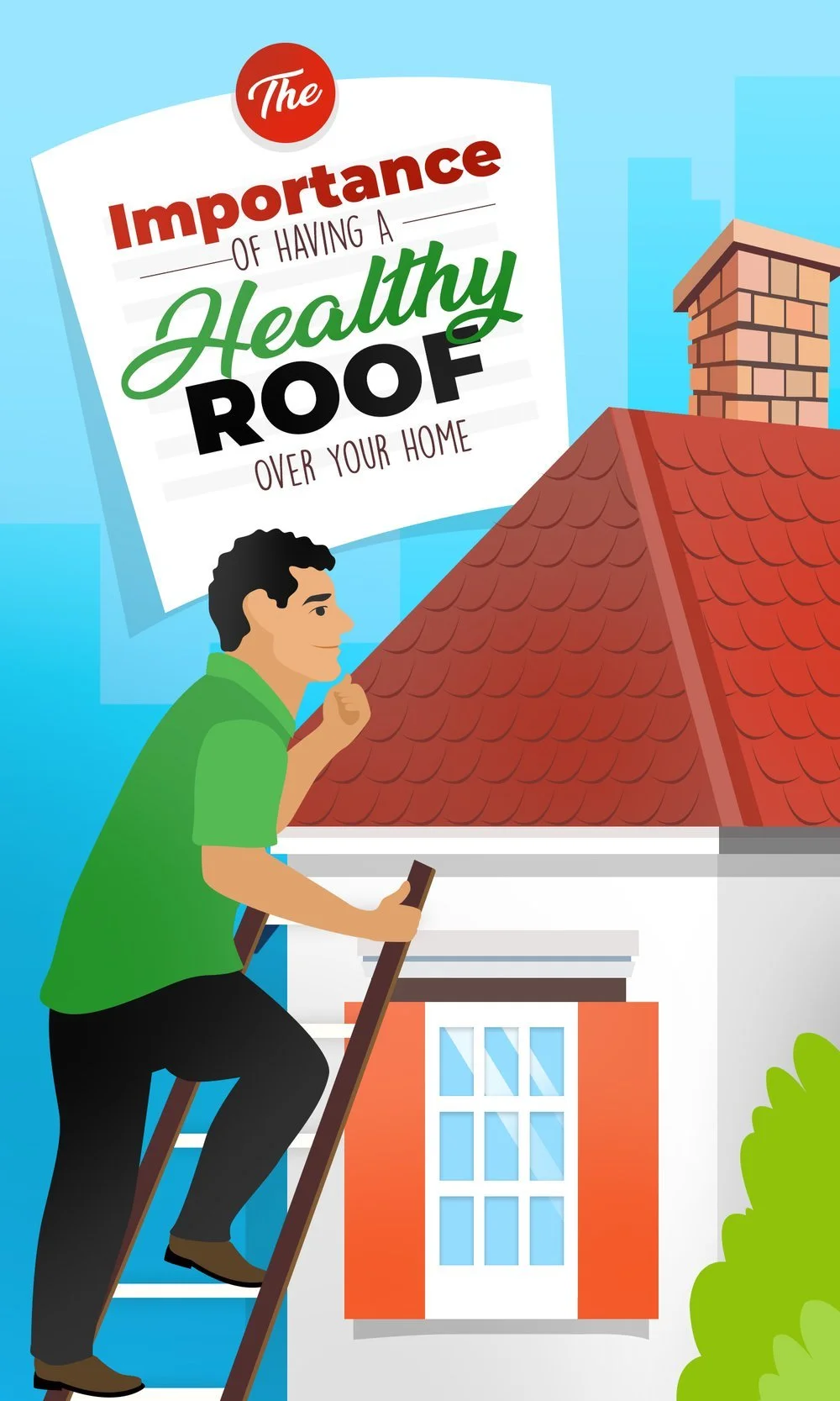
Don’t Forget to Look Up! The Importance of Having A Healthy Roof Over Your Home

A roof is one of the least thought of components of a home, but it’s undoubtedly one of the most important. That lovely front porch or lush garden may be the first features that catch your attention when you drive by a home or during house-hunting. However, you shouldn’t fail to notice the roof as well, considering that it makes up a third of the exterior view of your home (or even more) and is a huge part of your curb appeal.

And we’re here to tell you four reasons why having a healthy, well-maintained roof over a home is critical, and how to tell if it already screams maintenance and extra attention.

Roofs are a fundamental element to your home, which is probably one of your largest investments. Because the roof connects the interior of your home to the outside world, it serves as a barrier against inclement weather conditions. A healthy roof guards you against snow, hail, rain, ice, sun, even from branches and debris. If your roof is in poor condition, it can leave your home susceptible to considerable weather damage. Even tiny leaks could lead to mold, mildew, and other similar water problems that could damage your home systems and your health.

Aside from braving the elements, a properly ventilated and insulated roof will save you money on heating and cooling. The seals in your roof are what helps in keeping in your climate-controlled air. It releases humidity and heat from your home, which can be as damaging as rain from the outside. A roof in top shape is key to cooler summer temperatures and warmer winter ones inside your home. And when your home’s indoor temperature is steady, it doesn’t only make it more comfortable but can also significantly cut down your energy costs.

A healthy roof makes the rest of your home relatively safer. This is why many homeowners insurance providers consider the age, condition, material, and shape of your roof when determining your insurance coverage and costs. Remember that this benefit may not work in all situations and still depends on various factors. 

For example, if you take the initiative to improve the quality of your house and opt for a complete roof replacement, the insurer will likely lower your premiums. Some companies may also provide discounts, which can give you substantial savings. But if the insurance company schedules a roof inspection and enforces a roof replacement, your rates will likely remain the same or could even go up. Likewise, homeowners living on the coast where there’s the constant threat of hurricanes, thus prompting multiple insurance claims for roof repairs, could result in an insurance rate increase instead of the opposite.

A strong and well-maintained roof is a prominent feature that can improve the appearance of your home. Even if you have no plans to sell soon, a roof that looks “taken care of” increases your curb appeal. If you decide to list your home, it’s a good selling point as it can significantly increase your home’s value. 

Since it’s a conspicuous element of the house, prospective buyers can easily see any visible signs of wear and tear that could deter them from buying. It will prompt them to assume that there might be other areas of the home that are being neglected. 

  • Curling, damaged, loose, or missing shingles – These are clear signs that your roof needs some serious repairs, especially after a storm or other natural disasters.

  • Light coming from the attic – Daylight coming from the roof boards means your roof has holes. Address this immediately by calling the pros to reduce water damage in the home.

  • Stains – Notice some ugly black streaks on your roof? They may be dirt, soot, or mold. However, this can be an indication of algae and moss damage, which degrades the shingles and may cause water damage. It could compromise the health of your roof if the damage becomes widespread.

How old is your roof?

In general, roofs last about 20-30 years. However, the actual lifespan of your roof depends on several factors, such as the roofing material, quality of installation, environmental conditions, among others. The older your roof, the more likely it is to experience issues, so plan ahead if yours is already nearing its life expectancy and a roof replacement is more necessary than just repairs.