BuyerNew Homeowner October 29, 2021

10 Practical Tips for Buying Second Hand Furniture For Your Home

You just got the keys to your new home and can’t wait to adorn your space with brand new furniture. That’s fantastic, especially if you already have specific items in mind or you’ve been eyeing a particular piece for such a long time. But if your budget is quite limited, especially after paying for closing and other costs associated with homeownership, buying everything brand new may not be the best option. Shopping for secondhand furniture is also a great way to furnish your home, and should be considered for a lot of reasons.

Aside from being an inexpensive alternative, it is also helpful to the environment. It keeps perfectly good and reusable furniture out of landfills, minimizing ecological footprint. It’s also a great choice if you’re a lover of one-of-a-kind, high-quality vintage pieces for a fraction of the price. And even perfect if you love DIY and think you could breathe new life into a piece of furniture by refinishing.

But of course, buying used furniture can sometimes be a gamble, especially if this is new to you. This is why we’ve compiled these tips and strategies to help you make sure you’re getting a bargain for your buck. Just think of this as a 10-step guide for you to avoid lemons when it comes to used furniture, no matter where you shop!

Before checking for good places where you can score used furniture and figuring out what pieces best suit your home, you need to know that there are certain items you should never buy used. Instead of going through the hassle of checking such pieces, it’s better to splurge and invest in something new. Here are just some of the items to avoid:

  • Used mattresses. These can be bad for your health as you don’t know how clean (or dirty) they are. There’s also no way to see all the dust mites, mold, bed bugs, and other health hazards that have already made their way into the fabric. Also, say no to secondhand crib mattresses for infants.

  • Heavily used upholstered furniture. Saggy pillows and lumpy sofas are uncomfortable to sit on. And while they can be replaced, it can cost a lot to have done it professionally and will cost more trouble than they’re worth.

  • Anything that smells. It can be difficult to get rid of bad smells, e.g. thirdhand smoke, and pet or urine odors can seep through many pieces of furniture, especially on upholstered items.

  • Anything that’s high-priced. When the price tag of an item does not reflect its condition, and it may cost more money and time to make repairs to, then simply skip such an item.
You’ve got plenty of choices when it comes to buying used furniture. The only thing needed from you is to explore all your options to get a better chance of getting something good that will fit your home and budget. Some of the places to look for include:

  • Thrift stores

  • Goodwill or Habitat Restore

  • Instagram or Facebook Marketplace

  • Apps like Craigslist, LetGo, Carousell, NextDoor, and OfferUp

  • Yard sales and estate sales

  • Consignment shops

  • Hotels and offices that are doing major renovations

  • Auction sites

Instead of just eyeballing, shop with the exact dimensions and measurements in mind—both for the piece of furniture you’re looking to buy and for the specific spot in your home where you might want to put it. This is because you aren’t shopping with a furniture catalog where dimensions and descriptions are given upfront. So whether it’s a chair, a dresser, or a bookshelf you’re looking to get, measure the item as well as the area you’ve picked out for it accurately before buying. Also, don’t forget to choose a few other areas in your home where you might be able to put the piece so you’ve got a fallback just in case you find that the furniture is a little bigger in your preferred spot.

Getting the most bang for your buck is probably your main goal in buying second hand furniture. By checking tags and labels, you can avoid spending money on something that’s not worth it or something that you can also buy inexpensively. You want to know where the piece came from to help determine its quality. If ever you encounter a brand you’re not familiar with, it’s better to do some quick research before making a purchase.

When you find a piece you like, make sure to inspect the material it’s made from. For any furniture made from solid wood, it’s better to choose hardwoods that last much longer over softwoods, which are easy to chip or deface and will sag and warp over time. Furniture made of hardwood, like oak or maple, is often more durable and indicates more solid construction. Also, it’s easy to restore their shine with a little polish and effort.

Aside from the material alone, take a look at the construction of the piece. Look for dovetailed joints rather than pieces that are cobbled together since those are signs of good quality. Focus on the integrity of the piece rather than on blemishes or surface imperfections such as shallow scratches and chipped paint, which can easily be fixed. While you’re at it, investigate any signs of mold, water damage, termite, or other insect infestations. 

Smelly furniture is definitely a deal-breaker, no matter how fantastic it would look at your place or how cheap you can get it. And while there are some smells you may be able to get out, other stenches can linger for too long or may even be difficult to remove, especially pet odors and smoke. So make sure you smell the piece before purchasing to save you the headache of removing the odors, which could take even more worth than you want to put in just to save a few dollars.

These pests can survive for many months even without feeding, so furniture can sit in any warehouse or facility for a long time and still have healthy bed bugs. Inspect cracks and corners for any dark spots, reddish streaks, old bug skins, or actual bugs. They can be tricky to spot, but once you notice any of those signs, make sure to skip the purchase. No matter how great of a deal it might seem, it’s not worth the risk of bringing bed bugs into your home.
Because there’s nothing worse than finding out that the piece you’ve come to love at the store doesn’t work after you bring it home, you have to test the item right then and there. A lot of used furniture is also sold as-is with no return policy, so there’s no way you can return it for any reason once you’ve purchased it. Just remember to ask about the store’s policies when it comes to testing out items at the store. And do it after you’ve already checked its quality and cleanliness.

Sit on a chair or couch for a few minutes to make sure it’s comfortable and holds your weight. For cabinets, dressers, and similar pieces, open all the drawers to make sure they easily slide in and out and the handles don’t fall apart after a few uses. For tables, lean or push on them from an angle to make sure they’re steady on their feet.
Not all sellers are willing or able to help you carry and deliver the secondhand items you purchased, which means it’s critical you make a plan on how you’ll get it home. The good thing is that many stores will hold your merchandise for a few days to give you time to pick it up. If that’s the case, make sure your vehicle can handle the furniture piece you’re buying, and bring help in getting the item in your vehicle. If you prefer a rental especially if the item wouldn’t fit in any of our vehicles, just calculate the costs to make sure the total will still be way less than buying new.


Buyer October 15, 2021

The Things You’ll Love and Hate About Living on a Cul-de-sac

Once you’ve started your home buying journey, one term you might have come across during your home search is the type of street called “cul-de-sac.” If you didn’t know about this phrase before, one thing to note is that there are benefits as well as drawbacks to owning property on this type of street. Some buyers and homeowners may appreciate the attributes of a cul-de-sac, while others may find them frustrating. 

Let’s take a deeper look at some of the pros and cons of living on a cul-de-sac, which, in many circumstances, could highly depend on your point of view.

What is a “cul-de-sac”?

A cul-de-sac, which in French literally means “bottom of the sack,” is basically a dead-end street with a rounded end. Since there’s no thoroughfare, cars must drive around the circular end of the street to exit.

Oftentimes, the term “cul-de-sac” and “dead-end street” are used interchangeably. And you’ve likely driven on both types of roads thinking that they’re all just dead-end streets. But the main point to remember is that while a cul-de-sac is a dead-end street, its aesthetic is much nicer and the exit is more refined. You just need to drive around the rounded road in one seamless action. A dead end is a street with no outlet and ends in a straight line, meaning there’s only one way in and one way out. To exit from a dead end, you’ll likely have to do a three-point turn on a random driveway.

The benefits: One of the major reasons people like living on a cul-de-sac is because there’s less traffic on this type of street. Because unless you live in one of the houses on the block, the only reason you could be in there is if you’re visiting someone who lives on that street, or you’re lost.

Unlike on a conventional street where there are many cars, living on a cul-de-sac means you don’t have to deal with traffic noise, safety hazards, or even pollution. This feature makes it ideal for buyers who have children and pets, or for people who loathe living on a busy street where a lot of traffic passes by their front door.

The drawbacks: The bad side of not being a through road? It might not be easily accessible in an emergency and for other services. When it snows, main roads and heavily trafficked blocks get plowed first and quickly. Cul-de-sacs, on the other hand, are usually the last to have snow removal services. Homeowners might also have trouble getting other municipal services like garbage pickup, because the vehicles may have difficulty accessing and turning around the road, causing traffic congestion. Forgotten and disregarded service can be an issue since streets like these are small.

Depending on the size of the cul-de-sac, there might also be less parking available compared to a regular street. This could be an issue if someone on the block is having a party and has invited a large number of guests. It’s more likely for them to take up all available parking, and could even go as far as parking in front of a neighbor’s walkway. It is also during this kind of situation that delivery trucks and emergency services may have difficulty maneuvering when leaving the street.


The benefits: With fewer cars and less traffic, a cul-de-sac is a natural safe place for families with children. Children can play outside and ride their bicycles more freely, which are fantastic ways for them to be active and make friends in the neighborhood. Even pet owners who accidentally let their dogs or cats wander can relax knowing that there are fewer hazards around. Cars that are around are likely to be driving slowly since their destination is usually close by.

The drawbacks: For buyers who don’t have children and are looking for a house where they can enjoy peace and quiet, a cul-de-sac may already be off the list. Not everyone loves to have their street turned into a playground, especially when children are left unattended. Baseballs, basketballs, footballs, and hockey pucks could go flying through the air and hit cars, mailboxes, windows, or houses, especially if the cul-de-sac is relatively small. Damage to property can cause tension or conflicts with neighbors and could cause stress if no one is willing to accept responsibility.


The benefits: Since houses on a cul-de-sac often face each other in a semi-circle or in closer proximity to one another, this allows for enhanced relationships among residents. Neighbors may see each other every day so it’s easier to get to know one another. They also keep an eye on each other’s properties and kids, which helps prevent instances of crimes such as vandalism, burglary, or fire. Also, children get to be instant playmates. These things can foster a strong sense of community. This is why people who are naturally neighborly would surely love the communal feel inherent to a cul-de-sac. 

 The drawbacks: They say the only thing that will make you dislike living on a cul-de-sac is if you really hate your neighbors, which is quite true. Even if you enjoy the privacy of living on a cul-de-sac since it’s generally a tucked-away location, you may not like the constant surveillance of neighbors, even if everyday observances are naturally unavoidable. Or, you might really hate your neighbors, especially if they’re loud, or really nosy, or even inconsiderate about where they park. If these things make you uncomfortable, cul-de-sac life might not be for you.

Uncategorized October 8, 2021

What is an iBuyer and The Pros and Cons of Selling Your Home to One

Once you’re set to sell your home, you also need to decide which type of transaction works best for you. Generally, you have three options: you can hire a licensed real estate agent, go FSBO (“For Sale By Owner”) and sell sans agent, or work with an iBuyer.

If the last option has never crossed your mind before, chances are you have a long list of questions regarding what iBuyers are, how they work, and how they differ from the first two options, which are part of the traditional home sale process.

Don’t worry. While we may not have all the answers for you, here we discuss the basics about iBuyers, and the pros and cons you should greatly consider before choosing this kind of transaction.

An iBuyer, which is short for “instant buyer,” is a real estate company that buys and sells homes through technology. Instant refers to the speed at which an iBuyer’s algorithm calculates the AVM to make an offer on a home, which could take only minutes or days sight unseen.

To request an offer from an iBuyer, you need to submit basic photos and information about the property, including the address, age, square footage, and features, using the company’s website or app. The iBuyer estimates your home’s value and makes an offer. If you choose to accept the bid, the company will do an in-person assessment or evaluation and then provide you with a final offer.

When considering this option, it’s important to understand the advantages and disadvantages so you can determine if it’s best to use their service in your particular situation.

PROS

Unlike a traditional sale, selling your home to an iBuyer promises a speedy, simpler, and convenient process. It takes away the hassle of preparing your home for sale, thus you don’t need to stress about staging your home or boosting your curb appeal. You also don’t need to have any showings and wait for potential buyers to send an offer. For some sellers, the possibility of skipping any disruption caused by preparing their home or making it available for showings can be a huge plus.

Likewise, iBuyers offer quick and flexible closing dates. You have the ability to close at your convenience or when it works best for you, meaning, you can close as quickly as 10 days, or as long as 90 days. 

Selling to an iBuyer may be the best route to take when:

  • You’re relocating to a new city and need to sell your current home quickly.

  • You’ve recently inherited a property and don’t want to maintain it or turn it into a rental. 

  • If you have an investment property and you’re struggling to find a new tenant.

  • You need to tap into your home’s equity fast to help with your financial situation.

One of the biggest benefits of using an iBuyer is the assurance of an all-cash offer for your home. You don’t have to worry about a buyer’s financing falling through. It’s also a huge help if you need the money as a down payment to purchase your next home.

When you choose the iBuyer route, there’s a guarantee that your home will sell one way or another once they’ve given a final offer.

CONS

Be prepared for the possibility of getting a lower purchase price since the offer they provide is sometimes a little less than what the home might be worth. This is due to the fact that they take a significant risk in paying quickly with an all-cash offer and closing fast. It’s the price to pay for the convenience and flexibility of selling your home. 

Likewise, if you’re in a hurry to move and can’t do the repairs yourself, the costs will be deducted from the price since the iBuyer will be the one to handle the repairs. This could take a huge bite out of your offer.

Although they’ve been steadily expanding, iBuyers are still not available in every market. So even if selling to one could be the best option for you, it’s possible that they aren’t active or operating in your area. It’s best to research your local housing market before deciding to sell your home to these companies.

Even if you live in an area where iBuyers operate, companies are selective on the type of homes they buy. Because unlike house flippers who mostly seek out distressed properties or those that need extensive repairs, iBuyers target homes that are already in good condition and only need minimal work. They can be picky so even higher-end homes, highly-customized homes, and most older homes may not qualify.

Keep in mind that after submitting a request together with information about your property, they have the option to deny buying your home. And once your home doesn’t qualify, using an iBuyer won’t be an option.

When using the service of an iBuyer, you don’t get to know the people who are going to be moving into your home. And since the sentimental value of one’s home can often influence the decision on whom to sell to, or if you’re the type who prefers to speak to actual potential buyers and know the next homeowner rather than just going through a website, the iBuying route may not be for you. In this case, using a real estate agent and doing a traditional sale is your best bet.

Homeowner September 24, 2021

7 Critical Steps to Take After Your House Is Damaged by Storm

The damage a storm causes to your home can leave you feeling lost and devastated. Concerns about securing your family’s safety, restoring your property, and getting your life back together can be completely overwhelming. And with destructive storms becoming more and more common, it pays to have a strategy to help you deal with the damage. 

This is why it’s critical to know the important steps you need to take in the wake of a major storm. It can help you move along with the restoration process faster so you can return to normalcy as quickly as possible.

1. Prioritize safety above all else.

Whether your house sustained significant wind damage, was struck by lightning, or even got flooded, the aftermath of a storm can pose further serious dangers and injuries. The first thing you have to do is to make sure you and your loved ones are safe and unharmed. Don’t take unnecessary risks inspecting your property and taking photos of the damage, as it can be done at a later, safer time. 

Be mindful of potentially hazardous situations such as downed power lines, jagged windows, caved-in roofing materials, flooding or standing water, collapsed walls, and even problems with a gas line. Also keep an eye out for broken glass, exposed nails, displaced screws, and other sharp objects that are also common from storm damage. Consider evacuating or arranging a temporary place for you and your family, especially if the roof of your property is unstable or part of the wall has collapsed.

2. Assess and document the damage.

Once you think it’s safe enough to move around your home, it’s time to inspect the entire area and assess the damage. This can be a highly emotional process, seeing your precious home destroyed, but documenting the damage must be done before contacting your insurance company. This is so you can provide the necessary evidence for your insurance claim, particularly if your policy only covers certain types of damage.

Grab your camera or smartphone and start taking photos and capturing videos of any interior and exterior damage to the home. Since your house could have structural damage, always exercise caution during the inspection. To make sure your pictures are very detailed, take the time to go through each room and in all areas of your property (as long as it’s safe), taking note of both big and small issues, including any of the following:

  • Any holes or leaks in the roof; loose, missing, or broken shingles; dents on vents and gutters

  • Broken windows and doors

  • Basement flooding

  • Moisture damage

  • Fire damage

  • Exposed power lines

  • Damaged or broken appliances and furniture, primarily due to water damage

  • Loss or destruction of personal items, since most homeowner’s insurance policies include personal property coverage up to a scheduled limit.

It will also be helpful if you’ve taken photographs of your house and property before a storm hit. This way, you’ll be able to compare your photos of the damage with what it looked like before, and your insurance company won’t question whether or not you’re blaming the storm for pre-existing damage. So if you’re concerned about a storm that’s coming or that hasn’t hit yet, take photos of the normal state of your home so you’ll have them on hand if the worst occurs.

3. Contact your insurance agent/company.

Once you’ve taken photos of the damage your home incurred, call your insurance company or agent as soon as possible and explain your situation. Discuss the damage and provide the photos you took along with proper documentation. Your agent will be able to guide you through the next steps in making a claim by providing you with a claim number and a local list of emergency service providers in case you need it. 

Following this, the company will send out an adjuster to evaluate the extent of the damage so that payment for repairs can be issued. It’s critical that you’re around when the adjuster comes so you can go over all the issues with them, which will help them provide an accurate claim estimate. They’ll tell you what and how much of the damage will be covered once you’ve paid your plan’s deductible.

Just remember that most homeowner’s insurance policies won’t cover flood damage, so contact your flood insurance company if your home has flooded. If you don’t have flood insurance, you might be stuck paying for the damage yourself.

4. Get in touch with your mortgage servicer.

Aside from your insurance company, you should also contact your mortgage servicer—the company you send your monthly mortgage payments to (it might not be your original mortgage lender), as soon as possible to talk about available mortgage relief options. 

If the disaster makes it difficult or even impossible to make your monthly house payments, make sure you talk with your mortgage servicer first to avoid being charged late fees, which could cause your credit score to fall. Ask if they could offer mortgage forbearance, which allows you to make partial payments or stop making your payments for an agreed-upon time. A forbearance usually lasts up to six months and can be extended up to another six months.

5. Look for federal disaster assistance.

The Federal Emergency Management Agency (FEMA) provides a variety of assistance to homeowners who were affected by storm damage. You can get help with temporary housing, repairs, meals for your family, and filing insurance claims. If your area was declared a storm disaster area, you may be eligible for low-cost loans to help restore your property back to normal. Even if you do have a solid insurance policy, you may still qualify for more federal disaster assistance. You will be required to file documents in order to receive these loans.

6. Prevent any further damage.

Once you’re sure the storm has passed, you can start cleaning up the debris and do a few necessary emergency repairs to stop any further damage from occurring. Just remember to do it as safely as possible, and try not to make any extensive and permanent repairs before an insurance adjuster has had a chance to assess the damage.

Remove any debris from your yard, deck, and patio, and even from the roof and gutters. If there are holes in your roof or your windows are broken, be sure to cover them as quickly as possible so that wind and rain do not seep in. Make sure the downspouts are working to keep water away from your foundation and property. If there’s clogged or standing water somewhere, try to get rid of the clog on your own to prevent mold growth, which can be hazardous to you and your family’s health.

Your insurance agent could also help you contact a local restoration service provider who will aid in tackling storm damage and getting your property back to normal. Secure any valuable items that are at risk of being damaged while the restoration process is ongoing.

7. Keep all receipts for repairs made.

Make sure to save all receipts for materials and labor, and keep records of all additional expenses. This is to ensure you receive fair reimbursement. Keeping good documentation and staying organized with your paperwork is critical for any claim to your homeowner’s insurance to avoid headaches and potential problems later.

Familiarize yourself with what your homeowner’s insurance policy covers if your home is damaged by a disaster. Also, make sure you review and update your contact information with your insurance company.

BuyerNew Homeowner September 10, 2021

Fundamental Questions To Ask Before Hiring Professional Movers: Part 2

Do you use subcontractors or a third-party to handle and deliver my belongings?

Before you work with a mover, you need to know how they operate and if a different company will actually be doing the loading, transporting, and unloading of your belongings. This is because while many moving companies have their team, some movers act only as brokers and subcontract their services to a third party. They outsource their services to companies they have partnerships with, including local movers who have purchased their own trucks for transport.

Some moving contractors are more experienced than others, so it won’t hurt to make sure that the third-party movers are a team of qualified professionals that are up to the task. If the broker company uses several contractors, politely ask for a complete list. See if you can also meet the actual movers face to face before the relocation date. This might be helpful to avoid miscommunication that could cause delays and incur additional costs and fees on moving day.

Is your crew covered by worker’s compensation insurance?

Workers’ compensation is a form of insurance that pays for medical expenses and lost wages if employees are injured on the job. At first glance, whether or not the employees have workers’ compensation may not seem like something that should concern you. However, in case the company doesn’t provide proper insurance to their movers and one of them got hurt on your property or an accident occurs during the move, you could be held liable and you may have to cover for the injuries.

How long will the move take?

Any professional and experienced moving company would know how long your moving situation should take. They will give estimates of when your things are likely to arrive, taking into account any possible delays surrounding that date or weather conditions. 

The movers will offer to deliver on a particular date for interstate moves. Just remember that it isn’t considered a guaranteed delivery date if it was not put in writing. Long distance moves, on the other hand, almost always involve a delivery window rather than an exact delivery date. Make sure to ask for their delivery window policies in detail so you can plan ahead on how much to pack on your personal luggage.

How do you handle disputes or claims?

Another thing you might want to inquire about is their policy for resolving complaints or claims against them. It’s also important to know how they deal with disputes and minor conflicts. A good moving company will be willing to give you a history of complaints and claims, and whether or not they were resolved satisfactorily for both parties. It also won’t hurt to ask how many claims and complaints they’ve had, and depending on the numbers, might be a good or bad indication of their incident record. 

What modes of payment do you accept?

Moving is stressful and expensive. Hiring movers, buying packing supplies, and signing up for moving insurance, can all amount to a hefty bill. This is why reputable companies usually accept credit cards or cashier checks, while some moving companies also offer discounts to customers who pay with cash upfront. The key is to ask about their payment options before hiring them so you’ll be prepared when the bill comes.

Be clear about the amount that is due on delivery versus previously paid amounts. Moreover, be wary if the movers you’re considering are requesting only cash payments, which could be a red flag for rogue movers.

What is your company’s cancellation policy?

Even if there’s only a sliver of a chance you’re canceling your move due to whatever reason, it’s good to understand your moving company’s cancellation policy before you hire them and sign any contracts. Moving companies usually have a cancellation time during which you can cancel your move free of charge, while a few might even let you cancel the day before your relocation date without a penalty. 

However, many movers will also keep all or part of your deposit if you cancel within a certain amount of time before your move, and there might even be extra cancellation fees. It’s crucial that you find out what your options are in case you need to cancel. You also would want to inquire further whether you will be reimbursed if the movers fail to perform your move or to appear on the agreed moving date.

Do you offer any promotions and discounts?

Since moving isn’t exactly cheap, it never hurts to ask about any discounts and promotions the company is currently offering to be able to save money. Here are some of the most common moving deals and discounts where you might be eligible:

  • Student discounts

  • Senior discounts

  • Law enforcement, teacher, first responder, and military discounts

  • Membership discounts 

  • Off-season discounts or seasonal discounts

  • Moving coupons

Some companies are even pretty vocal about these discounts. Simply ask the moving service, especially when you’re shopping around for the best prices.

16. Do you have any questions for me?

Finally, don’t let the interview end without the moving representative asking you questions. If they are an exceptional company that will do their best to perform your relocation successfully, they will think of asking for any relevant details that you might have forgotten to share or mention. They will also go out of their way to give you tips and suggestions to help you prepare and plan accordingly. These little things are huge positive signs that you have found the best movers for you.

Bottom Line

A huge part of a move’s success depends on careful planning and attention to detail, which includes the moving company you hire. This list of questions may seem long, but it can guide you in identifying a bad mover from a reputable one. For starters, the latter will be more than willing and able to answer all these questions satisfactorily. Use this as a guide when you’re interviewing potential movers and hopefully, you can make the right decision.

BuyerNew Homeowner September 3, 2021

Fundamental Questions To Ask Before Hiring Professional Movers: Part 1

Once you’ve bought a home, there’s nothing that could be more stressful than moving. This is why it’s a no-brainer to hire a professional moving company to help you with your valuable possessions, especially if you’re making a long-distance or interstate move and you’ve got bulky items to bring with you. Choosing a mover, however, is the tricky part since there are thousands of companies out there that provide a wide range of services. It’s a very important decision to make and could mean the difference between having a smooth relocation and a complete disaster.

This is when asking the right questions proves to be crucial. You want to make sure you hire a dependable and trustworthy company that will save you a lot of time, money, and headaches. Especially if it’s the first time you have hired a mover, here’s a great list of questions you could ask them during the interview so you can easily narrow down your choices. Make sure you get as many of these questions answered in any form of writing. Such precautions will help you identify any red flags and hopefully hire a reputable company that will deliver.

1. Is your company properly licensed?

The first thing in your checklist to make sure you choose a trustworthy moving company is to determine whether they are properly licensed. The good thing is that it shouldn’t be hard to check. All professional interstate moving companies should have a license number issued by the United States Department of Transportation—their MC # and USDOT #—which should be listed at the bottom of their home page. Likewise, you can also check for the company’s license number and even complaint history at the USDOT Federal Motor Carrier Safety Administration database. 

On the other hand, local moving companies who only relocate customers within the same state are only regulated by the state, which means they should hold a state license. Just remember that each state has titsown set of moving regulations and license requirements. 

Knowing that the moving company is legitimate and reputable will guarantee that they’re compliant with the federal laws, which means it’s highly likely that the move is in good hands and your items will be handled safely.

2. Can you show referrals or recommendations?

To avoid moving scams and rogue movers, it’s also best to hire movers that have been in business for a few years. And part of your homework is to check for references and recommendations. See if they can show you letters of recommendation from past customers. The moving company representative should be able to provide you with all the information you need should you ask for it. 

In this day and age, it’s also easier to check for testimonials, reviews, and ratings on their website. There are also numerous forums and sites where people share their experiences about moving companies. You may be able to know if the movers overpromised, underdelivered or overcharged their customers, although it might be helpful to take any reviews with a grain of salt. Don’t forget to also ask friends and neighbors for recommendations, as word-of-mouth is still one of the most reliable routes to finding a trustworthy mover. 

3. What kind of liability coverage does your company provide?

It’s also crucial to ask what coverage options a moving company offers before deciding to hire them. This is to make sure your belongings are covered in case of a mishap during the relocation. According to FMCSA, interstate movers are required by federal law to offer two types of liability options: thll Value Protection and Released Value Protection.

Under Full Value Protection, your mover is liable for the replacement value of lost or damaged goods in your entire shipment. For instance, if any of your articles are lost, destroyed, or damaged during the move, the FVP requires the moving company to either have the item repaired so that it’s in the same condition as it was before being damaged, replace it with something similar, or give you cash to replace it.

The Released Value Protection, on the other hand, is the most economical protection available since it is offered at no additional charge. However, the protection for this option is minimal. The mover assumes liability for no more than 60 cents per pound per item.

You also have the option to purchase full-value protection or insurance from a third-party insurance company, especially if the mover doesn’t offer it. But before purchasing insurance, the FMCSA recommends checking your homeowner’s insurance policy as well to make sure you’re not already covered.

Moreover, ask to see the moving company’s own proof of insurance, which they should be able to show you if they are legitimate and licensed.

4. Do you offer an in-person or in-home estimate?

There are several ways you can get a moving estimate: over the phone, online, or in-person. However, any moving company can only give you rates by phone and not the actual estimates. Getting an in-person or in-home estimate, where a sales staff or a representative goes to your place to perform an on-site virtual estimate, is still the best idea. This way, the mover will see all the items that need to be moved, and can determine any complications that might make the relocation more difficult and more costly. They should be able to check ahead of time the big items that need to be shipped and any potential problems for the moving truck and the crew, such as the presence of low-hanging tree branches, elevators, parking situation, etc. They should also discuss with you any potential problems with the delivery at your new place. 

Ask the company what their rate is, and keep in mind that most companies will provide a rate per pound and a distance rate, instead of based on cubic feet. Otherwise, some companies might charge a per hour rate for short distance moves.

The moving company must give you an estimate in writing and provide you with a copy. It should state the name, contact details and address of the company. It should also include all the charges, the payment method, and the agreed delivery dates or time frame of the move. Both you and the mover must sign it to make it an agreement.

5. Which services do you offer?

Each professional moving company has a unique menu of services you can choose from when you’re planning your move. Here’s a shortlist of a few of the services that they might offer:

  • Packing and unpacking

  • Loading and unloading

  • Custom crating

  • Transportation for specialty items like pianos and hot tubs

  • Temporary storage

  • Furniture assembly/disassembly

  • Appliance disconnection

  • Vehicle shipping

  • Cleaning services

Good, full-service movers will do these things automatically as part of their services, but you may need to confirm exactly what services are provided with smaller firms. Sometimes these services are also known as accessorial charges. This is why you should never assume a moving company offers a service you need. And if any of these services are crucial for your move, you should make sure that service is provided by the company you might hire.

6. Are there additional fees? When do these fees apply?

After getting your moving estimate and clearing up concerns about which services the movers will cover, don’t forget to ask about potential additional charges. The last thing you’d want is to be surprised by a series of extra charges that showed up in your bill once the move is completed. 

Ask the moving company what additional moving services you should expect to be charged for, and when these fees apply. Don’t be afraid to ask as many questions as you can, such as but not limited to:

  • Is there a charge for stairs?

  • Is there a charge for heavy or oversized items?

  • Is there an extra charge for moving things from a basement or from a garage?

  • Do you charge extra on wet moving days? (They might have to pull out a few tarpaulins.)

  • Is there a charge for more than 2 floors up or for moving things from the attic?

  • Will there be an extra charge for travel time to and from my house?

  • Will you charge me if the building elevator is out of order or  missing in action?

  • Will you charge me for refueling costs? (Especially for long distance moves)

  • Do you charge a long carry fee if the crew cannot park the truck close to the entrance of my home?

Just take note that every moving company has its own way of evaluating the fees associated with each move.This is why it’s imperative that you speak with the company representative about all possible hidden fees and charges in advance. 

7. Do you have the necessary moving equipment?

This might seem obvious to ask, but you want to be assured that they have the proper moving equipment that is required for your specific type of move or situation. You also want to be certain that the professionals will be able to protect your items and move them safely to your new home. 

Aside from having the right size of moving truck, they also need to have the proper furniture and appliance dollies, moving blankets, furniture sliders, and all the necessary packing supplies. Special hoisting equipment or more heavy-duty dollies may also be needed for bulky furniture, household appliances, and other extra large items, like a grand piano or a pool table. Ensuring that the moving staff you hire have the necessary moving equipment will not only make the move less complex and dangerous, but will also help them complete the job as scheduled.

8. Are there things you prefer not to move?

If this is the first time you’re hiring a professional moving company, you should be aware that there are a number of items that some movers won’t allow on the truck. They may refuse to move certain things, including photos and photo albums, fragile family heirlooms, plants, flat-screen televisions, fine art, and other valuables. They believe the risk of losing or damaging those precious belongings is too great. This is why it’s important to ask for specific things the movers would prefer not to move so you can plan ahead, pack and bring those items yourself.

Likewise, hazardous materials such as fertilizer, paints, aerosols, pesticides, propane tanks, batteries, pool chemicals, and others are absolutely out of the question because these things are flammable or potentially explosive.

HomeownerSeller August 20, 2021

Homeowners, Make Sure You Leave These Repair Tasks To The Pros

There are several reasons why homeowners choose to DIY various home repair projects. It might be due to budget limitations, to save money, or just to enjoy a good challenge and proudly build sweat equity.

However, substantial tasks are considered too technical, too difficult, or just too unsafe to be tackled by anyone untrained. Oftentimes, one wrong move when handling them can result in serious damage that could cost a small fortune to fix. If you’ve got plans to sell your current home, you might also have to disclose any unpermitted work to potential buyers, which can hurt your sales price.

Here we discuss some guidelines on what home maintenance and repair jobs are best left to the hands of professionals who have the critical knowledge and experience, so you can avoid wasting more time and money in the long run.

While changing your lightbulbs is simple, any other complicated tasks that involve working with electrical circuits, wiring issues, or running new cables throughout your home should be left in the hands of a licensed electrician. Working on your home’s electrical system is extremely dangerous, especially if you don’t know what you’re doing. For starters, you could end up with fried appliances and faulty connections. But worst case scenarios include accidents that can cause electrocution or start fires, putting both your safety and your home at a huge risk. Doing it the wrong way can also create problems in the future when you try to sell your home.

Even though you can read or view tutorials online, there’s no way to know for sure whether they are appropriate for your situation. And even if you can buy the materials you need, that doesn’t mean you can install them correctly. There are very strict codes in place when it comes to where and how electrical switches, outlets, and appliances should be installed. Moreover, you need appropriate permits and to have your work inspected. Once you end up calling out the pros because you can’t get the work done, there’s a chance that they will not work on homeowner purchased materials due to warranty issues.


Similar to electrical issues, plumbing issues can also be tricky to handle. Plumbing involves a delicate network of pipes that need to be installed in a specific way to ensure everything works properly. Any DIY home repair that causes burst pipes or leaks could open the door for potential water damage. When these leaks or broken pipes are found within walls, or difficult to detect, it can become a serious issue. 

This is why anything bigger than cleaning clogged sinks and bathtub drains should be handled by a plumber. It’s even relatively cheaper to hire a professional plumber for small tasks, like installing a new faucet or shower, from the start than to contact them once the DIY installation has gone awry. Water damage can be very costly to repair. Likewise, a leak caused by improperly installed toilets or bathtubs could also lead to hazardous mold, rotting wood, structural damage, and more—all of which are much more pricey to repair than contacting a plumber in the first place.


It’s an exciting scenario often played out in many home renovation shows: homeowners holding a sledgehammer to knock down a wall, usually dividing the kitchen and dining room, to give way for an open floor plan. 

In reality, however, you might need to think twice before ripping out any wall by yourself. Some walls are called “load-bearing walls,” which means they distribute the weight of the house, ceiling, and roof across more surface area. Ripping out a wall like this could cause serious structural damage to your home. Some walls could also be supporting another part of the house, or have electrical, plumbing, or HVAC materials nestled inside, which means there’s a huge possibility of running into or damaging any of these materials.

Even if that wall may not be load-bearing, it’s also important to take into account where your ceiling joists are located because your wall might also be supplying their support. These are challenges that are best handled by a licensed and insured contractor, preferably by a structural engineer or architect, as they can help determine the best ways to address the issue. Also remember that these kinds of work require special permits, and doing so sans permit could result in a hefty fine.


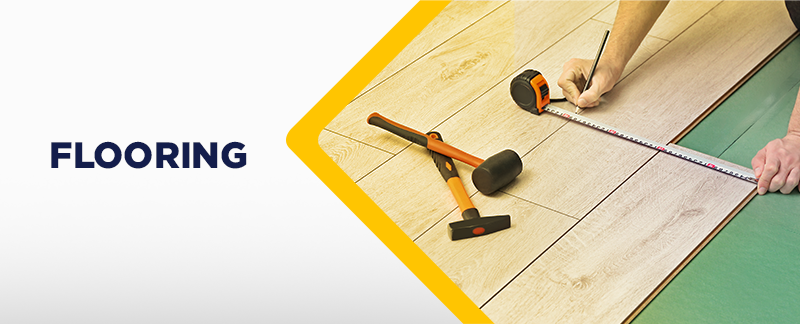
Whether it’s carpet, wood, or tile, there’s much more to flooring than ripping up the old and replacing them with new ones. There are several steps involved, especially in preparing the surface. You could find the previous flooring material damaged or in serious need of staining. You shouldn’t even be surprised if you find the subfloor to be cracked and rotten, which certainly is the first thing to address before doing anything else. 

If you’re eyeing DIY tile work, for instance, remember that there’s a lot more to it than laying the tiles in a straight line. Many things could go wrong, from choosing the right kind of tiles, measuring and cutting them to fit around corners and obstacles, as well as grouting and sealing. Of course, it could also take up far longer than it should, wasting your time that could be better spent on other things.


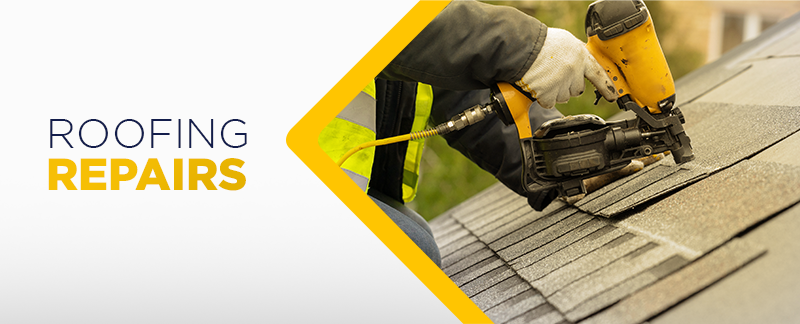
Any roofing repair job, such as replacing missing shingles or any damaged materials, is another home maintenance project where many things have the potential to go wrong when done without the help of a professional. One wrong move or loose tile could send you over the edge, causing fall-related injuries. The roof is what protects your home from the elements, and one mistake in an attempt to fix it could also result in roof leaks, wrong shingle placement, and improper insulation. In addition, poorly executed roofing work will likely look uneven and be very noticeable from the outside, which will affect your home’s curb appeal, and consequently, your resale value.

While you can watch and learn from online videos, it’s better to rely on the expertise of a trusted roofer to ensure that everything is done well and on time. These professionals are equipped with complete safety gear and know-how so they can work safely on your roof. They also have the experience to completely patch or replace parts of your roof so that you don’t run the risk of water damage and even mold in the future.


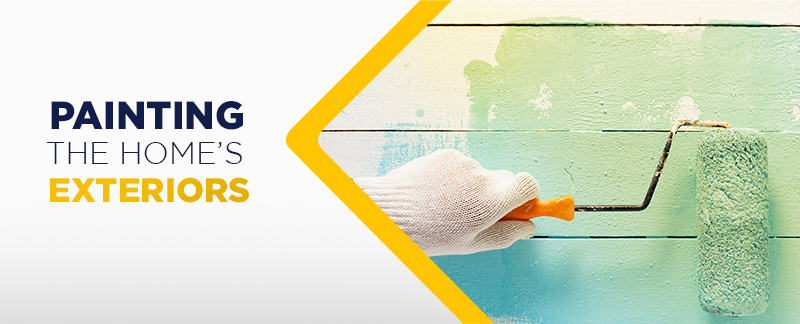
DIY painting your home’s interior walls is one of the cheapest and easiest ways to transform a room and give it an instant makeover. Exterior painting, however, has its own set of challenges that are best handled by experts. It requires extensive prep and even repair work, which could depend on many factors, including your home’s siding material, height, design, when was it last painted, and others. If you don’t complete this prep work properly, you could compromise your exterior paint job.

The best professional exterior painters will make sure to identify any areas where the exterior of your home has been compromised, either with water damage, wet or dry rot, or any other issues that would cause problems with the new paint job. These repairs should be addressed first or else the new paint will crack and bubble, which could bring further damage to your home.

Plus, exterior painting requires long, tedious hours outside in the sun and many trips going up and down the ladders or scaffolding. This goes especially true for taller homes, or those with ornate styles where accessibility could be an issue. Even if you’re an experienced handyperson, you need to consider your safety and whether it’s more worth it to paint your house yourself or hire an expert instead.


While it might be tempting to trim or remove a few trees from your property all by yourself in an attempt to save money, it’s not as easy as you think. The drawbacks could outweigh the advantages, especially when there’s a possibility of injury from falling or electrocution.

Cutting trees safely involves a lot of math, science, and experience that only a professional tree trimmer, arborist, or tree surgeon could provide. Their trained eyes know where the danger lies or which branches are rotten or weak, and they have specialized safety tools, equipment, and safety training in climbing. Trimming or removing trees, especially those near power lines, is a job that’s always better left to the hands of experts.

Seller August 5, 2021

5 Best-Kept Strategies To Make The Most Money When Selling Your Home

Savvy home buyers and sellers often have the same goal: to get the best price possible for and out of their biggest investment. For many sellers specifically, it means selling their home for top dollar and within their predetermined time frame. 

To achieve this, it’s necessary to implement the right strategies to make your listing stand out and stay ahead of the competition while spending as little extra time and money as possible. Here are five best-kept tricks of the trade to ensure you get the most out of your home sale:

1. Work with a local real estate agent.

The main thing to remember when listing your home for sale is that your time is money. So even if you’ve done it before (unless you’re an investor), you will likely benefit from the talent, expertise, and guidance you can get from a local real estate agent. They can steer you in the right direction to help you get the most money possible. And with the unpredictability of the current housing market, it’s even more critical to work with an expert so you can stay on top of things.

With a realtor by your side, it will be much easier to navigate the ins and outs of the selling process. They also have the know-how when it comes to staging, marketing, reviewing offers, handling negotiations, explaining the complicated terms in legal documents, and more. Before deciding to sell your home, make sure you connect with a local and experienced real estate agent.

2. Time your sale.

Timing is critical when selling your home to maximize your sale price. Generally speaking, spring is widely considered to be the best time to sell since many people want to move during the warmer months when the kids are out of school. However, seasonal trends vary by market so it’s important to do your research. You’d want to make sure that the conditions of the market where you’re selling (and subsequently buying) are working in your favor.

Likewise, there are other factors to consider as well to maximize your profit. For example, is the sale of your home going to conflict with other life events like relocating to a new job, retirement, or other family milestones? If that is the case, even if it’s already the peak selling season, you might want to consider before listing especially if there will be a negative financial impact. Other factors to consider are whether you have built enough equity in your home to offset buying, closing, and moving costs, as well as the current condition of your home, from which you can decide how much time and effort it will take to prepare it for sale.

3. Price your home right.

Think you can make more money on the sale by placing a higher price tag on your home? Here’s the thing: an overpriced listing deters many prospective buyers. And because of that, your home is more likely to sit on the market longer or be compelled to drop the price later, which could raise questions or skepticism about whether there’s something wrong with the property. On the other hand, price your home too low and you risk leaving money on the table.

This is why it’s crucial to set a fair but competitive price right from the start. And this can only be achieved by enlisting the help of a real estate professional. Your agent will perform a complete comparative market analysis (CMA), which will show you what similar properties in the area have sold for recently and for how much. This will give you an understanding of the price that’s appropriate for your neighborhood while also considering the current condition and value of your home. Setting a realistic initial asking price will attract more buyers that will help you sell quickly, maximizing your return.

4. Spruce up your home.

Many prospective buyers appreciate a clean and well-maintained home. Even with a limited budget, doing a thorough cleaning, as well as completing some minor repairs and upgrades before listing your house, can go a long way to helping it sell for more. 

Don’t forget to do a deep clean on both your property’s interior and exterior to give it that much-needed refresh. A fresh coat of paint, preferably on neutral colors, can also give it an instant facelift. Fix minor issues like leaky faucets and cracked windows, or replace any loose hardware like cabinet pulls and doorknobs. Improve your home’s curb appeal by trimming the hedges and trees, pressure-washing the driveway, cleaning and repainting the mailbox, etc. Doing even just some of these budget-friendly projects depending on what your home needs can help make a good first impression when it’s time to list it for sale.

5. Negotiate the best offer.

If you’re on your own, you might be tempted to immediately grab the offer with the highest price thinking that it was already a good deal. But with an experienced real estate agent on your side, you’ll be guided on the ins and outs of the offer process and be advised on when to negotiate prices and terms. While the highest offer price seems good enough, it doesn’t mean it’s the best offer, especially if you’ve got multiple bidders on your property.

There are other things to evaluate in an offer aside from the asking price to make sure you get the best deal, such as contingencies—clauses or set of terms in the contract that allow the buyer to cancel the agreement if those terms aren’t met, target closing schedule, seller concessions, financing, etc. With the help of your agent, you can negotiate to limit the contingencies to what you feel comfortable with or choose only from offers that match your target closing date. Just remember to review those things carefully and understand that the most important figure is your net proceeds, which tells you how much you’ll walk away with from your home sale after paying your expenses.

Empty NesterHomeowner July 23, 2021

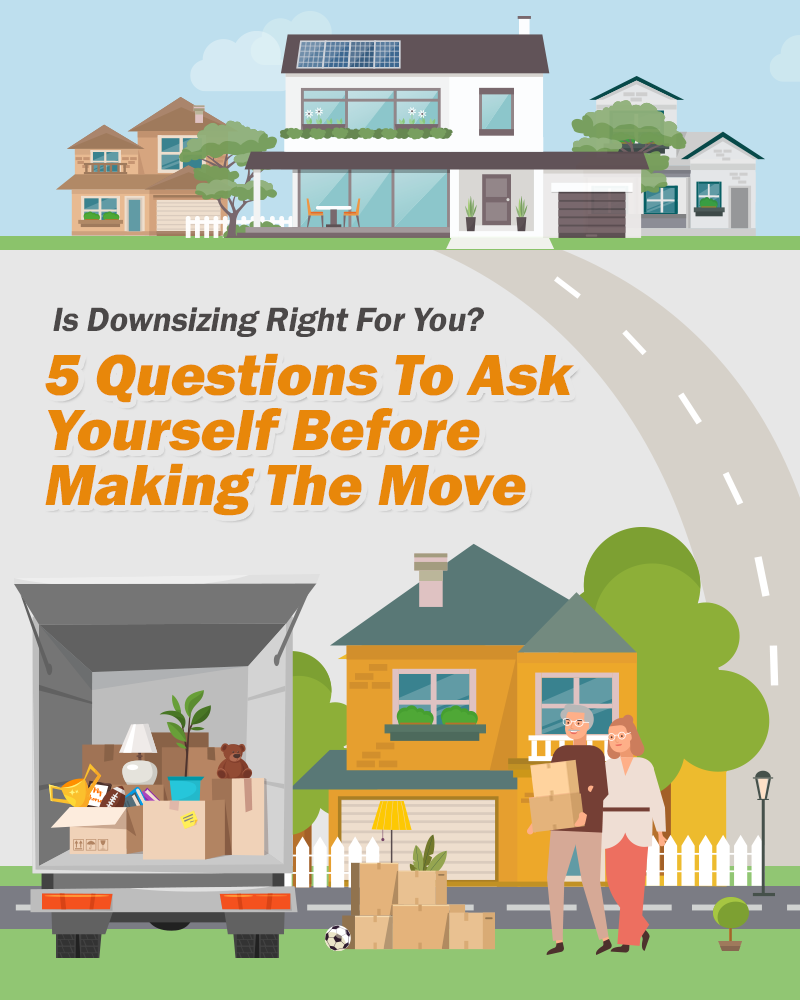
Is Downsizing Right For You? 5 Questions To Ask Yourself Before Making The Move

There’s a host of reasons many homeowners choose to downsize. Perhaps they’re going to retire soon or their kids have already flown the coop. There’s no need for the extra rooms anymore; cleaning and maintaining them can also be costly. Or maybe they’ve looked at their recent electricity bills and thought about how they could save money on utilities. More people are also loving the idea of living more mindfully, and one way to do it is to have a smaller home that’s more manageable and easier to maintain.

No matter your reason, remember that downsizing is a major decision that requires you to carefully consider your situation and expectations. Here are five questions to ask yourself when you are considering the move. Hopefully, your answers will help you prepare for the lifestyle and financial changes waiting for you ahead.

To save money is one of the top reasons why people downsize. If you’ve given serious thought to downsizing, it’s probably one of the things you first looked into. When you are comparing how much you currently pay for your house vs how much you’ll pay for a smaller home, don’t forget to add the usual costs aside from mortgages, such as property taxes, homeowners insurance, utilities, and even maintenance, repairs, and upgrades. You might also need to spend on homeowners association fees if you’re downsizing to a townhouse or condo.

You need to carefully consider these fees because moving into a smaller home doesn’t automatically mean you’ll be saving money. While expenses like utilities and maintenance are relatively cheaper when you downsize, you can also potentially have higher costs of living depending on where you will relocate. Not to mention the additional costs of moving and furnishing your new home. Those household costs can be a huge and significant factor when considering whether downsizing is a better option.


Another thing to think about is: how much will you be able to sell your home for in today’s market? It’s important to look at the overall financial picture instead of underestimating the costs of selling a house. There are expenses like the real estate agent’s commission (unless you decide to “For-Sale-By-Owner” or FSBO), real estate transfer taxes, loan payoffs, home warranty, among others. You might also be required to shell out a decent sum of money for necessary repairs before putting your property on the market, as well as for professional home staging services should you need to attract more buyers.

If you’ve owned your home for many years, you probably gained a lot of equity. This means selling your home could provide you a comfortable nest egg to put towards a smaller, cheaper home while still leaving some money to add to your savings and other future investments. But the difficult scenario is if you sell the home and the amount you receive is less than what you owe on the mortgage. When this happens, you will have to use your own money to make up the difference or risk a short sale. In other words, if you are in a negative equity position towards your home, you might have to put off your plans of downsizing for now and stick to your current house.


It’s essential to figure out the optimal amount of living space that’s perfect for your situation. If your current home provides an ample amount of space needed for your work, hobbies, and completely accommodates the needs of your family, plus the fact that you can afford to stay and maintain it, then downsizing may still be a far-off idea for you.

But if, for example, you’re starting a new chapter of your life where your kids are already older and started moving out, you might not require all of the extra bedrooms. Besides, heating and maintaining the extra rooms can be costly. 

Moreover, think about your outdoor space. If creating a relaxing outdoor retreat or having a lush garden is important to you, it may be difficult to give up. But if maintaining your yard just feels like work, then you might consider moving to a condo or a low-maintenance property. Likewise, don’t forget to evaluate other things such as parking or garage space when you move, especially if you have two vehicles. 

When thinking about the pros and cons of downsizing, also note that an optimal floor plan is critical to maximizing space. There are many smaller houses with a significantly better floor plan, which could be the key to your happiness if you think moving is the right choice for you.


Since you’ll have limited space when you downsize, you also need to deal with lesser stuff. This means paring down your possessions and only bringing the things you need instead of keeping all the things you love. And since letting go of your stuff can be an emotional ordeal, you might want to consider how attached you are to your possessions and whether you can part with many of the stuff you’ve accumulated and loved over the years.

Start by taking into account all of your stuff. If you are adamant about keeping most of it, you may want to consider moving later. Or you can opt to rent out storage space until you can figure out what treasures you want to keep, donate, and even sell. If you think sorting through your belongings can be a nightmare, some businesses can help you with the job. But if you find that going through your old stuff is liberating and it would feel great to dispose of the many things you’re holding onto for no reason, be prepared to come up with a plan so you can properly work out what you can and can’t take with you to your new home.


There’s no hard and fast rule when it comes to downsizing. What may apply to you may not be suited for others, which means you only need to assess yourself and your situation before accomplishing the move. 

Start by considering your feelings. Are you ready to downsize? What are the things you’re looking forward to? If the thought of moving into a smaller home makes you excited because you’ll have extra time relaxing on the patio with your favorite book or drink, instead of cleaning bedrooms you rarely use or maintaining your outdoor space, then you are probably ready to downsize.

While moving into a smaller house has clear advantages, you’ll only realize how small it really is once you start looking, and you may find yourself comparing your potential home to what you’ve grown accustomed to. This is why it’s also helpful to create a list of pros and cons and make sure to carefully evaluate your family’s needs and future plans before you decide.

Bottom Line

This transition is far from easy, so don’t forget that it’s okay to be emotionally overwhelmed. After all, you’re moving from a home that you’ve built over the years to a new, smaller home where you need to adjust everything. Just remember that your goal is to simplify your life and hopefully to save for other bigger things in your life.

Homeowner July 8, 2021

5 Simple but Essential Minimalist Design Tips To Embrace In Your Home

It’s halfway through the year, and you’re probably one of those homeowners who’d already forgotten about their New Year’s resolutions to keep their home more organized. Or you’re a new homeowner who has just packed and moved to a new place and realized you have way too much stuff even if you don’t want to admit it. 

If you’ve made it a mission to embrace a minimalist home interior so you can live simpler, we’ve come up with short but sweet and essential tips and changes that you can apply to your current space. Hopefully, with fewer knick-knacks cluttering your living spaces and weighing down your daily life, it will be easier to beautify your home that will ultimately help you reap the benefits of living better with less. 

1. Minimize clutter and maximize storage.

Perhaps one of the main reasons you’re looking to embrace minimalist home decor is due to the clutter your home has accumulated over the years. And while it can be overwhelming to declutter and redesign your house at once, the key is to start small. Tackle one space or room at a time to make the task more doable. A good rule of thumb is to get rid of surplus stuff and keep only the items that are truly essential and meaningful to you. If you aren’t ready to part with your belongings completely, having optimal storage will allow you to store what you don’t need to avoid clutter from overflowing into your living spaces.

If you’re looking to make a good impression in your kitchen, for instance, check what you display on the shelves, countertops, and tabletops. Stick to essentials only or those you use on a daily basis, then store the rest in the cabinets. A minimalist home makes use of clever storage solutions, such as furniture that can serve multiple purposes (including storage). Once you’ve stowed away most of your things, it’s easier to organize and designate a spot for everything you’ve chosen to display.

2. Play with patterns and textures.

The absence of patterns or colors doesn’t have to deter you from making your space more interesting. You can add a variety of textures, fabrics, and woven elements—materials such as seagrass, rattan, velvet—that will add dimension to the room and make it appear less dull and more comfortable. The different textures and fabrics in your chosen pieces will also bring an added warmth throughout the room without making it overwhelming.

3. Maximize the use of natural light.

Since you’ll be using mostly neutral colors when decorating your minimalist home, lighting can help you play with shades and tones to make your room feel warm and cozy instead of being too stark or unwelcoming. And the best way to do that is to embrace and let in as much natural light as possible. It’s recommended to use breezy, sheer curtains to highlight your windows and bring in a lot of sunlight. If you live in a city where there isn’t much sunlight or that the room lacks a lot of natural light, you can try to think of ways to brighten up your space using different lighting fixtures. Placing a mirror is also a good idea as it will help spread natural light around your space.

4. Decorate with meaning and purpose.

Aside from keeping clutter at a minimum, one of the most important things to remember when trying to embrace a minimalist home design is that everything needs space and purpose. Instead of adorning your house with various items that could end up cluttering your space, choose pieces with intention and limit your decorations to the ones that are most meaningful to you. Using pieces that hold special value or meaning, such as family heirlooms and special photos, brings greater attention and value to you and the ones who are living in the home. If you tend to over-decorate, ask yourself whether you genuinely need the item before filling up the space.

5. Resist the temptation to buy or add more.

Always remember that less is definitely more when it comes to designing a minimalist home. This means the biggest challenge you might have to face is to practice restraint when it comes to buying new items. Before buying anything, ask yourself: “Do I really need this?” “Where will I put it?” Turn down advertisements as much as you can; unsubscribe and unfollow shops that will tempt you with their latest finds or huge sales. Be mindful of online shopping and figure out what makes you really happy in your space.

When you choose quality over quantity, you can set aside your budget for more expensive pieces that will enhance the curated look you want to achieve. Make sure that you also practice restraint when decorating. Knowing when to stop adding something to the space and remembering that every piece in the room should have a purpose will help you enjoy the pared-back aesthetic you’re aiming for.