Uncategorized January 16, 2025

Buyers Want Move-In-Ready Homes in 2025: Here’s What You Need to Know

2025 homebuyers have made one thing clear: move-in-ready properties are their top priority. According to a recent Bright MLS survey, over 56% of prospective buyers say that a home in move-in-ready condition is their highest preference.

If selling is on your horizon this year, understanding buyer preferences can help you prepare your home to attract the right offers. Here’s a closer look at why move-in-ready homes are so appealing and what you can do to meet market demands.

Why Are Move-In-Ready Homes So Desirable?

In a market shaped by high home prices, rising inventory, and elevated mortgage rates, buyers are looking to minimize post-purchase expenses and effort. A move-in-ready home offers several key advantages:

  • No Immediate Repairs or Renovations: Buyers want to settle in without dealing with contractors or DIY projects.

  • Predictable Expenses: Fewer surprise repairs mean better control over their budget.

  • A Smooth Transition: Buyers can enjoy their new home right away, making the move-in experience seamless.

What Buyers Are Willing to Compromise On

While move-in-ready homes are highly desirable, many buyers are realistic about making trade-offs to stay within budget. According to the Bright MLS survey, here’s where buyers are most flexible:

  • Size of the Home: Nearly 75% of buyers are open to purchasing a smaller property if it aligns with their budget or preferred location.

  • Location: Approximately 64% of buyers prioritize affordability and condition over proximity to work, schools, or other amenities.

  • Budget Stretching: Around 39% of buyers are willing to spend more for a home that checks off essential features.

Lisa Sturtevant, Chief Economist at Bright MLS, notes, “Buyers are more likely to compromise on size and location before giving up their dream of a move-in-ready home.”

How to Capitalize on the Move-In-Ready Trend

If you’re preparing to sell, showcasing your home as move-in ready can maximize buyer interest and boost your sale price. You don’t need a full-scale renovation—targeted improvements can go a long way:

  1. Complete Essential Repairs
    Fix obvious issues like leaky faucets, chipped paint, or squeaky doors. These small repairs create a positive impression.

  2. Invest in Cosmetic Upgrades
    Fresh paint, updated light fixtures, and modern hardware in the kitchen or bathrooms can make your home feel refreshed and inviting.

  3. Stage for Success
    Staging helps buyers envision themselves living in the space. Declutter, depersonalize, and arrange furniture to highlight your home’s best features.

  4. Highlight Energy Efficiency
    With 32% of buyers prioritizing energy-saving features, upgrades like better insulation or a smart thermostat can increase your home’s appeal.

What If Your Home Isn’t Move-In Ready?

Not all homes hit the move-in-ready mark—and that’s okay! Many buyers are still open to homes with potential. Showcase strengths like a solid structure, prime location, or unique architectural details. Consider these strategies to sweeten the deal:

  • Offer Repair Credits or a Home Warranty to give buyers confidence about handling future updates.

  • Explore Innovative Selling Options like Zoodealio’s Cash+ Offer, which helps you make improvements without upfront costs and sell for top dollar.

Sell your home the easy way—get a CASH OFFER today!
With Don Reid Properties, skip the stress of showings, repairs, and waiting. 🏡 Curious about what your home could sell for? Let’s talk!
Get your cash offer now.


GeneralHomeownerNew HomeownerSeller January 9, 2025

Should You Sell or Stay? How Home Equity Can Help You Decide in Richmond, VA

If you’re a homeowner in Richmond, VA, you’ve likely watched your home’s value rise significantly over the past few years. With record-high homeowner equity, many are sitting on what feels like a financial windfall. As the 2025 housing market evolves, the question looms: Should you sell your home and capitalize on your equity, or stay put and make the most of your investment?

Here’s how understanding your home equity can guide your next steps in today’s real estate market.

What Is Home Equity, and Why Does It Matter?

Home equity is the difference between your home’s current market value and the remaining balance on your mortgage. For example, if your home is valued at $450,000 and your mortgage balance is $200,000, your equity totals $250,000.

According to the latest Homeowner Equity Insights Report from CoreLogic, U.S. homeowners gained $425 billion in equity over the past year, a 2.5% year-over-year increase. While 2025 is expected to bring slower equity growth, homeowners still have substantial opportunities to leverage this valuable financial resource.

Should You Sell Your Home in 2025?

Selling your home can be a strategic move if you want to:

1. Cash In on Significant Equity Gains

Home prices surged 50% from 2019 to 2024, with median prices rising from $272,100 to $409,000. By selling now, you can convert equity into cash to fund a new home purchase, pay off debt, or invest in other ventures.

2. Downsize or Relocate

If your current home no longer suits your lifestyle, your equity can help you afford a more fitting space. Whether you’re downsizing to save on expenses or relocating within or beyond the Richmond, VA area, your equity provides financial flexibility.

3. Avoid Potential Market Shifts

While CoreLogic projects a modest 2.3% home price increase in 2025, rising inventory and affordability challenges could affect future equity. Selling sooner rather than later may help you maximize your profit.

Should You Stay?

Staying in your home might be the right decision if you:

1. Want to Continue Growing Equity

Even with slower appreciation, regular mortgage payments and modest price gains still build equity over time, contributing to your long-term financial stability.

2. Plan to Access Equity Strategically

Consider using a home equity loan or home equity line of credit (HELOC) to fund renovations, consolidate debt, or meet other financial goals. These products typically offer lower interest rates than personal loans or credit cards.

3. Prefer Stability

If you love your current home and neighborhood in Richmond, staying put allows you to maintain stability while your property continues to appreciate in value.

Key Questions to Ask Yourself

When deciding whether to sell or stay, consider:

  • What are my financial goals? Do you need immediate cash, or do you prefer long-term wealth building?

  • What is the market like in Richmond, VA? Housing trends vary by region. Consulting a local expert from Don Reid Properties can help you assess your home’s value.

  • What are the costs of moving? Don’t forget to account for closing costs, moving fees, and potential changes in mortgage rates when buying a new home.

Make a Confident Move with Don Reid Properties

Whether you choose to sell or stay, your home equity is a powerful tool. Selling can provide immediate financial freedom, while staying offers ongoing equity growth and stability. Ready to explore your options? Contact Don Reid Properties today to receive a personalized home equity report and expert guidance on Richmond’s dynamic real estate market.

Visit Don Reid Properties or schedule a consultation at TODAY. Let us help you turn your homeownership goals into reality!

Buyer December 27, 2024

Buyers, Here’s Your Guide to Make Your Homeownership Dream Alive in 2025 [PART 2]

Planning to buy a home in 2025? With only a few days left ‘til the new year, it may seem like an extremely distant and daunting goal. But the good news is that you still have the whole year ahead of you, which means you can take it step by step. Getting started today is already a huge feat, so here’s a comprehensive guide that you can use to navigate through this journey toward your homeownership dreams.

Building up your savings is a fundamental part of your home-buying journey. Whether you’re purchasing next year or in the next few years, you’ll need funds for things like down payment, closing costs, maintenance costs, and even moving expenses. Once you’re done evaluating your finances, create a plan to save up for what you need. Here are some things you can do:

  • Create a dedicated savings account and automate savings.

Having a separate savings account can help you stay organized and focused. You can track your progress and won’t be tempted to use your funds for other expenses. Consider setting up a high-yield savings account or a money market account to earn interest on your savings. 

  • Set a down payment goal.

Before you can take out a mortgage, you’ll have to put down some of the cost upfront since a bank won’t loan you the full purchase price. This is why the down payment is often the biggest hurdle for many first-time home buyers. Your down will be a percentage of the total purchase price, and it’s typically paid in cash at the closing of the transaction. There are multiple factors to consider when deciding how much to save for a down payment, such as your price range for the home and the programs you qualify for.

  • Consider ways to increase your income.

You might want to look for opportunities to make more money that you can put directly into your house fund. It could be asking for a raise at your company, moving into a new role with a better income, or picking up part-time jobs, freelance opportunities, consulting jobs, or side gigs that align with your skills and interests. And if you happen to have some tax refund or bonus at work, use the money to boost your savings and reach your goals faster.

Saving up for a house can be pretty intimidating, but it doesn’t mean sacrificing everything fun in your life. With a combination of strategy, discipline, and smart financial planning, it isn’t impossible to reach your savings goal that will help achieve your homeownership dreams.

Homeownership comes with a lot of expected and unexpected expenses that many first-time home buyers may not fully anticipate. When setting a realistic monthly budget for a home, here are some things to include:

Before the home purchase:

  • Down payment

  • Closing fees and other legal costs. Which typically range from 2-5% of the property’s purchase price. Closing costs usually include attorney fees, title fees, as well as inspection and appraisal fees.

After the home purchase:

  • Monthly mortgage payments, which is recommended to keep at or below 25% of your after-tax income to stay on solid financial ground.

  • Home Insurance

  • Property taxes

  • Homeowners association fees, if applicable

  • Utilities

  • Regular maintenance, such as lawn/yard care and seasonal upkeep

  • Unexpected repairs, such as broken appliances, damaged windows, etc.

No matter how exciting, buying your first home is a complicated undertaking. Would you want to risk your hard-earned money and your sanity going through the process alone? Building a team of knowledgeable and reliable professionals can make all the difference. Here are some of the people you need in your corner to help you streamline the process and avoid unpleasant surprises down the road.

  • Real estate agent

Working with a local and experienced real estate agent can make the home-buying process less daunting. They can provide valuable insights into the housing market, share information about your target neighborhoods, negotiate deals on your behalf, and guide you through the complex paperwork. Look for an agent who knows your preferred areas inside and out, understands your needs and unique circumstances, and has a solid track record of helping first-time buyers in your price range. 

  • Mortgage lender

Connecting with a trusted mortgage advisor will help you understand your financing options and give you a clear understanding of your buying power. Your lender will also help you track the best mortgage rate trends and explore tools to keep your mortgage payments manageable. A pre-approval letter from your lender also provides you with a clear estimate of how much you can borrow and shows that you’re a serious buyer.

  • Home inspector

Hiring an inspector who will thoroughly inspect the property’s condition will make sure that you can protect yourself from hefty expenses caused by unseen major repairs. They can easily uncover any hidden issues related to structure, electrical, or plumbing. The inspection results can help you and your realtor negotiate with the seller to either cover the costs of repairs, lower the home’s purchase price, or simply walk away from the transaction if the home is found to have some serious structural problems.

Other professionals that you may need in your team include: a financial advisor who will ensure you’re prepared for the financial responsibilities of homeownership, a home appraiser who will determine the value of the property for sale, and a real estate attorney who will review documents and agreements carefully for your peace of mind.

Finally, remember that any significant milestone in your life requires time and patience, including your journey to homeownership. Remember to set realistic expectations while staying committed to your goals. Be prepared for the ups and downs of the process, especially if you’re in a competitive market where bidding wars are common and your offer might get rejected. Avoid rushing into a decision and trust that the right property that fits your needs and financial capability will eventually come along.

Buyer December 26, 2024

Buyers, Here’s Your Guide to Make Your Homeownership Dream Alive in 2025 [PART 1]

Planning to buy a home in 2025? With only a few days left ‘til the new year, it may seem like an extremely distant and daunting goal. But the good news is that you still have the whole year ahead of you, which means you can take it step by step. Getting started today is already a huge feat, so here’s a comprehensive guide that you can use to navigate through this journey toward your homeownership dreams.

Buying a home is one of the biggest and most significant financial decisions you will ever make. This is why it’s critical to ensure that your finances are in order. Homeownership is already complex as it is, so you need to have a clear understanding of your current financial status before buying. Here are some things to consider:

  • Assess your savings and see if you have an emergency fund in place.

Start by evaluating your current finances, including your sources of income and savings. List down your after-tax income, cash savings, investments, and inheritances, making sure to leave out your retirement account. Ensure that you also have an emergency fund in place, which is recommended to be three to six months’ worth of living expenses to cover any unexpected costs. 

  • Track your spending habits.

Tracking your expenses gives you a clearer picture of how you’re spending your money. Are you still paying for an unused gym membership? Are there any subscriptions you’re not getting your money’s worth? Have you been spending more on restaurant meals recently instead of cooking at home? When you closely monitor your fixed expenses as well as discretionary spending, you’ll be able to avoid impulse purchases and instead allocate the extra money towards your goal.

  • Keep an eye on your credit score.

If you still aren’t keeping an eye on your credit score, now is the time to start. Your credit score is one of the foundations of buying a home as it can make or break your ability to get a mortgage. The stronger it is, the easier it will be for you to secure the best mortgage rates. Conventional loans often have a minimum credit score requirement of 620 or higher. On the other hand, programs like FHA loans may allow for lower scores. To prepare for a successful home purchase, it’s essential to boost your credit score in advance. Here are some steps you can take to strengthen your credit:

  • Review your credit report from all three major bureaus (Experian, Equifax, and TransUnion) to ensure there are no errors. Dispute any inaccuracies as soon as possible as any mistake can harm your report.

  • Pay all your bills on time.

  • Pay down credit card balances and other high-interest loans to improve your debt-to-income ratio.

  • Avoid opening new lines of credit while preparing for your home purchase.

  • Understand market trends in your target area

Housing markets vary greatly. Some areas lean toward buyers, while others remain as seller’s markets. In many areas, the housing market slows in the winter months and picks up in the spring and summer. This means that buying a home during off-peak seasons may give you more negotiating power while purchasing during peak seasons can increase competition. Understanding where your market stands can help you recognize opportunities and make informed decisions.

  • Monitor interest rates

During your prospective purchase period, any potential changes in interest rates and housing costs could directly impact your purchasing power and monthly payments. Interest rates are still unpredictable, so it’s important to monitor them over time. If rates seem favorable, it may be worth locking in your rate sooner rather than later. 

Just remember that the perfect time to buy is when the home fits your needs, lifestyle, and budget, regardless of whether rates are up or down. You have the option to refinance later if rates improve.

Home loan programs aren’t one size fits all. As a first-time home buyer, you’ll want to explore your options. Start by researching the different types of mortgages and loan programs available, as each loan type comes with its own benefits and requirements. Here are a few of them:

  • Conventional loans are great if you have a solid credit score and sufficient savings as they typically require a 20% down payment but offer competitive interest rates.

Government-backed loans such as:

  • FHA loans are geared toward borrowers with lower credit scores or smaller down payments.

  • USDA loans often require no down payment and are perfect for rural and suburban buyers.

  • VA loans are low or zero-down payment mortgage options perfect for eligible veterans, active-duty military members, and their surviving spouses.

  • Other kinds, such as fixed-rate mortgages, adjustable-rate mortgages, jumbo loans, among others.

Understanding the various types of mortgages is essential so you can sort through your options and find the one that best fits your needs and financial situation. 

First-time home buyers often qualify for special benefits and programs, including lower minimum down payment, special grants, assistance with paying closing costs, tax credits, and other valuable resources to make homeownership more affordable. They may be available through the state, county, and city governments, so it’s always worth checking to see the specific offerings available in your desired area. 

A quick web search will help you find specific sources of government help. If you want to take it a step further, contact your state or county housing authority. You may also reach out to your local government office and check if there’s any housing assistance department.

[To be continued…]

BuyerNew HomeownerRenter December 11, 2024

Unlock Your Path to Homeownership with Down Payment Assistance Programs

Unlock Your Path to Homeownership with Down Payment Assistance Programs

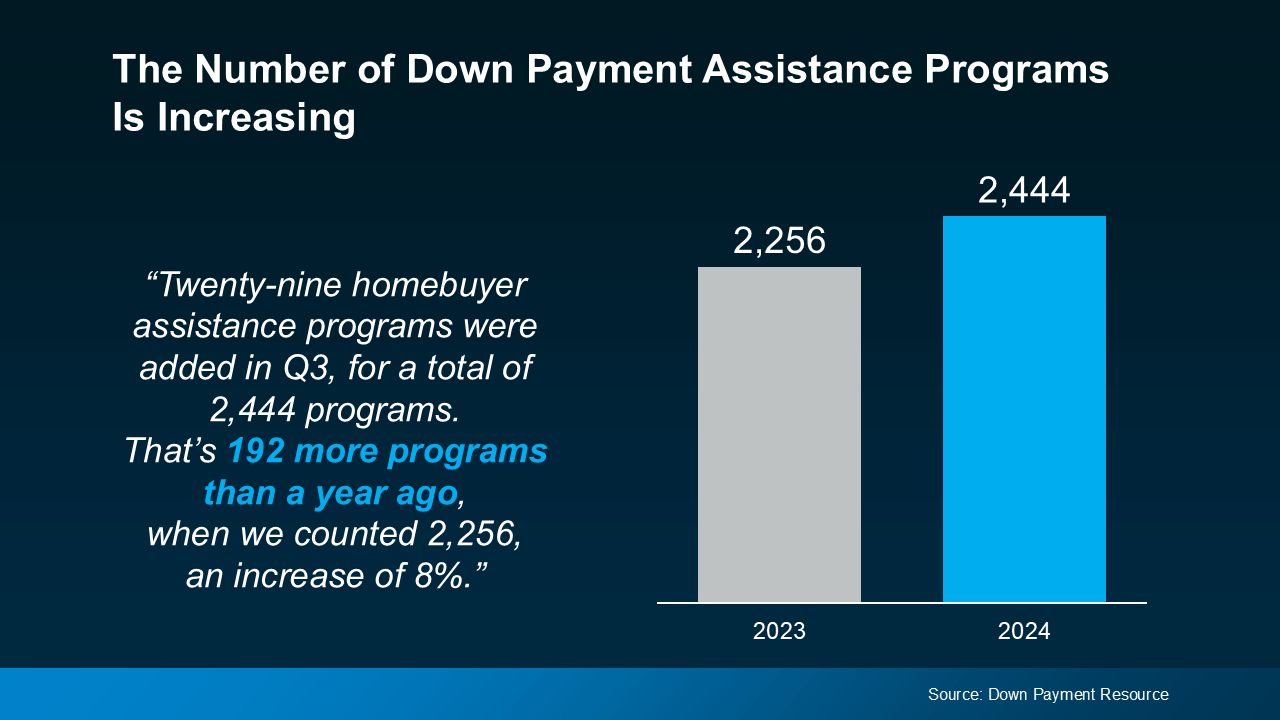
With rising home prices and fluctuating mortgage rates, the dream of homeownership might seem out of reach for many. But here’s some good news: the number of Down Payment Assistance (DPA) programs has grown significantly, providing more opportunities than ever to make homeownership a reality.

If you’ve been saving for your first home or thinking about upgrading, it’s time to learn how these programs can benefit you.

A Surge in Assistance Programs: What It Means for You

Recent data from Down Payment Resource shows a sharp increase in the number of DPA programs. This means more resources are now available to help buyers like you achieve their homeownership goals.

Here’s why this matters:

  • Substantial Financial Support: The average benefit from a DPA program is approximately $17,000. Imagine receiving this kind of boost toward your down payment or other homebuying costs!

  • Expanded Eligibility: While many programs target first-time or first-generation homebuyers, the growing variety now includes options for manufactured homes, multi-family properties, and affordable housing initiatives.

  • Easier Access to Homeownership: With the rising cost of living, these programs can significantly reduce your financial burden, making your dream home attainable.

How Down Payment Assistance Can Work for You

According to Rob Chrane, Founder and CEO of Down Payment Resource:

“We are pleased to see a growing number of these programs, and think they are becoming a targeted way to help first-time and first-generation homebuyers struggling to save for a down payment get into a home they can afford.”

Whether you’re a first-time buyer or someone looking for an affordable housing option, DPA programs are designed to bridge the gap between your savings and what’s needed for a down payment.

With an average benefit of $17,000, these programs can:

  • Jump-start your homeownership journey.

  • Help offset the rising costs of homes and mortgage rates.

  • Provide opportunities for a broader range of buyers, not just first-timers.

Why Expert Guidance Matters

Navigating the world of DPA programs can feel overwhelming, but you don’t have to do it alone. Real estate professionals and loan officers are your best allies when it comes to identifying and accessing the right program for you.

The Mortgage Reports emphasizes the importance of consulting with experts:

“The best way to find down payment assistance programs for which you qualify is to speak with your loan officer or broker. They should know about local grants and loan programs that can help you out.”

A knowledgeable real estate agent can connect you with resources tailored to your area and situation. At Don Reid Properties, we specialize in guiding clients through every step of their homebuying journey. From identifying suitable programs to closing on your dream home, we’re here to help.

Get Started Today

With more DPA programs available than ever, now is the time to explore your options and take a step closer to owning your dream home. Whether you’re a first-time buyer or exploring affordable housing options, Don Reid Properties is here to support you.

Take Action Today:

  • Contact our team for a personalized consultation.

  • Explore down payment assistance programs that fit your needs.

  • Start your journey to homeownership with confidence.

Bottom Line

Down Payment Assistance programs are transforming the real estate landscape, making homeownership achievable for more people. Let Don Reid Properties help you navigate these opportunities.

👉 Ready to take the first step? Schedule a free consultation with us today to find the best program for your needs!

📞 Call us now at (804) 929-4475 or 📅 Schedule a Consultation.

Let’s turn your dream of owning a home into reality!

Uncategorized December 6, 2024

What You Should Know About Buying or Selling A Home in Winter

From December to February, the real estate market is at its slowest due to the holidays and the cold weather in many regions. But according to the National Association of REALTORS®, over 11,300 existing homes and 1,600 new homes are sold per day on average from December to February. 

That’s still a lot of houses! The winter months certainly provide a different set of challenges and complexities compared to the peak-selling season of spring and summer, but they do have several benefits. Sellers can take advantage of the less competition in the market during this period, while buyers have more negotiating power as homes stay longer on the market. Here are some things you should know about buying or selling a home in winter so you can take advantage of the season’s unique upsides.


For Sellers:

You’ve probably heard that winter is a tough time to sell a house. Traditionally, it was. Fewer people were looking to sell in the winter months because in many regions, the weather is not as nice and it’s difficult to improve a home’s curb appeal. 

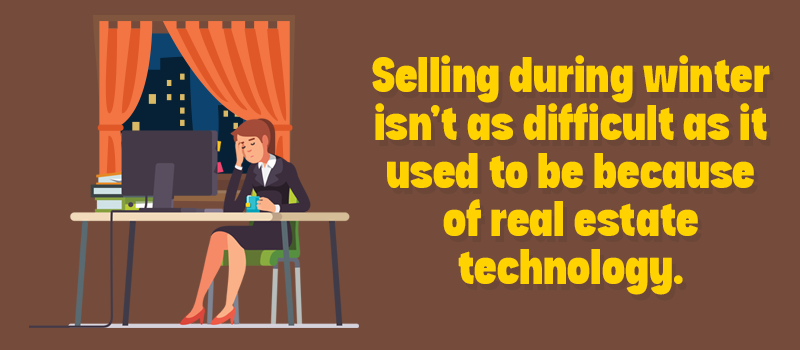
However, this has become less of an issue due to the widespread use of real estate technology. The seasonality of house sales has become less of a concern since there are home-buying apps and virtual home tours now available. Even if the weather’s cold, buyers can now view the home from their computer or mobile device so they can get a good insight into the property. Online property portals also provide a platform for endless images and videos of a listing. Video messaging apps, such as Skype, Messenger, or FaceTime, also make it easier now for real estate agents to carry out live tours and Q&A sessions regarding the property.

Of course, virtual tours can never replace in-person visits. After all, buying a home is a huge commitment so serious buyers will still want to visit the home at some point. But because of these tools, the winter months are no longer as difficult a time of year to sell a home.


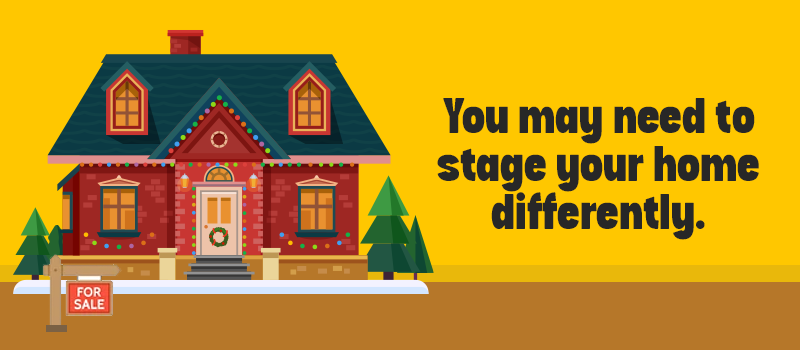
Staging is a crucial element when selling your home. To specifically appeal to winter buyers, you may need to make small but effective changes to make your home stand out. Here are a few tips to make your home as inviting as possible for a showing:

  • Ensure that your home is well-lit. Since a home will appear darker and less appealing in winter, lighting goes a long way to make your home seem welcoming. Bring in as much natural light as you can by pulling all the curtains to the side of the window. To better accommodate viewings after dark, brighten your home’s exterior by having plenty of porch lights, decorative lanterns on walkways, and attractive side lighting to create a warm glow. 

  • Make sure the holiday decorations do not overpower the space. If you’re selling around the holiday and have put up decorations, keep it simple. If you’re selling once the holidays are over, carefully consider your displays so your house won’t show wreaths and reindeers in the middle of January.

  • Avoid showing a winter wonderland. Snow looks great in photos, but buyers would want to see details of the property, not a blanket of snow. Have photos of your home in clear weather for buyers to see.



During the busy spring and summer months, many people attend open houses without a clear plan to buy. In winter, though, it’s different. If anyone is looking at your property for sale this time of the year, chances are that person is serious and ready to buy. They’re breaking away from their hectic holiday schedule or spending their time off attending house showings despite the freezing weather. These winter buyers could be working against a deadline, whether it’s a job relocation by the start of the year or an expiring lease on their current home. They may also be trying to snag some tax breaks before the end of the year.


For Buyers:

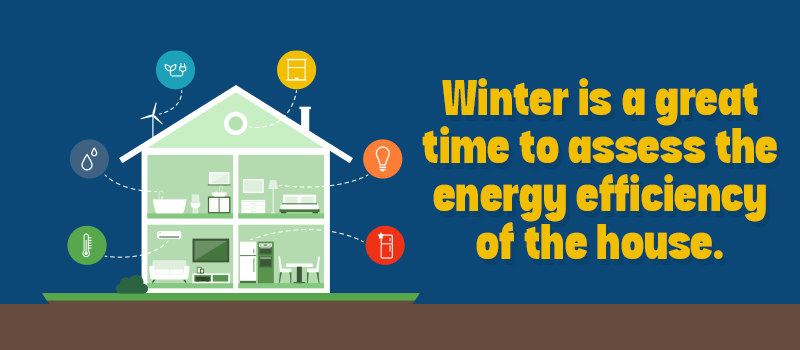
This is probably one of the major advantages of buying a home in winter. It’s a great time to see how energy-efficient the home is, especially in parts of the country where winters can be harsh. Savvy buyers are more interested in seeing the property when the weather is at its worst. Because when buying a home in the spring and summer, it might not even cross your mind to evaluate the efficiency of the insulation, windows, fireplace, furnace, and water heater. These are essential considerations, though, especially if you want to cut energy costs during colder months.


It’s a fact that fewer people put their homes up for sale during the winter, which means a lower inventory. But at the same time, winter can be advantageous to you as a buyer since there is less competition from other prospective buyers. There’s less movement and it’s less busy, making the whole process a little less stressful for you. Moreover, you can have more negotiating power since sellers may be more motivated and willing to accept offers. These motivated sellers might also be willing to offer you off-season discounts and negotiate on all other terms, including the closing date.


If you close on your home purchase on or before December 31st, you can enjoy some tax deductions for mortgage interest, property taxes, and interest costs of the loan. If this is one of the reasons you’re aiming to make a move during the holidays, make sure you consult your trusted real estate agent and a tax professional to fully understand and take advantage of the tax benefits associated with homeownership.


For Buyers and Sellers:

Whether you’re selling or buying a home, having a trusted and knowledgeable real estate agent by your side can make a huge difference in your real estate journey. During peak home-selling seasons, though, their schedules can get crazy. So even the best real estate agents can have a challenging time in providing their undivided attention to dozens of clients. 

With fewer listings on the market in the winter, agents have more time to provide you with personalized support during your house hunting or home selling. They will also have more time to arrange showings, host viewings, assist with market research and pricing, and help you negotiate the best deal for you.

Buyer November 19, 2024

Pros and Cons of Buying A Home Near A School

During house-hunting, it isn’t just the house itself that you have to consider. The property’s location still plays an important role, especially its surrounding areas and the neighborhood. A home’s proximity to a school will likely be one of the many factors you consider, whether or not you have children. 

If you’re interested in a home near a school, you should understand how it might affect your day-to-day living situation. With school in session 180 days a year, you should weigh the advantages and disadvantages before deciding. To help with your homework, here are some pros and cons to consider before buying a home near a school.

PROS

School drop-off and pick-up can get chaotic and dreadful. The line of cars moves slowly, wasting so much of your time, especially during mornings. Just as you’d factor in a work commute, if you have children, you should also consider how long the car line will take when dropping them off at school. While the school bus can also be a convenient option, it may mean that your kids need to get ready early so they won’t miss it. Living close to their school means you can skip the drive and just walk, getting that much-needed exercise as a huge bonus. Your mornings will be easier and faster, and your kids can get home quickly after a school day.


Schools prioritize safety. Many schools have tight security measures around their campuses. Police and local law enforcement also have a more active presence near schools and surrounding neighborhoods. If you’re a home buyer who is looking for a safe community, living near a school or within a school district can be beneficial for you. Of course, this might not apply to every single community, so don’t forget to check the local crime maps to verify information about neighborhood safety in general.


Schools, especially in small towns, usually have a track or a playground that can be accessed after the school day ends. Even if the children don’t attend school, they could play at the school park just like they would at a public park. This could include swings, monkey bars, basketball courts, and track and field, among others. It’s a great resource to have close to your home since it encourages your kids to spend time outside and be active. Just do your homework before choosing a home based on this information since larger school districts often set their school grounds off-limits to the general public.


Schools also promote a sense of community, often providing social activities for children and adults alike. Weekend community markets, craft fairs, and sporting events are just some of the things you could look forward to participating in and enjoying when a school is near your home. In small neighborhoods, schools also serve as community centers in addition to providing educational services, so you can expect to see adult education classes or club activities post-school hours.


Expect that homes near what is considered a good or excellent school district have a higher price tag when you buy. If the house is within walking distance of the school, it’s even more desirable to parents and families and often has a higher resale value.

CONS

One of the biggest issues when it comes to living near a school is limited street parking. Unless there’s a large parking lot on the campus, school staff, parents, and students might park all along the street during the school day or special events in the evening. When house-hunting, you might want to look for a home with a spacious driveway or prepare to be amenable when the majority of people park on the street.


Let’s face it: schools are noisy. Living near a school can expose you to all kinds of noises—loud cheers during sporting practices, PA system broadcasts, and band practices, among others. Living right next door or across the street means noise can be a nuisance, so don’t forget to factor in noise when looking for a home near a school.


Similar to parking issues, living near a school can mean dealing with heavy traffic. Expect idling cars of parents or guardians, buses shuttling kids to and from school, and traffic issues during special events such as plays, sports games, and parent-teacher conferences. Car crashes are also frequent since many students new to driving are more likely to have accidents. So before buying a home near a school, consider traffic and assess whether it’s a dealbreaker for you. You might need to plan before running errands or visiting places so you won’t get stuck on the road during the school’s rush hours.


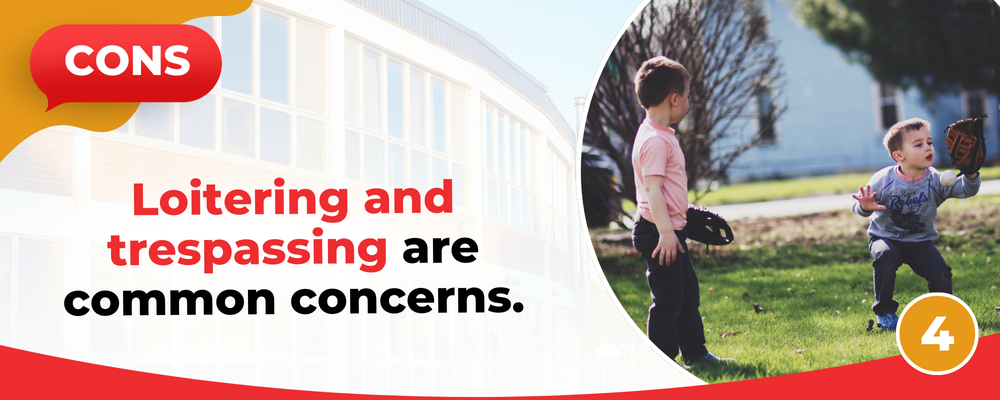
Last but not least, living near a school means you’ll see a large volume of children all over the neighborhood, especially during after-school hours. The problem is that some kids might even loiter or trespass on your yard, sometimes unintentionally since they might not yet understand that they should keep off other people’s property.


Bottom line

As with any location, living near a school or within a school district has its pros and cons. Can you tolerate the noise levels and prioritize safety for your kids? Will you be okay even if there isn’t enough parking space? Do your homework and weigh all of the pros and cons carefully before making your decision.

GeneralHomeowner November 1, 2024

Think Your House Is Haunted? Here’s What’s Really Going On and How to Fix Those Spooky Problems

Something is creaking on the topmost floor, and yet you all know that no one’s there. Why did your door slam shut seemingly by itself? Could ghosts be causing your lights to flicker? You love your home, but it seems to be producing a variety of creepy and unexplainable noises. Sometimes, experiencing only one or two things is enough to suspect your house might be haunted.

And since it’s Halloween, it’s easier to think that there must be some supernatural connection to these eerie property issues. But before you get the jitters, chances are that a lot of these ‘hauntings’ and happenings have not-so-scary reasons as to why they occur. Here’s a look at some of the most common issues in your home that may be causing the hair on the back of your neck to rise, and a few simple fixes to ease your mind.


Spooky problem #1: Flickering lights

Are the lights in your home turning on and off at random times? It’s easy to regard this as a paranormal phenomenon, especially if you’re home alone and need to go to the bathroom in the wee hours of the morning. But rather than ghosts or ghouls causing this unearthly scene, the flickering is most likely due to faulty wiring, loose bulbs, or fluctuating voltage. 

In older houses, flickering lights were almost expected since electrical wiring wasn’t always up to modern standards.

The fix: There could be a dozen reasons why lights flicker, and many of them can be dangerous. You could do some minor fixes, such as making sure you installed the correct bulb with proper wattage or that the bulb is tightened properly. And instead of calling an exorcist, get a licensed electrician to inspect your property. Depending on the age of your home and whether there have been any electrical upgrades performed, you may have knob and tube wiring which can become loose or damaged over time, a defective switch, or an overloaded circuit — all of which should be handled only by a professional to ensure that your home is up to code.


Spooky problem #2: Creaking floors

It’s the middle of the night and you’ve stopped whatever you’re doing to listen closely. It’s that creepy creaking noise! No wonder you’ve got goosebumps. But several potential factors could be the reason for your home’s creaking floors. The paranormal, fortunately, or unfortunately, isn’t one of them. Creaking spots are common on hardwood, laminate, vinyl, or even carpeted floors. The change in weather in regards to humidity and cold can cause your substructure to expand and contract seasonally. 

Likewise, sounds that resemble footsteps can be due to the settling noises in the structure, which are common occurrences in homes with larger open spaces or attics. An improperly fastened subfloor can also cause creaks when you walk over areas where screws or nails may have loosened or possibly were not fastened correctly.

The fix: Hiring a handyman or a carpenter is your best bet to fix the problem. Since your floor joists can buckle and twist due to weather or settling, you may require joist bridging to help eliminate the twisting and causing further issues which result in more creaks.


Spooky problem #3: Cold spots in certain areas

Cold spots don’t automatically mean there’s a ghost nearby or a spirit passing by. Cold spots are common, especially in older and multilevel homes. They may be due to insulation not being properly installed, is actually nonexistent, or was damaged in some way. Or it could be due to some gaps or cracks in windows or siding that are letting in more air, causing a cold spot or draft. 

The fix: There are several ways to eliminate cold spots. You may add insulation and seal any gaps under doors and windows by using caulk or weatherstripping. If there’s an issue with your HVAC system itself, an expert will be able to offer solutions to fix it.


Spooky problem #4: Doors that open or close on their own

Whether or not you believe in the supernatural, doors that would slowly creak open on their own feel like a scene from any horror movie. Rest assured, it’s only normal because as the house begins to settle over time, the door frames can become unlevel and out of plumb. This can cause the weight of the door to close or open on its own.

The fix: To stop being haunted by a door that’s opening and closing by itself, it’s better to bring in a qualified carpenter to align the hinge and fix the issue, especially if you can’t DIY.


Spooky problem #5: Scratching inside the walls and/or in the basement

Hearing scratching noises and scurrying at night? It can be terrifying, yes. But with the colder months just around the corner, the more plausible explanation is that there may be critters in your wall. Animals such as rats, squirrels, and even skunks and raccoons, can find their way into your home through openings in your crawl spaces and cause a variety of problems. Moreover, the bacteria from their wastes and/or carcasses can become airborne and cause toxic health hazards.

The fix: Unfortunately, calling Ghostbusters in this kind of situation isn’t gonna help. Depending on what critter is involved, a pest- or animal-control service may be what you need. You can also mitigate the problem by investigating and sealing off possible entry points with a metal screen or wood. Clean your backyard and garage, keep your garbage cans clean and tidy, and make sure pet food and birdseed are stored in gnaw-proof containers.

GeneralHomeowner November 1, 2024

Think Your House Is Haunted? Here’s What’s Really Going On and How to Fix Those Spooky Problems

Something is creaking on the topmost floor, and yet you all know that no one’s there. Why did your door slam shut seemingly by itself? Could ghosts be causing your lights to flicker? You love your home, but it seems to be producing a variety of creepy and unexplainable noises. Sometimes, experiencing only one or two things is enough to suspect your house might be haunted.

And since it’s Halloween, it’s easier to think that there must be some supernatural connection to these eerie property issues. But before you get the jitters, chances are that a lot of these ‘hauntings’ and happenings have not-so-scary reasons as to why they occur. Here’s a look at some of the most common issues in your home that may be causing the hair on the back of your neck to rise, and a few simple fixes to ease your mind.


Spooky problem #1: Flickering lights

Are the lights in your home turning on and off at random times? It’s easy to regard this as a paranormal phenomenon, especially if you’re home alone and need to go to the bathroom in the wee hours of the morning. But rather than ghosts or ghouls causing this unearthly scene, the flickering is most likely due to faulty wiring, loose bulbs, or fluctuating voltage. 

In older houses, flickering lights were almost expected since electrical wiring wasn’t always up to modern standards.

The fix: There could be a dozen reasons why lights flicker, and many of them can be dangerous. You could do some minor fixes, such as making sure you installed the correct bulb with proper wattage or that the bulb is tightened properly. And instead of calling an exorcist, get a licensed electrician to inspect your property. Depending on the age of your home and whether there have been any electrical upgrades performed, you may have knob and tube wiring which can become loose or damaged over time, a defective switch, or an overloaded circuit — all of which should be handled only by a professional to ensure that your home is up to code.


Spooky problem #2: Creaking floors

It’s the middle of the night and you’ve stopped whatever you’re doing to listen closely. It’s that creepy creaking noise! No wonder you’ve got goosebumps. But several potential factors could be the reason for your home’s creaking floors. The paranormal, fortunately, or unfortunately, isn’t one of them. Creaking spots are common on hardwood, laminate, vinyl, or even carpeted floors. The change in weather in regards to humidity and cold can cause your substructure to expand and contract seasonally. 

Likewise, sounds that resemble footsteps can be due to the settling noises in the structure, which are common occurrences in homes with larger open spaces or attics. An improperly fastened subfloor can also cause creaks when you walk over areas where screws or nails may have loosened or possibly were not fastened correctly.

The fix: Hiring a handyman or a carpenter is your best bet to fix the problem. Since your floor joists can buckle and twist due to weather or settling, you may require joist bridging to help eliminate the twisting and causing further issues which result in more creaks.


Spooky problem #3: Cold spots in certain areas

Cold spots don’t automatically mean there’s a ghost nearby or a spirit passing by. Cold spots are common, especially in older and multilevel homes. They may be due to insulation not being properly installed, is actually nonexistent, or was damaged in some way. Or it could be due to some gaps or cracks in windows or siding that are letting in more air, causing a cold spot or draft. 

The fix: There are several ways to eliminate cold spots. You may add insulation and seal any gaps under doors and windows by using caulk or weatherstripping. If there’s an issue with your HVAC system itself, an expert will be able to offer solutions to fix it.


Spooky problem #4: Doors that open or close on their own

Whether or not you believe in the supernatural, doors that would slowly creak open on their own feel like a scene from any horror movie. Rest assured, it’s only normal because as the house begins to settle over time, the door frames can become unlevel and out of plumb. This can cause the weight of the door to close or open on its own.

The fix: To stop being haunted by a door that’s opening and closing by itself, it’s better to bring in a qualified carpenter to align the hinge and fix the issue, especially if you can’t DIY.


Spooky problem #5: Scratching inside the walls and/or in the basement

Hearing scratching noises and scurrying at night? It can be terrifying, yes. But with the colder months just around the corner, the more plausible explanation is that there may be critters in your wall. Animals such as rats, squirrels, and even skunks and raccoons, can find their way into your home through openings in your crawl spaces and cause a variety of problems. Moreover, the bacteria from their wastes and/or carcasses can become airborne and cause toxic health hazards.

The fix: Unfortunately, calling Ghostbusters in this kind of situation isn’t gonna help. Depending on what critter is involved, a pest- or animal-control service may be what you need. You can also mitigate the problem by investigating and sealing off possible entry points with a metal screen or wood. Clean your backyard and garage, keep your garbage cans clean and tidy, and make sure pet food and birdseed are stored in gnaw-proof containers.

Seller October 21, 2024

Got What It Takes To Sell Your Home? Here Are 6 Habits of Successful Home Sellers

Selling a home can be a complex and stressful process. Even in the best market conditions, whether you’re a seasoned pro or a first-time home seller, reset your expectations and adjust your sales strategy accordingly to get your home sold for the price and terms you want. 

This guide outlines six of the best habits of highly effective home sellers. However crazy the real estate market gets, you can adapt these practices—from being proactive in maintaining your home to having the right mindset—to help achieve your goals and sell your home at the best possible price.


One of the best habits successful home sellers have in common? They hire a good, reputable realtor. Not only do real estate agents have the knowledge and experience necessary to help you with all the key points of the sale. They also have the network and tools to boost your home’s marketability.

Even if you think you understand the complicated process of home-selling and have the talent to go the FSBO (For Sale By Owner) route, you must still be familiar with the laws and regulations of the real estate industry. Having a listing agent by your side to answer any questions, set the right price for your home, vet offers, avoid wire fraud, and negotiate deals on your behalf will ensure you avoid pitfalls and/or unexpected headaches. Successful sellers recognize what a realtor could bring to the table. You don’t go to war without wise guidance, after all.


One of the biggest temptations when selling your home is to list it “as is,” which means the property is being listed in its current state without making any repairs. But putting your home in the market “as is” can seriously limit your pool of potential buyers. Aside from the fact that your home might not get the first good impression that is critical to a successful home sale, buyers might not be able to secure financing if the property is in poor condition. 

While you might not want to invest a lot of time or money into your home, it’s best to address essential repairs and prep it before selling. The cheapest thing you can do is to schedule a deep cleaning and decluttering. Then, take care of any necessary repairs and touch-ups, like fixing that hole in the screen door or refreshing your carpets. Be proactive in ensuring your home is in tip-top condition so you can present your home in the best light possible to attract offers, especially in a slow housing market.


Setting a realistic price that aligns with the current market is crucial in securing a home sale. If the home is overpriced, you can lose out on a lot of potential buyers and lose precious momentum. The property then stays on the market for longer, and you will have to gradually slash the price. Buyers might think there’s something wrong with the property and that you’re desperate, opening doors for them to present lowball offers.

Although pricing a home can be tricky, the key is to not let your emotions guide you in coming up with a pricing strategy. Instead, work closely with your real estate agent to perform a comparative market analysis on your home. They will look at recently sold properties in your area to give you a better idea of a fair price range for your home. When your home is priced right, you’ll attract serious buyers and increase your chances of a successful sale.


When selling your home, it’s in your best interest to stay open-minded throughout the whole process. Understand that the highest offer might not necessarily be the best, especially when there are other factors to consider. Broaden your perspective beyond the price tag and consider the buyer’s overall financial profile, the contingencies presented, and the closing timeline, among other things. Cash offers could also go sideways when there’s been a change of heart from an investor or a wealthy buyer. Keeping an open mind and a willingness to negotiate is the key to an effective sale.


Flexibility is the name of the game for many successful home sellers. They plan for showings, making sure that their home is ready to accommodate prospective buyers and that they have somewhere to go during the house tour. They’re also open to possible last-minute requests and are generally as flexible as possible, especially during showings in the evenings and on the weekends. This can help build trust and credibility among buyers. The more people can tour your home, the better your chances of receiving a strong offer, especially in slow real estate markets.


For many people, pets are considered as part of the family. They probably have their favorite spots in the home, together with their bed and toys. But when it comes to home showings, it’s best to not let them roam around the house. A potential buyer could be allergic to pet dander or just don’t like pets at all. Also, your pets could bolt for the door and escape while there’s an ongoing tour. The last thing you’d want is for the buyers to get distracted and not be able to focus on your home and its condition. 

So take your pets with you when you schedule a showing. Since first impressions are critical, remove any signs of them and clean their areas. If you can’t take them with you, make sure to keep them in a comfortable spot in the home and give your agent the heads-up on what to expect.