It’s no secret that the spring and summer are the peak seasons for buying and selling real estate. If you’re relatively new to the housing market, you might be tempted just to get cozy this fall and wait for the market to peak again in spring. But why not break the mold and find your dream home this season? Here are five reasons why fall can be a great time for your house-hunting.
Bottom line
Ultimately, each season has its own advantages and disadvantages when it comes to buying or selling a home. The best time to buy can be different for everyone, regardless of the season. Not to mention that every housing market is different. If you’re convinced that fall is the best time for you to purchase your forever home, work with a knowledgeable and trusted real estate agent who can give you insights into the local market conditions and help you navigate the home buying process with ease and confidence.
Summer is almost over in most parts of the country. Soon, the leaves will turn all sorts of lovely colors and a cool breeze will fill the air. For homeowners, fall is also the time to do some crucial lawn and yard maintenance.
Cleaning up your yard in the fall can provide a plethora of benefits—from keeping unwanted pests away to giving your lawn and landscaping a lush head start come spring. Use this checklist as your guide to help you tackle a couple of tasks a day. And if you can get started early and do them regularly, it’ll be for the better to avoid getting overwhelmed when the busy holiday season draws neare
Rake fallen leaves regularly.
Raking leaves may seem endless, especially with fresh layers piling up on the ground every minute. But it’s probably the only crucial task to do even just a little bit every day before winter. Dead leaves, acorns, and other debris that sit on your lawn for too long can smother the grass, prevent growth, or cause a build-up of mold or bacteria that can cause damage. If left over the winter, they can become a heavy, wet barrier that promotes rot and prevents your grass from breathing properly. Also, mice and other pests can find a safe haven under those leaves and weeds. Staying on top of raking will not only make the job much less stressful but will also prevent problems with your yard’s drainage.
Clear out garden beds and put away plant accessories.
Fall cleanup is a great way to get your garden ready for winter, so don’t forget to clean out your garden and flower beds. Remove all plant debris before the ground freezes or after the final harvest of the year to help prevent insects and diseases from returning even stronger the following spring. As you clear out all leaves and weeds, put away garden items such as labels, stakes, cages, and trellises, as well. Clean them to kill any infections and store them so they’ll be ready to reuse next year.
Remove weeds thoroughly.
Common lawn weeds are tough and will start proliferating as the temperatures cool off in the fall. And any that didn’t die during the winter months will just come back stronger and more stubborn next spring. Make sure you thoroughly and regularly weed your garden and other landscaped areas so you will have fewer to deal with next spring.
Add a fresh layer of mulch.
Once you’re done cleaning your garden beds, applying a healthy layer of mulch on your plant beds and around trees, shrubs, perennials, and annuals will help keep them healthy through the winter. It helps the plants stay warmer and give their root systems extra protection against the cold elements. Adding mulch to your plants also helps prevent soil erosion and suppress weeds. You can opt for organic mulch such as straw, grass clippings, mulched leaves, and even pine needles to save money and add essential nutrients back into the soil.
Keep your trees and shrubs hydrated.
Winter conditions can be harsh and dry. Providing plenty of water for your trees and shrubs, whether newly planted or already established, will help them better withstand the harsh winter and avoid sustaining serious damage to their roots. If there is no snow on the ground or there hasn’t been any decent rain, keep them well-hydrated so they can come back faster and stronger in the spring.
Prune dead branches and limbs.
Another important aspect of fall yard cleanup is removing dead or damaged branches from plants and trees. Dead branches can be a liability in the winter as heavy snow can cause them to break and cause more damage than if the limb had been pruned. They can even fall on your property in the event of extreme weather or wind. While you don’t want to remove the branches too late in the season, it’s recommended to wait until after the leaves have fallen off your trees completely. Inspect your trees for any damaged or compromised branches, trim any overgrowth, and cut cracked, loose, or diseased limbs close to the trunk. Fall is also the time to prune spring-blooming perennials like lilacs, as well as shrubs that are prone to ice damage. Just take care not to prune any live or healthy branches so as not to damage your plants.
Continue mowing your lawn.
Summer might be ending, but it doesn’t mean the same when it comes to mowing your lawn. Fall is the best time to mow your lawn to help it finish strong for the year and grow lush in the spring. Frequent mowing helps to thicken up the lawn, control weeds, and prevent it from matting, which makes it prone to fungus, such as snow mold.
Empty porch pots and containers.
The winter months can cause certain containers to chip and crack. Terra cotta pots, in particular, are easily susceptible to the freeze and thaw cycle. After cleaning your pots, store them in a dry, protected area, such as a shed or garage. If you do not have the extra space indoors, empty the pots, store them upside-down against the side of your house, and cover them with a tarp to keep the moisture out.
Clean and organize your gardening tools and gear.
Gardening season is almost over and you’re preparing for a well-deserved break. But before cozying up indoors to enjoy a cup of your homemade pumpkin spice latte or warm hot chocolate, don’t forget to give your tools and equipment some TLC before you stow them away. Remove dirt from hand tools such as garden trowels, weeders, as well as shovels and spades. Empty and wash out spraying equipment. Sharpen the blades of pruners and mower blades, then coat them with a bit of vegetable oil to prevent rust. Making sure that all of your gardening tools are properly cleaned and stowed for the winter will prevent them from becoming dull, worn, or defective when you’re itching to get back to gardening in the spring.
Drain hoses and irrigation systems.
Lastly, before the freezing weather sets in, drain water from hoses, sprinklers, and drip irrigation systems. Standing water inside hoses and pipes can freeze, causing them to split or crack as they are incapable of handling the pressure of water freezing and expanding. This can cause water to seep down near your home’s foundation or cause other structural problems that are challenging and costly to fix.
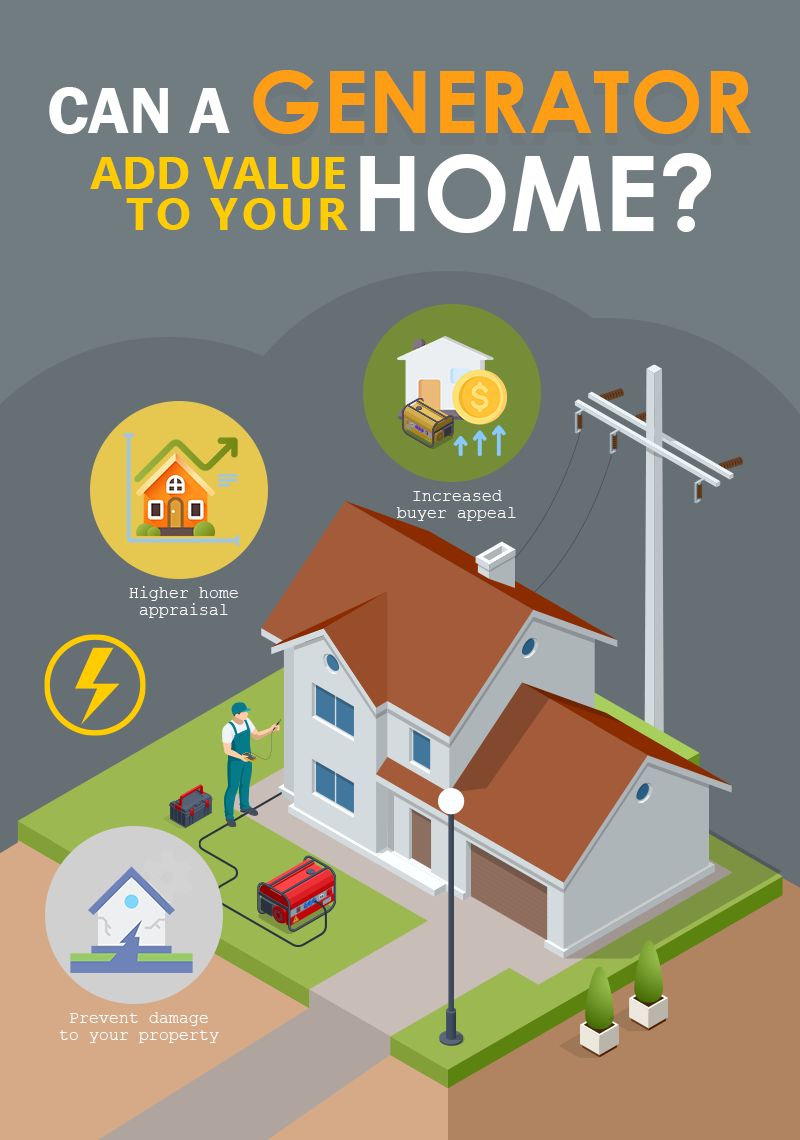
Severe weather events increase in frequency and intensity each year, causing more unexpected power outages. This is why a generator is becoming a desirable home feature for both buyers and sellers. Homeowners are recognizing the importance of having a reliable backup power source, not just for their convenience, but also for their safety and peace of mind.
How generators can boost the value of your property
Higher home appraisal
A generator can increase the value of your home anywhere up to 5 percent. And even if your home’s appraised value doesn’t go up, it’s an upgrade that you can invest in for your usage and convenience.
Increased buyer appeal
And when it comes time for you to sell, generators are modern features that many buyers nowadays have added to their ‘must-haves’ list when shopping for their new home. Homes equipped with generators become highly sought after, providing a significant edge in the market, especially in areas commonly hit by natural disasters or remote areas with overhead power lines instead of underground lines.
The real worth also becomes apparent when you find a buyer who needs or wants one of these features. Buyers who have experienced prolonged power outages are much more likely to prioritize homes with a generator, viewing it as a necessity rather than a luxury. Many buyers also prefer not to incur the expense or hassle of installing a generator themselves. This is why generator-equipped homes are significantly more appealing, even if it doesn’t directly translate to a higher appraised value.
The practical benefits of a home generator
There are several types of generators so the average cost varies depending on the type and brand. Rest assured that there’s a good solution depending on your price range and needs. From portable generators to standby generators, all typically fall in the range of a few hundred dollars to a few thousand.
Aside from keeping the lights on during emergencies and outages, the many practical benefits of having a generator cannot be overlooked. Here are some of them:
Powers up essential appliances and systems – You can ensure that your home’s security systems remain operational for your family’s safety. If your home also relies on electricity to power your water source, a generator ensures a steady flow. It can also power your HVAC, fridge, and freezer to keep food supplies fresh, and any medical machines and devices.
Prevents damage to your property – Outages during extreme heat or cold could be dangerous. Especially in extreme cold, maintaining a steady temperature is crucial to keeping your pipes from bursting and damaging your property.
Keeps you comfortable – If you’re working from home or have babies/toddlers, having a generator allows you to be comfortable and continue your daily activities without disruption.
Bottom line
If you’re looking for a way to increase your home’s value and marketability, a generator is certainly a coveted upgrade. Similar to a pool, you might not be able to recoup the full cost of its installation when it comes time to sell. However, the convenience and peace of mind it brings to you and your property are crucial, making it more appealing to potential buyers.
After the complexities of the home-buying journey, moving to your new home is no easy feat. But moving across state lines? It adds a new level of intricacy that can overwhelm you if you don’t plan for everything in advance.
You might have already gone through the usual moving tasks, from creating a packing strategy for your things to canceling your utilities. In this blog, we go over some moving essentials that you might have missed. Feel free to add them to your moving-out-of-state checklist to help make your move go as smoothly as possible.
Carrying your belongings across state lines will be more difficult without the help of professional movers. Interstate movers are regulated by the federal government and specifically monitored by the Federal Motor Carrier Safety Administration (FMCSA). So when choosing a moving company, make sure that it’s reliable, trustworthy, and adheres to FMCSA regulations. Check out the moving company’s USDOT number, Better Business Bureau rating, any official complaints filed with the FMCSA, as well as company reviews and ratings and whether it has any association with the American Moving & Storage Association. A reputable moving company can help you navigate your move efficiently, especially when determining what items are safe to transport outside the state borders.
Your trusted real estate agent can also be a good source of information, as they can recommend the moving companies their past clients have successfully used. They can also help you decide on what kind of service you need based on the distance of the move and your own personal factors.
You’ve already researched about long-distance movers that will handle your belongings, but have you given a thought about how you’re getting to your new home in a new state as early as possible? Are you driving your car? Are you taking the train? Or do you need to fly to your destination?
Moving long distances almost always involves making travel arrangements, such as booking a plane ticket or a car rental, making hotel reservations, and other plans, as needed. Remember that ticket prices change the closer you are to your target departure date, so it’s better to make reservations ahead of time to save money. And if you’re driving, don’t forget to factor in the cost of food and accommodations, especially if you’re traveling with family. Moreso, you likely won’t receive your belongings for at least a week, so packing an essentials bag or suitcase is a must.
If you’re not planning on driving your vehicle to your new home across the country, you’ll have to arrange a car shipping service. Research auto transport options that best fit your budget and schedule. Likewise, be aware that transporting a car can take between one to two weeks, which means you won’t have any means of getting around your city except taking public transportation or relying on car-hailing services.
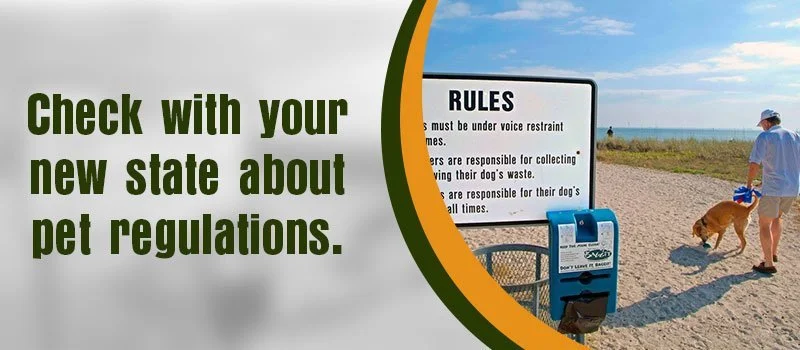
Before moving to a new state/province with your pet, keep in mind the local leash laws, pet ordinances, and pet licensing requirements. You may visit the website of the U.S. Department of Agriculture or the State Veterinarian’s office in your destination state if you have any questions and to get more details on how to coordinate the move for your pet. For local ordinances, you can also contact the City Clerk’s office, local organizations, or animal control facility in the area where you’ll be moving.
While requirements and deadlines vary depending on the state, many states or provinces require owners to register their pets within a month of acquiring the pet or moving to ensure that animals receive their necessary rabies shots for public safety purposes. And if what you have are unusual or exotic pets, such as a snake or a monkey, it’s all the more reason to check out the local laws first as not all states accept them.
Updating your license and registration to your new address is another requirement as soon as you move. Every state is different regarding when one should change their license and registration information, so be sure to contact your local Department of Motor Vehicles (DMV) in advance. The time window is usually between 10 and 30 days, and you won’t want to miss the deadline.
For your driver’s license, while requirements vary from state to state, you’ll most likely need a driver’s license, proof of residency, proof of your social security number, and an additional form of identification.
Moreover, update your voter registration as soon as you’re able to so you can vote and participate in any and all upcoming elections. There are usually multiple ways to register to vote, including in-person voter registration, mail-in registration, and online registration.
Renovations can be expensive, even for a small utilitarian space such as a bathroom. But it’s one of the most personal and private areas of our home, so, at some point in our lives, we’ve probably planned on turning it into a lavish space where we can have a relaxing self-care routine. If you’re someone who can’t commit to a full bathroom makeover for whatever reason—budget, time, or physical restrictions—this might seem like bad news.
Except that it isn’t, because here are seven ways you can make minor, but still noticeable, changes to your bath without the expense of remodeling. From simple swaps of everyday useful items to weekend projects that do not have to cost an arm and a leg, you can find something that suits your need for your much-needed bathroom facelift.
1. Get fancy with lighting.
Upgrading your lighting fixtures is a simple yet effective way to elevate your bathroom, especially if you want to be able to adjust the lighting to suit your mood or task at hand. If you’ve got exposed bulbs, try swapping them out for more decorative ones. For those who have a bar light over the mirror, replace them with LEDs that are bright but not glaring—perfect for when you’re getting ready in the morning or applying makeup. Swapping out your vanity lighting is also possible to improve functionality. Likewise, bringing in some metallics, such as beautiful wall sconces or a charming chandelier, can add a sense of luxury.
For a cozier bathroom, try adding dimmer lighting. A table lamp or pendant lights that emit a softer glow is a nice feature to have, especially if you’re taking a shower or winding down at night. You can also consider installing dimmer switches to improve the ambiance of the space.
2. Try new textiles.
Refresh any bath in a matter of minutes by updating cozy essentials and soft surfaces, including rugs, mats, hand towels, and shower curtains. It’s probably the easiest and most budget-friendly project, but it can be as transformative as a coat of paint. Moreover, these things are being used regularly so not only do they eventually wear out but they can harbor bad odors, too. Swapping them out to new ones will not only give life to the space but also help make it smell nice.
Pick new hand towels with patterns for a pop of color, or go with seasonal-themed ones for a completely different feel. Mix and match the color of your bath mats instead of opting for boring ones. Or better yet, look for vintage-style rugs that are washable and low maintenance.
3. Hang a new mirror.
Whether small or large, mirrors are fundamental fixtures in a bathroom as they can make the space seem larger. Also, they increase the amount of light by adding a more reflective surface. So if you want to add some glam in your bathroom even on a budget, replacing your dated mirror is a good place to start.
Filigree-shaped mirrors can add a little bit of sparkle to your bathroom and can create a unique focal point. If you love large mirrors, you can hang one on the spot above the sink to cover most of the wall. But if the last thing you’d want is an oversized one, you can opt to hang two matching mirrors to break up the space and have a spot in between for art or a sconce.
4. Revamp your vanity.
Replacing your vanity can instantly change the look of your bathroom while still saving some big bucks. But when your existing vanity already has a sturdy build and provides ample storage, repainting is a more budget-friendly solution while still achieving that bath refresh you need. Renew the look of your vanity with a fresh coat of paint or stain. Try to choose a bold color to create a playful focal point, especially in an otherwise neutral bathroom.
5. Swap out the shower head.
Changing that old, crusty shower head that’s been in your bathroom forever can make a huge difference. It’s also a budget-friendly update that won’t take much of your time but will give your shower a luxury spa feel. Think about installing a dual model that features a rain head and a detachable handheld sprayer, which makes rinsing hair and cleaning the tub much easier. Many affordable models are readily available at home centers and thread easily onto existing plumbing. Modern shower heads also provide more control options for a more personalized bathing experience.
6. Update your hardware and minor fixtures.
To fully revamp your space, consider updating your hardware and fixtures as well. Installing new faucets, shower rods, towel bars, cabinet knobs, and drawer pulls, among others, is relatively easy. Just remember to not get overboard as it could get a little pricier depending on your choice of design.
While the ideal design is to match the hardware with major fixtures, you can introduce a second finish on knobs and accessories (such as using chrome and brass) that will add variety without overdoing it. Also, don’t forget that the minor fixtures should not only be stylish but also durable and complement your bathroom’s overall design theme.
7. Be creative with framed artwork.
Adding artwork and/or wall decor to utilitarian places like bathrooms may be the last thing on your mind. But if you think about it, it’s a creative way to add personality and change the mood of the room. Of course, you’d want to avoid putting any valuable art because the moisture can cause damage over time.
Shift into thrift mode and frame items such as prints and photographs, printed fabric, and tapestries. Nature or plant-themed prints are also a popular choice. And if you’re crafty, you can even design an abstract piece on your own. You can often find inexpensive but unique vintage wall decors at thrift stores and flea markets to create a unique gallery wall that can be admired from the tub and soothe your nerves while relaxing into the night.
Whether you’re the one buying or selling a home, the real estate closing is sure to be both exciting and daunting for you. Even though both parties agreed on a chosen date and might be pleased with the dollar amount on the table, there are still plenty of surprises that can be tricky to deal with.
According to February 2024 data from the REALTORS® Confidence Index Survey by the National Association of REALTORS® (NAR), 11 percent of contracts in the past three months encountered delays, while six percent were terminated.
While no one wants to wait longer than they need to for a real estate transaction to be completed, you may find your closing date delayed for several reasons. Some issues are relatively easy to solve, while others can be deal-breakers. Here are five of the most common problems that lead to delayed closings, and some tips on managing them.
1. Challenges in the buyer’s financing
Delayed or denied financing is a common cause of prolonged closing. Many home buyers, especially first-timers, don’t realize that even though they were pre-approved for a mortgage months before and they already have a mortgage commitment, the loan is still not guaranteed. The lender still needs to review their credit and bank statements one final time within a few days of closing.
Things could go wrong when that second verification reveals a new credit line that’s been opened (for a new car, new house stuff, etc), a change in employment, or some other issues. Remember that even the smallest changes in your financial situation can create problems up to the moment you close on the property. So changing jobs, applying for a new credit card, falling behind in paying your debts, receiving a cash gift, or having a sudden large deposit in your bank account are not advisable since the lender may request additional information or documentation, which could throw a wrench into the process.
To avoid this: Don’t make any sudden financial moves in the weeks between loan approval and closing. Also, don’t forget to contact your lender days before closing to discuss and solve any issues that may have turned up.
2. Any discrepancy in the home’s appraisal value
A home appraisal determines the market value of a home. Lenders require an appraisal to verify that the property is indeed worth the price a buyer has agreed to pay for. The bank’s appraisal value must match or exceed the home’s value or sale price. If the appraisal value falls short, the bank will delay the closing.
Appraisal gaps, which is the difference between the appraised value of a home and the agreed-upon price, have recently become much more common because of soaring home prices. While this doesn’t necessarily mean that the deal is off, addressing it can take time. In fact, according to the REALTORS® Confidence Index Survey by the National Association of REALTORS® in February 2024, seven percent of contracts had delayed settlement due to appraisal issues.
To avoid this: With the consensus of both parties, the seller can complete necessary repairs to increase the home’s value, or simply bring down their selling price. Buyers should also be prepared to pay the difference if the appraisal is too low. The parties could also contest the appraisal. Whichever the eventual solution, the closing date will likely move further into the future.
3. Issues with real estate title
A real estate title asserts someone’s legal right of ownership of a property. Before you buy or own your house, the title must be transferred from the seller’s name to yours. You also need to make sure that the person you’re buying from actually has the right to sell the property. This is when a title search becomes important.
According to Bankrate, a title search is a process in which a title company or attorney examines public records to make sure that there are no claims, liens, or issues with a property that could result in another person or entity asserting they have a stake in the home. Issues such as tax liens or claims on the property from a relative or co-owner can postpone a real estate closing. Even unpaid HOA dues and minor errors in the home’s public records can cause significant confusion, putting a transaction on hold until everything is sorted out.
To avoid this: A seller may be able to get ahead of title problems by having a real estate attorney track the home’s title history. But since problems with a real estate title can be the result of past mistakes, there’s not much a buyer can do to avoid them. They will definitely need some time to resolve, so a little flexibility and patience can go a long way. It may be frustrating, but it’s better to be safe than sorry before claiming your way into homeownership.
4. Problems with the money transfer
On real estate closing day, you’ll have to prepare the correct amount of funds to cover your down payment and closing costs. If there’s a problem with your fund transfer, you can expect to experience delays.
While some financial institutions and title companies prefer cashier’s or certified checks, others require funds to be transferred electronically. If you’re instructed to wire funds, it’s critical to talk to your settlement agent or attorney about what their wiring requirements are.
To avoid this: Before closing day, make sure to communicate with your real estate agent and lender about what form of payment is required. Also, be informed and know exactly what’s expected from you in the closing costs and certified funds. Don’t forget to have your checkbook with you and be ready to pay for small items that might crop up, such as an unpaid electric bill.
5. Ugly revelations during the final walkthrough
The final walkthrough is typically completed after the seller has moved out a few days before, or even on the day of, settlement. It allows buyers to do one last check on the property, making sure that the home they’re purchasing is in the same condition it was when they agreed to buy it (or even better).
Surprises can arise during the final walkthrough that can influence the real estate transaction. Here are just a few of them:
Missing fixtures – Misunderstandings about which items stay and which go with the seller is a common issue. Perhaps you’ve taken a liking to a particular household item and assumed it would stay, only to find out that the sellers took it with them. Unless you’re really attached to the item, you may want to let this one slide if you want this deal to go through.
Unfinished repairs – If the seller “forgets” to fix any agreed-upon repairs or simply neglects to do them by the closing date, you might not be able to close on your loan until those repairs are complete. If you’re working with a trusted real estate agent, they’ll ensure that the repairs you’ve negotiated are completed well before the closing is scheduled to prevent delays.
Other last-minute revelations – Double-check if the appliances are working properly; that the utilities and other home systems are functioning, and even see to it that the toilets are working!
To avoid this: Good communication is essential in solving any of the problems that arise during the final walkthrough. Be very detailed in your contract about what stays and what goes, and make sure it reflects your expectations. The same can be said about agreed-upon repairs after the home inspection. The safety and soundness of the property are of utmost priority, so ensuring that the seller either completes the necessary repairs, settles on a lower sales price, or even makes some other concession, will prevent the date of the closing from being pushed back.
Whether you’re house-hunting for your dream home or looking for a lot to build it, you might have come across a corner lot and been contemplating if it’s a good location.
What is a corner lot?
A corner lot is a plot of land at the intersection of two roads or streets. Typically, the streets run in the front and one side of the lot or property. Corner lots have a range of locations; it could sit in the middle of a neighborhood or at the top of a very busy street.
Back in the ‘90s, when developers first started building cookie-cutter McMansions, builders had a challenging time selling corner lot homes. Buyers did not appreciate the additional street exposure, less privacy, and noise, among others.
To combat the negative feedback, some developers decided to add a premium to these corner lots of $5,000 to $10,000, which drew attention, and they began to sell. Now, they are more comparable to living on a cul-de-sac in terms of popularity. A corner lot is, typically, always preferred in today’s market due to the characteristics and the many benefits these pieces of real estate offer buyers.
Here, we’ll explore the pros and cons of corner lot properties to help you make informed decisions before buying or building your next home in this type of unique zoning lot.
Most desirable features:
Bigger yard space
One of the most significant advantages of a corner lot is the increased yard space it offers compared to other regular lots. This provides opportunities for a home to have a different floor plan and yard configuration. For example, you could have a side-entry garage instead of a front-entry garage, which makes for great curb appeal as the front of your home won’t be obscured.
Also, you have more room to create outdoor areas that can accommodate various activities—whether it’s a pool, play equipment for kids, a bigger garden, or just extra land space for playing sports or hosting gatherings.
Plenty of natural light
Corner lots offer more natural light than the others because, in most cases, no other homes are blocking the sunlight on three out of four sides. Especially for south-facing homes, you can enjoy natural light pouring into the home from every angle as the day progresses. It’s also ideal for most sun-loving plants.
More privacy
With just one neighbor close to your home, you won’t feel nearly as exposed whenever you’re spending time in your backyard. If you’re concerned about the people walking down the sidewalks, you can install a privacy fence that will prevent anyone from peering in. Research if there are any restrictions on fencing, especially when it comes to materials and height.
More prominent
If you enjoy the limelight and love exploring your creativity when it comes to landscaping and gardening, building a home on a corner lot will give you such freedom since they will feature prominently in the neighborhood.
The downsides:
A bigger yard means more yard work
Since these lots tend to have larger yards, it could mean more work to maintain. Be prepared to do the extra work when it comes to keeping your lawns, landscaping, and cleaning other debris, or save up extra money to hire gardeners and other necessary service providers.
More traffic
Corner lots see a lot more traffic given their location, bringing more noise, light from headlights shining into the home, and worse, some fairly bad accidents due to drivers running stop signs on the intersecting streets. However, it still depends on the neighborhood where the home is located since you won’t likely get much traffic if it’s in a quiet, residential neighborhood. Depending on the layout of the house and the location of the windows, light at night may also interfere with your sleep. Determine if these things are a concern to you and consult with your real estate agent when assessing the home’s location.
Higher visibility
While you can get a bit more privacy with fewer neighbors surrounding your home, it can have higher visibility due to its corner location. This could pose a higher risk for burglaries since the property is more accessible from two streets. Still, there are ways to mitigate those risks if you’re worried. You might consider having additional lighting and installing security cameras in various locations so you can have a bird’s eye view of what’s happening all around and near your property.
Bottom line
So, is a corner lot right for you? It’s still up to you to decide. As with any other unique property location, you must evaluate the pros and cons, decide what features are most important to you, and do your due diligence on the home and neighborhood. Lastly, consult with your trusted real estate agent before making a huge decision. Maybe the right house for you is in a corner, just waiting for you to give it a second glance.
There’s nothing more satisfying than lounging around the pool in your own home on a sweltering day, with a cocktail or a book in hand. The kids, meanwhile, are busy practicing their dives or just lolling about on pool floats.
Having a pool has always been seen as an upscale bonus. But the naked truth is, some consider it necessary, while others view it as a deal-breaker. If you’re a homeowner who’s thinking about adding an in-ground pool and wonders whether it’s a wise investment and if it adds value to your property, continue reading to dive into the details.
According to the National Association of REALTORS® Remodeling Impact Report: Outdoor Features for 2023, homeowners who add in-ground pools to their properties can expect to recoup about 56% return on their investment.
At most, your home’s value might increase by 7% when it comes time to sell, according to HouseLogic. Still, that all depends on a variety of factors. Here are some of those circumstances:
If you live in a higher-end neighborhood and most of the homes have pools – In fact, not having a pool might make your home harder to sell.
If you live in states with warm climates – In the Sun Belt region, pools are commonplace and can be an attractive feature for potential buyers. Having a pool might be an expectation for your property, and the absence of one can affect your home’s value. But if you live in areas where the climate is generally cold and pools can be used only for a few months, having one is a perk but not a necessity. Buyers may pause and weigh carefully whether it’s worth the hassle.
If the pool is well-maintained and nicely designed – The condition and style of the pool are also crucial when it comes to fetching more value. A pool that’s been well-maintained, and has adjacent amenities, such as patios, shade structures, and outdoor furniture that make the surrounding area attractive, can boost your home’s value. If you’re selling, ensuring that the landscaping around the pool complements the pool in both style and design can be a huge advantage. On the contrary, a pool that’s been neglected and in need of repair can be an eyesore.
If your property is large enough to accommodate a pool – It also won’t add much value if the pool has been shoehorned into a small yard without having enough space for a garden and play area.
According to the report, landscape professionals estimated the cost of building an in-ground pool at $90,000. The said price is based on an 18-foot-by-36-foot in-ground pool with gunite (mix of sand, water, and cement) walls; three-foot to seven-foot depth; and a standard filtration system.
As per HomeGuide, an inground pool costs $80 to $250 per square foot with installation or $25,000 to $100,000 total, depending on the size and material. Not to mention, custom upgrades or additions, such as lights, a slide or diving board, a heater, and landscaping, will cost extra.
Most states also require the installation of safety features, such as fences, enclosures, and covers, to help keep pets and children safe around the water and prevent accidents. Pool fencing alone, for instance, can cost from $5,000 – $15,000.
Regardless of the type and design of your swimming pool, it will require sanitation to control bacteria and germs. The water also needs to be balanced for proper pH, alkalinity, and calcium levels. Here are just some of the monthly and yearly costs associated with having a swimming pool that can influence its value.
Pool maintenance – Experts say this could cost anywhere from $80 to $150 a month on average, depending on the services. Some of the tasks include cleaning and vacuuming the surface, water testing, adjusting chemicals, opening or closing for the season, and any necessary repairs. If you’re in a warm climate and use your pool throughout most of the year, expect to have more upkeep.
Filtration – Better to get the most efficient filtration pump possible that uses less energy, although it may cost more upfront. You can further cut energy costs by setting the pump to run at non-peak times when rates for electricity are lower.
Heating and electricity costs – If you’re planning to heat your pool, you may choose between gas heaters or electric heat pumps, which cost $2,000 to $5,000. Moreover, electricity costs for running a circulating pool pump costs about $300 per year. Heating a pool can also add $500 to $800 to your annual utility bills.
Winterizing – In areas with cold climates, pools need to be winterized every year. This includes lowering water levels, cleaning, clearing the water lines, and installing a cover.
A basic homeowners insurance policy typically covers a pool structure without requiring a separate rider. But if you plan to install a pool on your property, consider checking with your insurance agent about how a pool may affect your rates and increase your liability coverage. In addition, if you don’t install a pool fence, insurers may exclude your pool from coverage and deny your liability claim if there’s an accident in your pool.
In some areas, adding a swimming pool may also increase your annual property taxes but might not necessarily add to your home’s selling price.
There’s no one but you, the homeowner, who can determine the true return on investment of a luxury item such as a swimming pool. It’s up to you to decide if it adds value to your quality of life by making it a place for rest, relaxation, and special life moments.
The NAR Remodeling Impact Report showed that adding a pool gave homeowners a “joy score” of 10 on a scale of 1 to 10, indicating that it had a significant impact on a homeowner’s sense of enjoyment and accomplishment after the project was completed. Further, at least 90% of respondents reported having an increased sense of enjoyment when they are at home after the in-ground pool addition. It may be hard to put a price tag on that.
At the end of the day, this is your home. If you plan to put down some roots, you have the money to spend, and you’ve taken into consideration the pros and cons of installing a pool, then go ahead, plunge into it, and enjoy the swim.
How amazing it must be if all potential buyers who were gushing over your home during showings were just as enthusiastic about putting in a competitive offer. If that’s the case, selling your property would be a breeze. But that’s far from reality, whatever housing market you are in.
This is why it’s important to distinguish between house hunters who are just shopping around and those who are serious about buying your property. After all, only a few of them are willing to take the plunge and commit to a major decision such as a home purchase.
Not sure how to tell if a buyer is serious about sealing the deal? Here are three crucial signs that indicate you may be dealing with somebody who may be indecisive, disinterested, or even deceitful. Keep each in mind to avoid wasting your time and resources, and to not get your hopes up whenever a buyer’s commenting how they would love to live in the house.
1. The buyer came without a real estate agent.
The first indication that a buyer probably isn’t serious about shopping for a home? It’s when they came to the showing by themselves. A serious buyer who is ready to buy a house should have a real estate agent by their side. Since it’s the seller who typically pays the buyer’s agent and it costs the buyer nothing, knowing that they enlisted free professional help is enough to show that they’re motivated to start putting papers in motion.
The real estate process is complicated and demanding, and it requires real work from experts. Their knowledge of the housing market and their insights about the listing greatly contribute to a fast and successful transaction. Unless they are agents themselves, very few buyers are capable of negotiating and dealing with all the legalities and paperwork. Hence, a buyer who comes for a viewing without an agent is probably not serious and just window shopping or getting a feel for the market.
2. They have no pre-approval from a lender.
Despite telling you how much they would love living in your home, if the buyer fails to include a pre-approval letter when they submit their offer, it’s an indication that they probably aren’t serious about purchasing your property. A pre-approval letter is a letter stating that the buyer has been pre-approved for a mortgage and will be granted a loan to purchase the home. Without one, they may not even be able to afford the home.
Having their pre-approval papers ready is a surefire sign that a home buyer is aware of their budget and has been checking listings they know they can afford. They’ve already done their research to increase their likelihood of getting the home they want, especially since a pre-approval increases the likelihood that the seller’s lender will approve their mortgage.
3. The buyer gave an unreasonably “low” lowball offer.
Everyone wants to get the best deal, especially if it’s for an investment as huge as a home. But if a buyer submits a crazy low offer, it’s a sure sign that they don’t want the property. Serious buyers in today’s competitive real estate market will make sure to put in a legitimate offer —one that is at least close to the asking price and shows that they genuinely want to purchase the home. As a seller, it’s better not to entertain buyers with ridiculously low offers since they are probably just out there testing the waters and likely making offers to many other sellers, which means wasting time since they will not likely move forward with your property.
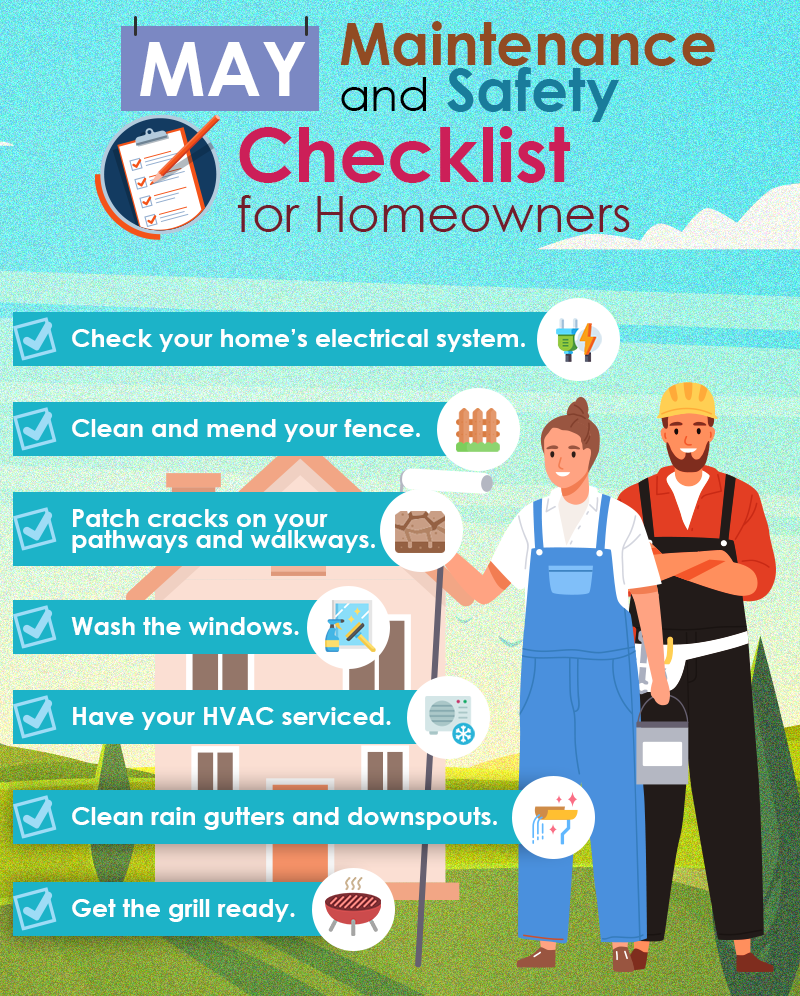
After April showers come May, with weather too wonderful to be stuck inside, but just make sure not to spend too much of your time relaxing, but also keep up with your home maintenance and improvements that will prepare your home for the hotter months ahead. Of course, getting it ready for your summer barbecues and outdoor entertaining is also part of the deal.
Here are a few things you should do for your home in May while enjoying more of the sunshine:
Check your home’s electrical system.
May is National Electrical Safety Month, which is the perfect time to check on your home’s electrical system. Start your inspection by checking cables, cords, and outlets for damages, as they can cause electrical hazards, especially around water. Replace those that have frayed wires or damage to the outer casing.
Make sure that the power strips throughout your home aren’t overloaded, and double-check that they have a surge protection feature. While you’re at it, replace any extension cords that are being used to power heavy appliances like an AC unit, as these cords aren’t designed to work continuously. Likewise, don’t forget to cover any unused outlets to prevent small children and pets from accidentally shocking themselves. This also helps to keep debris and dust from interfering with the sockets.
Clean and mend your fence.
After the spring rains, your fence might not be looking its best. As the weather becomes more consistent, spend some time outside to touch up your fence. A simple spot cleaning or pressure-washing may be just what it needs to look like new. Also, check for holes or gaps that need attention. And if replacing old rails is a task that’s too intimidating for you, call a professional to help out.
Patch cracks on your pathways and walkways.
If you haven’t done so, take a closer look at the walkways and pathways on your property, and also those that are leading to and passing by your house. Large cracks and uneven surfaces can pose a hazard to you and your neighbors who walk around the area, so it’s worth taking the time to fix them. If there are cracks or potholes in the sidewalks, it’s best to call your local municipality to report it and see who is responsible for repairs.
Wash the windows.
A pleasant, rain-free day after the pollen eases is the perfect time to wash dirt and grime that accumulated on your exterior windows. Avoid doing this chore on very sunny days or at a time when a window is in direct sunlight, though, as the heat may cause the glass to dry too quickly and cause smears, according to window cleaning experts. Some of the items you need to clean your windows effectively include some warm water, quality dish soap, a non-scratch scrub pad, a sponge or washcloth, and a squeegee. Or best to leave it with the pros if the windows are hard to reach and you’re not comfortable working on a ladder.
Have your HVAC serviced.
Before the days start to completely warm up, have your air conditioning system inspected so it will keep you cool through the summer season. There’s no denying that repair costs like this can be quite expensive, but it’s well worth it to keep your system running well during the hot months. So set up a schedule and consult a licensed professional to inspect and service your home’s HVAC. If your HVAC system doesn’t already have a programmable thermostat, remember to install one this time around to save money on your cooling bills this summer.
Clean rain gutters and downspouts.
Your home’s gutters should be cleaned at least twice a year— yes, not just in the fall but also this spring. This task is necessary to prevent any clogging and drainage issues, especially after April showers and you have evergreens and trees around your property.
Before clearing off debris from your gutters, such as fallen leaves, tree branches, pebbles, and others, make sure you are equipped with a stable and sturdy ladder that can support you. Also, don’t forget to put on gloves and goggles to protect your hands and face.
Get the grill ready.
If you haven’t cleaned the grill before stowing it for the winter, now is the time to give it a good scrub so it can go a long way during summer’s outdoor cooking and entertaining. No matter what type of grill you have, check the owner’s manual first for tips and recommendations. But in general, you will need a new or at least a clean wire grill brush, a bucket of soapy water, a soft sponge, and gloves. Cleaning your grill as part of your spring cleaning will not only improve its efficiency but also extend its life expectancy so you can keep enjoying it for the years to come. Now, let the barbecue fun begin!


 Facebook
 X
X
 Pinterest
 Copy Link