HomeownerSeller April 17, 2024

What You Should Know Before Renting A Storage Unit

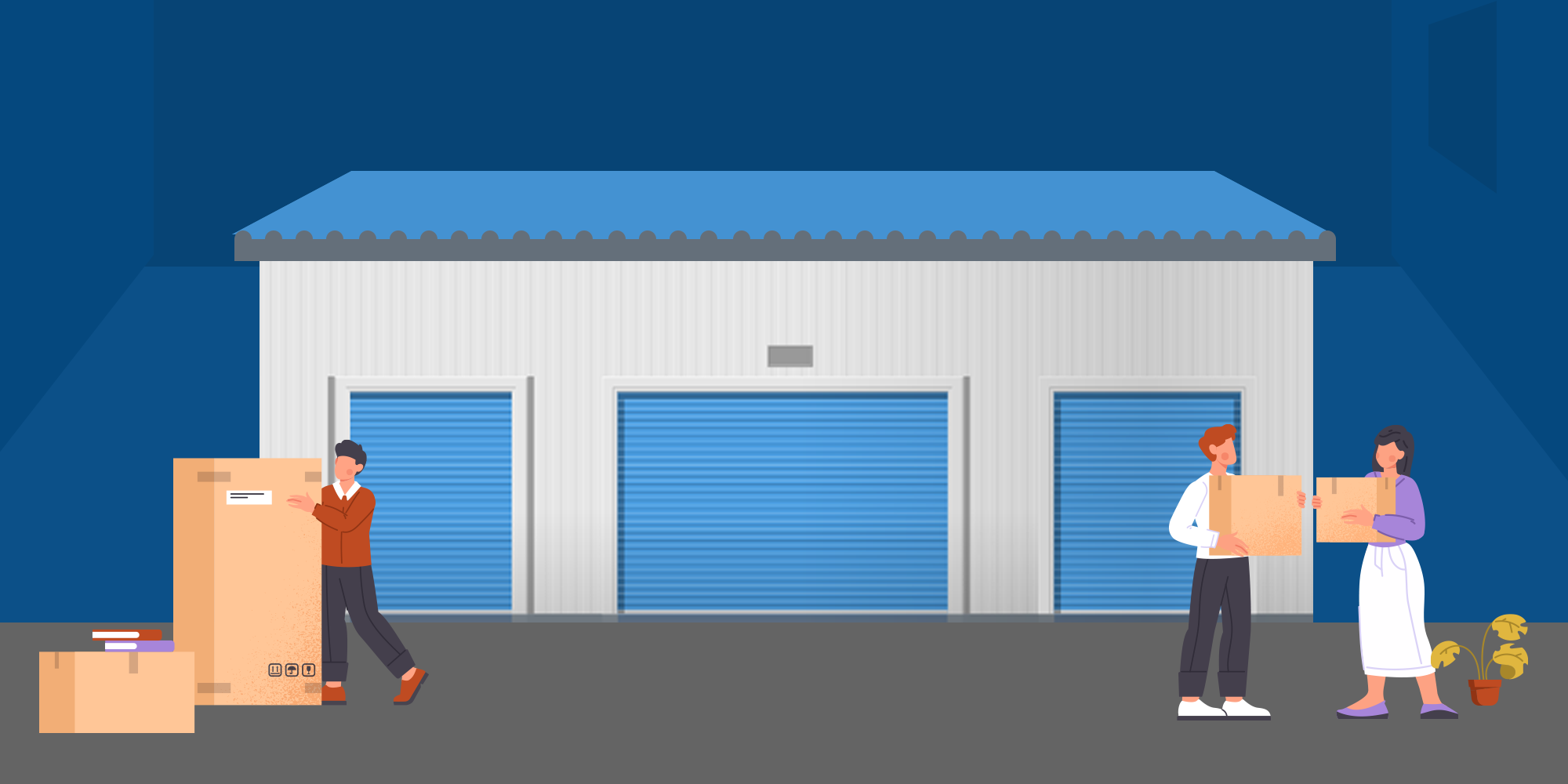
Renting a storage unit is a convenient option for people who need extra space for their extra possessions, for a variety of reasons. Maybe you want to store seasonal items, such as holiday decorations, costumes, gear, and lawn equipment. Maybe you haven’t closed on your new home yet but need to move out of your old home, a rental storage unit can house your stuff till the move can be completed. 
If you’re a homeowner whose home will undergo major renovations, you can protect your belongings and provide clear space for the makeover by keeping your furniture and other items in a facility until the renovation is complete. For those who are downsizing but not ready to part with some of the stuff they’ve accumulated, renting a storage unit provides an excellent, space-saving solution.

Regardless of your reason or need, here are some things to consider before deciding to rent a self-storage unit:

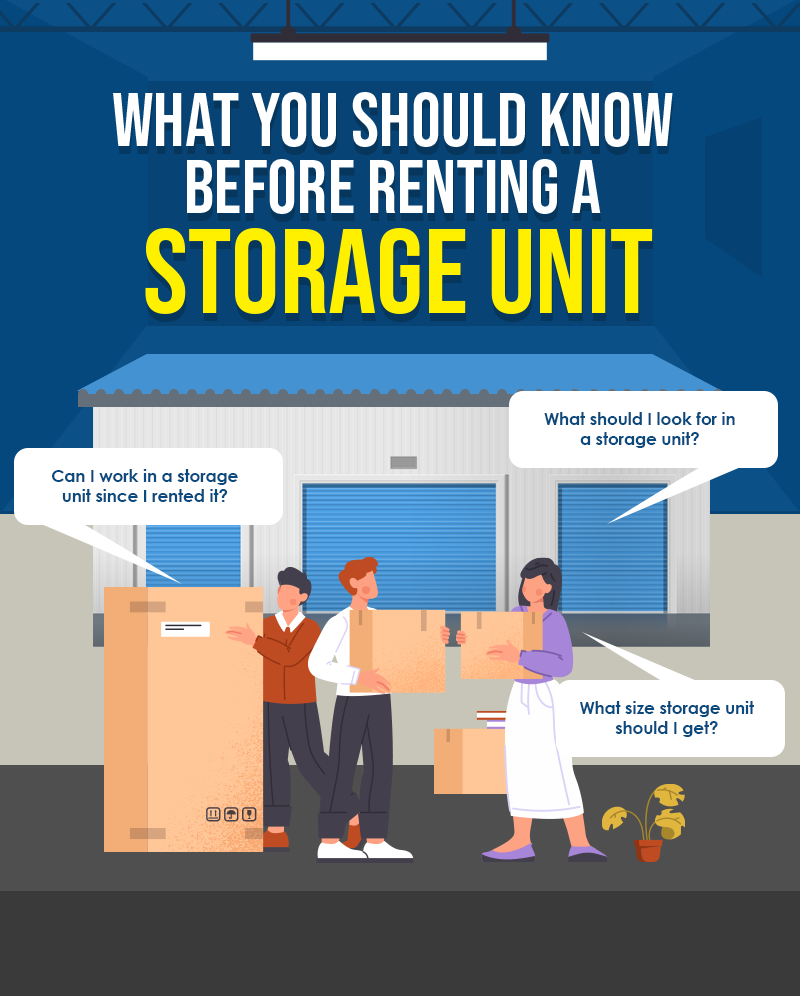
1. What should I look for in a storage unit?
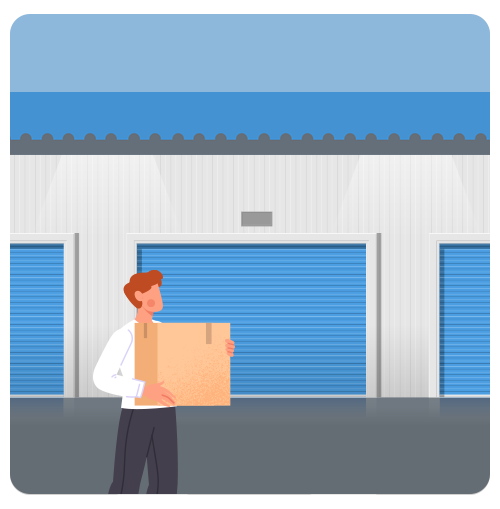
  • Accessibility: If you prioritize 24/7 access to your items so you can get to your goods when you need them most, a facility that’s only open 9 to 5 might not be your best choice. Also, remember the difference between office and access hours. Because even if you can enter your unit during the wee hours on a weekend, there might not be any on-site personnel to address your needs or concerns.

  • Location: How often do you need access to your unit? Make sure to balance convenience with price when choosing between a facility that’s closer to your place or a cheaper facility that’s located a bit farther away.

  • Safety and security: A storage facility should keep your items safe. Make sure to choose one with robust security measures such as gated access, video monitoring and surveillance cameras, and good lighting. Actual security guards and individually alarmed units can also boost the overall safety and security of the facility.

  • Cleanliness and pest control: Be wary of any facility with poor lighting, lack of cleanliness, and other obvious signs of insufficient maintenance and neglect. Furthermore, ask about the pest control policies of the company, as bugs, rodents, and other creepy crawlies can be a huge problem if they get into the units and destroy your items.

  • Pricing and contracts: Compare the month-to-month, short-term storage, and long-term storage rates charged by different facilities to find the best deal. Don’t forget to ask for specials and online discounts, such as a military discount and other seasonal specials. Also inquire about any additional fees, such as administrative or early termination fees, that may apply.

2. What size storage unit should I get?
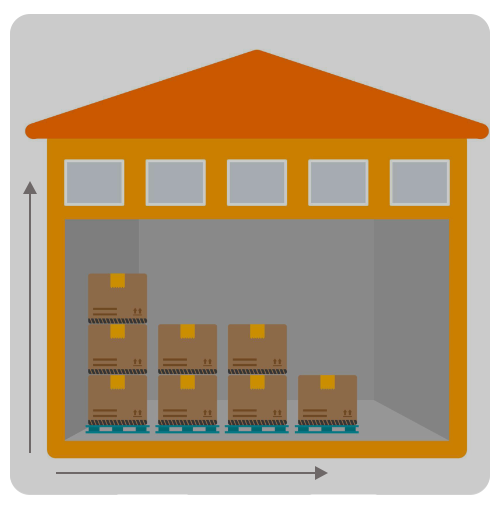
The first step in figuring out what size works for you is deciding what you need to store. Do you only need a small closet space to store off-season clothing? Would you need a storage unit the size of a one-car garage to store household goods like bulky furniture, or other items such as boats or motorcycles? The good news is that the majority of self-storage facilities offer a variety of storage unit sizes for rent. 

And while you can count on online storage calculators to help you gauge what size is best for your belongings, it’s still best to talk to a customer service representative at the facility. Also, don’t forget to look into possible future needs and see if you can scale up within the same facility if ever you need more storage space for extra items.

3. Do I need a climate-controlled storage?
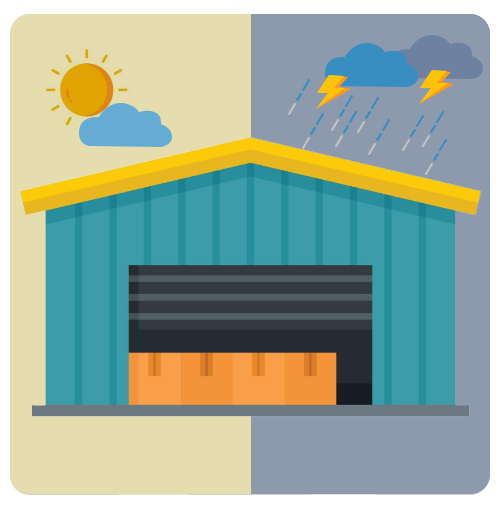
Climate control helps protect your belongings from extreme temperatures, humidity, and other outside conditions. Humidity can lead to dampness, which can lead to bacteria and mildew growth that can damage valuable belongings.

Climate-controlled storage units can be more expensive, but the extra cost is money well spent if you want to keep certain possessions protected. Fortunately, the majority of storage facilities offer this type of storage unit. Some of the items recommended to be placed in a climate-controlled storage are:

  • Wooden and leather furniture

  • Artworks and paintings

  • Antiques

  • Electronics

  • Textile and clothing

  • Other items sensitive to climate, such as rugs, carpets, wallpaper, etc.

4. How long can I rent a storage unit?
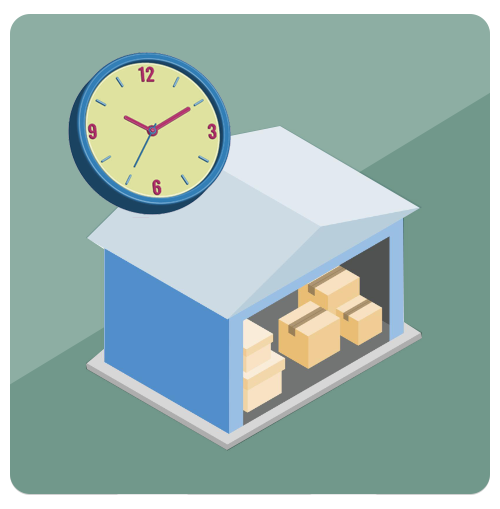
While you can rent a storage unit for as long as you like, most storage facilities offer a one-month minimum contract, while some may even have a three-month minimum. Whether you’re looking for short-term or long-term storage, you can often save money by comparing quotes from several storage companies available.

Just keep in mind that if you need to cancel your storage contract, you will need to let the company know by a certain date. Otherwise, you may end up paying for the next month regardless of whether or not you’re still using the rental unit.

5. What can and can’t I store in the facility?
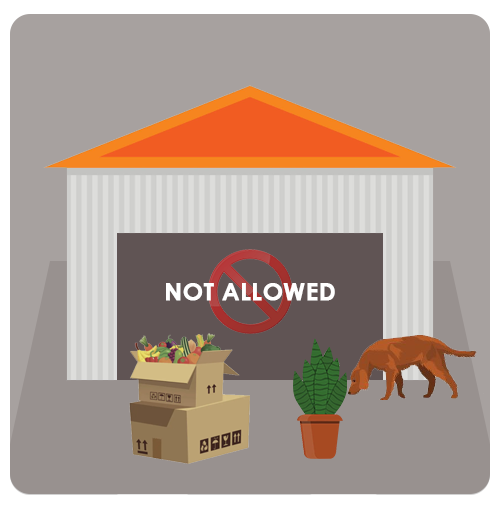
Storage units are built to hold household and business goods like furniture, files, and clothing. They’re not meant to hold anything perishable, toxic, dangerous, or alive. This is why most storage providers will include a list of items in their rental agreement specifying what a renter can and cannot store.

The most obvious no-nos are hazardous and/or flammable items like gas, although gas-powered machinery may be allowed if all gas is drained. It’s also not advisable to store perishable items such as food, which can attract bugs or pests, as well as any living things like plants or animals.

6. Do I need insurance?
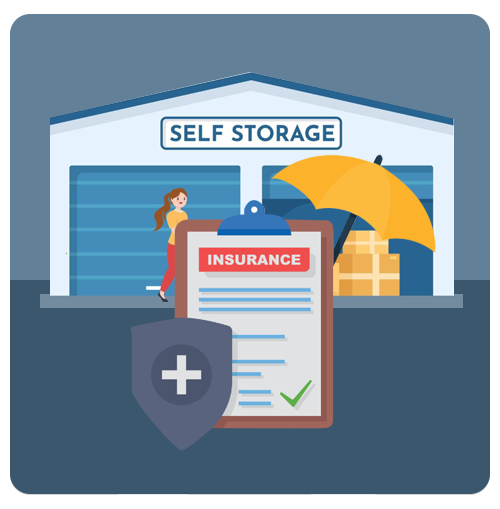
Do you have homeowners or renters insurance? If so, great, because standard insurance policies generally cover a percentage of your belongings even when they’re kept in storage units. They’re usually under personal property coverage, but you should also check with your insurance agent about your existing policy just to be sure. Coverage usually protects against things like smoke damage, vandalism, and theft.

7. Can I work in a storage unit since I rented it?
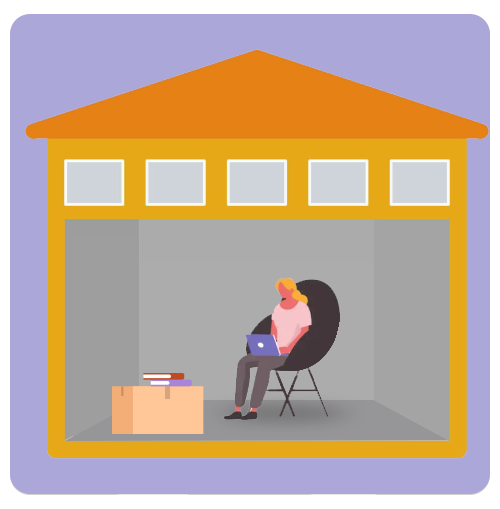
As tempting as it may be to use your self-storage unit as an office or a living space (even if it’s only temporarily), it’s considered illegal and a violation of the terms of your lease. Many storage companies prohibit tenants from using their units as an office, nor can you legally register it as your business location. Besides, most storage units don’t have adequate lighting or electrical outlets that an office requires.

You are free, however, to use your unit to store files and other business-related goods. Many storage facilities even have on-site business centers where you can work, print documents, and mail packages.

8. What if all my stuff doesn’t fit?
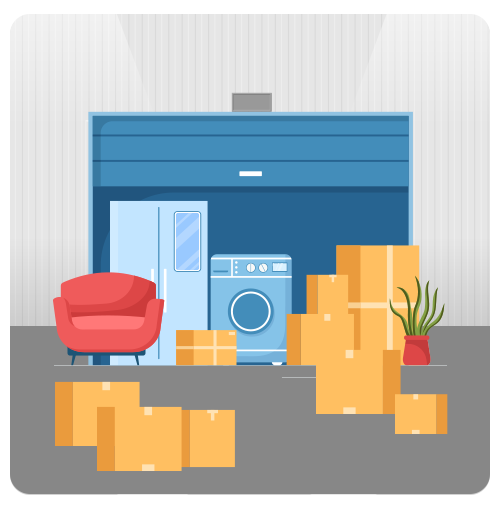
Before bringing all your stuff to your storage unit, make sure you’ve decluttered everything you don’t need and you’ve packed your possessions efficiently. These facilities don’t provide dumpsters and never let you dump your trash or items that don’t fit in your unit. Likewise, many storage facilities impose fees for any trash left on the premises.

Packing your belongings more efficiently can have several benefits. Not only will your items be kept in top condition, but it’s also one of the easiest ways to save on storage unit costs. Storage units typically have high ceilings, so it’s better to use stackable bins and arrange furniture to fill the space all the way to the top. Wipe clean and dry items as needed, and don’t forget to label everything so you won’t lose track of what’s where.


BuyerHomeowner April 1, 2024

5 Common Reasons For Buyer’s Remorse After Purchasing A Home

What is home buyer’s remorse?

Buyer’s remorse is a feeling of regret, guilt, or anxiety after making a purchase, thinking that it’s a wrong decision. It’s also known as buyer’s regret or buyer’s disappointment. While it can result from any sort of purchase, even the smallest ones, it usually occurs after a significant commitment, such as buying a house or a car.

Some homeowners feel buyer’s remorse after purchasing a home. They either feel that it was an outright mistake or think that there’s a better option for them out there. Buyer’s remorse is common, especially to first-timers. In fact, a 2022 survey of homeowners found that more than half — 60 percent — feel some form of buyer’s remorse over their housing purchases. Regrets are especially common among those who bought a home during the pandemic era (2020 or later), when sale prices began to boom. 
After all, a home is typically one of the biggest investments most people make. It involves not only a significant amount of money, but also a huge change in their lives that can have lasting consequences. 

The biggest regrets homeowners have after buying a home

Buyer’s remorse occurs if the homeowner is feeling one (or more) of these things:

One of the main causes of buyer’s remorse is financial stress. In fact, the said survey found that 30 percent of buyers said they spent too much money. Especially for first-time home buyers, they can easily be tempted to stretch their budget after learning that there are multiple offers on the table. Then the realization often hits them at or right before closing, when they see all the closing costs they have to cover. Plus, the costs of homeownership, including the monthly mortgage payments, property taxes, homeownership insurance, property upkeep, and others, turn out to be higher than anticipated.

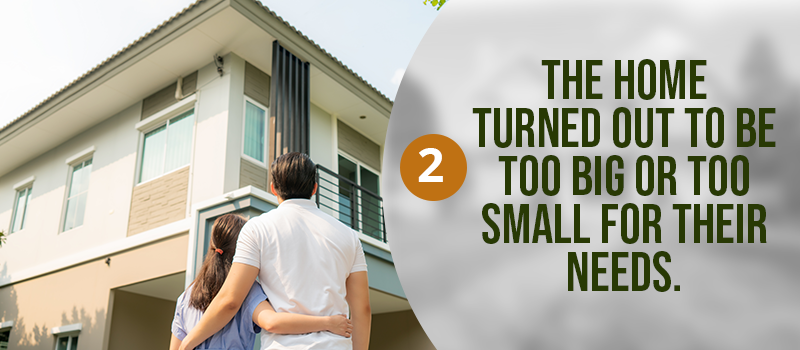
Many homeowners start to feel remorse over their home when they realize that it’s too big, too small, or doesn’t have most of the features they wanted. While it’s rare to find a perfect house with no compromises, having this regret is probably because they weren’t clear, right from the start, about their must-haves in a home. It might be a huge kitchen for cooking and hosting, a garage for enjoying their hobbies, or having a big bedroom with a walk-in closet for their clothes and accessories. They weren’t able to communicate enough how much space they really need based on their family size and lifestyle.

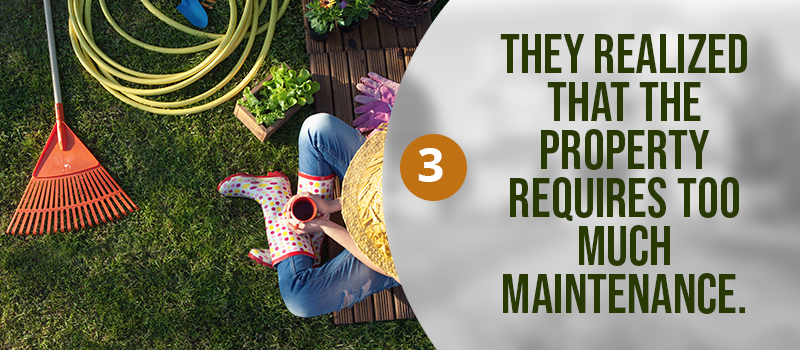
Owning a home with a huge yard is a dream for many. There’s great joy waking up in the morning and having a cup of coffee in your impeccably manicured garden. But not until the reality sinks in: tending to a house with a big yard requires so much work. And if buyers aren’t prepared to spend their weekends getting rid of overgrown weeds and removing yard waste, living in a home with too much maintenance can contribute to the disappointment in the choice of a home.

Similarly, if they are not prepared for unforeseen repairs and maintenance costs that come with homeownership, their dream home can quickly turn into a money pit and the upkeep becomes overwhelming.

Imagine falling in love with what you thought was the perfect house, only to discover that there’s a busy bus stop right out front, or there’s a nearby business district that draws throngs of people until late at night. Your humble abode should be able to give you the peace and quiet you seek, but it might be impossible if it’s in the wrong neighborhood or location. 

Buyers who don’t give enough consideration to their neighborhood while house-hunting may find these things to be a deal breaker, which can eventually lead to buyer remorse. It’s a common scenario when buying a home sight unseen, or not spending enough time in the neighborhood to know all of these little location factors that might not fit their lifestyle.

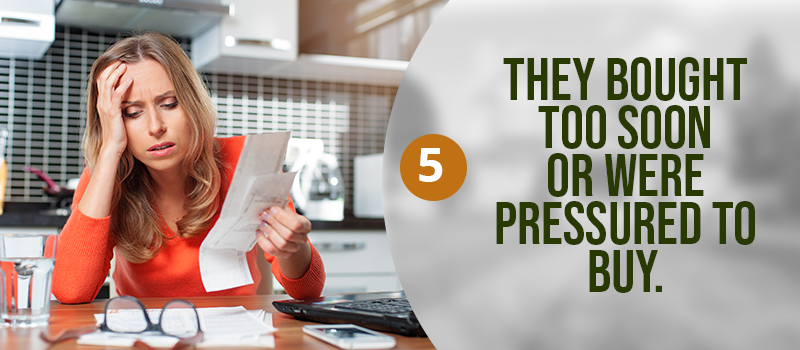
Making a home purchase primarily on emotions and without careful consideration to your needs, lifestyle, and other practical factors, can lead to regret later on. In fact, this is the second most common regret among first-time homeowners: rushing the home buying process and buying too quickly. They didn’t realize until moving in that the property doesn’t meet their long-term needs, or that they overlooked some features of the home in the excitement of the purchase. Likewise, being in a highly competitive real estate market, feeling that they’re under pressure to find a place, or the fear of missing out on good homes, can all lead to rushed decisions.

Why it’s important to work with a knowledgeable real estate agent

Even before starting your home buying journey, have an in-depth conversation with a local real estate agent to better understand your needs and what’s driving your decision to purchase. They are licensed experts who can be your voice of reason, especially when it comes to discerning what your budget can afford and what can be a costly decision that you might regret. They are familiar with the area you are looking for so they can better guide you in finding the right home for you. Likewise, they are your go-to person for any questions you may have about the real estate market and the transaction process. Trust on their expertise so you can have peace of mind and avoid buyer’s remorse with your biggest investment.

BuyerSeller March 12, 2024

What is an Earnest Money Deposit? A Guide for Buyers and Sellers

When you put an offer on a home, you’d want to do everything you can to make your bid more competitive. One way to do this is through earnest money. But what is it, exactly? And how much do you need?

Since providing earnest money deposits is an essential part of the home buying process, here’s what you should know about them.

Earnest money is an upfront deposit that a buyer makes when planning to purchase a home, showing that they’re making a serious offer. It’s also called a “good faith deposit” because the buyer is proving to the seller that they have every intention of buying the property if their conditions are met.

When a buyer and seller enter into a purchase agreement, the seller takes the home off the market while the transaction moves through the entire process to closing. Having earnest money keeps the buyer committed to moving forward with the home purchase while also giving the seller enough confidence and insurance to stop accepting new offers. 

It’s important to remember that earnest money is different from the down payment. This deposit is usually cashed and held in a neutral third-party, such as the title company’s trust account or the broker’s escrow company account, for safe-keeping until the purchase agreement is either completed or terminated.

An earnest money deposit isn’t required, as there are no laws stating that home offers must have money attached to them. But it’s a common practice and even a necessity, especially if you’re shopping for a home in a competitive market. Sellers are likely to favor an offer that includes an earnest money commitment as it provides them extra assurance. If it’s a seller’s market and you’re going up against multiple offers, you might be better off submitting an offer with earnest money attached.

While there are no set amounts, most home buyers offer between one percent to three percent of the home’s sale price. The amount you’ll deposit as earnest money will also depend on factors such as the current market, the local policies and limitations in your state, what’s customary in your market, or even what the seller requires. You can deposit more if you want to make your offer stand out, or offer less if you’re in a buyer’s market. 

Work with a knowledgeable real estate agent to help you understand how much earnest money to offer. If you plan to purchase a home in a neighborhood where cash offers and bidding wars are common, they may recommend a higher good faith deposit as you could risk losing the home to the one with a stronger offer. But if it’s a slow or moderate market, a good faith deposit in the standard range may suffice.

Your earnest money deposit will stay in the escrow account until you officially close on the home. Assuming that the deal goes smoothly, the deposit is then applied to your down payment or closing costs. Essentially, you’re just putting up some of the money upfront. 

For some loans that don’t require a down payment, such as VA and USDA loans, the earnest money will be applied directly to closing costs. If the earnest money deposit is more than the closing costs, the buyer can get the remainder back.

But what if the deal falls through and you’re unable to close on the home, will you get your earnest money back? It depends on how the purchase agreement is written. Your contract includes contingencies that spell out when the earnest money is refundable and when it becomes nonrefundable, as well as how the refund is handled.

If you include contingencies with your offer, you’ll get the earnest money back if a contingency isn’t met. For example, if you’ve included a home inspection contingency in your offer and the home inspection reveals structural damage or severe defects, you may choose to cancel the home purchase and your earnest money deposit will be refunded. Additionally, if a financing contingency is included in the contract and your financing falls through because of appraisal or approval issues, you’ll get your money back. 

But if you break the contract without cause, back out of the deal for a reason not listed in any of the contingencies, or simply change your mind about the purchase, the seller might be able to keep your earnest money. You may also lose your earnest money if you cancel the deal after your contingencies have passed their expiration dates.

Earnest money deposits can mean several thousand dollars—a huge sum that can be put towards other aspects of your homeownership dream. This is why it’s important to take steps to protect your money. The best way is to talk to your real estate agent about ways to safeguard your deposit, and have them walk you through the entire purchase contract before you sign anything. Other things you can do to protect your earnest money include:

  • Using an escrow account: Never give funds directly to a home seller, or wire the money to the real estate brokerage, attorney or title company without first confirming the wire instructions have been sent from a legitimate source. When the funds are deposited, make sure you get a receipt.

  • Understanding the terms of your contingencies: Again, your agent or real estate attorney can explain all contingencies and what your obligations are as the buyer, as well as the best way to waive a contingency if that’s the right strategy. Make sure you know your end of the bargain and in what circumstances you would keep or forfeit the earnest money.

  • Staying on top of deadlines: The contract will likely include a timeline of when things need to be done, such as the inspection or loan approval. If you miss a deadline, the seller might claim you’re in breach of contract, which means they could terminate the agreement and keep your earnest money deposit.

Buyer February 17, 2024

5 Decisive Questions To Ask Your Significant Other Before Buying A House Together

While it’s a cliche that communication is key among successful couples, it couldn’t be any truer and more crucial if you’re planning to buy a house together. Not only are you going to make one of the most fulfilling purchases of your life—but you’re also going to experience the joy and hardships of homeownership with the person you love.

So before you start poring through real estate listings and begin your next chapter together, you and your significant other need to have an open and honest conversation in which you ask yourselves and each other these key questions.

1. Where do we want to live?

The first step in deciding you want to buy a home is knowing where you want to live. Because unlike renting, becoming a homeowner involves a much bigger commitment, which could cement you to a particular place for a couple of years or so. And, if you’re moving with a partner, you need to agree on this matter early on to avoid any contention.

Do you want to stay in the same neighborhood where you are now? Or do you want to move somewhere closer to work, family, or friends? If one of you prefers the suburbs while the other one loves the city, what compromises do you need to make? What aspects of a neighborhood are most important to both of you? Before starting your house-hunting, make sure that you both agree on the kind of neighborhood that you envision and if they align with your long-term goals and values.

2. Do we have any financial red flags that we need to work through?

Buying a home together means you’ll be entering a joint financial commitment like no other. If you haven’t done so already, now is the time for the both of you to share everything about your finances even before starting your home search. Discuss and be transparent about each other’s current income, assets, savings, credit score, and even debt obligations—may it be student loans, credit card debt, car loans, or other personal debts. This disclosure between you and your partner will guide your home-buying approach since you need to make sure that you can both afford a home purchase.

If you’re planning to buy a home with cash, all you need is money. But if you’re planning to apply for a mortgage, then lenders will have to look at your debt-to-income ratio (DTI) and credit scores to see whether you qualify. The DTI ratio is your combined monthly debt payments divided by your combined monthly income. If any or both of you have debts, seek ways to minimize them to improve your credit score, so you can get a better mortgage rate.

3. What is our budget and how will we divide up expenses?

Whether you’re buying solo or with a partner, there are a lot of expenses associated with homeownership that you need to prepare for aside from your monthly mortgage payments. Especially if you’re both a first-time homeowner, things like closing costs, repairs and maintenance, utilities, homeowner’s insurance, property taxes, and other costs can catch you both by surprise. 

By looking at your combined monthly income and recurring expenses, you can begin mapping out how much you’ll be able to afford. As a general rule of thumb, most financial experts agree that your housing payments should not exceed 30 percent of your gross monthly income. And while you’re on the topic, be sure to also consider how much you have on hand for a down payment, and how much you still need to save. 

Moreover, it’d be helpful to agree on how you will pay for these expenses as a couple. Will you divide each expense in half, or will you each take responsibility for certain bills? How will you share the expenses if one of you experiences a financial crisis?

4. What are your needs and wants in a home, and why?

Since you’re two unique individuals in a relationship, naturally, you will have different tastes and preferences when it comes to your dream home. This might be highlighted more when it’s time for you to go house-hunting. You may be a great cook and want a modern and luxurious kitchen, so other features such as a spacious living room or additional bedrooms can be a sacrifice. Meanwhile, your partner would love an extra room for his stuff or a large living room that can fit a sectional couch perfect for those Super Bowl nights. 

Separately listing out what each of you wants in your new home is a fun yet meaningful conversation that’s crucial to have at the beginning of your search. Talk about your priorities, and discuss what is most important to each of you, and the reason behind it. In short, don’t be afraid to get down to the nitty-gritty details. How many bedrooms and bathrooms? Is a living room with a fireplace essential? Do you want a house with a pool? A garden? What do you mean when you say you don’t want a “too modern” house? What’s one thing you’re willing to
compromise? What’s one thing you definitely won’t?

Very rarely will the perfect house appear, especially when factors like your budget, location, and individual preferences are to be considered. But when you can meet in the middle and identify potential deal-breakers, you will come up with something that gives you both a little of what you want. And it will be your guide in finding the loveliest abode that will fit both of your needs.

5. What happens if we break up?

You’re having the most wonderful time in your relationship, so breaking up may be the last thing on your mind. But while it isn’t pleasant to think about, you need to be realistic and consider all possible outcomes. You could split up or get divorced. Or one of you could just decide not to pursue the home. One of you could decide to move out of state or out of the country. When something like this happens, where will that leave both of you standing?

Having an exit strategy is the most practical way to prepare for all possible eventualities. Before drawing up an agreement, both of you must understand the type of homeownership option to choose from when purchasing a home together. The most common is joint tenancy, where each person holds an equal interest in the property. There’s also what is called tenancy in common, where each person has a distinct, separately transferable interest in the property. Seek help from experts when creating an agreement detailing how you divide your assets just in case your relationship has to be dissolved. 

Since purchasing a property is a major financial commitment, having everything in writing for any unexpected occurrence that might disrupt your original plans could save you and your partner a big headache.

Bottom line

Purchasing your first home together could be one of the most amazing experiences you can have as a couple. But since you will be putting six figures into this jointly-owned abode, it sure won’t be an easy feat for both of you. So take the time to sit down with your partner and make sure to have even the most difficult conversations, such as debts and the possibility of a breakup. Communicate and be honest with each other, and see how you can better support each other (instead of clashing each and every time) on your path to homeownership.

Buyer February 12, 2024

The Biggest Pros and Cons of Buying A House Near A Highway, Airport, and Other Landmarks

If you’re starting this year house-hunting for your ideal property, you might have heard about the “location, location, location” mantra that’s prominent in real estate. Here we’ve listed five locations that might make you think twice before living near them. 

And if you ever find a house you love that’s located near or next to these landmarks, it’s critical to know which could be a deal-breaker for you, and which could suit your needs and lifestyle so you can enjoy your dream home with no regrets.

Airport and flight path

Biggest pro: Ease of travel

Probably the biggest advantage and appeal of buying a house near an airport is ease of travel, especially if you’re a frequent flier or traveler. No more frantic racing against the clock since you can reach your terminal within minutes, saving you time and money. 

Biggest con: Noise

The occasional booming sound of planes landing and taking off can be a huge nuisance, especially if the home is located directly under a flight path. However, many airports near residential neighborhoods have noise and flight time restrictions in place that make living near them more manageable.

Pro tip: Do your research when it comes to the neighborhoods where planes fly over most. You may also be able to look up maps showing general flight paths surrounding the nearest airport. During your house hunt, spend some time on the street near your potential property to see if noise would be a bother to you. Also, don’t forget to inquire about specific noise reduction features that are integrated into the home.


Busy street or main road

Biggest pro: Accessibility

You have easy access to mass transit, such as buses and trains, and even freeways. Living next to a main road also means you’re within walking distance to grocery stores, restaurants, retail outlets, and shopping centers, so getting what you need will be a breeze. You may also be closer to fire and police stations, which could be critical in an emergency.

Biggest con: Safety risks

Aside from the noise from honking cars and chatting passersby, busy roads can bring all kinds of hazards, especially speeding cars. If you’re a buyer with kids and/or pets, their safety is a big priority, which means homes in these areas might be a no-go.

Pro tip: If you’ve fallen in love with a property that’s on or near a busy road and you want to live in proximity to stores and conveniences, the best thing to do is to visit at different times of the day to get a realistic feel for the noise situation.


Park or any public open space

Biggest pro: Improved physical and emotional well-being

Living on a property next to or very close to a public park or any open space makes it easy for you to start or maintain an active and healthy lifestyle. Whether you like to go biking, running, or just taking your dog for a walk, spending time outside is more convenient since you don’t have to travel far. And even if you’re not an outdoorsy person, just living next to green spaces can be good for your mental well-being and happiness.

Biggest con: Noise and increased traffic

As with any neighborhood feature, a park may not be for everyone. You may have to deal with the noise, whether from children playing games or people chatting and catching up. Some parks are also used to hold concerts, festivals, or other social events, so it will certainly be noisy and busy. The streets may also see increased traffic and cars parked from both sides of the road.

Pro tip: If you’re allured by the prospect of living next to a park, make sure you know what the park is like at different times of the week and during the day or night. If you have the chance, chat up a potential future neighbor or two and ask what it’s like to live in the area.


Casino

Biggest pro: Plenty of entertainment offerings

Casinos aren’t all about gambling. These modern resorts often include everything, from spas, restaurants, sports bars, concert halls — even family attractions such as arcades and bowling alleys. If you’re considering buying a home into a smaller area without a lot to do, these local entertainment choices right at your doorstep can be a huge win for you. 

Biggest con: Think crowds, traffic, and

bright lights 24/7

Since casinos are open 24 hours a day, seven days a week, this means you will have to deal with constant traffic and crowds probably all the time. Also, many casinos are brilliantly lit up. If the house you’ve been eyeing for directly faces the casino, you’ll have to take preventive measures to keep the lights out.

Pro tip: Should you gamble on a property near a casino? It depends on why you are buying the property and whether or not it suits your lifestyle. Experts suggest staying at a nearby Airbnb or at the casino hotel for a period of time, especially during a convention, any major event, or tourist season. Additionally, walk around the neighborhood and take note of the noise levels at different times of the day.


Power line

Biggest pro: Fewer and shorter power disruptions

Living near electrical infrastructure makes it easier for repair crews to respond promptly when outages occur. Their fast response also helps restore power sooner, limiting disruptions. This is especially crucial if the power loss is due to extreme weather conditions and if you work from home.

Biggest con: Potential health and safety risks

One of the biggest concerns home buyers have when purchasing property near power lines is its potential health implications. Power lines produce electromagnetic fields (EMFs), a form of radiation that some have suspected could increase cancer risk with significant exposure over time. Moreover, extreme weather like high winds and thunderstorms can compromise lines, creating fire and electrocution hazards.

Pro tip: Worried about the health concerns surrounding EMF and power lines? Start with your own research and see if the property under consideration is within safe exposure levels.

Bottom line

Like everything else in life—or like every location in this matter—there will always be advantages and a flip side. Aside from doing tons of research, leverage local expertise by contacting a real estate agent. With their help, you can easily balance out the pros and cons and make the right call on whether or not it will be worth it to purchase a property in any of these particular locations.

HomeownerSeller January 26, 2024

Should You Sell Your House This Year or Wait? Consider These Factors First

The decision on whether or not to sell your beloved home is already a difficult thing to process. But knowing and understanding when to sell — it’s another critical point that can affect your decision and would-be profit, especially when the housing market feels unpredictable. 

Aside from the housing market having a significant impact on the sale of your home, it’s also important to evaluate your situation and reasons for selling. To provide you with some guidance, we’ve laid out six factors that you should consider before putting your house on the market.

In general, the spring home-buying season (April to June) is considered the best time to sell a house. Homes sold in May, in particular, net a 12.8 percent seller premium (the amount above the home’s market value), based on ATTOM’s 2023 analysis of single-family home and condo sales over the past 10 years. 

However, that’s not always the case. The reality is that every market has a peak selling season—the time of year when most buyers are looking for houses. This depends on many factors, including buyer demographics, weather, local events, etc. 

Summer typically brings out families who are looking to move while their kids are out of school. But in areas near ski resorts, for example, the winter season tends to bring out a bigger pool of buyers than during warmer weather. The same can be said in warmer areas, where the fall is often a hotter market for buyers. Winter, on the other hand, is also a popular time for people relocating for jobs, typically during January and February.

When you list in spring and summer, you have to be ready to compete with several other homes. Pricing your home aggressively and marketing your home properly during these times is critical to attract buyers. On the contrary, selling during the slower seasons where there’s less inventory means there’s less competition on the market.

In addition to seasonality, the strength of the U.S. housing market as a whole also plays a role in home prices. A home’s value generally increases when the economy is strong. Your best bet for gathering adequate information and getting a thorough understanding of the national housing market is to talk to a knowledgeable real estate professional. They’re a valuable resource if you want to get a sense of how the local market is faring overall, and whether selling your home can be more profitable in current market conditions.

Interest rates are another critical factor to consider when deciding when to sell your home. Historically, people are more inclined to buy homes when mortgage rates are lower since they can afford a larger mortgage than they would with higher interest rates. The lower the interest rate, the more purchasing power buyers have.

If you’re a prospective seller this year, it might be wise to monitor the mortgage market as today’s higher rates will likely play a role in your decision. However, depending on your location, this may or may not be a deal-breaker for you.

Your home’s equity is the difference between the value of your home and what you owe on it in liens, such as a mortgage. This is the number that tells you if you’ll be able to make a profit, so it’s important to know this before listing your house for sale. If you’ve earned a significant amount of home equity, you can cash out on this and sell. But if you owe more than you can get for the house, consider staying put and paying down your mortgage a little more before selling.

Ensuring a great first impression is vital to selling quickly and for top dollar, especially if you’re putting your home on the market during peak selling season. Aside from maintaining a stellar curb appeal, you must also take the time to make repairs and take care of things such as leaks and/or water damage, mold problems, pest infestations, roofing problems, and any structural issues that could pose safety hazards, among others. 

Consulting with a knowledgeable real estate agent will also help you figure out which improvement projects may benefit your home and bring a decent return on your investment. If you’re in a hurry to sell and don’t have time to make improvements, you always have the option to sell your home “as-is”. Just keep in mind that this option comes hand-in-hand with a price reduction.

Last but not least, your situation and objectives should be taken into account. What’s your main motivation behind wanting to sell your home? Some homeowners want to get their houses sold as quickly as possible, while others prioritize getting the best sale price possible out of their biggest investment. Here are some circumstances where it might make more sense to sell than to wait:

  • You need to downsize – This may be a necessity, especially for older homeowners and empty nesters, either for financial or health and mobility reasons. If the maintenance and upkeep of your home are already becoming difficult, selling may be for the best.

  • You need to upsize – Your family is growing, or maybe an elderly relative is coming to live with you for an indefinite time. Your need to have a bigger home can play a role in your decision to sell as soon as possible.

  • You need to relocate because of a new job – If this is your reason, it may not be worth waiting until your area’s peak selling season or until your home is in perfect shape.

  • You’ve inherited a property – Getting rid of a second home might be easier since you’re also not trying to buy.

Bottom line

So, are you ready to move on? Although it’s advisable to live in your home for at least ten years, at the end of the day, there’s no better time to sell your home than whenever it makes the most sense for you. Connect with a trusted real estate agent who will be your partner in this journey, help you get through the emotional process and treat it as a business transaction, and will net you a higher profit for your most valuable investment.

Uncategorized January 11, 2024

5 Biggest Things to Remember When Decluttering in the New Year

A new year always inspires us to have a fresh start. Maybe you’re a homeowner who just wants to take advantage of that burst of energy and motivation to tackle clutter around your home. If your goal is to reset your space so you’re only surrounded by things that make you happy, decluttering is a powerful and transformative resolution that’s worth keeping.

Or maybe you’re planning to list your home for sale this year. You can have a good headstart in this new journey by purging through your belongings so you’ll know what to keep and what to let go when you move.

Whether you’re the former or the latter, remember that decluttering not only resets your physical space but can also profoundly impact your mental and emotional well-being. Here are five time-tested tips to keep in mind and to help guide you on your organizing journey.

Creating more space in your home will be close to impossible if you don’t resist the urge to buy new things. So before and while decluttering, it’s a good idea to hold off on shopping for new items until you’re done with your purge and everything you own has a dedicated space. Avoid impulse purchases, and stop falling for social media marketing. No, you probably don’t need every product that your favorite influencers get paid to promote, so breathe and think twice before adding a potential clutter. 

Imagine this: you were so proud of yourself for clearing your clutter, only to find them still sitting in those boxes a week later because you haven’t thought about where they’ll go. So plan this before you start—where would all your clutter go? Deciding an exit strategy for your unwanted stuff is as important as the purging itself.

For instance, you might need to check with your local government to see where you can recycle or dispose of old and non-functional devices. Or, you love books but find yourself with more selections than you can ever read in your lifetime. See if your local library accepts donations or if there’s a little book club in your neighborhood where you can give your paperbacks. If you’re looking to sell pre-loved items such as clothing, make sure to schedule a time to take photos and list the items online so that they don’t just sit there for months. Check for charities or even animal shelters in your town that accept old linens or towels. The satisfaction you get from decluttering your home may become twofold when you think that your things may still be of use to others, especially those in need.

There is no one-size-fits-all way to start decluttering, so assess yourself and do what’s best for you. Have tons of New Year energy? Devote an entire weekend to declutter your closets or a specific room. Feeling completely overwhelmed as another year starts? Start small and tackle any area that’s relatively easy for you, say, your spice cabinet, junk drawer, or even your freezer. There’s no need to start with a bang if it only elevates your stress levels. When you’ve finished, you’ll feel the confidence (and the adrenaline) you need to finally organize bigger spaces in your home.

Aside from the fact that decluttering all in one go is just not realistic, it can be frustrating as well. Professional organizers see decluttering as a mindfulness practice, which means you don’t want to bite off more than you can chew. Instead of saying you’ve got to “clear it all out” in one sitting, rephrase and say you’ll devote at least a few hours to sort it out, and you’ll feel the difference. Besides, you won’t even be able to see all of your clutter on the first pass. After letting go of the obvious unwanted stuff on your first round, there will be a round two for things you haven’t seen before or you haven’t decided yet. 

Learn to free yourself of guilt brought on by the things you’re keeping. Whether it’s a strange gift that you feel guilty giving away because the person who gave it is special, or that arts and crafts project made by a great aunt. If you’re keeping things because you feel bad disposing of them rather than they mean something, maybe it’s time to get over it. Let those things go, guilt-free. It doesn’t mean you didn’t appreciate the gesture or that the gift hasn’t been taken to heart.

Uncategorized January 2, 2024

The Perfect Home Could Be the One You Perfect After Buying

There’s no denying mortgage rates and home prices are higher now than they were last year and that’s impacting what you can afford. At the same time, there are still fewer homes available for sale than the norm. These are two of the biggest hurdles buyers are facing today. But there are ways to overcome these things and still make your dream of homeownership a reality.

As you set out to make a purchase this season, you’ll want to be strategic. This includes taking a close look at your wish list and considering what features you really need in your next home versus which ones are nice-to-have. This will help you avoid overextending your budget or limiting your pool of options too much because you’re searching for that perfect home.

Danielle Hale, Chief Economist at Realtor.com, explains:

“The key to making a good decision in this challenging housing market is to be laser focused on what you need now and in the years ahead, . . . Another key point is to avoid stretching your budget, as tempting as it may be . . .”

To help identify what you truly need, make a list of all the features you’ll want to see. From there, work to break those features into categories. Here’s a great way to organize your list:

  • Must-Haves – If a house doesn’t have these features, it won’t work for you and your lifestyle (examples: distance from work or loved ones, number of bedrooms/bathrooms, etc.).

  • Nice-To-Haves – These are features you’d love to have but can live without. Nice-to-haves aren’t dealbreakers, but if you find a home that hits all the must-haves and some of these, it’s a contender (examples: a second home office, a garage, etc.).

  • Dream State – This is where you can really think big. Again, these aren’t features you’ll need, but if you find a home in your budget that has all the must-haves, most of the nice-to-haves, and any of these, it’s a clear winner (examples: a pool, multiple walk-in closets, etc.).

If you’re only willing to tour homes that have all of your dream features, you may be cutting down your options too much and making it harder on yourself (and your budget) than necessary.

While you’d love to have granite countertops or a pool in the backyard, those are both things you could potentially add after you move. Instead, it may be best to focus on finding the things that you can’t change (like location or a certain number of rooms). Then, you can upgrade or add some of the other features or finishes you want later on.

Sometimes the perfect home is the one you perfect after buying it.

Once you’ve categorized your list in a way that works for you, discuss your top priorities with your real estate agent. They’ll be able to help you refine the list further, coach you through the best way to stick to it, and find a home in your area that meets your top needs.

Bottom Line

With the current affordability challenges and limited housing supply, you’ll want to be strategic so you can find a home that meets your needs while staying within your budget. Connect with a real estate agent who can help make that possible.

HomeownerNew Homeowner January 2, 2024

The Surprising Trend in the Number of Homes Coming onto the Market

If you’re thinking about moving, it’s important to know what’s happening in the housing market. Here’s an update on the supply of homes currently for sale. Whether you’re buying or selling, the number of homes in your area is something you should pay attention to.

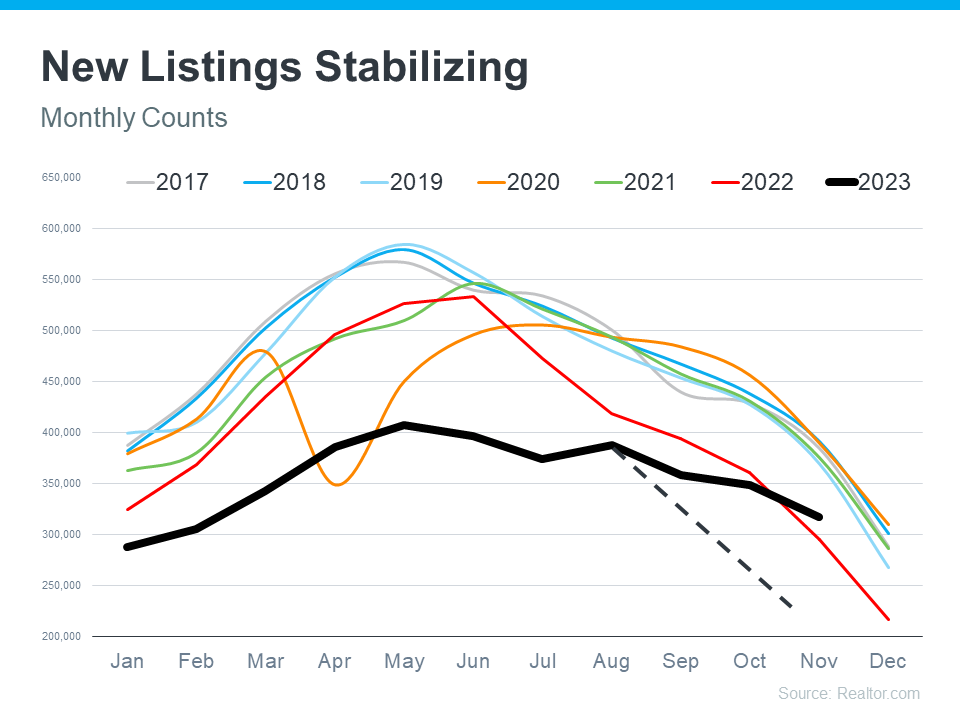
In the housing market, there are regular patterns that happen every year, called seasonality. Spring is the peak homebuying season and also when the most homes are typically listed for sale (homes coming onto the market are known in the industry as new listings). In the second half of each year, the number of new listings typically decreases as the pace of sales slows down.

The graph below uses data from Realtor.com to provide a visual of this seasonality. It shows how this year (the black line) is breaking from the norm (see graph below):

Looking at this graph, three things become clear:

  • 2017-2019 (the blue and gray lines) follow the same general pattern. These years were very typical in the housing market and their lines on the graph show normal, seasonal trends.

  • Starting in 2020, the data broke from the normal trend. The big drop down in 2020 (the orange line) signals when the pandemic hit and many sellers paused their plans to move. 2021 (the green line) and 2022 (the red line) follow the normal trend a bit more, but still are abnormal in their own ways.

  • This year (the black line) is truly unique. The steep drop off in new listings that usually occurs this time of year hasn’t happened. If 2023 followed the norm, the line representing this year would look more like the dotted black line. Instead, what’s happening is the number of new listings is stabilizing. And, there are even more new listings coming to the market this year compared to the same time last year.

What Does This Mean for You?

  • For buyers, new listings stabilizing is a positive sign. It means you have a more steady stream of options coming onto the market and more choices for your next home than you would have at the same time last year. This opens up possibilities and allows you to explore a variety of homes that suit your needs.

  • For sellers, while new listings are breaking seasonal norms, inventory is still well below where it was before the pandemic. If you look again at the graph, you’ll see the black line for this year is still lower than normal, meaning inventory isn’t going up dramatically and prices aren’t heading for a crash. And with less competition from other sellers than you’d see in a more typical year, your house has a better chance to be in the spotlight and attract eager buyers.

Bottom Line

Whether you’re on the hunt for your next home or thinking of selling, now might just be the perfect time to make your move. If you have questions or concerns about the availability of homes in your local area, connect with a real estate agent.

BuyerHomeownerNew Homeowner January 2, 2024

Down Payment Assistance Programs Can Help Pave the Way to Homeownership

If you’re looking to buy a home, your down payment doesn’t have to be a big hurdle. According to the National Association of Realtors (NAR), 38% of first-time homebuyers find saving for a down payment the most challenging step. But the reality is, you probably don’t need to put down as much as you think:

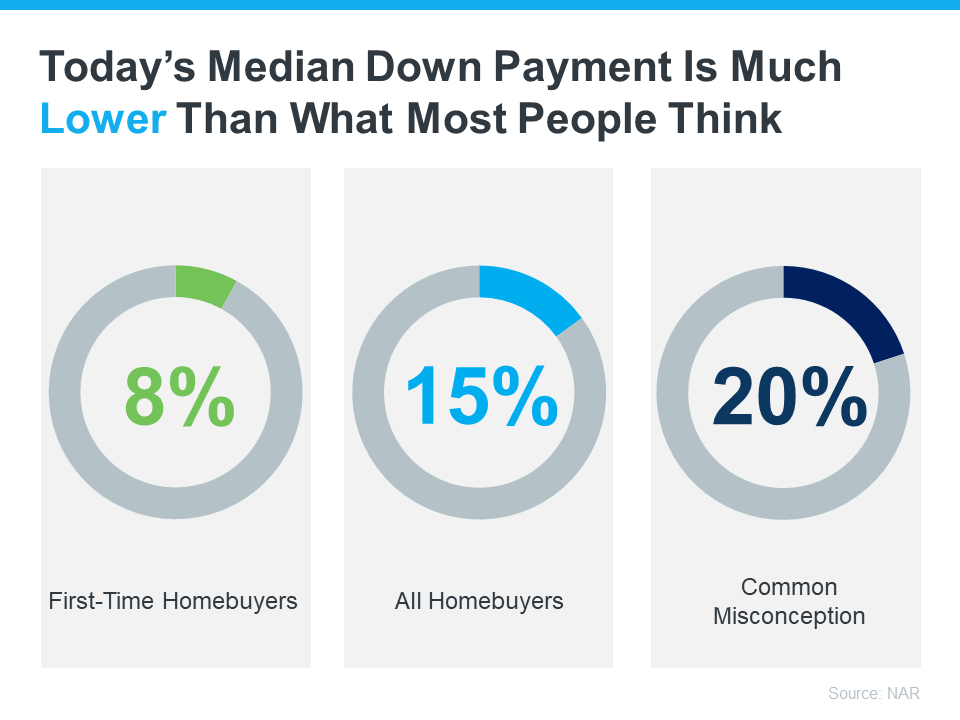
Data from NAR shows the median down payment hasn’t been over 20% since 2005. In fact, the median down payment for all homebuyers today is only 15%. And it’s even lower for first-time homebuyers at 8%. But just because that’s the median, it doesn’t mean you have to put that much down. Some qualified buyers put down even less.

For example, there are loan types, like FHA loans, with down payments as low as 3.5%, as well as options like VA loans and USDA loans with no down payment requirements for qualified applicants. But let’s focus in on another valuable resource that may be able to help with your down payment: down payment assistance programs.

First-Time and Repeat Buyers Are Often Eligible

According to Down Payment Resource, there are thousands of programs available for homebuyers – and 75% of these are down payment assistance programs.

And it’s not just first-time homebuyers that are eligible. That means no matter where you are in your homebuying journey, there could be an option available for you. As Down Payment Resource notes:

“You don’t have to be a first-time buyer. Over 39% of all [homeownership] programs are for repeat homebuyers who have owned a home in the last 3 years.”

The best place to start as you search for more information is with a trusted real estate professional. They’ll be able to share more information about what may be available, including additional programs for specific professions or communities. 

Additional Down Payment Resources That Can Help

Here are a few down payment assistance programs that are helping many of today’s buyers achieve the dream of homeownership:

  • Teacher Next Door is designed to help teachers, first responders, health providers, government employees, active-duty military personnel, and veterans reach their down payment goals.

  • Fannie Mae provides down-payment assistance to eligible first-time homebuyers living in majority-Latino communities.

  • Freddie Mac also has options designed specifically for homebuyers with modest credit scores and limited funds for a down payment.

  • The 3By30 program lays out actionable strategies to add 3 million new Black homeowners by 2030. These programs offer valuable resources for potential buyers, making it easier for them to secure down payments and realize their dream of homeownership.

  • For Native Americans, Down Payment Resource highlights 42 U.S. homebuyer assistance programs across 14 states that ease the path to homeownership by providing support with down payments and other associated costs.

Even if you don’t qualify for these types of programs, there are many other federal, state, and local options available to look into. And a real estate professional can help you find the ones that meet your needs as you explore what’s available. 

Bottom Line

Achieving the dream of having a home may be more within reach than you think, especially when you know where to find the right support. To learn more, reach out to a real estate professional who can guide you through the available resources.