Uncategorized July 10, 2023

Harmonious Connections: Library of Virginia Unites Cultures Through Music

In an era of increasing globalization, cultural exchange plays a vital role in fostering understanding, empathy, and appreciation among diverse communities. While there are numerous mediums through which cultural exchange can occur, music has a unique ability to transcend linguistic and cultural barriers, touching the hearts and souls of people worldwide. Recognizing this, the Library of Virginia has taken a remarkable initiative to promote cultural exchange through music. The Library of Virginia is creating a platform where diverse cultures can harmoniously coexist and share their unique musical heritage by hosting musical performances and events showcasing a rich tapestry of global traditions.

Exploring the Power of Music:

Music has long been regarded as a universal language capable of evoking emotions, telling stories, and connecting individuals across borders. It has the power to preserve and transmit cultural heritage, serving as a powerful tool for cultural diplomacy. The Library of Virginia has recognized this potential and leveraged it to foster an environment of cross-cultural appreciation and understanding.

A Platform for Diversity and Inclusion:

The Library of Virginia serves as a hub for cultural enrichment, offering a platform for artists from different cultural backgrounds to showcase their musical talents. Through collaborations with local communities, embassies, and cultural organizations, the library has successfully curated a series of concerts, performances, and workshops celebrating the richness and diversity of musical traditions worldwide.

By hosting musicians representing a broad spectrum of genres, styles, and traditions, the Library of Virginia ensures that visitors have the opportunity to experience the beauty and intricacies of various musical cultures. From traditional folk music to contemporary fusion, each performance opens a window into a different world, exposing audiences to new rhythms, melodies, and stories.

Building Bridges Between Communities:

The Library of Virginia’s commitment to cultural exchange goes beyond simply providing a platform for musicians to perform. The library actively encourages dialogue and interaction between performers and audience members, fostering connections and understanding between diverse communities. Through pre and post-concert discussions, workshops, and educational programs, attendees can engage with artists, ask questions, and gain deeper insights into the cultural context and significance of the music.

The library’s dedication to inclusivity extends to accessibility as well. Many events are free of charge and open to the public, ensuring that everyone has the opportunity to participate in these transformative cultural experiences.

Celebrating Virginia’s Rich Cultural Tapestry:

In addition to hosting international musicians, the Library of Virginia also highlights the vibrant musical traditions of its own state. Virginia has a rich and diverse cultural history deeply rooted in Native American, African, European, and Appalachian traditions. By organizing performances by local artists and ensembles, the library reinforces the importance of preserving and celebrating the musical heritage of Virginia, contributing to the cultural fabric of the state.

The Library of Virginia has become a beacon of inclusivity, understanding, and unity through its commitment to cultural exchange through music. By bringing together artists and audiences from diverse backgrounds, the library creates a space where cultural boundaries dissolve, and the transformative power of music reigns supreme. Through this innovative initiative, the Library of Virginia continues to foster cross-cultural appreciation, celebrate diversity, and build bridges between communities, ultimately creating a more harmonious and interconnected society.

BuyerHomeowner July 6, 2023

Lending Standards Are Not Like They Were Leading Up to the Crash

You might be worried we’re heading for a housing crash, but there are many reasons why this housing market isn’t like the one we saw in 2008. One of which is how lending standards are different today. Here’s a look at the data to help prove it. 

Every month, the Mortgage Bankers Association (MBA) releases the Mortgage Credit Availability Index (MCAI). According to their website:

“The MCAI provides the only standardized quantitative index that is solely focused on mortgage credit. The MCAI is . . . a summary measure which indicates the availability of mortgage credit at a point in time.”

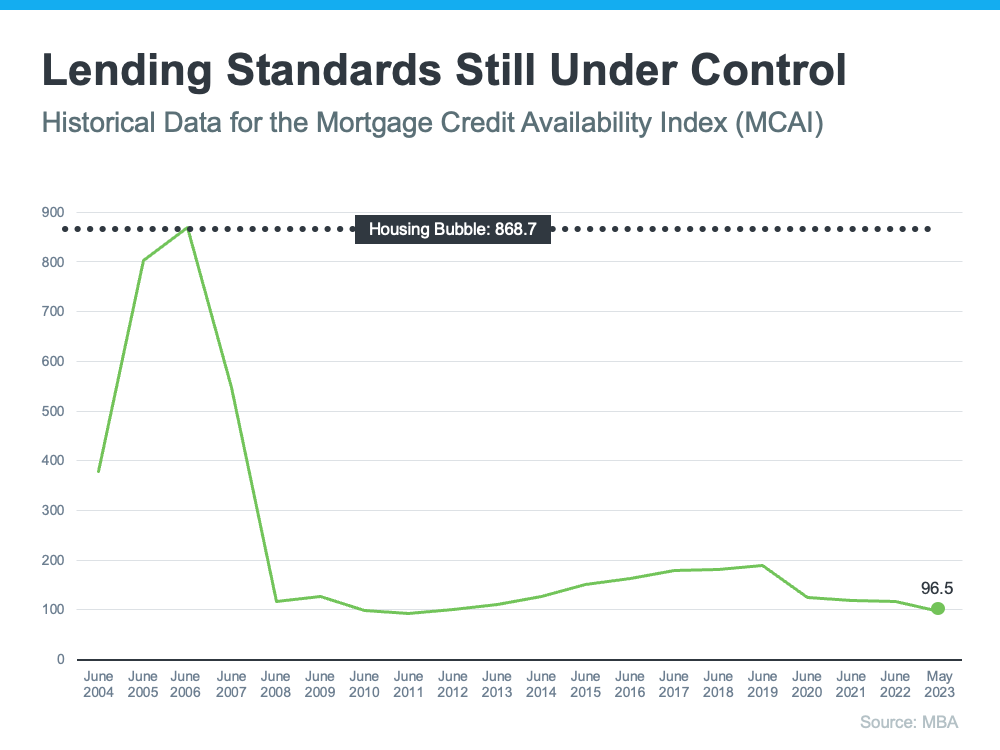
Basically, the index determines how easy it is to get a mortgage. Take a look at the graph below of the MCAI since they started keeping track of this data in 2004. It shows how lending standards have changed over time. It works like this: 

  • When lending standards are less strict, it’s easier to get a mortgage, and the index (the green line in the graph) is higher.

  • When lending standards are stricter, it’s harder to get a mortgage, and the line representing the index is lower.

In 2004, the index was around 400. But, by 2006, it had gone up to over 850. Today, the story is quite different. Since the crash, the index went down because lending standards got tighter, so today it’s harder to get a mortgage.

Loose Lending Standards Contributed to the Housing Bubble

One of the main factors that contributed to the housing bubble was that lending standards were a lot less strict back then. Realtor.com explains it like this: 

“In the early 2000s, it wasn’t exactly hard to snag a home mortgage. . . . plenty of mortgages were doled out to people who lied about their incomes and employment, and couldn’t actually afford homeownership.” 

The tall peak in the graph above indicates that leading up to the housing crisis, it was much easier to get credit, and the requirements for getting a loan were far from strict. Back then, credit was widely available, and the threshold for qualifying for a loan was low.

Lenders were approving loans without always going through a verification process to confirm if the borrower would likely be able to repay the loan. That means creditors were lending to more borrowers who had a higher risk of defaulting on their loans.

Today’s Loans Are Much Tougher To Get than Before

As mentioned, lending standards have changed a lot since then. Bankrate describes the difference: 

“Today, lenders impose tough standards on borrowers – and those who are getting a mortgage overwhelmingly have excellent credit.”

If you look back at the graph, you’ll notice after the peak around the time of the housing crash, the line representing the index went down dramatically and has stayed low since. In fact, the line is far below where standards were even in 2004 – and it’s getting lower. Joel Kan, VP and Deputy Chief Economist at MBA, provides the most recent update from May:

“Mortgage credit availability decreased for the third consecutive month . . . With the decline in availability, the MCAI is now at its lowest level since January 2013.”

The decreasing index suggests standards are getting much tougher – which makes it clear we’re far away from the extreme lending practices that contributed to the crash.

Bottom Line

Leading up to the housing crash, lending standards were much more relaxed with little evaluation done to measure a borrower’s potential to repay their loan. Today, standards are tighter, and the risk is reduced for both lenders and borrowers. This goes to show, these are two very different housing markets, and this market isn’t like the last time.

BuyerNew HomeownerRenter July 6, 2023

Why Homeownership Wins in the Long Run

Today’s higher mortgage rates, inflationary pressures, and concerns about a potential recession have some people questioning: should I still buy a home this year? While it’s true this year has unique challenges for homebuyers, it’s important to think about the long-term benefits of homeownership when making your decision.

Consider this: if you know people who bought a home 5, 10, or even 30 years ago, you’re probably going to have a hard time finding someone who regrets their decision. Why is that? The reason is tied to how home values grow with time and how, by extension, that grows your own wealth. That may be why, in a recent Fannie Mae survey, 70% of respondents say they believe buying a home is a safe investment.

Here’s a look at how just the home price appreciation piece can really add up over the years.

Home Price Growth over Time

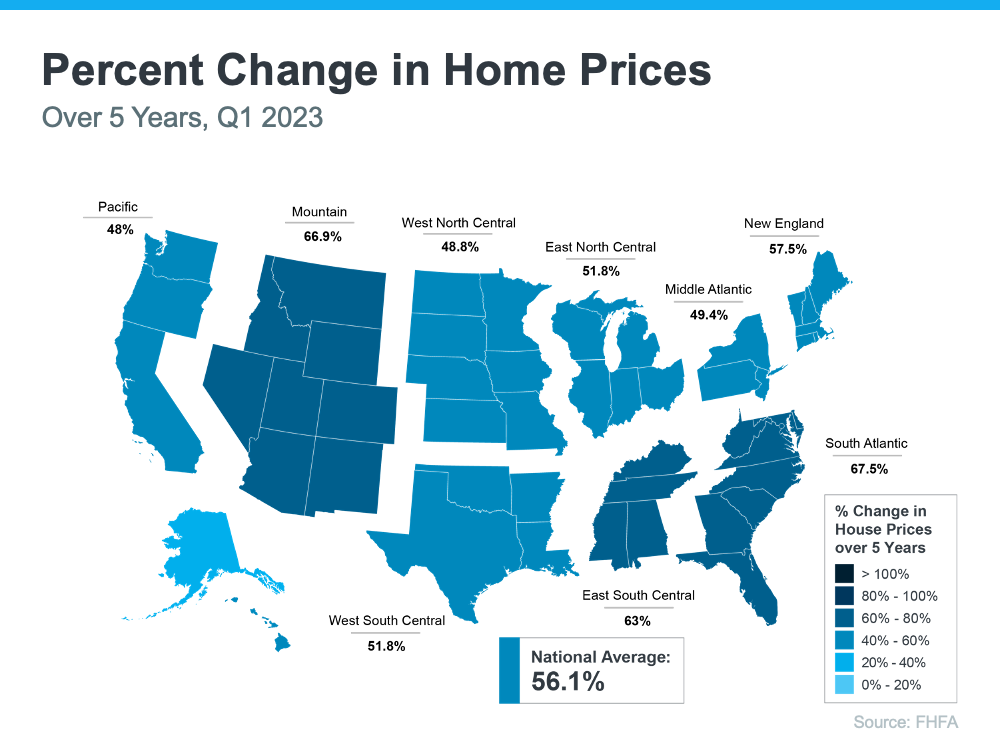
The map below uses data from the Federal Housing Finance Agency (FHFA) to show just how noteworthy price gains have been over the last five years. And, since home prices vary by area, the map is broken out regionally to help convey larger market trends.

If you look at the percent change in home prices, you can see home prices grew on average by just over 56% nationwide over a five-year period.

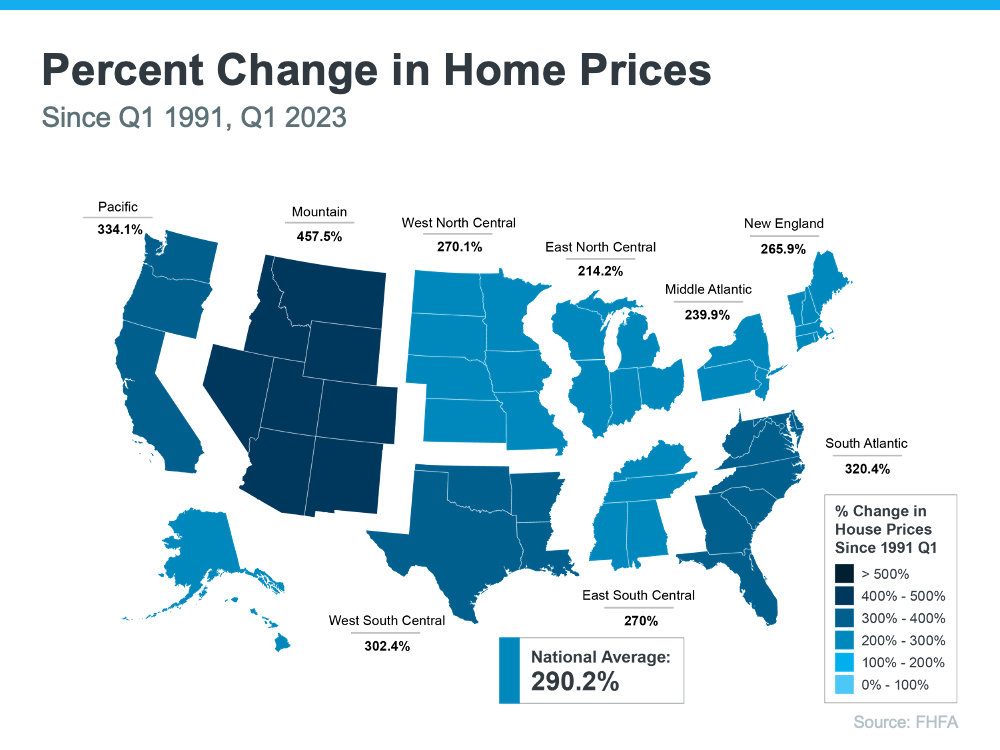
Some regions are slightly above or below that average, but overall, home prices gained solid ground in a short time. And if you expand that time frame even more, the benefit of homeownership and the drastic gains homeowners made over the years become even clearer (see map below):

The second map shows, nationwide, home prices appreciated by an average of over 290% over a roughly 30-year span.

 This nationwide average tells you the typical homeowner who bought a house 30 years ago saw their home almost triple in value over that time. That’s a key factor in why so many homeowners who bought their homes years ago are still happy with their decision.

And while you may have heard talk in late 2022 that home prices would crash, it didn’t happen. Even though home prices have moderated from the record peak we saw during the ‘unicorn’ years, prices are already rebounding in many areas today. That means, in most markets, your home should grow in value over the next year.

The alternative to buying a home is renting, and rental prices have been climbing for decades. So why rent and deal with annual lease hikes for no long-term financial benefit? Instead, consider buying a home.

Bottom Line

If you’re questioning if it still makes sense to buy a home today, remember the incredible long-term benefits of homeownership. If you’re ready to start the conversation, let’s connect today.

BuyerHomeownerNew HomeownerRenterSeller July 6, 2023

The True Cost of Selling Your House on Your Own

Selling your house is a complex process that can be challenging to navigate on your own. Real estate agents have the expertise and resources to help you sell your home quickly and for the best possible price.

Here are some of the ways a real estate agent can help you sell your home:

  • Marketing and exposure: Agents have access to a wide range of marketing tools and platforms, including MLS listings, professional photography, and virtual tours. This can help you reach a wider audience of potential buyers.

  • Managing liability and legal considerations: Selling a house comes with a lot of legal paperwork. Agents are familiar with the contracts, disclosures, and regulations necessary during a sale, which can help you avoid legal complications.

  • Negotiations and contracts: Agents can help you negotiate the terms of a sale and protect your interests. They have experience in handling tough negotiations, counteroffers, and contingencies.

  • Pricing and housing market knowledge: Agents have access to comprehensive market data and the expertise to analyze it accurately. This can help you price your home competitively and avoid overpricing or underpricing it.

If you’re considering selling your home, it’s important to weigh the pros and cons of selling on your own versus working with an agent. While selling on your own can save you money on commission fees, it can also be time-consuming and stressful. An agent can help you navigate the selling process smoothly and get the best possible price for your home.

Here are some additional benefits of working with a real estate agent:

  • Peace of mind: Knowing that you have an experienced professional on your side can give you peace of mind during the selling process.

  • Time savings: Agents can handle the day-to-day tasks of selling your home, freeing up your time to focus on other things.

  • Expert advice: Agents have years of experience in the real estate market and can provide you with valuable advice and guidance.

If you’re ready to sell your home, I encourage you to contact a real estate agent today. They can help you make the process as smooth and stress-free as possible.

GeneralHomeowner June 30, 2023

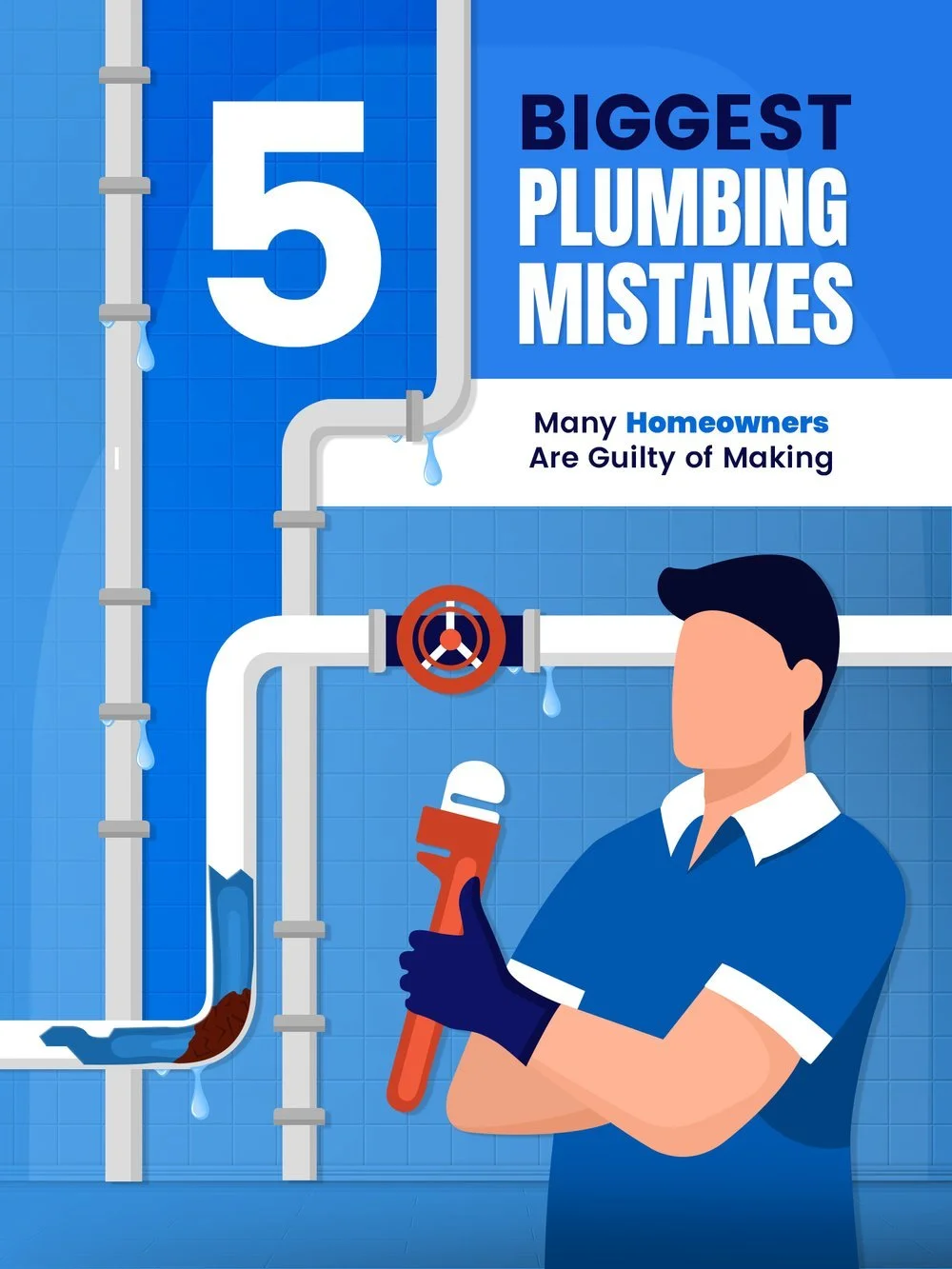
5 Biggest Plumbing Mistakes Many Homeowners Are Guilty of Making

You may not think much about it, but plumbing is an integral part of your home’s systems. Plumbing issues such as dripping faucets, leaky pipes, running toilets, or frustratingly low water pressure do happen. Some of these may occur due to regular wear and tear. Unfortunately, some are downright results of poor plumbing practices and maintenance, which could lead to more serious issues including drainage problems and water damage, to name a few. 

Here are five mistakes and poor habits that many homeowners make, and some tips on how to avoid them:

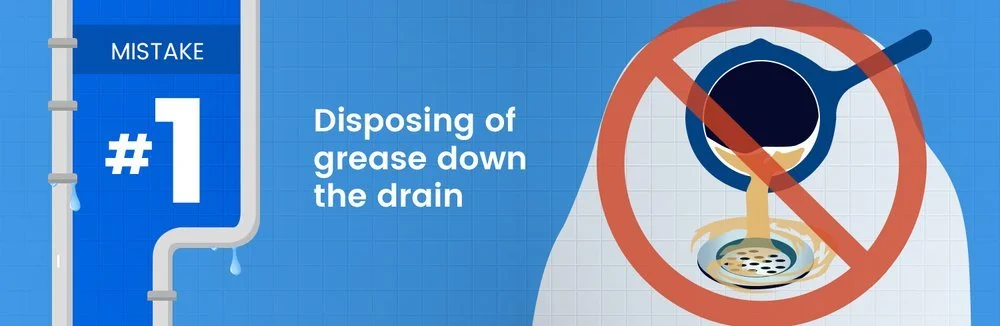
Some items should never go down the sink drain, especially oils, fats, and grease. Dumping too much grease down the kitchen sink can clog your drain and do real damage over time. Once the grease has cooled down to a reasonable temperature, simply toss it in the trash or a disposable container. The same goes for other items such as eggshells, coffee grounds, and any food waste.

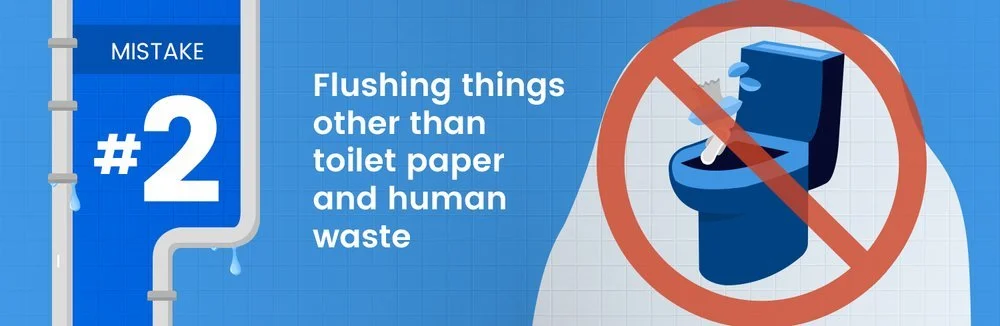
Another common plumbing mistake of many homeowners and people, in general, is flushing down materials other than toilet paper or natural human waste. While it is usually just common sense that you shouldn’t flush things such as feminine hygiene products, baby wipes, cotton swabs, and even toys and other odd items, this is a common problem in homes with children and teenagers.

These types of items may initially go down the toilet perfectly well, but then they’d get stuck somewhere along the drain line. They can cause backups and clogs in your home’s plumbing system that can be difficult to remove, and can even cause flooding that can damage your home entirely. Flushing such materials can also be damaging to the environment since city sewer systems are not equipped to handle them, so it’s best to just dispose of them in the trash. Since children are often curious to see if they can flush toys and other stuff, it’s best to watch over them if they’re playing with toys near the bathroom.

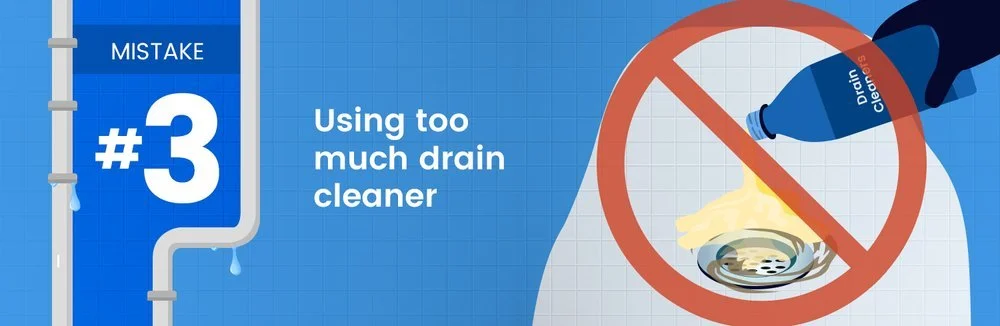
If you’re reaching for that commercial drain cleaner too often, thinking that it’s a miracle product that can unclog every drain around your home, it’s probably time to look for an alternative. Commercial drain cleaners, while a short-term solution, can cause bigger problems in the long run. These products contain harsh chemicals that can damage metal traps in your home’s plumbing system, corrode pipe walls, and destroy not only metal pipes but also PVC pipes, which can lead to leaks and costly replacements.

Experts suggest that instead of grabbing a liquid drain cleaner, use natural solutions first such as a mixture of baking soda and vinegar followed by boiling water to loosen up the clog, or alternative products like a drain snake or a power auger. And honestly, if you often find yourself dealing with clogged drains, it might be time to call a local plumber to find the problem quickly.

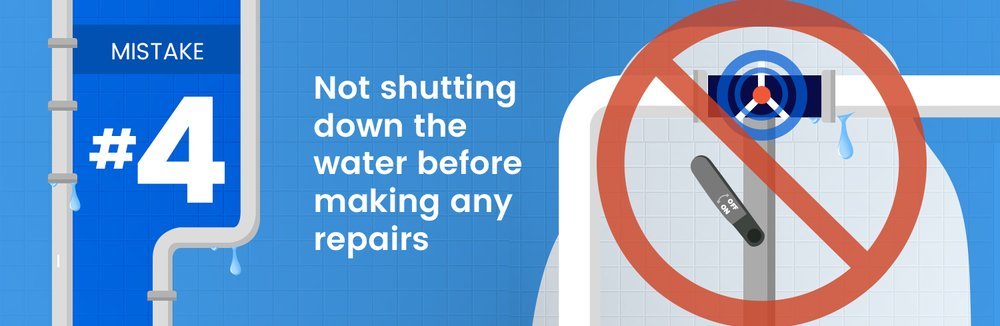
It’s a common mistake for many homeowners and DIYers, thinking that they can leave the water on as long as they work quickly on any water-related project. But this rarely goes as planned, and could result in an even bigger problem: household flooding and possible dripping down to the floors beneath. 

This is why it’s critical to turn off the water at the main water shut-off valve or at least turn off the shut-off valve to the fixture you’re planning to work on. Taking those extra few minutes to shut off the water supply could save you thousands of dollars in damage to your property and belongings. 

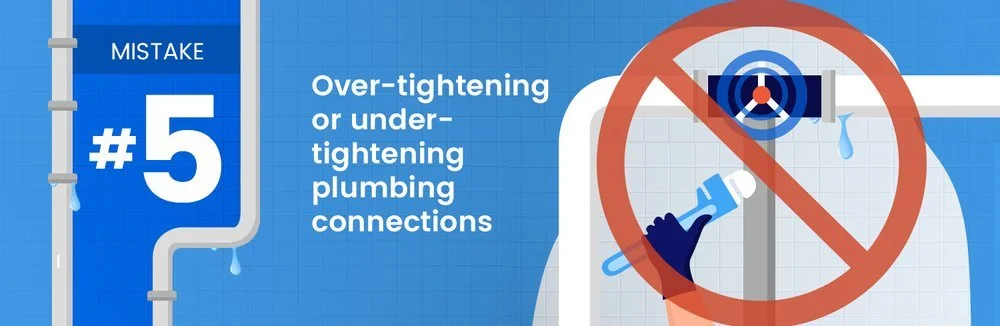
Plumbing repairs take time and money, which is why many homeowners choose to handle some plumbing issues on their own. However, one of the most common mistakes DIYers make is over-tightening faucet supply tubes, pipes, plastic fittings, and bolts that hold down toilets or fixtures. They think that the tighter it is, the better, but that is often not the case. Over-tightening can cause fittings to split, crack, or break altogether, which can also cause a leak. And the worst part of this small error is, it could take weeks for a fitting to completely break, and by then you could be dealing with a leak that could cause major flooding.

Likewise, under-tightening can also cause leaks. Check your fixtures and fittings often to see if they were looser than when you installed them.

Bottom line

Having a home you can call your own means living up to the responsibilities associated with it, including repair and maintenance. Never ignore minor plumbing issues as they can come back to haunt you. And if you don’t feel confident enough to tackle them yourself, it might be best to call a local professional to fix them rather than suffer from a costly and more stressful situation later on. 

BuyerHomeowner June 27, 2023

Oops! Home Prices Didn’t Crash After All

During the fourth quarter of last year, many housing experts predicted home prices were going to crash this year. Here are a few of those forecasts:

Jeremy Siegel, Russell E. Palmer Professor Emeritus of Finance at the Wharton School of Business:

“I expect housing prices fall 10% to 15%, and the housing prices are accelerating on the downside.”

Mark Zandi, Chief Economist at Moody’s Analytics:

“Buckle in. Assuming rates remain near their current 6.5% and the economy skirts recession, then national house prices will fall almost 10% peak-to-trough. Most of those declines will happen sooner rather than later. And house prices will fall 20% if there is a typical recession.” 

Goldman Sachs

“Housing is already cooling in the U.S., according to July data that was reported last week. As interest rates climb steadily higher, Goldman Sachs Research’s G-10 home price model suggests home prices will decline by around 5% to 10% from the peak in the U.S. . . . Economists at Goldman Sachs Research say there are risks that housing markets could decline more than their model suggests.”

The Bad News: It Rattled Consumer Confidence

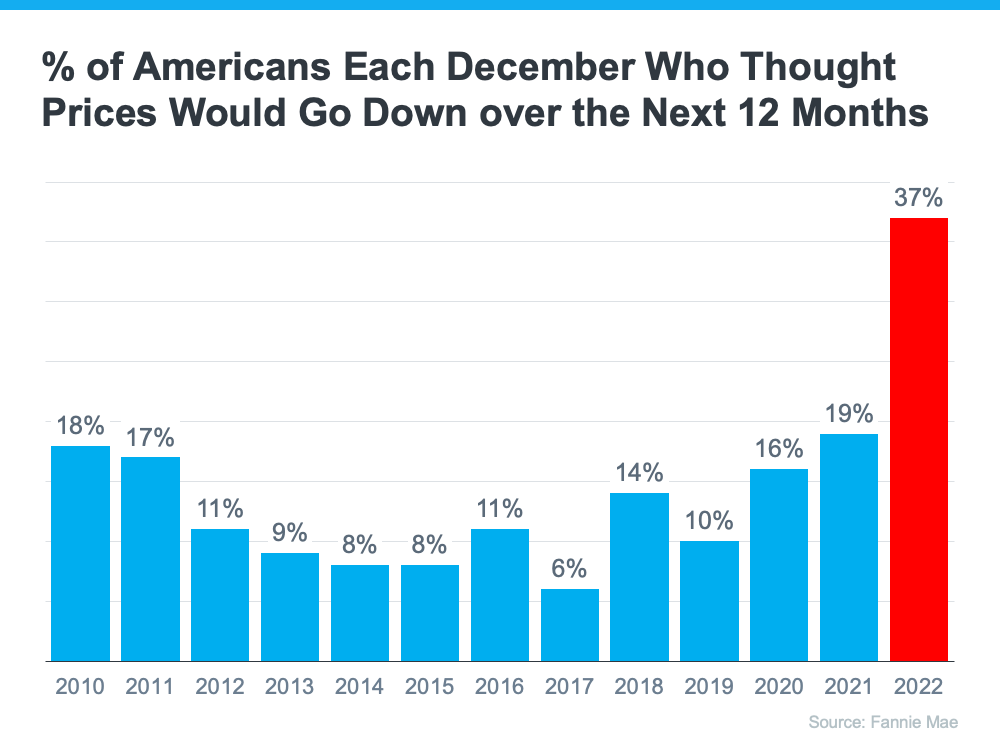
These forecasts put doubt in the minds of many consumers about the strength of the residential real estate market. Evidence of this can be seen in the December Consumer Confidence Survey from Fannie Mae. It showed a larger percentage of Americans believed home prices would fall over the next 12 months than in any other December in the history of the survey (see graph below). That caused people to hesitate about their homebuying or selling plans as we entered the new year.

The Good News: Home Prices Never Crashed

However, home prices didn’t come crashing down and seem to be already rebounding from the minimal depreciation experienced over the last several months. 

In a report just released, Goldman Sachs explained:

“The global housing market seems to be stabilizing faster than expected despite months of rising mortgage rates, according to Goldman Sachs Research. House prices are defying expectations and are rising in major economies such as the U.S.,. . . ”

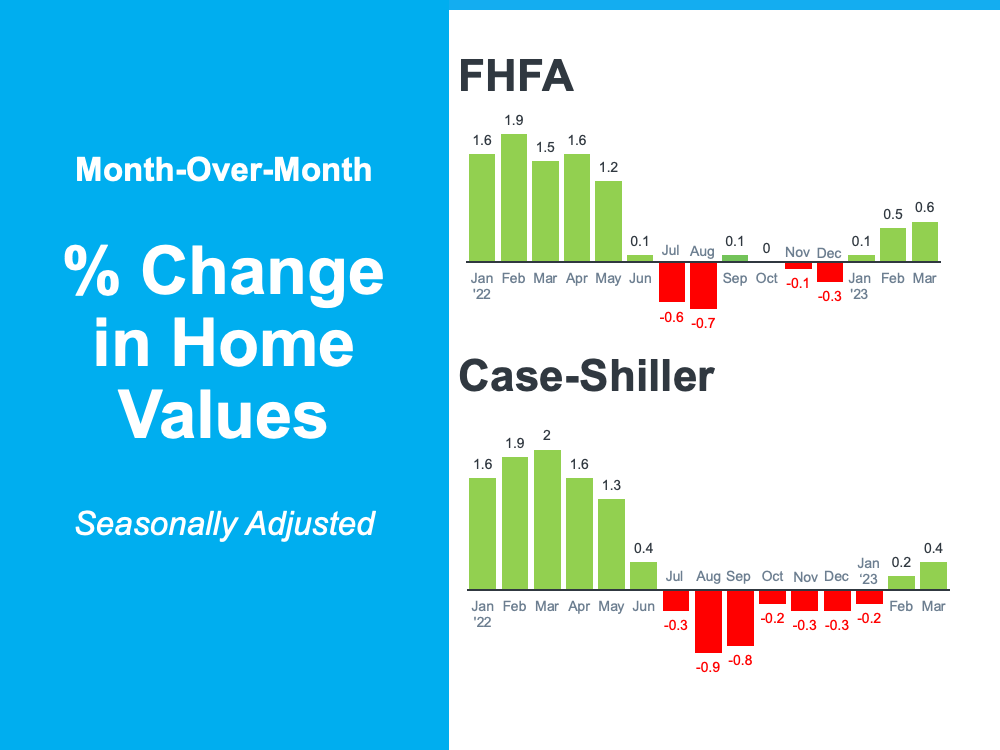
Those claims from Goldman Sachs were verified by the release last week of two indexes on home prices: Case-Shiller and the FHFA. Here are the numbers each reported:

Home values seem to have turned the corner and are headed back up.

Bottom Line

When the forecasts of significant home price depreciation were made last fall, they were made with megaphones. Mass media outlets, industry newspapers, and podcasts all broadcasted the news of an eminent crash in prices.

Now, forecasters are saying the worst is over and it wasn’t anywhere near as bad as they originally projected. However, they are whispering the news instead of using megaphones. As real estate professionals, it is our responsibility – some may say duty – to correct this narrative in the minds of the American consumer.

Uncategorized June 21, 2023

Today’s Real Estate Market: The ‘Unicorns’ Have Galloped Off

Comparing real estate metrics from one year to another can be challenging, as the market is constantly changing and unpredictable events can have a significant impact on the results. This is especially true when comparing the current market to the two “unicorn” years of 2020 and 2021, which were characterized by unprecedented demand, low mortgage rates, and rising home values.

For example, buyer demand is down from the two “unicorn” years, but it is still strong compared to normal years. Home values are also rising, but at a more moderate pace.

In short, comparing the current market to the “unicorn” years is not a fair comparison. The market is constantly changing, and it is important to consider the context when interpreting data.

Key takeaways:

* Comparing real estate metrics from one year to another can be challenging due to variability in the market and unpredictable events.

* The two “unicorn” years of 2020 and 2021 were characterized by unprecedented demand, low mortgage rates, and rising home values.

* The current market is still strong, but it is not the same as it was during the “unicorn” years.

* It is important to consider the context when interpreting data, and comparing the current market to the “unicorn” years is not a fair comparison.

Seller June 21, 2023

Moving Now Can Give Your House Its Day in the Sun [INFOGRAPHIC]

Some Highlights

Seller June 19, 2023

Last-Minute Home Showing Checklist for Sellers

When you put up your home for sale, keep in mind that last-minute notices to show it to prospective buyers are always a possibility. But we trust that you’ve done all the huge and critical tasks even before listing, including deep cleaning, depersonalizing, and making little but necessary repairs. 

Now, all you need is a simple checklist just in case you get a call from your agent that a buyer wants to see your house in an hour… or less. Here are a couple of tasks you can do to further make a good impression and lessen the stress of every single home showing.

Bottom line

Remember that any home showing has the potential to lead to a sale. And while it’s better for buyers to see a messy home than no home at all, that extra charm of keeping it clean and tidy might just seal the deal. The key is to maintain a good cleaning and organizing habit so every home showing will go a bit smoother even if you are still living in the home.

Uncategorized June 19, 2023

Keys to Success for First-Time Homebuyers

Buying your first home is an exciting milestone, but it can also be a daunting task. The homebuying process can be complex and overwhelming, especially for first-time homebuyers. However, there are a number of things you can do to make the process easier and more affordable.

Here are a few tips for first-time homebuyers:

  • Do your research: Before you start looking at homes, it’s important to do your research and learn as much as you can about the homebuying process. This includes understanding the different types of mortgages, the different types of housing, and the different costs associated with homeownership.

  • Get pre-approved for a mortgage: Getting pre-approved for a mortgage will give you an idea of how much you can afford to spend on a home. This will also make it easier to make an offer on a home, as sellers will be more likely to consider an offer from a buyer who is pre-approved for a mortgage.

  • Consider first-time homebuyer programs: There are a number of first-time homebuyer programs available that can help you with the down payment, closing costs, or even your mortgage interest rate. These programs are often offered by state and local governments, as well as by private lenders.

  • Be open to different housing options: Not all homes are created equal. There are a variety of different housing options available, including single-family homes, condominiums, townhomes, and apartments. Each type of housing has its own advantages and disadvantages. It’s important to consider your needs and budget when choosing a housing option.

  • Work with a real estate agent: A real estate agent can help you find homes that meet your needs and budget. They can also negotiate on your behalf and provide valuable information about the homebuying process.

Buying your first home can be a great experience, but it’s important to be prepared. By following these tips, you can make the process easier and more affordable.