Homeowner November 10, 2020

3 Huge Tips For Refinancing Your Mortgage Even If You Have Bad Credit

Refinancing your mortgage can help ease your financial burden and give you some breathing room. And with the current rates staying at an all-time low, it might be worthwhile to look into refinancing options so you can save money on your monthly payments. 

However, one of the biggest hurdles to refinancing is credit score. Many lenders require borrowers to have a minimum credit score of 620 and have solid financial standing. But remember that credit requirements still vary by lender and the type of refinance loan.
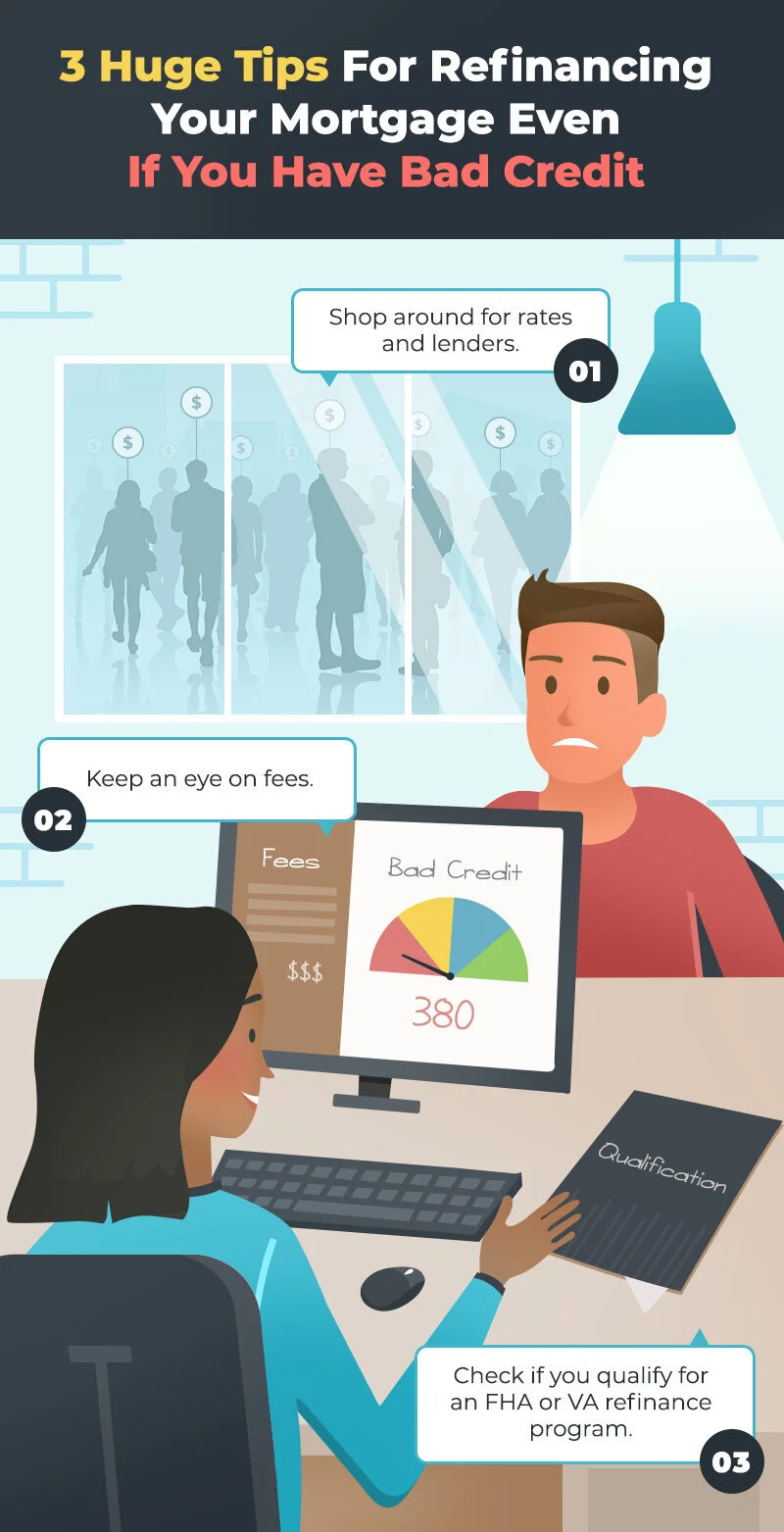
Regardless of your credit, refinancing your mortgage is still possible. It could be more challenging, yes, but still possible. So here are three tips to keep in mind when you decide to tackle the refinance process.

1. Shop around for rates and lenders.

When you start looking for refinancing options, your initial thought might be to go to your former lender. It makes sense since this lender has already given you a mortgage before, he or she could be more likely to help you refinance.

However, experts say it’s also worth it to shop around for another lender who may be willing to give you a better rate, even if you have less-than-stellar credit. Check and compare for the best interest rates among real mortgage brokers, online mortgage brokers, and even institutions. If you can’t find the rates of a specific lender on comparison websites, try reaching out to the lender or institution directly to see for yourself if they actually have reasonable rates. 

2. Keep an eye on fees.

Just as you did when you were getting your original mortgage, you’ll need to pay closing fees when you refinance, which could amount to hundreds or thousands of dollars. This is why it’s imperative that you also ask about any fees—origination, appraisal fees, etc., so you’ll know how much you can really save. It’s possible that you may have found a lower rate with another lender or mortgage company, only to discover that their fees were higher.

Don’t be shy about asking for an itemized list of fees from each potential lender so you can find the one with a lower rate and more reasonable charges.

3. Check if you qualify for an FHA or VA refinance program.

  • FHA Streamline Refinance Program

FHA loans, which are insured by the Federal Housing Administration, have refinancing options for borrowers with credit scores below 600. If you have an existing FHA loan, you can take advantage of the FHA Streamline Refinance program to help you permanently lower your monthly mortgage payments.

As long as you’ve paid your monthly payments on time and in full, you can lock in today’s lower refinance rates without the need for a lender to verify your income, run a credit check, or demand a home appraisal.

  • FHA rate-and-term refinance

Aside from their Streamline Refinance program which is reserved for current FHA borrowers, you may be able to benefit from an FHA rate-and-term refinance especially if you have a high interest rate or a conventional home loan. 

“Rate and term” simply refers to the ability to get a lower rate or change the loan term. In the program, the lender will require a new appraisal, do a credit check, and calculate your debt-to-income ratio (DTI). Another thing you need to do to qualify is provide proof of six consecutive monthly payments that are on time and paid in full. 

Just remember that unlike a cash-out refinance, the purpose of the rate-and-term program is to help you reduce your monthly housing costs, so all proceeds must be used to pay your existing mortgage and costs associated with the transaction.

  • VA streamline refinance

VA loans are a powerful and attractive home financing option because you can refinance up to 100 percent of the home’s value. They are guaranteed by the U.S. Department of Veterans Affairs and are specifically for military service members, veterans, and eligible surviving spouses. 

If you have an existing VA mortgage, you can refinance by taking advantage of the VA Interest Rate Reduction Refinance Loan (IRRRL) to be able to lower your monthly payments. With the IRRRL, there’s no need for you to worry about your credit score and it typically does not require an appraisal, although the lender might. This is why it is also known as a VA streamline refinance because the process is simplified. 

Same as with the FHA refinance programs, you must have made at least six monthly mortgage payments in order to be eligible. Just take note that some lenders might have more stringent guidelines when it comes to the said qualification.


Seller November 9, 2020

5 Trends You Should Consider When Deciding If Now Is The Right Time To Sell Your Home

The pandemic has changed the world in so many ways. It affects the things we do, the way we interact with each other, and even the home buying decisions we make.

If you want to help your home sell quickly, make sure you’re paying attention to the things that are important to buyers these days.

When it comes to home buying, people are looking for properties with home offices, they are looking for areas where socialization can be done safely, and they are looking for access to outdoor locations.

During these unusual times, buyers are seeking homes that are COVID friendly while agents are emphasizing the characteristics to make them more desirable.

This article will help make your home more attractive to buyers with the new COVID-19 landscape.


Home Offices

There is no doubt that the work from home trend is taking over. Many employees and employers prefer it because it saves time and money on commuting, increases employee satisfaction and allows for a more flexible schedule.

In February, statistics showed that 3.4% of the American population (about 4.7 million workers) worked from home.

Once the pandemic hit, that number increased by leaps and bounds.

Employers did what they could to keep their businesses afloat and their workers employed while reducing the risk of illness by relying on telecommunication. In June of 2020, 40% of workers were reported as working from home due to the pandemic.
Because so many people are working at home, the value of having a dedicated office space has skyrocketed. In fact, home offices are said to be the hottest housing feature among home buyers with 60% saying working from home is influencing the kind of house they want.

In order to make sure your house is appealing to the greatest number of buyers, the spaces should be optimized to provide the right professional settings. They should be equipped to accommodate high speed internet. They should have outlets for lighting and office equipment. A home office that appeals to buyers should also have plenty of natural light to maintain a cheery atmosphere within the room.

The location of the office space within the house is also important. It’s important to note, buyers prefer home offices in quiet, separated parts of the home. Professional real estate agents from the National Association of Realtors, Inman, and Agent Advice agree that your home will attract more buyers if it’s not too close to other rooms like the kitchen or the children’s bedrooms as the proximity can cause distractions that limit productivity.

Outdoor Spaces

Paying attention to the landscape and outdoor spaces will also help you sell your home faster.  While outdoor spaces have always been attractive to buyers, they have become more of a necessity during the pandemic.

Research shows that a spread of the virus is much less likely to happen outside. The air works to dilute the virus, so the chances of transmission are greatly reduced.

Because the spread of the virus is not as likely to occur outdoors, outdoor events are one of the only ways to socialize.

Therefore, if you want to see friends and relatives, an outdoor space will be the best way to do it. This could make all the difference to those of you missing your loved ones. It also makes for a great way for your children to finally see their friends.

Homebuyers will be more interested in homes  with outdoor spaces that are large enough to accommodate a table and chairs for sitting as well as some play space for the kids. If you have the time, adding an attractive garden will also add to the aesthetic to make your home even more desirable.  

Note, while researchers have said that outdoor spaces greatly reduce transmission of the virus, they still advise everyone to still wear a mask and stay six feet apart.

Access to Outdoor Areas

There is no doubt that since the pandemic started, outdoors is the way to go. Not only are more people gathering outdoors, they are also looking to the outdoors as the main place to go for recreational activities. Today, a day out is much more likely to consist of a hike in a nearby park than shopping at the mall.

Because outdoor activities are becoming more popular, home buyers will look for a home that’s close to a park or hiking trail. The closer they can get, the better. 

Also, it is more important than ever for homes to be located in a safe neighborhood. That way people can enjoy outdoor activities any time of day without having to worry about possible attacks or spreading.

Easy to Clean/ Antimicrobial Countertops

Once home buyers looked at kitchen countertops wondering which ones were the most trendy and attractive. Today however, it’s about which countertops are easy to clean.

If you are looking to upgrade your home to get a higher listing price, you might want to replace your countertops with styles that don’t have seams between tiles where dirt and germs can get in. Buyers are also looking for materials like quartz that are stain and scratch resistant and antimicrobial. Quartz’s nonporous structure makes it impossible for germs to get in. That alone would be a big plus in a buyer’s mind. 

Copper is another antimicrobial surface that ages beautifully.

Other anti-bacterial, though slightly more expensive options include semiprecious stones like agate, tigareye, and petrified wood. Many manufacturers also make laminate countertops that offer protection from microbes.

Antimicrobial wall paint is another trend you may want to be looking out for.

Certain markets have their own trends based on the community’s culture. Make sure your agent is up to date on your neighborhood’s overall architecture and desired aesthetic. Upgrading your countertop to a style that is popular in your area will help make sure you get a higher listing.

Updated HVAC Systems

COVID spreads through airborne transmission and is most likely to be contagious in indoor spaces. Optimal ventilation may limit the spread.

Some steps technicians can take to improve ventilation include configuring ducted HVAC systems to increase the rate of exchange of indoor air with fresh air from the outside.

If there is an older HVAC system in the home, the following upgrades can be made:

  • Replace fixed speed fan motors with variable speed ones to better control airflow

  • Introduce a sophisticated airflow control system that is sensitive to pressure to allow for smoother adjustment of airflow

  • Install high performance air purification systems

Home buyers will be looking for homes with updated HVAC systems that increase filtration and air flow control to reduce the spread of germs.

COVID has changed the face of homebuying. Today’s buyers are looking for homes that provide germ free spaces, access to outdoor areas and reduce transmission of the virus. This will dictate the current home buying trends as well the face of real estate for the future.

Seller November 4, 2020

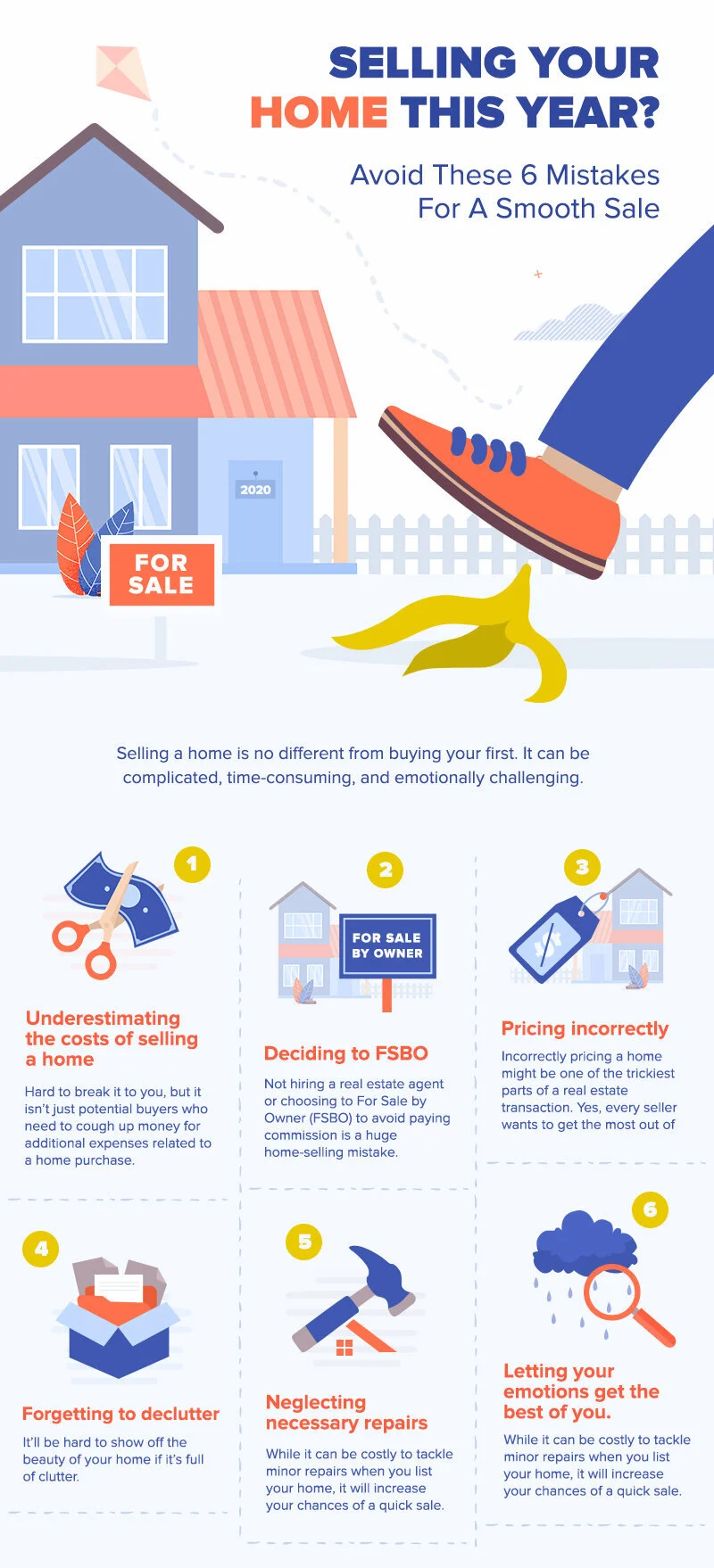
Selling Your Home This Year? Avoid These 6 Mistakes For A Smooth Sale

Selling a home is no different from buying your first. It can be complicated, time-consuming, and emotionally challenging. There’s no way you can just let go of your precious abode and easily trade your house keys for a sweet pile of money. 

This is why it’s easier enough to make lots of mistakes throughout this journey. Here are some of the most common home-selling mistakes, and some of the best practices you can take to avoid jumping into these pitfalls and lose your mind during the whole process.

1. Underestimating the costs of selling a home

Hate to break it to you, but it isn’t just potential buyers who need to cough up money for additional expenses related to a home purchase. You also need to get ready for things such as closing costs, agent commissions, staging costs, home inspection repairs, seller concessions, and even moving expenses for your next home. These costs could simply add up and overwhelm you if you don’t prepare for it.

2. Deciding to FSBO

Not hiring a real estate agent or choosing to For Sale by Owner (FSBO) to avoid paying commission is a huge home-selling mistake. According to the National Association of Realtors’ 2019 Profile of Home Buyers and Sellers, only eight percent of recent home sales were FSBO, which remains at an all-time low. FSBO homes sold at a median of $200,000, compared to the median of agent-assisted homes which is at $280,000. That’s a whopping $80,000 difference! 

A good agent will help you set a fair and competitive price for your property, accompany you through the home inspection, guide prospective buyers during showings (especially during this pandemic where restrictions and protocols are in place), negotiate on your behalf, handle all the necessary paperwork, and more. Further, any problems that may arise during the real estate transaction will be handled professionally. Your agent’s knowledge and marketing expertise is also a key to a successful and less stressful home sale.

3. Pricing incorrectly

Incorrectly pricing a home might be one of the trickiest parts of a real estate transaction. Yes, every seller wants to get the most out of their biggest investment. However, if you price your home too high, you could turn away serious buyers and risk wasting precious time as your overpriced home sits longer on the market. 

The best way to set the right price for your property is not through any home valuation tools on the internet, but by hiring a real estate agent. The agent will do a comparable market analysis that will show how much homes like yours are selling for in your neighborhood. An overpriced home can be a huge turn-off to buyers, and eventually, it may result in low-ball offers. But a home that was priced just right from the beginning will attract savvy buyers and multiple offers that could drive up the home’s true market value. 

4. Forgetting to declutter

It’ll be hard to show off the beauty of your home if it’s full of clutter. Potential buyers will have trouble visualizing their stuff if they are welcomed by misplaced toys, stains in the kitchen countertops, funky odors, and other things that will make them think twice about checking the home further. 

As soon as you’ve decided to list your home for sale, start sorting out your things and get rid of the stuff you don’t need. Clear out your closets and drawers to help buyers appreciate your precious storage space. Get everyone in the family involved by thinking of it as a headstart for the packing you’ll eventually have to do when you move. 

5. Neglecting necessary repairs

While it can be costly to tackle minor repairs when you list your home, it will increase your chances of a quick sale. Unless you’re planning to sell your house “as-is” to investors or you’re listing it as a fixer-upper, many home buyers would be keen to see a home that is being taken care of. You can do minor cosmetic upgrades such as painting the walls and front door, replacing light bulbs, fixing damaged windows, loose locks and door handles, and other issues that need your attention. Remember that many of these simple repairs can go a long way when you put your house on the market so you’re better off fixing them early on.

Likewise, you can start looking into your options when you’ve discovered major issues, such as cracks in the foundation, electrical wiring problems, plumbing issues, mold growth, and roof problems in your home. Whether you will pay for professionals to fix any of these major issues or you will give discounts to the buyer is up to you and your realtor.

6. Letting your emotions get the best of you.

You’ve spent valuable years living in it; you’ve celebrated countless milestones, accomplishments, and celebrations with your family and loved ones. So it’s only natural to have a deep emotional attachment to your house. But when you start selling it, you need to have an open mind and approach the whole process as a business deal. You also need to remember that each home sale is unique because of many factors, so don’t get frustrated and work closely with your realtor for the best way to handle and evaluate purchase offers.

Bottom Line

There are going to be challenges and obstacles along the way as you list your home for sale. But the key to moving forward is to be prepared emotionally and practice your willingness to set realistic expectations about anything that might happen in the transaction.

Buyer October 28, 2020

The Key Professionals You Need On Your Team When Buying A Home

The home buying process can be tricky and complex, and the last thing you’d want is to go at it alone. Your journey towards landing on your dream home can only be smooth sailing if you have an experienced and talented team of professionals to guide you in every step of the process. Even if you’re already a seasoned home buyer, working with these people will be well worth it.

Here are the seven key professionals you want to be on your dream team, together with their roles. These people will make the home buying experience simpler, less stressful, and definitely one of the most exciting moments in your life. 

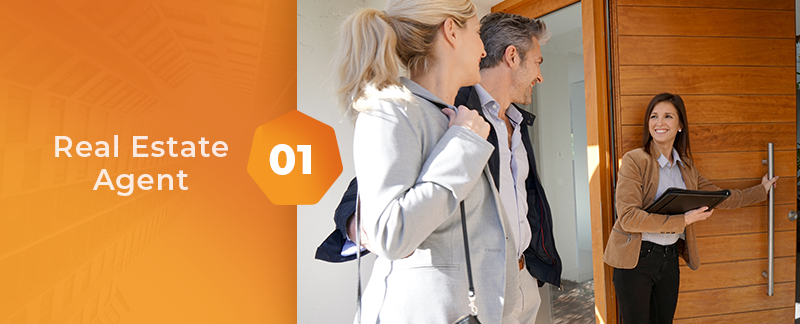
The process of purchasing a home will feel less daunting and overwhelming when you work with an experienced and knowledgeable real estate agent. Your agent will be there to represent your best interests and make sure the home-buying experience is as smooth as possible. 

When you first meet with your agent, be prepared to discuss your goals, priorities, your must-haves and deal-breakers, and also your financial situation. Your agent will weigh these considerations against the current trends in your market then send you home listings that suit your criteria and budget. This is why you’d want a local buyer’s agent that is not only knowledgeable in market prices, but also knows the neighborhood well.

If you want to do some video-chat tours before physically visiting the property, your agent will use their experienced eye to point out features and flaws in the home so you will only be seeing homes that you really like. A real estate agent will also help you on your purchase offer, get involved in the final negotiations, and will be there with you during closing until you are handed the keys, so make sure you choose an agent you can trust and will have your best interest at heart. 

If you’re going to borrow funds in the form of a mortgage to buy your home, you will need to carefully choose a lender you’ll be working with, especially since there are various loan types and mortgage lenders out there. Aside from your agent, your lender will be with you during the home buying process, and likely for years after the home is purchased as you pay the loan. 

Even before you start your house-hunt, getting a pre-qualification letter is highly recommended but getting a pre-approval makes you a strong buyer. A pre-qualification is an informal way to see how much you will be able to borrow, which is a great place to start when you are out with your real estate agent looking at homes. But if you are ready to buy now, the pre-approval is your biggest asset when getting into offers and negotiations. The pre-approval is the lender’s commitment to lend to you and is assessed by the lender looking at your creditworthiness, income and assets, and other relevant paperwork. This commitment is what will help secure your loan and get you into the underwriting process.

From then on, your lender or mortgage company will work with you and your agent to hire an appraiser, facilitate the escrow process, and finalize the closing costs associated with buying a home. Your lender will also handle things like property taxes and insurance payments until the mortgage is paid off, so it’s important to thoughtfully choose a reliable lender to work with.

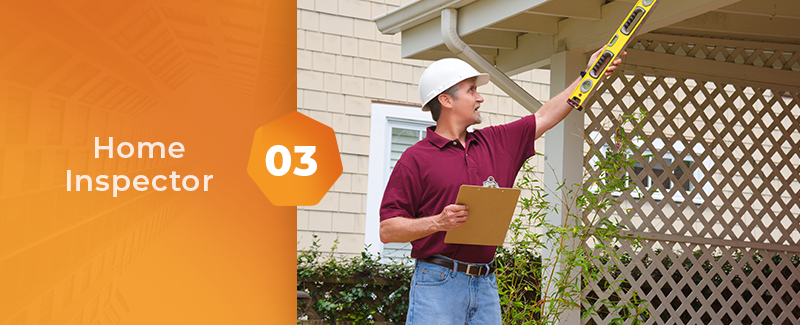
Another crucial step in the search for your dream home is the home inspection, which is why having a knowledgeable home inspector on your team is also important. Remember that your property is probably one of your biggest investments so you want to make sure you protect yourself from any future issues or hefty expenses for major repairs later on.

After the initial offer has been accepted, you’ll want to hire a home inspector to thoroughly inspect the home’s condition, uncover any hidden issues that only a professional could, and estimate the cost of repairs. Issues related to structure, electrical, or plumbing will be easily spotted by their trained eyes. This way, you and your realtor can negotiate with the seller to cover the costs of repairs, lower the total purchase price, or simply walk away from the real estate transaction, especially if the home was found to have some serious structural damage.

Depending on the age and condition of the home, you may also consider hiring inspectors that will specifically check for mold, lead paint, and other toxic materials like radon and asbestos.

Make sure you don’t confuse the home appraiser with the home inspector. The home appraiser determines the value of the property for sale through an unbiased and professional evaluation called the home appraisal, which is required by lenders before issuing a mortgage. An appraiser will consider factors such as the size of the home, exterior and interior conditions, and will compare it to similar home sales in the neighborhood before determining the home’s value. 

The appraiser will verify that the home you want is worth the money you’re going to pay for it before you get the loan, and ensure you’re getting a good deal on the house you want. 

Your title officer or title company also plays a huge role in your home buying journey. The title officer will do a thorough investigation of public records to ensure the legality of the title of the property. They will make sure that there aren’t any outstanding mortgage payments, unpaid taxes, liens on the title, or other issues before ownership is transferred from the seller to you. After this, they will issue a title insurance policy that will protect you from any outstanding claims over the ownership of the property, protecting you as the buyer as well as your lender.

Some states require that a real estate lawyer is present at closing, while others do not. But even if your state does not require one, hiring a real estate attorney can be well worth it to help mitigate risk and help you have a smooth home purchase. 

Your lawyer can help prepare and review documents, will resolve any disputes that arise during the transaction, especially if you’re purchasing a distressed property or inherited estate, and will be present at closing to represent your interests. Since real estate laws are a matter for state and local jurisdictions, having an attorney on your team can ease your mind when it comes to buying your biggest asset.

You’re definitely going to want financial protection for one of your biggest purchases, thus the need to purchase home insurance. A standard home insurance policy generally protects your home and personal property if it’s damaged by most natural disasters, theft, water damage, and accidents. Your home insurance pays to repair or rebuild your property in case it has been damaged, and also covers your personal belongings, additional living expenses, and liability protection. The coverage you’ll need will depend on the location, age, and condition of your home.

Buyer October 20, 2020

The Pros And Cons Of Buying A Property Near A Cemetery

Would you mind buying a home near a cemetery? Or do you think it could be a “grave” mistake, especially if you’re on the hunt for your first home?

With roughly over 144,000 cemeteries and graveyards located in the U.S., it isn’t surprising that many of them are located close to residential neighborhoods. 

But because location matters in real estate, many buyers may find it unsettling to buy next to a graveyard. A cemetery is considered an “undesirable” location after all, much like near train tracks, a highway, near an airport, or even close to a cell tower. 

While studies have shown that cemeteries in general had no obvious effect on home prices, here are some of the pros and cons to help you think things through.

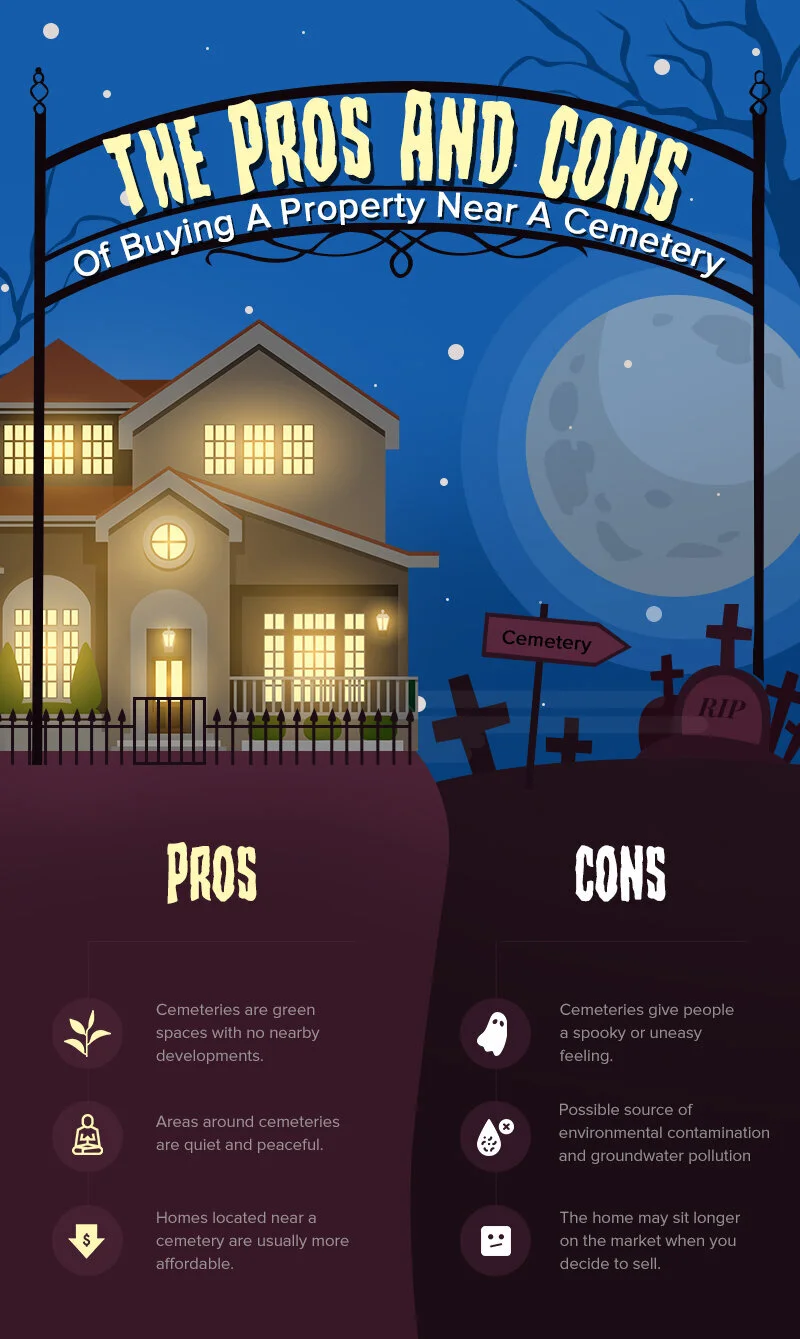
PROS

Cemeteries are green spaces with no nearby developments.

Graveyards are typically well-maintained and beautifully landscaped, with park-like spaces where people can enjoy walking and do other forms of exercises. Also, cemeteries are almost always being left alone, which is why homeowners living near them won’t have to worry about residential or commercial developments that might affect their neighborhood.

Areas around cemeteries are quiet and peaceful.

It’s true when they say, “cemeteries make quiet neighbors”. While there’ll be noise from occasional funeral processions, earth movers, and visitors, cemeteries are usually quiet for much of the year. Especially if you’re fed up with the normal hustle and bustle or rowdy neighbors and their noisy activities, this is where you can find the peace and tranquility you’re looking for. 

It’s also perfect for people who love the history and connection of a cemetery to the community.

Homes located near a cemetery are usually more affordable.

This is great news if you’re looking for more affordable homes and don’t mind living a stone’s throw away from a graveyard. According to a 2016 research by realtor.com®, the median home price in neighborhoods with a cemetery are about 12% lower than similar properties in other areas without graveyards. And since a cemetery is not seen by many as a good selling point, sellers might be glad to negotiate on the price. 

And if a discounted price is not yet a huge advantage, properties near cemeteries are usually larger and have more space.

CONS

Cemeteries give people a spooky or uneasy feeling.

While this one is more psychological, the spooky atmosphere of a cemetery can give many people the creeps. For some, it might even be a taboo to consider a property next to a row of tombstones. Others might not want a constant reminder of their mortality and don’t want to be reminded of the sorrow and grief that comes from losing a loved one. 

Possible source of environmental contamination and groundwater pollution

One concern is the risk of toxic chemicals from coffins, formaldehyde from the embalming liquid, and even mercury from medical products, which can pass through the soil and intro groundwater. However, there’s now a growing number of “green” cemeteries where green or natural burials are being done as a viable alternative.

The home may sit longer on the market when you decide to sell.

Since a cemetery is generally not seen as a selling point, properties near cemeteries tend to sit longer on the market. There’s also a limited pool of potential buyers because of the stigma surrounding cemeteries. 

But despite the longer days on the market, studies have shown that homes for sale near cemeteries are not severely impacted by the proximity of the deceased, and may actually sell for more.

Tips when contemplating whether to buy a home near a cemetery:

  • Acknowledge the location – You might have to accept that it is what it is, just like buying a home near a school district or next to a train track. The condition of the graveyard may also be a consideration—whether it is well-maintained, and if there’s a buffer between the homes and the cemetery.

  • Focus on the property itself – If you’re still wary of living near a cemetery, try to look past the tombstones and highlight the home’s features. Is it sitting on a desirable cul-de-sac? Does the home have new HVAC systems, or an updated kitchen or master bath? Is the home’s architectural style something you’ve been dreaming about? At the end of the day, it boils down to whether you’ve considered the pros and cons of living near a cemetery and if you’ve already found your dream home.

Seller October 13, 2020

5 Factors To Consider When Deciding How Long You Should Live in Your Home Before You Sell

Whether you just got your house keys last week or you’ve lived in your home for almost 20 years, you could always sell your home whenever you want. However, experts strongly advise homeowners to follow the “five-year rule” — stay in the same home for at least five years before selling. 

According to the 2019 Zillow Group Consumer Housing Trends Report, at least 62% of homeowners stay for more than 10 years, while the median number of years a seller stays in a home is 14. These figures may seem like such a long time, especially if you’re itching to sell ASAP or you think you’re more than ready to sell anytime soon. Here we’ll discuss some of the most important factors you should be aware of before making any rash decisions and putting up a “For Sale” sign.

Who doesn’t want to make money on the sale of their home? But if you want to maximize your profit, then your sale price must be greater than what’s left of your mortgage. During the first few years of your mortgage, a huge part of your payment goes towards interest rather than the principal. This makes it more difficult to make money off your sale if you’ve lived in the home for less than five years. The only exception would be if you purchased your home with a larger down payment, then your interest rate and mortgage amount will probably be smaller so it’s possible to make money in a shorter amount of time.

Your home equity is also an important factor to consider before deciding to sell. Equity, as defined by The Balance, is the portion of your property that you truly “own” and is a homeowner’s most valuable asset. Simply put, your equity is the difference between the home’s market value and what you owe in your mortgage. 

You build home equity through paying off more of the principal on your loan. If you sell too soon, you won’t have enough accrued equity and you’ll be paying more to the lender than what you’ll earn on the home’s sale.

Your equity also grows when your home appreciates in value due to a strong local real estate market and improvement projects you make, such as remodelling the kitchen or bathroom, redoing the flooring, and other renovations that have higher return on investment. It’s best to take on these projects slowly as you live in the home so you can maximize your profit when it’s time to sell.

How long should you live in your home before you sell? It may be best to stay put for at least a couple of years if you want to avoid paying hefty taxes. The home must be your primary residence for a minimum of two of the five years prior to the sale to be exempt from paying capital gains taxes on the profits of your sale — which could cost up to $250,000 for an individual or $500,000 for married couples.

Another thing to look out for is the condition of your local market, which can also make a huge difference especially if you’re eager to make more profit. If you want to sell now and your market currently favors buyers, you may not get a higher sales price than you intended. Waiting for a stronger seller’s market would be wiser, where there’s a higher demand among buyers thus an increase in home prices, but it may take a long time to wait for such. Don’t forget that you will also need to purchase a different home once you list your house for sale. 

Aside from the costs associated with selling your home, you also need to consider your home buying and anticipated moving costs. Seller closing costs often include taxes, prepayments, lender costs, and title and settlement company fees which can vary by location. 
These costs can eat a lot of your target profit, especially when you’re selling and buying in a short period of time. Also, it’s going to take some time for your property’s value to increase to cover these transaction costs. Keeping these expenses in mind before you sell is crucial because it will allow you to assess your financial situation and how you can make more money from your biggest investment—your beloved home.

Seller October 6, 2020

What Is Virtual Staging? Here’s What You Need To Know About This Trend

In today’s real estate market, there’s nothing more important than appealing to buyers online by showcasing your home in its best light. And thanks to technology, there’s now another great way to prepare your property for sale without the heavy lifting—virtual staging.

So what is it and how does it work? Read on to find out and see if it’s a viable alternative for you.

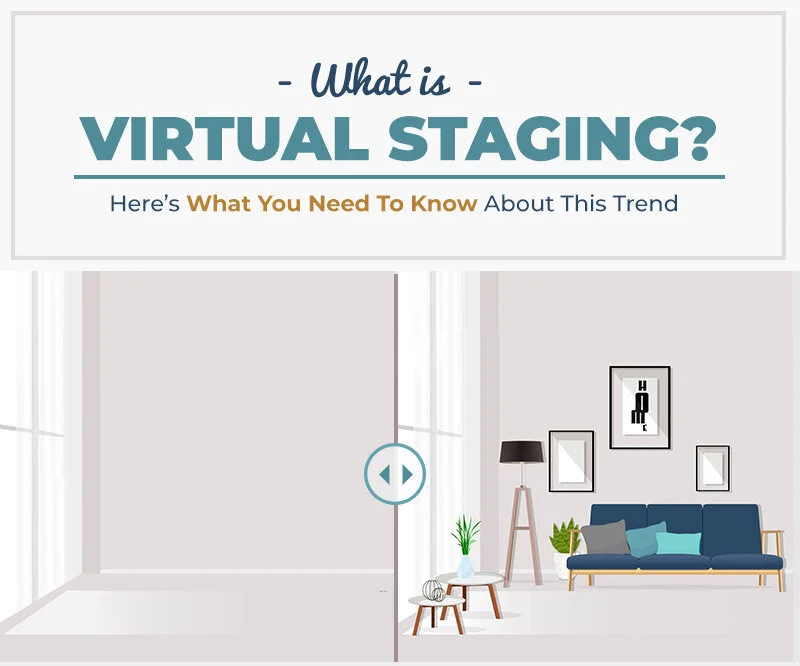
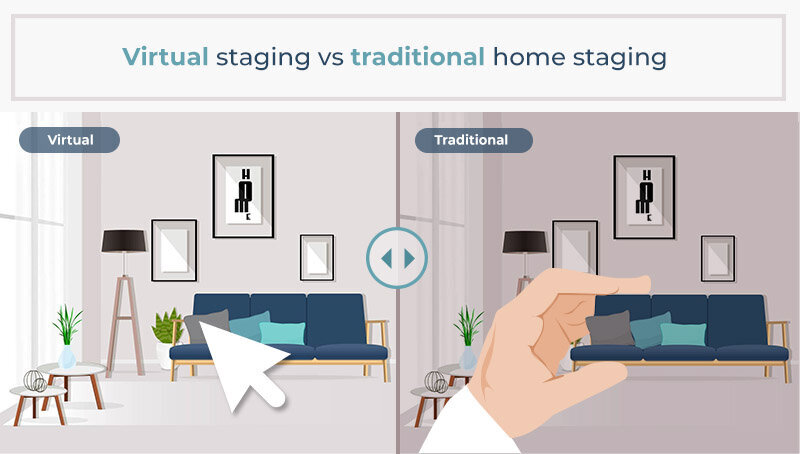
In a traditional home staging, professionals add and arrange furniture, artwork, and other decor pieces in rooms to make them look their best—an effort to entice buyers to make an offer. It’s like dressing up the home to make it look stunning for listing photos and house tours. 

Virtual staging, on the other hand, is a process where stagers or designers take digital photos of the rooms, then use photo-editing softwares and tech platforms to digitally add gorgeous furnishings and accessories. The method can make an empty (or a bady furnished) room look like it has been artfully staged. Some platforms can even do virtual renovations, like revamping a room with a new wall color or digitally erasing a peeling wallpaper, to enhance the home’s overall appeal. 

It helps potential buyers visualize what could be in the room. Especially for vacant homes or empty properties (more on this later), virtual staging helps potential owners visualize themselves living in it. It helps them imagine what each room could be like or look like once they move in.

Virtual stagers can decorate your home in any style you like. Unlike in traditional home staging where there’s usually a limit to the variety of interior furnishings and decor that can be used to spruce up your home, a virtual staging service can provide a vast portfolio of furnishing options so your home can be styled in any way you like. Designers of this trend usually have no limits and are constantly updated with the newest interior design trends.

Virtual staging is also a good idea if you know the personal preferences of your prospective buyers and want to create a customized look for them.

It’s more cost-effective than traditional home staging. Virtual staging is usually much cheaper than traditional staging, and it’s also a flat fee. According to Redfin, it costs somewhere between $39 and $199 per room, depending on the location and the amount of space you need staged. Traditional staging can cost several hundred dollars per month, depending on many factors. Just remember that each method has its pros and cons, and there are many things you need to consider aside from the price, depending on the property that needs to be staged.

It’s perfect for vacant homes. Virtual staging can be very useful if done properly in empty houses, from which the seller might have already moved out. Another scenario is if the property is inherited. Showing vacant rooms could make it harder for buyers to conceptualize how they can make use of the space. But when a room is virtually staged, it gives potential buyers an idea on how and where to place furniture and other decorations.

It’s also best for homes with outdated furniture, or even properties with tenants in them, where the landlord or homeowner has little control over the space’s appearance.

It saves time in marketing the listing. Because everything is being done on a computer, the process is a lot quicker when it comes to virtual staging. There’s no need for your home to be assessed first to get an estimate, and then find appropriate furniture and rent them out. It’s also a huge benefit to sellers who are still in the middle of renovating their home because they don’t have to wait until it’s completed for the realtor to be able to post listing photos and begin to market the home.

Limitations, concerns, and reminders about virtual staging

  • Can it be categorized as false advertising because of the misleading photos?

This is probably the biggest concern about virtual staging so it’s helpful to be aware of certain ethical boundaries. In the process of staging virtually, your home can be shown in its best light based on your target buyer. But it doesn’t mean that they can add something in the home that doesn’t exist, or remove something permanent in the home, such as a water tank. Just think of virtual staging as simply “reimagining” your home being styled with the latest design trends or decor.

  • Transparency is the key.

It’s important to clearly note on the online property listing that the photos have been virtually enhanced. This will help avoid prospective buyers from feeling tricked when they go tour the home and see rooms that look nothing like the photographs they saw online. Your real estate agent will also give them a heads-up about the rooms being virtually staged so they won’t look the same in reality. They can provide buyers with both photos of empty rooms as well as the staged rooms so they will know what to expect. This gives them the ability to see the home with or without furniture, and even decide where furniture should be placed once they already own the home.

  • Hire a good virtual staging company.

Virtually staging photos for real estate is also tricky. The images should be exceptionally realistic that buyers won’t know at first glance that they’re digitally enhanced. Thankfully, with the technology available today virtual staging no longer looks fake. The most challenging part comes when they overdo furniture and other decorative elements. 

Homeowner September 29, 2020

10 Crucial Fall Maintenance Tasks To Prepare Your Home for the Colder Months

As you enjoy the smell and warmth of pumpkin-flavored drinks and candles, pulling up some cozy sweaters as the weather grows colder, it’s also important to prepare your home for the winter or colder months to prevent any costly damage later on. Fall is the perfect time to take care of little fixes, repairs, and chores that will help keep your house in tip-top shape as the season changes. 

Below we’ve listed 10 preventative home maintenance tasks you can do now, so you can rest easy and just spend all your time cozied up inside.

1. Clean the gutters and downspouts.

Clogged gutters can cause water to overflow and damage your roof and siding. Neglected gutters are also more prone to wood rot problems, rust, and corrosion. This is why it’s important to clean the gutters and downspouts regularly, especially after summer and during fall. Remove any twigs, leaves, dirt, and other debris that may have piled up. Don’t forget to also replace any damaged gutters or downspouts to keep your roof’s drainage system flowing smoothly and avoid more expensive repairs.

2. Clean and replace your furnace filter or heating system.

If it has been months since you changed your furnace’s filter, now’s the time to do it to keep your system running smoothly. If your filters are clogged, it’s harder to keep your home at a comfortable temperature, which can seriously increase your utility bills and cost you more money. 

3. Inspect your roof for any wear and tear.

This is a crucial maintenance task you need to do to prevent leaks that can cause bigger problems inside your home. Because once there’s been a dripping, it’ll be more time-consuming to find the source of the problem. Stand in your yard and use a pair of binoculars to inspect the roof, and see if there are any loose, curled, damaged, or missing shingles. Also scan the roof around vents and chimneys for any damage.

4. Repair leaks around your windows and doors.

Go around your house and inspect any missing or damaged caulk around the windows, doors, and any other entry points for pipes and wires. Then, make sure you seal any gaps with a suitable caulk to prevent moisture from getting inside your walls. Your budget will also thank you, as gaps and leaks can be accounted for higher energy bills.

5. Inspect your home’s safety features.

The start of fall is also a great time to check your home’s carbon monoxide detectors and smoke alarms. Put in fresh batteries and test them to make sure they were installed correctly and are working properly. While you’re at it, clean the fire extinguishers and check for any dents, scratches, and corrosion. 

6. Close any water shut-off valves of exterior faucets.

To prepare your home for the colder months, especially if you live in an area with freezing weather, take the necessary steps to ensure that outside faucets don’t freeze and burst. Turn off the valves serving exterior faucets, then run the water until the pipes are empty. Draining and disconnecting all garden hoses and storing them in a shed or garage will prevent any water from freezing and damaging the pipes.

7. Fix any cracks in the driveway.

When the weather turns icy, damaged walkways and driveways can be a huge hazard. When water gets into the cracks it freezes, expands, and can make the crack even bigger, even if it started from a small crack. Fixing these problems in the fall is critical to make sure the concrete won’t crumble and leave you with a more costly expense—i.e. a bigger hole in your driveway.

8. Clean your outdoor furniture before bringing them in.

Before you pack your outdoor furniture for winter storage, make sure you clean them first as they get a good beating from the sun and other weather elements. Store the items in a garage or shed so they’re all spruced up and ready for the next year’s spring and summer season.

9. Fertilize and reseed your lawn.

The key to a great-looking lawn come spring, is to prepare it during the fall, especially before freezing temperatures come in. Because even if the grass stops growing around this time, the roots are actually growing deeper and remaining active. Fall is the best time to aerate your lawn so that moisture and nutrients can get into the roots. Then, spread fertilizer and grass seed. 

10. Clean and maintain your garden tools before storing them, then get your winter supplies ready.

This year’s spring and summer seasons might have been filled with lots of gardening and yard work, especially since we’ve spent more time at home due to the pandemic. But don’t forget: all those gardening tools and equipment also need cleaning and maintenance before you get them stored for the winter. 

If you live in an area with cold and snowy winters, fall is also the best time to stock up on winter supplies. Check the condition of snow shovels and ice scrapers and replace them if necessary. If you’re using a snow blower, you might also want to check it now and have it serviced.

Seller September 22, 2020

Common Closing Costs To Prepare For When Selling Your Home

If you’re planning to sell your home, take note that buyers aren’t the only ones who have to pay closing costs. Sellers also need to shoulder a variety of closing costs, and it’s something you need to factor into the sale price since most of it will be deducted from the profit on your home.

While closing costs for sellers can differ due to variations in local tax laws and other requirements, you can expect to pay anywhere from 8% to 10% of the home’s sale price during closing, according to Zillow.com. It’s important that you know about these potential costs to understand your obligations as a seller and avoid unwanted surprises at closing.

Here are some of the most common closing costs for sellers:

One of the most significant closing costs you have to cover when you sell your home is the real estate agent commissions. A typical commission is usually between 4 and 6% of the sales price of the home, which will be split between the listing agent and the buyer’s agent.

The real estate commission is usually the biggest fee a seller pays, but there’s a higher risk if you choose not to hire an agent and choose to For Sale by Owner (FSBO). Since selling a home is a complicated process, it’s better to have a professional by your side who will guide you through every step and make sure you get the most profit from the sale of your biggest investment. 

Commissions on real estate vary by market, and could be negotiable as long as you make a deal with your listing agent right from the start.

Another fee to keep in mind when you sell your home is title insurance fees. Sellers typically pay the buyer’s title insurance premium as part of closing costs, and the fee often varies from state to state and also based on the sales price of the home.

Title insurance protects the new owner and lender in case there are issues with your home’s title. In case there’s someone else who can claim ownership over the property, either because of a dispute over the property or because of outstanding liens from contractors, creditors, or the government, this one-time payment protects the buyer from the financial burden of sorting out title issues in court, whether they arise at closing or later down the road.

A transfer tax, also called a title fee or government transfer tax, is the tax amount that you will pay when the title for the home transfers from you to the buyer at the time of closing. It is one of the most significant fees in transferring property. The tax amount is determined by state laws, which means the cost varies a lot. This fee is also one of the main reasons why it’s difficult to get an accurate estimate of closing costs, so it might be helpful to research about it before you close the sale.

In some states, it is required by state law to have a real estate attorney oversee the closing and settlement of the real estate sale. If you have your own attorney representing you when your home is sold, you will have to consider attorney fees as part of closing costs.

Even if you are not required to hire an attorney in the state where your home is, you may want to do so especially if you are dealing with complex transactions involving distressed properties or inherited real estate. 

An escrow account is held by a third party provider that protects both the buyer and seller by keeping either party from escaping with the other’s money. You can also think of escrow like a savings account that keeps the earnest money deposit safe. Escrow fees include the signing and recording of the closing documents and the deed, and the holding of all the purchase funds. You may also have to pay fees for transferring funds, copying of documents, and notary charges. 

Escrow costs are usually between $500 and $2,000, or about 1 to 2% of the home sale price. The fees for escrow are usually split 50-50 between you and the buyer. 

Owning a property means you have to pay property taxes, which vary widely state to state. Property taxes are usually paid in advance out of an escrow account associated with your mortgage.

When you sell your home, you’ll be responsible for prorated property taxes that have accrued up to the closing date, at which point the buyer or the new owner will take over. Be prepared as you may have to pay property taxes at closing to bring yourself up to date. 

If you’re living in a neighborhood that is governed by a homeowners association (HOA), there may be HOA transfer fees to pay on top of all other closing costs mentioned above. These are standard fees that may occur when a property is transferred from one owner to another. Transfer fees are meant to cover the costs associated with preparing documents, handing out HOA’s rules to the new owner, dealing with property inspection records, changing names in the homeowner databases, changing security codes, creating new security cards, and other administrative costs.

Aside from transfer fees, you might also need to shell out some cash at closing to make sure you’ve paid up to the close date, just like with property taxes.

Buyer September 15, 2020

7 Potential Red Flags To Watch Out For When House Hunting

Buying a home is exciting and challenging. You’ll get to see different properties, each with its own features and personalities. But purchasing a home is also a huge financial commitment—you can’t just get carried away due to excitement at the cost of overlooking important details of the home, which could lead to bigger and more expensive problems down the road.

Whether it’s the location, the price, or other details that could be signs of potential red flags, it’s important to be vigilant when touring and looking at properties. It won’t be practical to spend for an inspection on every home you tour, so it’s essential to be aware of any warning signs as you’re house hunting.

Here are seven of the most common red flags to watch out for before you set your heart on any potential property and claim it as your dream home.

1. The listing includes only a few photos of the home’s interior.

Pay attention to this major red flag while you’re checking the listing online. Are you seeing only a few photos of the inside of the home? Are certain rooms or areas of the house left out and there are more photos of the exterior and its surrounding area? Remember, every home seller’s goal is to present their home in its best light. And the best way to do it is by featuring enough high-quality photos so potential buyers will know the house is in good condition. So before deciding to tour the property, ask your realtor for more photos and see if photos of certain rooms were left out intentionally. 

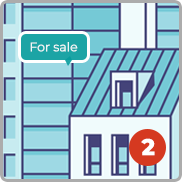
2. Many nearby homes are up for sale.

Second is to pay attention to your neighborhood and the nearby properties. Having plenty of options during your house-hunt is great, but what if there are too many homes for sale in the same street? When you see a lot of other “For Sale” homes in the neighborhood, get curious and ask your real estate agent if it should be a concern or it’s just a coincidence. It could be a huge indication that there’s an issue with the location. 
Take note and deep-dive into why these people are selling their homes. Are crime rates rising? Is it located near a busy and noisy highway? This is why it’s crucial to do some neighborhood sleuthing before buying a home. Local details such as crime statistics, school information, and other demographic data are easily accessible online and could be helpful when checking out your potential neighborhood.

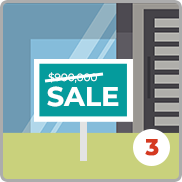
3. The house is being sold at a bargain price.

A home’s selling price is a major consideration for any buyer. When house-hunting, it’s essential to only look at homes that are within your price range or budget. But what if you see a home that is priced too low? Sounds a good bargain, huh?

Be wary if the listing price is way too low for its market value and seems too good to be true. It’s a common red flag that usually indicates a number of issues with the home. There could be an issue with the house or location, or there are major problems that will be expensive to repair. Make sure to ask your realtor about the listing price before you rush to make an offer and purchase a money pit that will give you headaches later on.

4. Odd odors inside and outside of the home

Your sense of smell is one of the most potent tools you can use when checking out potential red flags during a house tour. Pay attention to any strange or offensive smell inside and outside of the home. Funky or unpleasant odors could be an indication of mold, a plumbing issue, water damage, HVAC issues, pests, or poor ventilation. If you’re doing a video-chat tour of the home, your realtor should be able to inform you about this.
If you’re touring the home yourself, also check if the seller is using too much air freshener, or every room has a scented candle lit on. Because while these are appealing scents, they could mean the seller is trying to mask or cover up any offending odor. Likewise, don’t forget to sniff out warning signs in areas like closets, cabinets, in the basement, and any other crawl spaces.

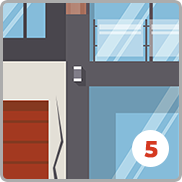
5. Cracks in the foundation

When looking at your potential property, one of the most crucial things to keep an eye out for is any cracks in the foundation. A few hairline cracks are normal as the house settles on the foundation over the years. However, large bulges or cracks on the walls and floors are huge causes for concern. They can be a sign that the home has serious structural or foundation issues, and you may have to foot the bill for potential costly repairs and foundation work once you become the homeowner. 
6. Poor drainage or any signs of water damage

Another red flag to keep an eye out for is any sign of water problems and poor drainage. Is there any pooling water near the foundation or around the yard? This can be a sign the gutters are not functioning properly, which can lead to water and mold problems inside the home. Other signs of poor drainage can include overflowing gutters or downspouts, as well as water stains. Water stains on walls, ceilings, and in the basement are easy to check as they are yellowish or brownish in color. 

Also, watch out for any leaky faucets and pipes as they could be an indication of a plumbing problem on the upper floor. If the property you’re considering is located in a flood zone, you might also want to check if the home has a history of flooding prior to purchasing.

7. Insect infestations and pest damage

Because your home will be one of your biggest assets, you wouldn’t want to purchase a property with a pest problem. As you walk through the home, look for telltale signs of pest infestations. Check for dead bugs, piles of pest droppings, signs of bed bugs, mud tunnels built by termites, or any evidence of nesting by rodents. Make sure to recognize these signs because many pests, especially the wood-destroying ones, can cause damage to a home which can be very expensive to rectify. Paying for a separate pest inspection is also worth it rather than having to shell out a significant amount of money after you bought the home and found out about those unwelcome creatures.