In this pandemic age, our ability to go out and eat at our favorite restaurants has been limited. This is why we’re becoming more acquainted with our kitchens especially in the last few months. We’re cooking more and doing a lot more cleaning since almost everyone is staying at home.
And believe it or not, there’s no need for huge renovations or DIY projects to make the heart of our home more efficient for that relentless food prep, cooking, and cleanup. We just have to do one thing—keep it organized.
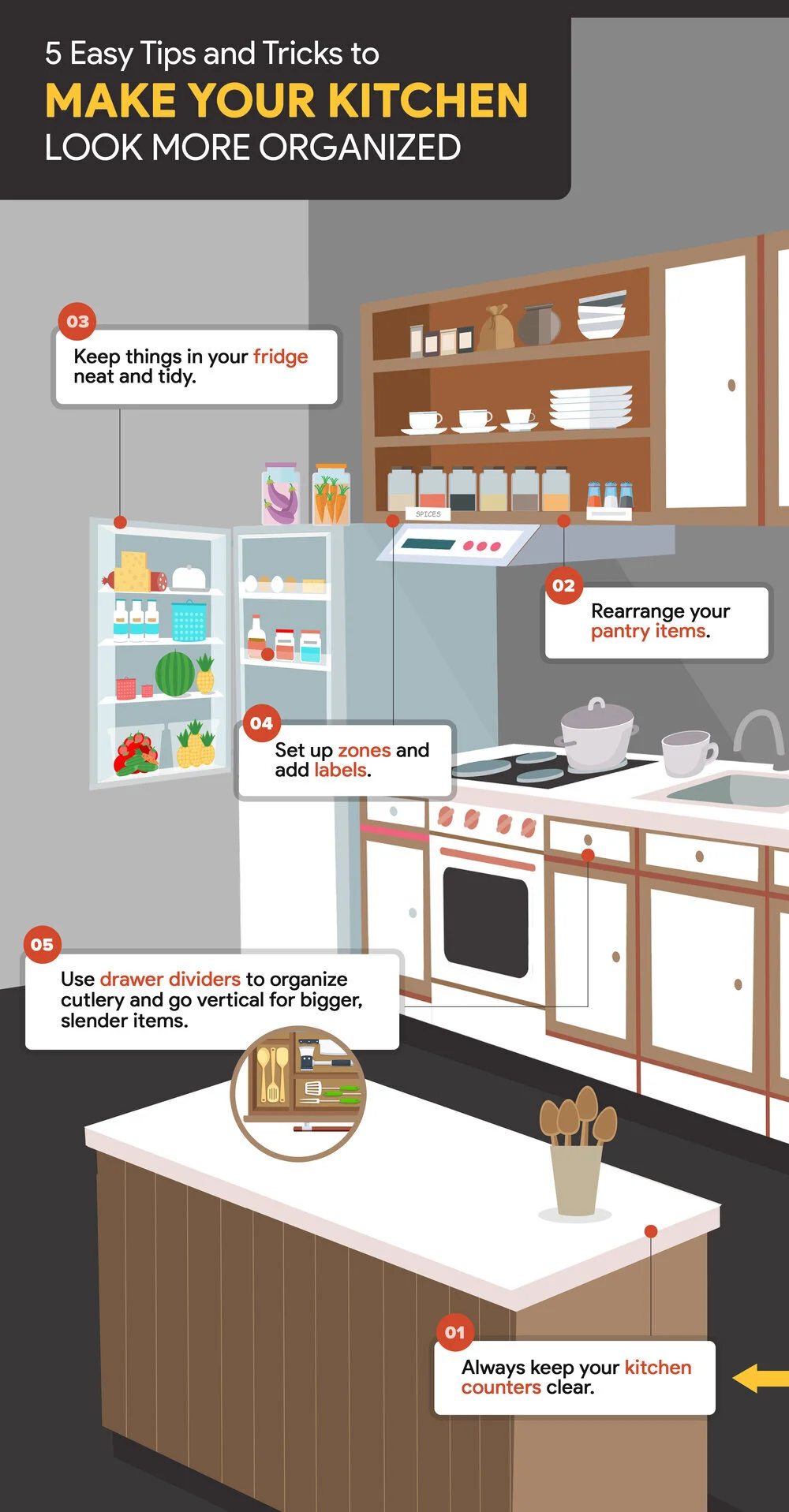
Here we’ve listed five organizing hacks to help make your kitchen activities easier and a more pleasant experience:
1. Always keep your kitchen counters clear.
Freeing up space in the kitchen counters will make you feel more comfortable whenever you’re starting your meal prep. So if your countertop is lined with small appliances and cooking utensils that you don’t often use, like the toaster or blender, see if you can put them away.
Also, keep out all the random things that don’t belong in the kitchen countertop—toys, keys, papers, brochures, etc. Designate a special basket or tray that will become your drop zone and will help keep clutter at a minimum. By always limiting clutter on your kitchen counters, you can keep the things you frequently use more accessible to you so you can spend less time looking for stuff and more on prepping and cooking.
2. Rearrange your pantry items.
By organizing your pantry items, you will always have a clear view of your most-used items and will make things easier for you to find. To effectively rearrange the contents of your kitchen cabinets, pull out everything first and perform an inventory. Place the items you use every day on eye-level shelves, and save those fancy, special ingredients you only occasionally use on the upper or lower-level shelves.
3. Keep things in your fridge neat and tidy.
Experts call the refrigerator the “messiest cabinet” in the home for a reason. And with increased movements and production in the kitchen, there’s never been a better need to keep things in your fridge neat and tidy. So don’t forget to clean through all your refrigerated foods. Toss everything that’s expired, any leftovers that you’re not going to eat anymore, and all other food and items that have dried out, gotten wilted or moldy. Also, give your refrigerator a good cleaning before putting everything back into place.
To further utilize your cooler space, assign plastic containers and organization bins to specific food categories for quick and easy access. Remember to also add labels and expiry dates to the containers so it’ll be easier for you to throw out expired or old items.
4. Set up zones and add labels.
To easily create zones throughout your kitchen, think about everything you do there—from food preparation, cooking, to washing dishes and even brewing your favorite coffee. Then, organize the items that are used for a similar purpose in each area where you’ll designate them. Introduce jars and boxes and add appropriate labels to help group these items together so you will know exactly where they’ll be when you need them next.
This organizing hack won’t only make your kitchen look orderly but will also help you avoid buying duplicate products since everything will be placed according to its specific purpose.
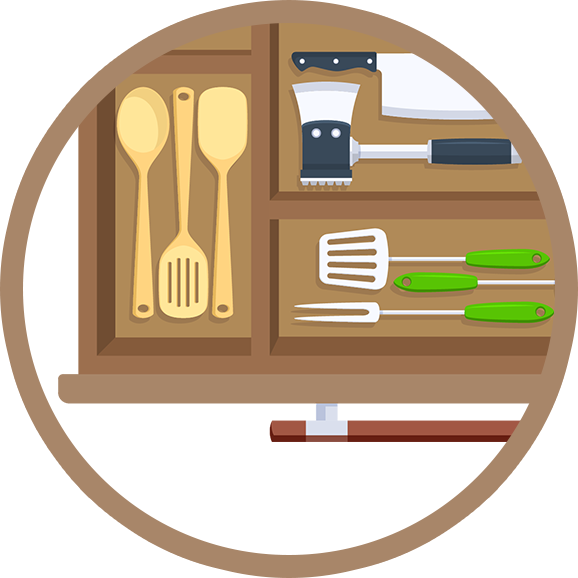
5. Use drawer dividers to organize cutlery and go vertical for bigger, slender items.
How often do you find yourself rummaging through your kitchen drawers each time you need a specific tool or utensil? Save yourself from this hassle by using drawer dividers that will create boundaries for forks, spoons, knives, and other small baking tools and gadgets.
Likewise, use a vertical wire divider for equipment like cookie sheets, cooling racks, and muffin tins and store them vertically like books. This way, you’ll be able to pull one out easily without shifting the other items.
Open houses and home tours are quickly turning into virtual events as part of the “new normal” during this pandemic. If you need to buy a home soon yet still can’t attend in-person showings due to state or city restrictions and social distancing, a virtual home tour is your best option.
But unlike on-site tours where you can pinpoint every detail you can see, feel, touch, and even smell inside and outside the property, there might be some details that you’re likely to miss out or won’t come clear through a screen when you go virtual. This is why it’s crucial to ask your realtor plenty of questions about the home, even more so than you would on a home showing.
So don’t forget to ask these things in order to get the most out of your virtual showing and end the remote tour feeling like you’ve done the visual inspection yourself.
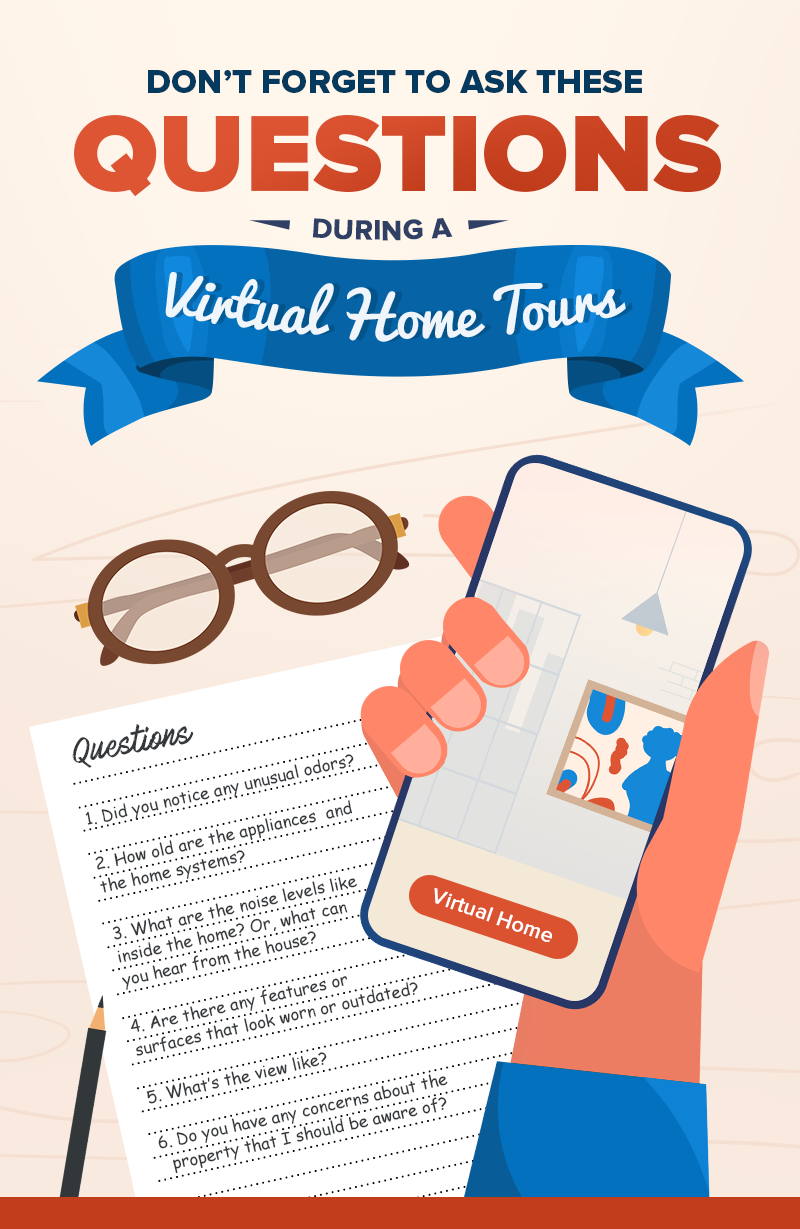
When doing a remote house tour, it’s possible to check every nook and cranny by evaluating listing photos and paying close attention during video chats. However, knowing the smell of the place is a different matter. No one would want to buy a house that has a lingering smell. But what can you do when you can’t be at the property to be able to see, or rather, “sniff” things for yourself?
So while scent is a judgment call, it’s never been more important to ask your agent to be your “nose” when touring the home. You’ll need to trust them to assess if there’s any discouraging smells, and what odors do not belong in the house. Some of the most offensive odors in a home include garbage, pet smells, mold or mildew, and cigarette smoke. Likewise, odors that do not belong in a home include sewage smell, musty odor, and rotten egg smell, which could be signs of hidden dangers or potential problems. It’s important to validate these things early in the process so you’ll know if the home is worth visiting later on.
While a virtual tour offers close-up views of the appliances and the HVAC system, don’t forget to inquire about the age, maintenance, and their usage. How old are they? Have they been recently replaced? Are any of these still under warranty? What will be included in the sale? Asking these questions will help make sure that you won’t overlook the life expectancy of your potential home’s appliances and systems.
Also, remember to look beyond their trendy colors and design. Replacing old appliances can be very expensive so you want to make sure that they not only look good, but they also function well.
Aside from smell, the noise levels in the home is something you won’t easily pick up during a virtual house tour. So don’t forget to specifically ask your agent if there’s any ambient noise from inside and outside the home, especially if the property is on a busy street or near popular public areas such as restaurants and stores. Even if the virus has limited our movements outside for now, you’ll want to know if volume may be a concern. Even the neighbors’ barking dogs can be a deciding factor if a quiet neighborhood is part of your must-haves.
The remote home tour is a great opportunity for you to learn everything that you can about the home. And with your realtor as your primary eye, make sure to get feedback on its every detail. It’s not always easy to tell from listing photos and videos if the cabinets are really brand new or they were just freshened up with a coat of paint and might need to be replaced in the near future. So don’t hesitate to inquire about any feature or surface that looks worn or damaged. You want to make sure that what you’re seeing matches reality.
If that house you’re touring virtually was described in the MLS listing to have a “view”, this is a good time for a reality check. You might want to ask your realtor to open or push aside any curtains and blinds so you can see all possible views from the home. Because you never know why they were installed there in the first place—for decoration, for privacy, or the seller might simply be hiding an unsightly view that’s easy to miss in the lens of a camera.
Yes, your realtor isn’t the home inspector. But with their discerning eyes and years of experience, they can point out any make-or-break issues and highlight things that you should be aware of, especially since you’re not physically there to check the place. They will notice if there’s any water damage, cracks in the foundation or chipped molding, any damage to the roof, cracks in the ceiling—potential flaws that you should know before you totally fall in love with the property.
Remember, a virtual tour should replicate the experience of on-site property showings. So trust your agent’s judgment since they’re the ones who have stepped inside the home, and thus have the credibility to answer any of these questions truthfully.
The real estate industry is slowly bouncing back in many states. However, many brokerages and offices continue to keep the business as contactless as possible. Likewise, buyers may still feel hesitant walking through a stranger’s house, and sellers may be wary of allowing other people to enter their home especially if they haven’t yet moved out. This is why experts think virtual tours and showings will continue to be commonplace. In fact, it’s a trend that’s here to stay, even post-coronavirus pandemic.
Still, seeing a home through a screen is a completely different experience compared to viewing it in person. But scheduling a virtual tour is a great practice so you can get a good sense of the property before actually seeing it, aside from the luxury of continuing your house hunt while staying safe at home. Here are some tips to help you make the most out of virtual showings:
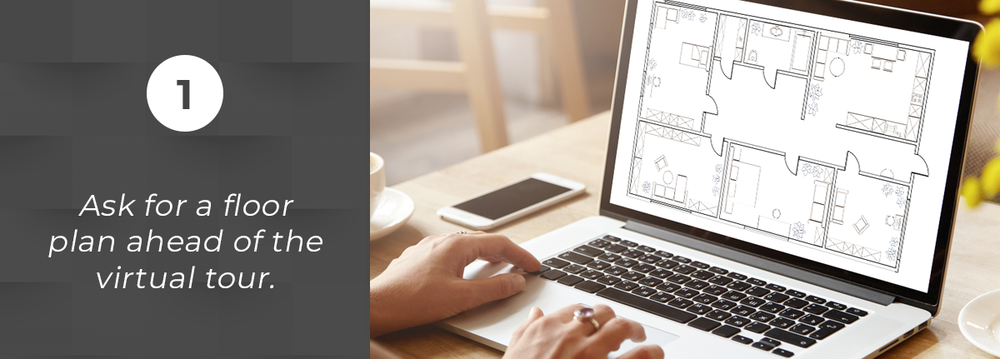
1. Ask for a floor plan ahead of the virtual tour.
Since you’re not physically there to have a walk through of the house, you will need all the help you can get to be better oriented with the space. By having a floor plan ready, you can use it as a reference during the tour. Your realtor should be able to provide you with one. It’ll be helpful so you can get a better understanding of the ceiling height, size and layout of the rooms, where the rooms are located, as well as the overall home flow—things that are best seen firsthand. The home’s floor plan helps to put these things in perspective, especially if you’re not used to touring houses virtually.
You can also use the floor plan as a checklist to make sure you and your agent have seen every part of the home.
2. Prep your technology.
You don’t need to be tech-savvy to be able to attend virtual showings and continue your house hunting safely. However, it’s imperative that you prepare the technology you will need for the tour so you can show up on time, as you would with a regular showing. Make sure that your computer or smartphone is fully charged before taking the tour. Test your network connection and ensure it’s as strong as possible, especially when using apps like FaceTime or Skype. If you and your agent have set up the showing via Zoom, double-check that the link is correct.
3. Ask the right questions.
During an in-person tour, you’re free to see and touch every nook and cranny of the house, as well as check and examine the nitty-gritty details. You’ll be able to touch the countertops and other finishes, see how high or low the ceiling is, check the appliances, and go through every room and available storage space. But once you’ve gone virtual, there might be some details that you’re likely to miss out or won’t come clear through a screen.
This is why you shouldn’t hesitate to ask proper questions to your agent during the virtual showing, even more questions than you would in person. Keep in mind the important aspects of a home that couldn’t be captured in camera, anything concerning the light, smell, and noise in the house. Find out if there are unusual odors, the noise levels inside the home, the direction of natural light, etc. Ask for the age of the appliances, the roof, and the HVAC to get a better sense of their real condition. Also, don’t forget to check the often-overlooked parts of the home such as the laundry room, garage, and other storage areas. Also ask your realtor to let you see the curb appeal and outdoor areas of the home to complete the experience.
Remember that after the virtual showing, you should be able to get a clearer picture of the place and see if it fits you and your family’s needs so far. That way once you’re already allowed to go out and view the home in person, you can focus on validating the details you saw and try to visualize yourself living there.
4. Don’t forget to do a virtual test-drive of the neighborhood.
Remember that you’re not just looking for a home but for a community, so finding the right neighborhood is also crucial. However, because of COVID-19 limiting our ability to go out, strolling a neighborhood in some areas may be restricted or strictly impossible.
You may not be able to check out the local coffee shops and restaurants, but you can still do a virtual drive-by of the neighborhood. You can do this even before the scheduled showing to check the look and feel of the streets and surrounding areas, especially if you’re still not familiar with the place.
You can look at the home on Google Street View via Google Maps. It’s a great way to ‘walk’ the street without leaving your comfortable couch. You can also check for neighborhood publications and even community social media groups to know more about the local events and activities. Likewise, ask your realtor if you can take a drive around the neighborhood so you can see the nearby houses and amenities for yourself (without leaving your car to practice social distancing, of course). Or, simply ask your realtor to shoot a video of the neighborhood or include them in the showing, especially if you’re an out-of-town buyer.
5. Request for a video after the showing.
Ask your agent to send you the recorded video footage after the virtual showing so you can refer back to it when you’re making a decision. You can also refer to it in case you missed out some details of the home during the live tour, or if you want to check out the features that are most important to you. Having your agent record the whole tour will also prove useful in case you experience network or connection issues during the showing.
There’s no doubt that our lives have been radically changed because of the COVID-19 pandemic. It has affected the way we do work, school, travel, how we socialize, and more. Moreover, being confined in our homes for more than a month has made us see it in a new light. We’re getting to know what features don’t work for us, and what will be beneficial for our families if we are ordered to stay at home for longer. After all, there’s nothing more important than having a safe shelter for our families.
This is why experts predict that home buyers who enter the market once the risk of the virus subsides will have a whole new set of priorities in their home search. Fixer uppers won’t be the first choice since contractors may not be available to work, unless you’re the type who can fully DIY. Likewise, an open floor plan may not be desirable as it once was, especially if you’re working at home with your partner while homeschooling the kids.
Here are five ways the current health crisis could change the future buyers’ must-have list:
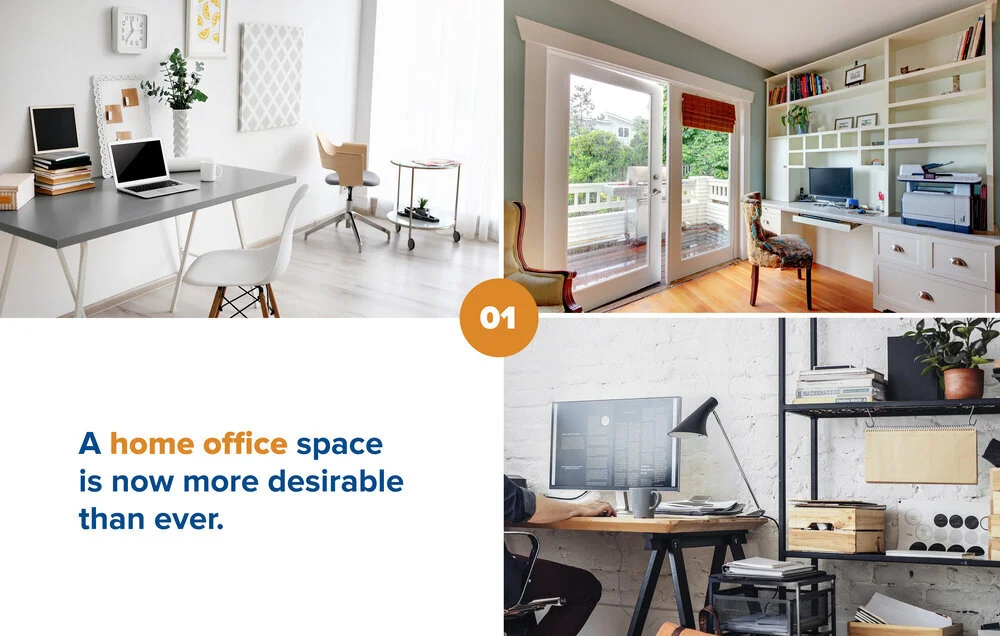
As more and more people are embracing remote work to help curb the spread of the virus, there’ll be higher demand for homes with an office that’s both comfortable and functional to promote productivity. According to Realtor.com, listings featuring an office command a more than 3 percent price premium and sell 9 days faster than listings without the feature.
So whether it’s a full-fledged room or just a dedicated work area with ample electrical outlets, space for computer and other office necessities, built-in bookshelves, or a quiet atmosphere, highlight those characteristics when listing your home for sale.
For smaller homes that couldn’t accommodate a full office, there are ways to make your home shine in the eyes of potential buyers. Popular alternatives may include carving out an office space in the kitchen, an upstairs landing, or underneath the staircase.
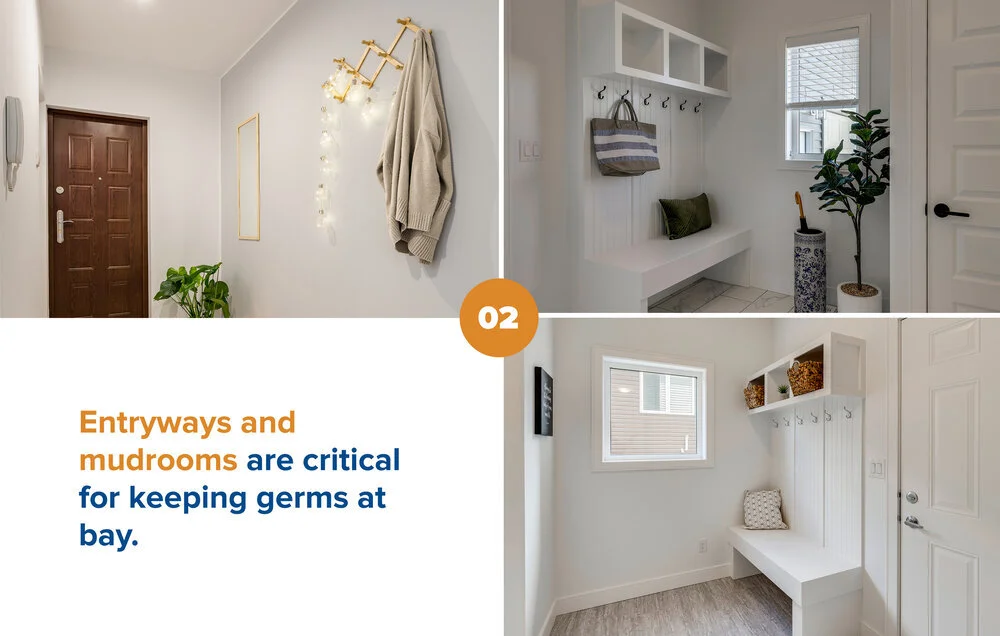
Before this health crisis, most people didn’t put much thought into how they entered their homes. But because of the fear of bringing the virus into our private spaces, having a mudroom or a dedicated entryway has never been more important. It’s the perfect place where you could stash your dirty shoes, hang up your jackets, clothing, gloves and masks, and other belongings for disinfection. It can also be a decontamination station for potentially infected packages, reusable grocery bags, and even takeout bags to avoid carrying dirt and viruses into your living quarters.
If there’s no mudroom or entryway, an easy solution would be a dedicated place in the garage or on the front porch. You can install a pegboard wall where you can add hooks, shelves, and storage bins to hold sanitizers, disinfectant wipes, and other cleaning supplies. Adding a bench or a seating area with cubbies will also be more appealing since more people may now start removing their shoes as they enter the house.
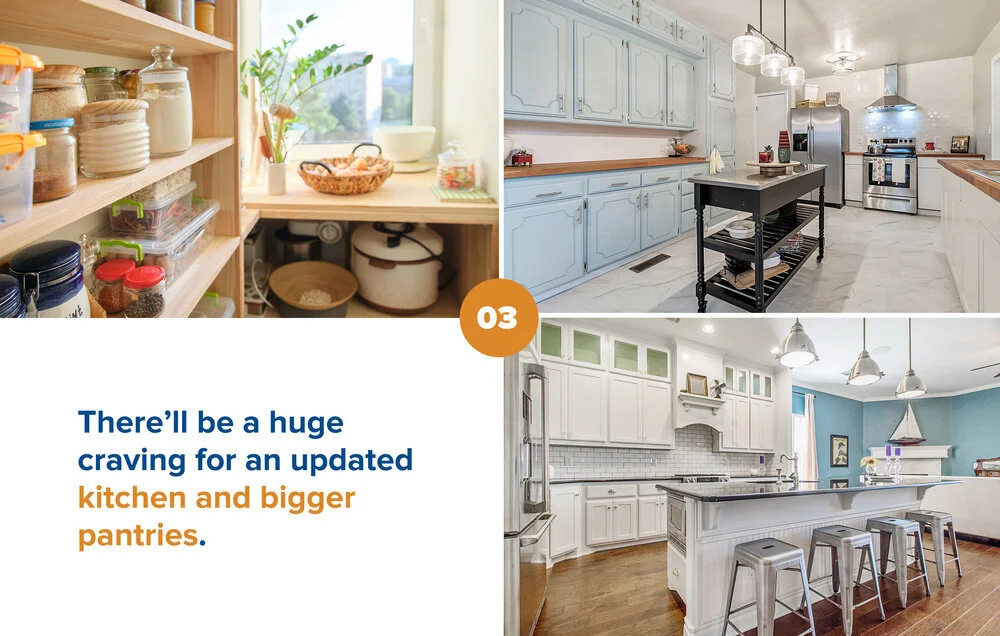
Kitchens are the heart of the home. And with the virus eliminating our ability to go out to eat at restaurants and even limiting our takeout options, we’re becoming more acquainted with our kitchens as we prepare and cook several meals a day. This is why it’s expected that future homeowners will have more interest toward kitchens that are spacious enough for the family to cook and hang out together. They should also be equipped with high-quality and efficient appliances, such as refrigerators and ovens.
Likewise, a bigger pantry will be critical for storing more food and non-perishables so people can cut back on the number of grocery store trips they have to make.
The COVID-19 pandemic has taught us that the safest place we could be is in our homes. And that includes our outdoor living spaces, where we can have some fresh air and bask in sunlight without leaving our properties.
This is why more people will want to buy a home with extra yard space. In fact, in the latest survey of Realtor.com® and Toluna Insights on what homeowners wish they could change about their home to make it more livable while sheltering in, 9% of respondents wanted to add a yard or patio. Having plenty of outdoor space is also ideal for those who want to start a small garden and try their hand at urban gardening. Even a small balcony in condos or townhomes can also be a huge advantage. No matter the size of the property, buyers would want an outdoor space where they can take a much-needed mental break, especially in times like these where we are being ordered to stay home or undergo quarantine.
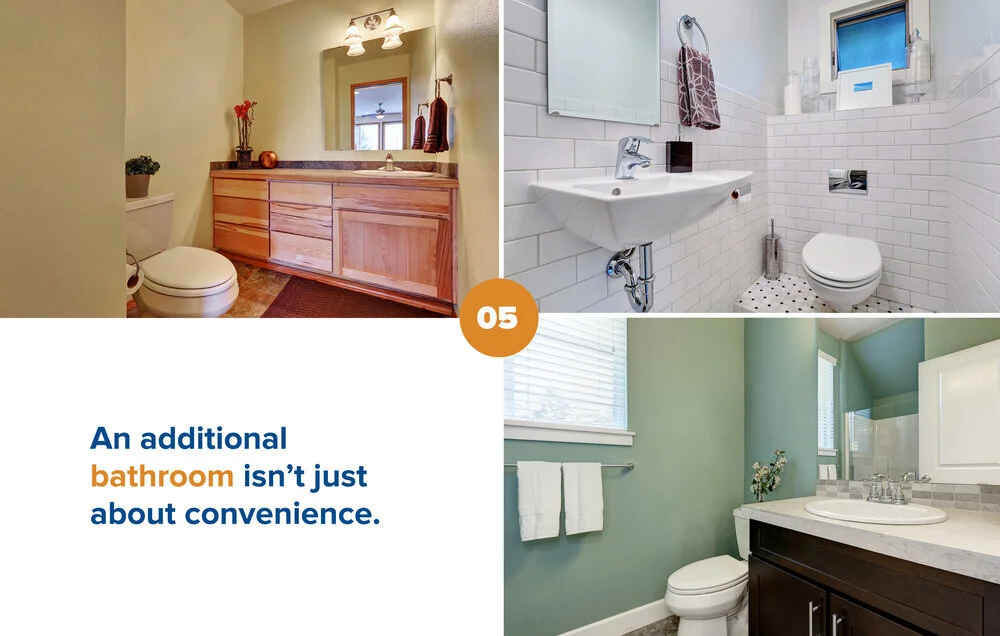
Future homeowners will certainly keep the lessons of the COVID-19 pandemic in mind when searching for homes. If a family member has caught the virus and needs to self-isolate, sharing a bathroom with other family members could be dangerous. Having an additional bathroom or requiring one bathroom for every bedroom is now critical to keep germs in one place.
And just like after the 1918 Spanish Flu pandemic, even a half-bathroom, which was once considered a waste of space, is now a necessity. It’s where you can direct visitors to wash their hands first before walking further into the home, or if they need to use the loo but you don’t want them using the family bathroom.
If you’re one of those who planned to buy your “dream home” early this year but decided to put it off for now due to various reasons related to the coronavirus pandemic, chances are, you’re still checking homes online.
And now that we’re spending more time inside following stay-at-home orders, we’re getting to know more about our current place. We’re seeing our homes in a new light—getting familiar with the features that work and don’t work for us and our families.
So as you continue to window shop real estate, why not take this time to evaluate the features of your current home to better understand what you want in your next one? It might be difficult to find the perfect place right off the bat, but by having a list of your must-haves ready, it’ll be a huge advantage as you check for listings online. Your move might be delayed and you’re stuck where you are now because of the ongoing health crisis, but it’s a silver lining knowing there’s a perfect place for you out there.
To help you finalize your next home’s wishlist, here’s a list of guide questions so you can make up your mind about what you really like and don’t like about your current home:
In general:
What’s the one thing you like the most about your current home?
Due to quarantine, is there something you realized you hate about your place? How does it affect you?
If you could rate your home on a scale of 1–10, what would you rate it? Why?
Inside your home:
How many bedrooms and bathrooms do you really want? Does your home already have enough?
Do you have a new need that your current home couldn’t accommodate? (e.g. a home office, mudroom, workout space, extra room for homeschooling the kids, etc.)
Do you have enough storage space?
Do you prefer to have more natural light, or is your place already well-lit?
Are you happy with your kitchen? Is it updated and spacious enough? Since dining out is not an option because of the virus, you’re probably cooking meals more often. The kitchen is the heart of the home after all, so its size and layout is also important.
Are you satisfied with the fixtures and finishes?
Outside your home:
Is there an architectural style you prefer?
Do you have an outdoor space? If so, do you love spending time there, especially now that we have limited exposure outside?
Is there anything that needs to be improved in your home’s curb appeal?
Do you enjoy taking care of the yard or is it already too much to handle?
Is your garage adequate?
What other features you don’t have right now would you love to have? (e.g. pool, firepit, etc.)
How about the home’s upkeep? How much time and effort does it take to maintain your current place?
Your neighborhood:
Are you happy with your neighborhood?
Have you also thought about how your neighborhood handled the pandemic? Was there community involvement? This health crisis is bringing out the best (and worst) in every one of us. Many would want to be in a neighborhood where people take care of each other, sharing necessities like meals, toilet paper, sanitizers, groceries, and others. Some neighborhoods are even putting back their Christmas lights as a distraction for kids and as a sign of hope in this particularly dark time. Don’t only think about your dream home, but also the kind of community you’d want to be in.
How far do you have to travel for basic necessities, such as going to the grocery store or to the doctor for medical appointments?
Also, think about the neighborhood walkability, nearby parks, gardens, facilities, and other activities.
Are you satisfied with your commute?
Despite the pandemic forcing many of us to work from home instead of going to the office, accessibility to transit networks is still important when choosing your next neighborhood.
The COVID-19 pandemic has put a stop to many of our daily activities and routines. It has also forced us to practice our “new normal”, such as maintaining social distancing and following stay-at-home orders as much as possible. Many businesses have been affected, and the real estate industry is no exception. In some markets, home buying and selling activities may have declined, so in turn moving service providers are left with fewer people wanting to relocate.
However, people will continue to need to move amidst this health crisis. And if you are one of those whose move is critical right now—especially if you have to relocate for a new job, you just closed on a new home, or the home you own was recently sold—there are steps you can take to accomplish it as safely as possible.
Is moving essential?
According to the American Moving & Storage Association (AMSA), moving has been deemed an “essential service” by the federal government. This means movers can continue to operate their businesses so you won’t be left pushing your huge couch out the door on your own.
However, cities and states across the country have their own way of enforcing social distancing and restricting permitted business operations to services they deem as “essential.” So even if moving is generally an essential service, the orders may be different in your locality so it’s important to ask your realtor and do your research as much as you can.
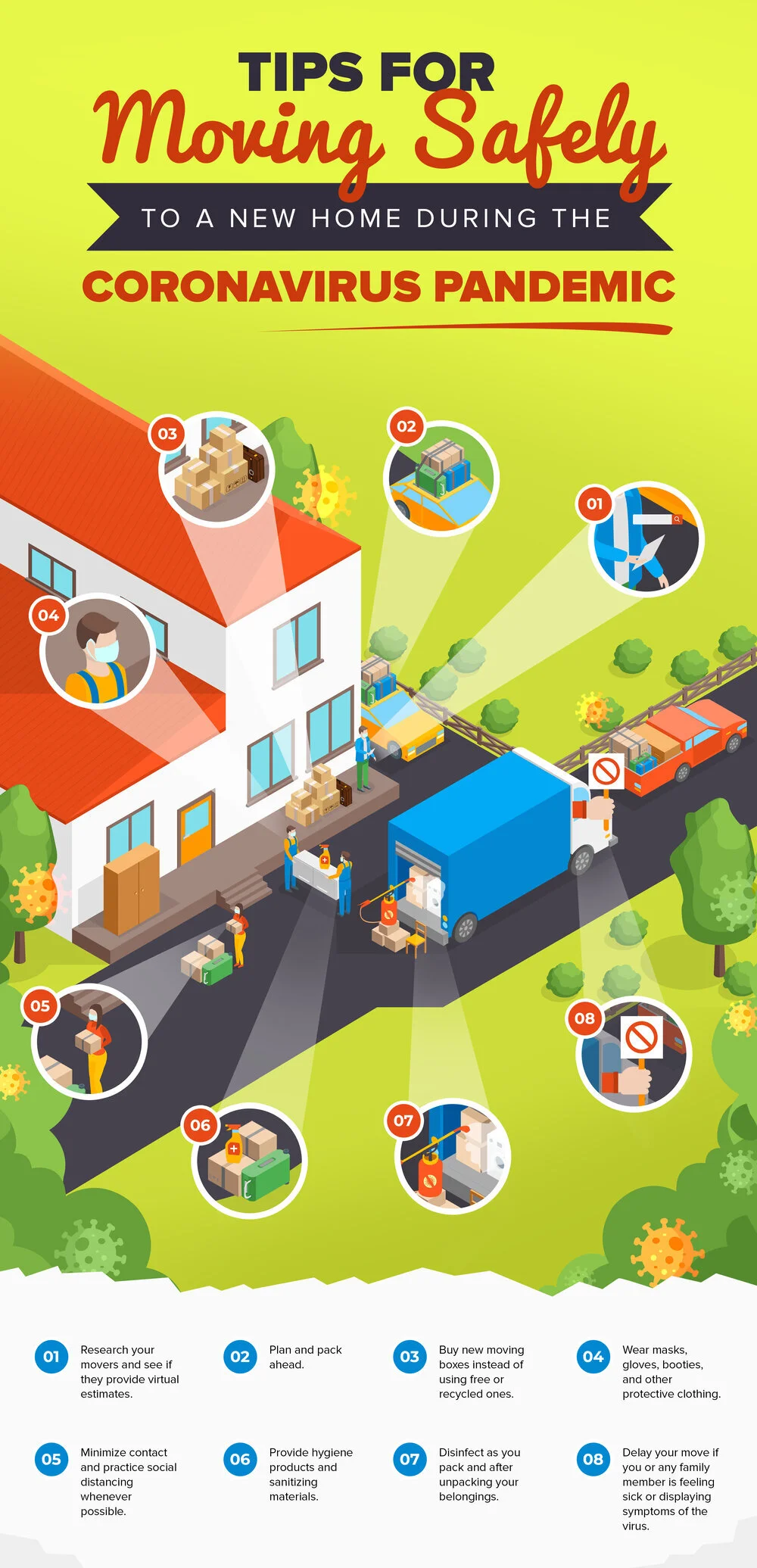
Here are some tips on how to move to your new home safely during the coronavirus pandemic:
1. Research your movers and see if they provide virtual estimates.
Do your homework on the moving companies that are still operating in your area in this time of pandemic. Contact them and ask about their current sanitation procedures, whether their workers have necessary supplies, like masks and gloves; how often do they disinfect their trucks and vehicles, and other safety measures in place to protect everyone involved in the process. You may also check the moving service provider’s website to view their COVID-19 policy, and then ask them directly for any questions or concerns.
Traditionally, movers will visit your home to provide a quote. But with social distancing requirements, a virtual estimate and a fully contactless service is your best bet to move safely while this health crisis is ongoing.
If you have already found a mover you want to work with, ask for a virtual estimate, which often includes a video call walk-through of the space. You may be asked to provide some measurements so they can prepare for any large furniture or tight spaces. In a virtual survey, you must take into account the size of the rooms and the items in each room. If in case you’re already halfway through your packing, inform them about the number of your boxes and the sizes/dimensions of each.
Discuss with them best practices for moving day and how you can prioritize your health and safety. Also, confirm if there is a reasonable cancellation or rescheduling policy in the event that you need to change your plans. Don’t forget to make alternative plans in case the company ceases to continue operations at the time of your move.
2. Plan and pack ahead.
If you can’t figure out how many boxes you’ll need for your move, take advantage of packing calculators available online so you can get an estimate based on the number of rooms and people in your household. This way, you won’t have to make the extra run to the store in case you didn’t purchase enough. If you’re still in doubt, it might be better to buy a few extra.
And while letting the moving company handle the packing and unpacking of your home is more convenient (although somewhat pricier), the safest option during this time is to pack your belongings yourself. You’ll be in control of handling and disinfecting each of your belongings, and you won’t have to worry about the movers touching more surfaces to limit the spread of the virus or any potential germs.
3. Buy new moving boxes instead of using free or recycled ones.
In the not-so-distant past, it was normal to reuse boxes from your local grocery store or neighborhood networks to save money. However, due to concerns about the coronavirus’ ability to remain active on surfaces (it can survive on cardboard boxes for as long as 24 hours), this approach isn’t recommended. The AMSA’s guide for consumers who are moving during this pandemic suggests purchasing new moving boxes and tapes from your mover. Boxes and moving containers that are already available in your home are fine, but if you need any extras, just play it safe and buy them new.
4. Wear masks, gloves, booties, and other protective clothing.
Follow CDC’s recommendation to wear masks, gloves, booties, and other protective equipment while you’re packing your things and even during your move for everyone’s safety and to help curb the spread of the virus. The crew members of your moving company will also likely do the same.
5. Minimize contact and practice social distancing whenever possible.
If you can, designate one family member that will interact with the movers once they arrive to minimize contact. Also, make sure that everything is packed and ready even before they get into the home. Many movers also make it their new protocol to practice social distancing between themselves and their clients, so do your best to do the same.
6. Provide hygiene products and sanitizing materials.
On your move-in day, be sure to leave out enough products that your movers can use in following necessary hygienic practices while they are transporting items to and from the moving truck. Place soap and paper towels next to sinks, and provide plenty of hand sanitizer by the main door. This way, even if the movers came equipped with their own supplies, you can use the supplies to wash your own hands after making contact with any surfaces. You may also want to provide other protective equipment such as gloves, masks, and face shields that everyone involved in the moving process can use.
7. Disinfect as you pack and after unpacking your belongings.
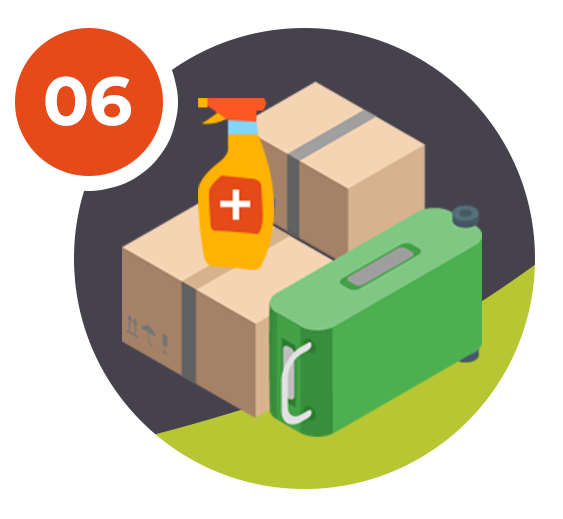
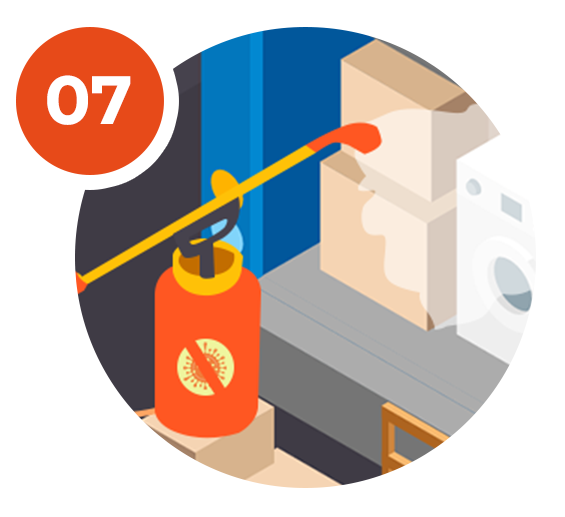
Use this opportunity to sanitize every item in your home as you pack them. The same approach should also be done to your moving boxes before you put in your belongings. Disinfect everything, from books and lamps to furniture and appliances, while having your mask and gloves on.
It won’t hurt to be cautious, especially since the coronavirus can be spread by asymptomatic carriers. Once the boxes and items are brought into their proper places, thoroughly clean and disinfect everything before using them again just to be safe.
Likewise, wash your hands properly after handling any items the movers touched. And don’t forget to disinfect high-touch objects and surfaces after the movers leave, especially door knobs, handles, and light switches.
8. Delay your move if you or any family member is feeling sick or displaying symptoms of the virus.
Don’t think twice about delaying or postponing your move if you’re feeling under the weather or if anyone in your household is experiencing coronavirus symptoms. Let your mover know right away if you suspect the illness so they’ll put additional protocols into place to protect their workers. Also, inform them if you or anyone in your family is isolating or under quarantine due to exposure. Transparency is very critical, especially during these times where the health and safety of everyone involved should come first.
If you made a deposit with your moving company, contact them if they can be flexible or make an exception during this pandemic so you’ll be free to change your plans without penalty. Although rescheduling can be very inconvenient, it’s not worth putting others at risk, so delay your move until you get the all-clear from a health professional.
If you or someone in your family belong to a high-risk group, such as individuals over 60 and those with pre-existing respiratory conditions, reconsider moving if at all possible until the situation is more safe.
Bottom Line
Moving is even more challenging during this health crisis, especially if you have kids or any high-risk family member. You and your moving company should do careful planning and take extra precautions to be able to pull it off. Our homes are our safest haven for now, so no matter how difficult the task of moving is, once you get past such a hurdle, you can focus on keeping yourself and your family safe.
Having a work from home option is a huge advantage during this pandemic, especially since stay-at-home or shelter-in-place orders are still being enforced. This is why video conferencing and online meetings among companies are now the new norm. If you’re one of those who have such a set-up but feels like your home still needs some TLC and it’s not cut out for formal meetings, we’ve come up with a collection of modern homes and scenic locations you can use on your next Zoom meeting.
These video backgrounds are perfect if you’re already tired of Zoom’s pre-set options—like the generic outer space scene and the Golden Gate Bridge—or if you just want to try something new and fun. Give these backgrounds a go and transform your home or location instantly! With all the fears and anxiety surrounding us now, a little levity could go a long way especially when we’re connecting with others!
How to change your background on Zoom:
Choose your favorite background photos and save them to your desktop. Then, on Zoom, click Account Settings. Navigate to the Virtual Background option on the Meeting tab and verify that the setting is enabled. Click “Virtual Background” then press the plus sign to upload the photo of your choice. It will show up as the mirror image, but you can choose to turn it off if you’d like. These scenes look pretty realistic (just don’t move around too quickly!) and will add some fun during those virtual meet-ups.
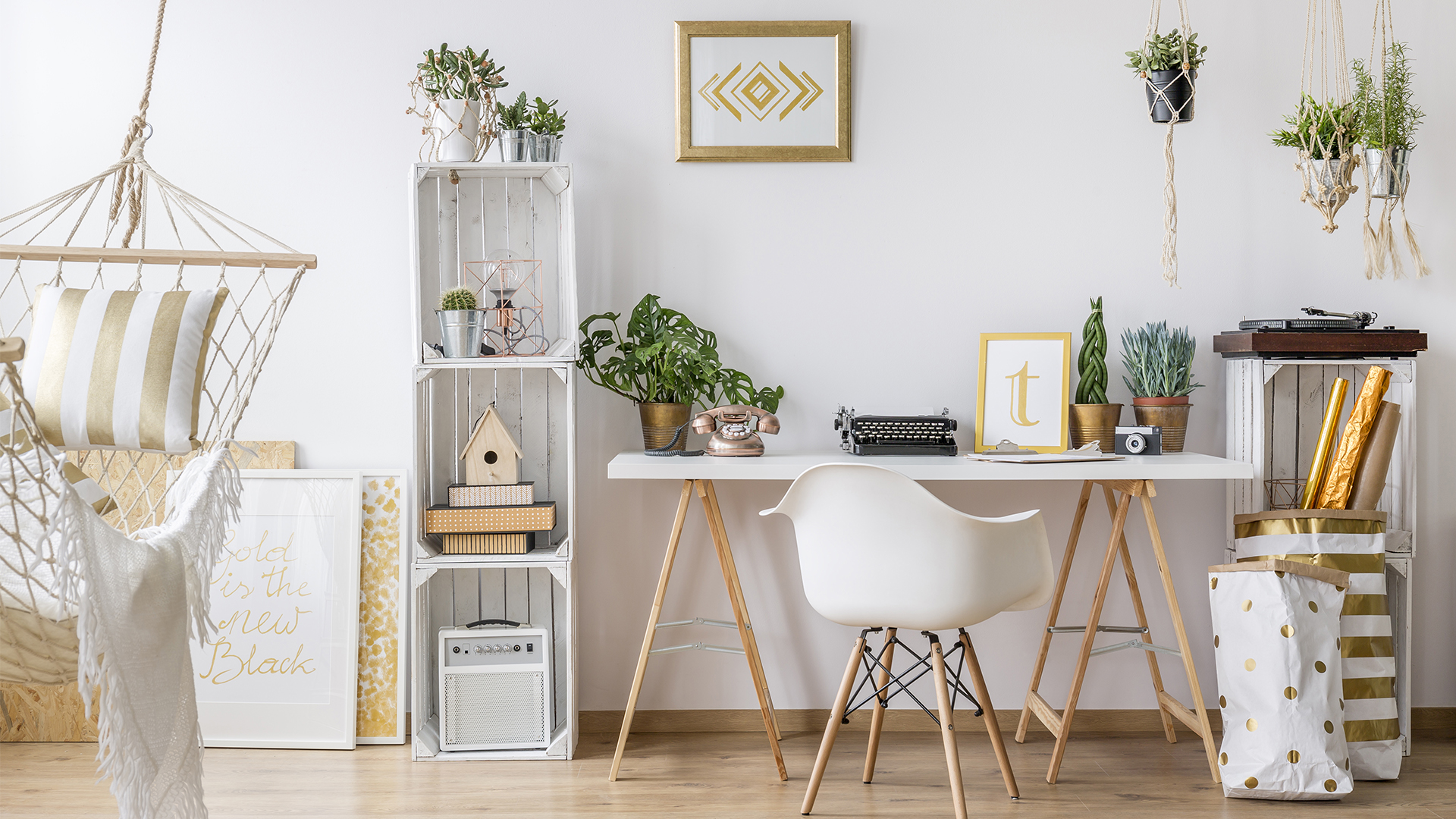
Home office/Workspace:
Living room:
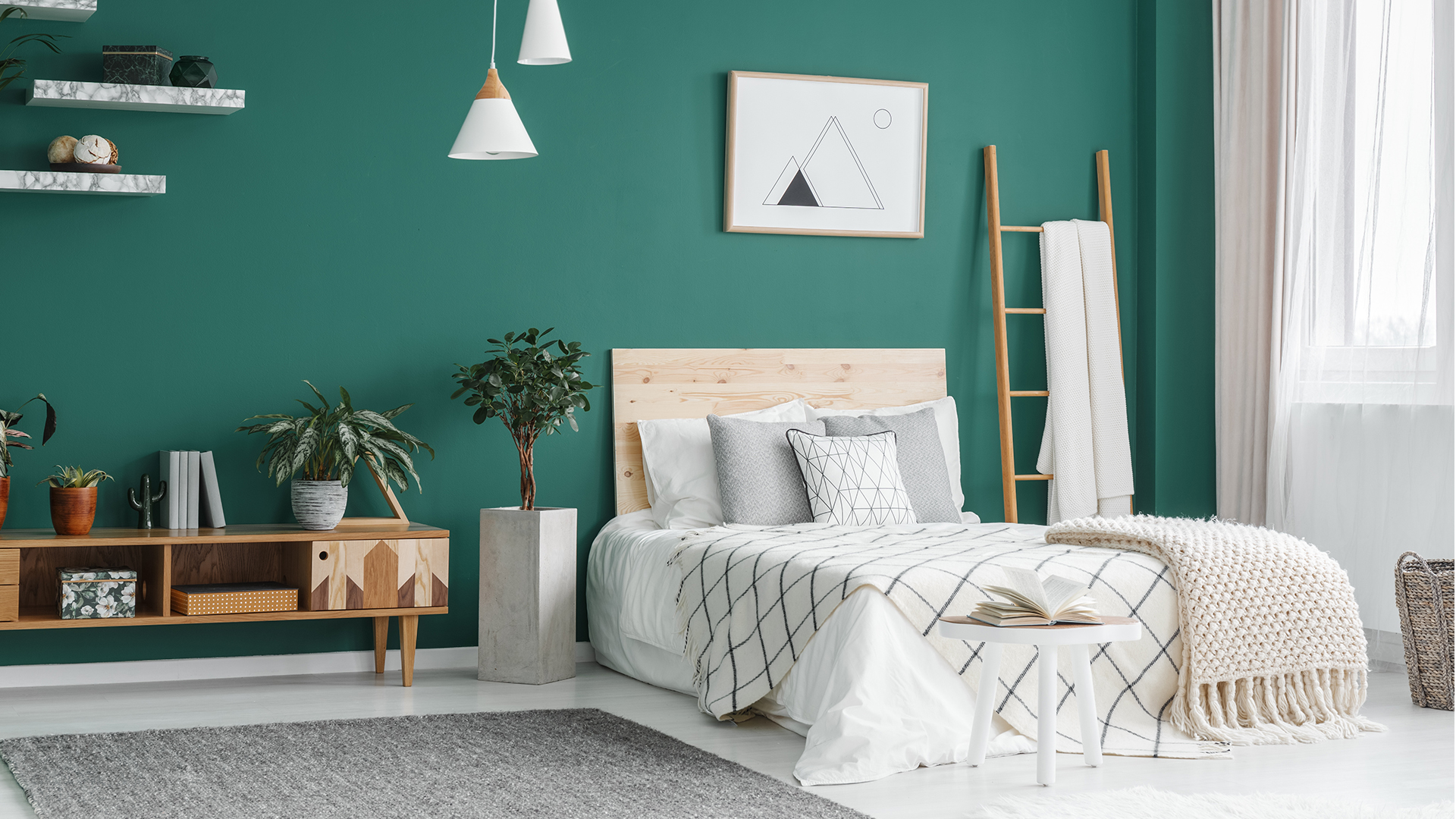
Bedroom:
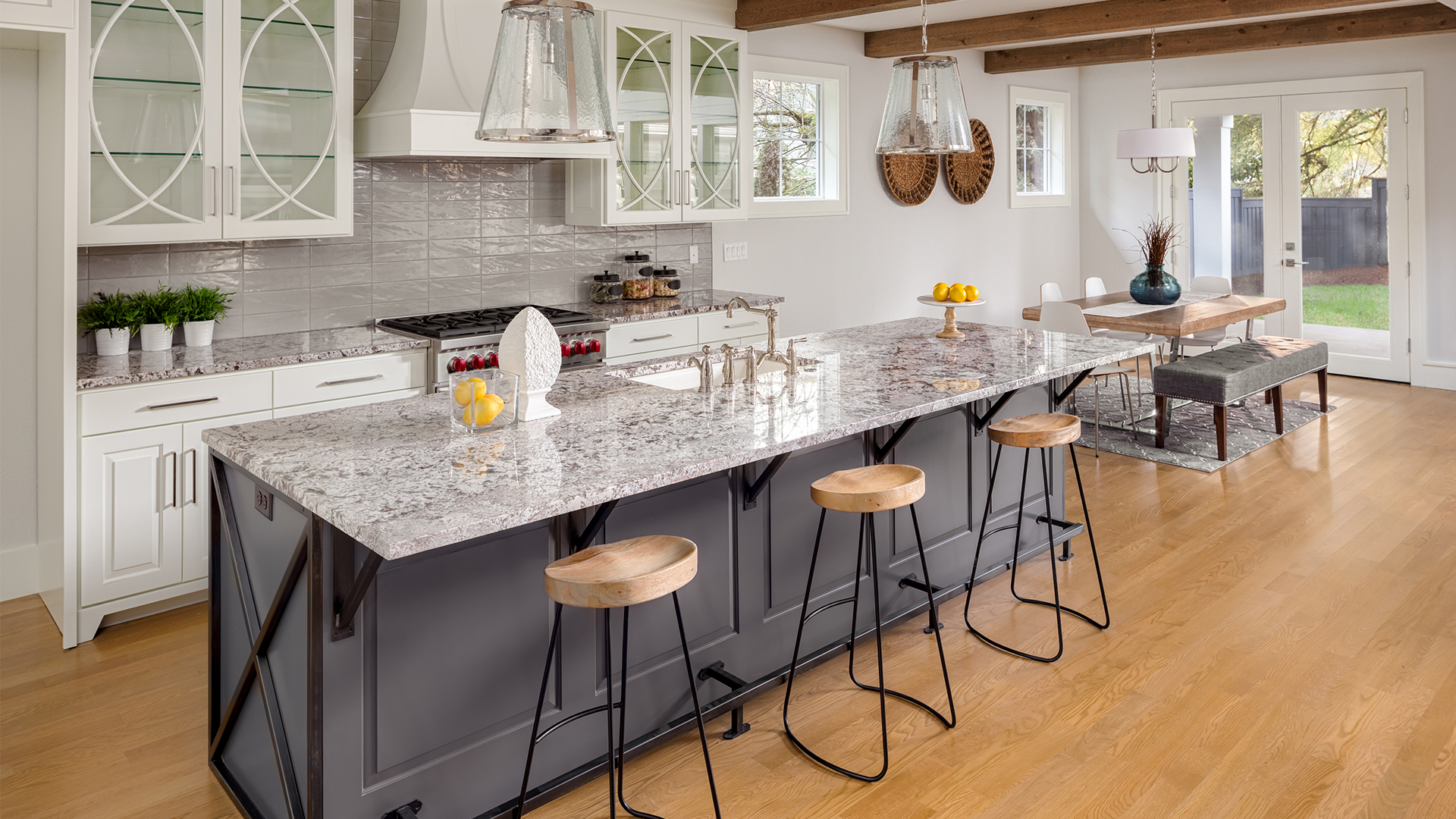
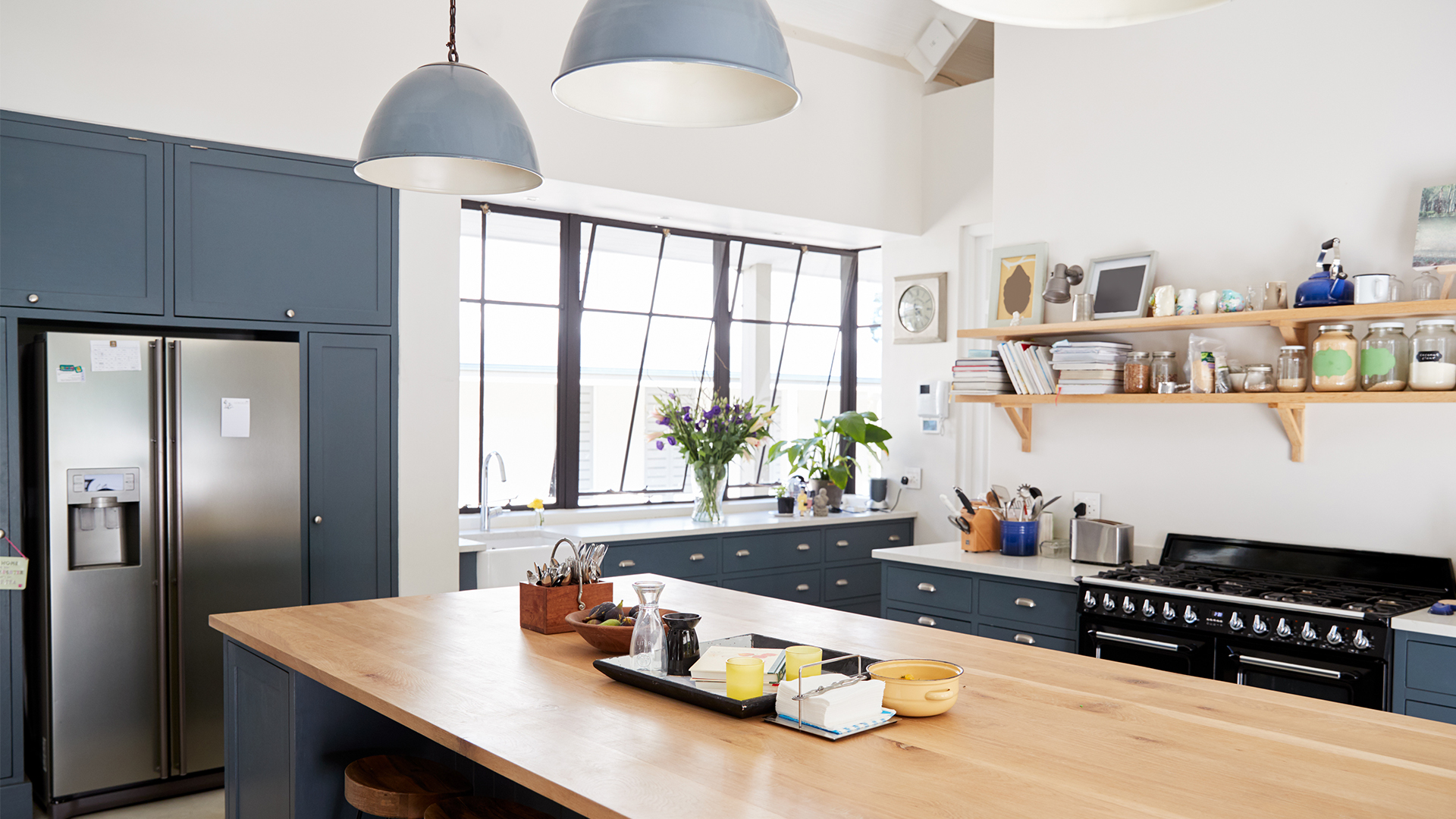
Kitchen:
Mini library:
For your virtual hangouts and full-on Zoom parties:
In this time of social distancing, work isn’t the only thing we’re using Zoom for. It’s also best for your group hangouts, online parties, virtual happy hours, and more! So download these party-ready backgrounds and have fun while catching up with your loved ones and friends.
If you’re dreaming of your own outdoor space someday, why not try it out now! Pretend you’re sitting on a rattan chair or relaxing in a hammock as your work day ends.
For when you’re missing the sand on your toes:
Pretend you’re sitting in one of those lounge chairs with a cocktail ready!
Defeat cabin fever with these rustic but cozy cabin home interiors.
Reminisce about those weekend brunches at your favorite coffee shop, or pretend you’re mixing your own drinks at an industrial-style bar.
Now that we’re spending more time inside to comply with stay-at-home orders and even lockdowns in some areas, here are some ideas for you to improve your outdoor space so you can soak up a lil’ bit more sunshine or simply enjoy the nightlife just outside your front door.
A hammock or any swinging chair is a simple way to update your backyard. They take up less space, and there are plenty of designs and styles to choose from that will work in almost any setting. It’s also a great choice if you want to achieve that beachy vibe using a decorative accessory. Whether you put it on your porch, terrace, or patio, a hammock’s easy swinging motion is calming and it can be a relaxing way to end your day.
One way to embrace outdoor living and make your space an extension of your living room is to invest in additional lighting. Luminous decorations, such as floor or table lamps and lanterns, will not only brighten up your backyard but will also add interest to it. Just make sure to choose lamps that are designed for the outdoors and are weatherproof. Another brilliant idea is hanging pretty string lights across an entire space or along a fence to give your yard a rustic vibe.
According to Zillow’s 2019 Outdoor Living Trends, there’s no need to rely on matching patio sets to upgrade your space. Instead, you can mix and match your seating options to achieve that curated, eclectic look that continues to gain popularity. Pull together benches, chairs, pint-sized stools, and ottoman for a unique look. You can even add floor pillows and poufs to create extra seating in your lounge area because, who doesn’t love that lovely Bohemian feel?
You’ve got more choices than ever, and everything could potentially add some style to your patio. It’s also great if you love collecting individual pieces of furniture or if you just want a homey, vintage look. Just make sure to arrange the pieces and patterns in a way that they won’t look cluttered.
Adding textiles, such as rugs and fabrics, is an affordable update you can make to enhance texture and complement the color scheme of your outdoor space. You can also add new accent pillows, cozy floor cushions, and slipcovers to reinvigorate the area. When designing exposed spaces, remember to always check for inclement weather to make sure that any items that could get damaged make their way into storage. When possible, choose outdoor fabrics that can withstand the sun’s rays and also dry quickly once weathered.
In creating your perfect outdoor oasis, it should not only be stylish, cozy, and comfortable, but also functional. It’s where you would love to curl up at night with a good book and a glass of wine, or where your family will have dining al fresco on the summer days, so why not equip it with amenities that will encourage activity. In the Zillow research, fire features and outdoor kitchens are particularly popular options.
Elevate your outdoor space by installing a fireplace or fire pits, depending on your space and budget. Aside from the unlimited s’mores, a fireplace will also make your patio usable even on colder months. An outdoor kitchen is also amazing for all the summer barbeques you want to have with your family.
The real estate industry is adapting quickly to the outbreak of coronavirus. Many real estate agents, brokerages, and even mortgage companies have shifted their business virtually. Different states and localities have employed various restrictions and revisions to real estate transactions in case they are allowed to continue. Above all, technology is making it possible for many people to continue their home buying journey even while following stay-at-home and social distancing orders.
Here’s a thorough guide into the real estate process in the time of COVID-19, so that buyers who are in a position to buy and want to take advantage of favorable interest rates can safely continue their quest to homeownership.
Research a local and trusted real estate agent that has the most virtual reach and virtual tools.
Times are changing now. If you’re thinking of buying or selling this year, you need an agent who can help you make sense of the current market. And since it’s only through virtual tools and technology that you can safely continue your home search without exposing yourself to risk, working with an agent who is tech savvy is crucial. You want someone who is familiar with the latest technologies for touring homes virtually, and also comfortable in conducting meetings and business online.
To find an agent who will take the time to simply and effectively explain the rapidly evolving housing market and how it affects you as a buyer, check out the agent on social media. See what they’re posting on Instagram, Facebook, or Twitter and whether they’re sharing relevant and helpful information not only for clients but also for the community. The agents who are calling, texting, and following up right now are the ones who are still doing business because they do have the technology to be able to serve your real estate needs safely using an array of virtual tools. The best agents are committed to educating you by offering virtual consultations and home tours of the homes you’re interested in.
Schedule virtual consultations.
Instead of heading into their office, set a virtual meeting with your realtor to discuss your hopes, desires, needs, and dreams, even any apprehensions you have about the housing market. With the help of tools and applications like Zoom, Google Hangouts, or even FaceTime, you can have consultations with these professionals from the comfort of your home. Talk to them about your timeline, discuss the process, and create a game plan together to accomplish your goals.
If you aren’t pre-approved yet, get a mortgage pre-approval with a lender virtually.
Connect with a lender who is set up to work remotely and has made the entire mortgage process digital so as to practice social distancing. Interview via phone call or video chat a few loan officers so you can shop around and compare what they’re offering. You can also ask your local realtor for any lender recommendations. Ideally, you want a lender who is comfortable conducting all steps of the transaction online and stays in touch with you to track your loan progress. A tech-savvy lender should also be able to help you access online most of the paperwork needed for you to get pre-approved for a loan, such as pay stubs, tax returns, and bank statements, aside from requirements like your income, debt-to-income ratio (DTI), and credit history.
Take advantage of virtual home tours and walkthroughs.
Going virtual is the new norm, especially when checking for properties that you’re interested in. Just think of crowded open houses or showings with a plate of cookies as a #throwback thing, at least for now while we help flatten the curve of the virus.
Request virtual tours of the homes you are interested in, whenever you’re ready. This means you can virtually walk through the home, room by room, without physically stepping onto the property. If you want to have a deeper dive into the home, ask your agent if he or she can further accommodate you. See if you can make a FaceTime video call during which your agent walks through the home, sharing footage of its features and specific details, such as how big a room is, how high the ceilings are, etc. Direct your agent to show you parts of the home that you want to see, something you’ll do when you’re touring the home personally.
Remember to also ask and research about the surrounding neighborhood, which is also as important as the property itself. Ask your agent if your state or city allows you to have a physical drive-by of the area so you can see the nearby features and amenities without actually entering and touching anything.
Put in your purchase offer on the home you love and schedule a safe in-home tour if your city/state permits it or if needed.
If the seller will allow you to tour the home you’re interested in, consult with your agent to make sure that visiting a property is allowed in your city or state. Residential real estate sales were recently added to an updated list of “essential services” from the U.S. Department of Homeland Security, but regulations and shelter-in-place orders still vary and can change as the pandemic progresses.
Coordinate with your realtor so he or she can accommodate you and take all necessary precautions if you can and need to visit the home. Verify that no one in the household is sick or has any signs of illness, although there are carriers who may be asymptomatic. Don’t touch anything as much as possible and follow CDC’s recommendations, such as physical distancing. Ask the seller or the listing agent to leave all closet doors, drawers, and kitchen cabinets open for you so you won’t need to touch them when checking for storage space. Wear protective booties, use alcohol-based sanitizers and wipes, and wash your hands thoroughly with soap and water after you leave the home.
Ask your realtor about local COVID-19 disclosures that protect you.
Several states, jurisdictions, and local areas have created a coronavirus addendum to be used in real estate contracts. In California, for an instance, the coronavirus addendum states what will happen if either the buyer or seller is unable to close a real estate transaction on account of any circumstances related to the COVID-19 pandemic. It also contains an optional provision that allows for either party to cancel the contract without penalty if the buyer can no longer get financing because of a COVID-19 related income or job loss. Likewise, Florida’s coronavirus addendum provides options to extend the financing period, inspection period, title cure period, aside from extending the closing date. Ask your realtor about these disclosures and let them explain it to you so you’ll be fully informed.
Lock in your rate with your lender as soon as the offer is submitted.
Mortgage rates are already low, but there’s no guarantee that these rates will continue to drop. So even though it might be tempting to pause your search because you’re hoping tomorrow’s interest rates will be better, lock in your rate with your lender as soon as the offer is submitted. Things are changing everyday, so you’ll be in good shape by locking in now even if the rates drop further the next day.
Remote inspections and virtual home appraisals.
In a remote inspection, inspectors check the house alone and take a lot more pictures than they might have in the past so clients can get a clearer picture of where the issues are. They could also review the findings with you via video conferencing and screen sharing. The home inspector will also send a detailed inspection report, complete with photos and descriptions, so you’ll get to know every nook and cranny of the property.
Home appraisals, on the other hand, are being required by a lender for buyers who are getting a mortgage. Since they require a site visit, they’re not possible for cities or states where real estate service isn’t considered essential. But for those that allow it, virtual appraisals can be done. A new method called ‘desktop appraising’ has also emerged where the appraiser uses comparable properties to come up with a relatively accurate report, which lenders can use to continue with the mortgage process.
Utilize electronic signing and wiring to stay safe.
Although this also varies by state, most, if not all, of the escrow and home buying transactions can be done virtually. Your agent or lender can set up an account where you can upload all of the required documents to proceed with the transaction. There’s an option to sign electronically right from your computer. Several states and local governments have already taken action by allowing the use of remote or electronic notarization.
If you need to pay for an appraisal, earnest money, funds for escrow, or closing costs, there are options available. You may be able to pay by credit card, or most banks will permit you to wire funds from your account. In some states, you can send a check by mail or have it picked up by a mobile escrow agent.
Remote home closing and other alternatives.
With the current situation, the usual tradition of signing hundreds of pages of contracts in one room, shaking of hands, and handing keys aren’t possible. During closing time, a mobile notary arranged by your title company will bring the required documents to you. Your keys will even be delivered to you! Video closings are even permitted in some states, where the closing attorney would send links to all parties for a secure video conference.
If face-to-face interaction is required so that you can sign the documents and stamp notaries personally, there are different ways agents and title companies handle it. In some cases, drive-thru closings are being done, which is similar to a fast food restaurant’s drive-thru window transaction. Other alternatives include having the parties sit in different rooms to finalize the deal. In other areas that require an attorney to be present, buyers can pre-sign the documents and give power of attorney to their lawyer, who can then complete the sale on the buyer’s behalf on settlement day. This way, the attorney and the closer are the only ones needed on closing day and you only need to wait from home until the transaction is completed.
Bottom Line
Remember, even before we see the effects of this health crisis, buyers have bought homes ‘sight unseen.’ In fact, it is the only option for many military buyers and their families. So although this may be a huge adjustment to any normal buyer, it can be done. This is why having a realtor who will be a guide throughout the whole process is crucial, especially for families whose house move is essential in the midst of this pandemic.
This health crisis doesn’t seem to have an end date yet, so aside from adjusting to our “new normal” (a.k.a. self-isolation and staying at home), we also have to prepare for an uncertain future. This is why we can never go wrong with building up extra cash or filling up our emergency fund.
Because you’re staying at home all day, it’s highly likely that you’re relying more heavily on utilities. You’re cooking more frequently, family members are glued to their screens more often, and you may have also opted to work from home. So this time is also a good opportunity to start learning and practicing more eco-friendly household habits to save water, energy, and even on your monthly food expenses. Having a little cash cushion is rewarding especially when things start to return to normal and you see how much has been saved in just a short time.
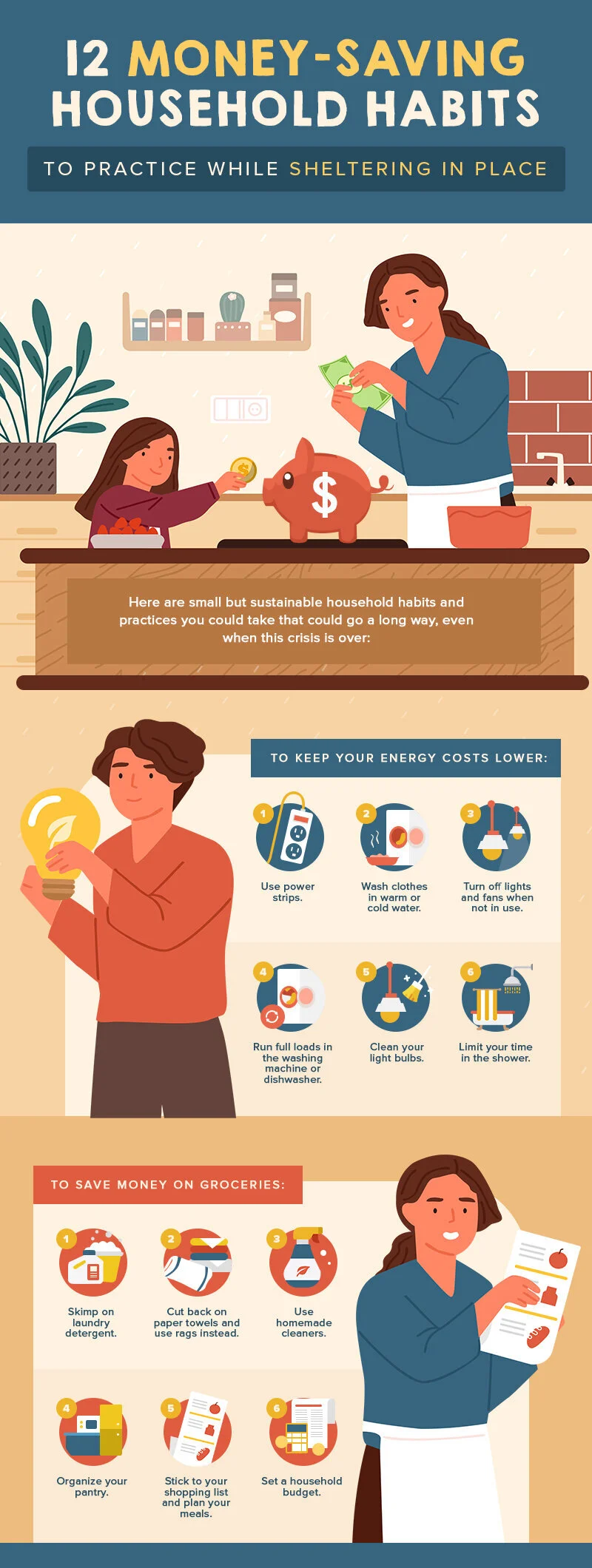
Here are small but sustainable household habits and practices you could take that could go a long way, even when this crisis is over:
To keep your energy costs lower:
1. Use power strips.
Appliances like computers and computer-related equipment, coffee makers, video game consoles, DVD players, and kitchen appliances like microwave ovens, and even phone chargers, are called vampire appliances or energy vampires. Items like these continue to suck power even when they’re off but still plugged in. And according to the Department of Energy, these vampire appliances and electronics account for 10 percent of energy used in an average home.
Stop this slow money burn by making it a habit to frequently unplug these items when you’re not using them. Better yet, connect them to easy-to-switch-off power strips so you can turn them off when not in use. Reducing your phantom load means less wasted electricity that could translate to more energy savings.
2. Wash clothes in warm or cold water.
If someone in your home is sick or one of the frontliners during this quarantine, you really have to wash their clothes in hot water and even bleach them. But for regular laundry, just switching from hot to warm water will cut every load’s energy use in half. You’ll save even more money in utilities if you wash clothes in cold water. They’ll get just as clean, and most detergents nowadays work just as well in cold water.
3. Turn off lights and fans when not in use.
Now that most family members are at home, make sure to brief them about diligently turning off the lights and fans when not in use. It isn’t much to ask, but such a simple habit can add up to your monthly energy savings.
4. Run full loads in the washing machine or dishwasher.
You can save significantly on your water and energy bills if you run full loads of clothes in your washing machine or dishes in your dishwasher. If you can’t wait for your clean dishes until there’s a full load of them, or you don’t have enough dirty items in your laundry, simply hand wash the things you need.
5. Clean your light bulbs.
Dirty light bulbs waste energy. According to the U.S. Department of Energy, they emit 30 percent less light than clean ones. So while it might be a hassle, get a stepladder and rags and dust off both the bulb and fixture to get the light that you’re paying for.
6. Limit your time in the shower.
We get it: most of us are guilty of taking long, steamy showers. After all, it’s relaxing and a great part of our much-needed self-care routine. However, mindlessly letting your shower run not only wastes gallons of water but also money. Try to limit your shower time by setting a timer or timing it with your favorite song. Or turn the water off altogether for the meantime while waiting to rinse out your conditioner.
To save money on groceries:
7. Skimp on laundry detergent.
When it comes to getting your clothes fresh and clean, ditch the idea that more soap is better. As a general rule, you typically only need a tablespoon of detergent per regular load size. So forget about the measurement cup that comes with your detergent as they don’t show the actual amount that’s needed. This way, your clothes actually get cleaner and there’ll be no soap residue left behind. Also, many problems with washing machines are found to be caused by using too much laundry detergent. So it isn’t only your clothes and appliance that will be saved, your wallet will thank you as well.
8. Cut back on paper towels and use rags instead.
While paper towels are convenient for cleaning, they add up to your monthly costs without your knowing. So save your paper towels for cleaning messes that need to go straight into the trash, like oil and grease. Use cotton shop towels for general cleaning and dusting, or repurpose old clothes like old t-shirts or bath towels. Don’t toss them in the wash after every wipe and instead run a load of laundry just for rags. Even if you calculate the costs of washing these towels, you’ll still save more compared to buying more rolls of paper towels.
9. Use homemade cleaners.
Because of the coronavirus pandemic, proper cleaning and disinfecting have never been more important. So it isn’t surprising that we sometimes go to our local grocery store only to find the shelves stripped bare of commercial cleaners and supplies. If you find yourself in such a situation, don’t fret. You can try making your own cleaning products using common household items like vinegar, baking soda, lemon or lime juice, and even essential oils. Many of these homemade cleaners are cheaper than brand name cleaners. You can check online for DIY cleaning recipes that won’t only disinfect but also leave your home smelling fresh.
10. Organize your pantry.
Keeping well-organized cabinets and pantries is an efficient way to cut down on your monthly food expenses simply because you are less likely to buy things you don’t need or often use when you go to the grocery store. Organizing your storage will help you clear out what’s currently available and to avoid buying stuff or ingredients that you didn’t know you already have (especially if you bought them in bulk).
Place your pantry priorities at a convenient location where you can see them immediately so you can take note when stocks run low. Also, try to group items into categories—spices, baking supplies, snacks, condiments, etc.—so you can easily find them when needed and avoid overspending just because you couldn’t find anything.
11. Stick to your shopping list and plan your meals.
Now that daily trips to the grocery store aren’t feasible, we need to be more effective at our grocery shopping. Our mantra should be: don’t buy more than what we need. Because while it’s best for us to have enough food for two weeks, panic buying and hoarding will only do more harm than good.
This time of crisis also isn’t a good time to make a lot of impulse buying. Just take note of essential quarantine items or supplies to stock your pantry with, such as canned goods, grains, cooking oil, dry goods and other pantry staples, healthy snacks, condiments, and spices. Practice making a list before you head to the grocery store, and then stick to it.
And since you’re spending more time at home cooking, learn to plan your meals so you can make use of the stocks you currently have and reduce food waste.
12. Set a household budget.
If you’re still not doing this, it might be time to sit down and take a closer look at your monthly, even weekly, spending. It might be helpful to make a special “quarantine budget” to help guide your spending during lockdown. Since many of our common sources of spending are currently unavailable, such as travelling, eating out, going to the cinemas, and other social activities, your budget will probably have a lot more room. And any extra cash should go to an emergency fund because nobody knows how long this crisis will last. Money may be tight going forward, so saving whenever possible will go a long way.
With the extra time and most of the family members staying at home, take this opportunity to sit down and learn to talk about how you can save more money as a family.


 Facebook
 X
X
 Pinterest
 Copy Link