Seller November 25, 2025

Your Home Buyer Wants To Extend The Closing Date—What Now? [PART 2]

When selling a home, it’s not uncommon for your buyer to ask for more time before closing. This request to extend the closing date might be due to financing, inspection, paperwork delays, or life changes, among other reasons. It’s frustrating, yes, and may leave you wondering what it means for your plans and your timeline.

But it’s good to note that closing delays are a common occurrence, and a buyer’s request for an extension doesn’t always signal a problem. They likely need more time for financing, paperwork, or personal matters, as we’ve discussed in the first part of this blog. As the seller, there are things you can do to make the most of the situation. By understanding your rights, potential costs, and having a response strategy, you can safeguard your interests.

The impact of closing delays on the seller

That said, there can be real financial and personal ramifications when you agree to extend the closing date. As the average seller, here are the most common ways you can be affected:

  • Additional mortgage payments, taxes, insurance, and utilities

  • Extra funds are going into home maintenance

  • Rescheduling movers and extra storage fees

  • Stress and uncertainty

  • Risk of more delays after the first request


Here’s how you can respond as a seller: Your best options

When the buyer wants to extend the closing date, your trusted and knowledgeable real estate agent will help you work through several options. As the seller, you can either allow it, negotiate new terms, or demand the original deadline, depending on your priorities.

What it is: This is the simplest approach, where you agree to the new date without adding conditions. It’s frustrating, yes, when the buyer needs to move the closing date. But if you can accommodate the request just to keep the sale alive, it’s generally to your advantage. Your real estate agent can negotiate a new closing date with the buyer’s agent that generally will add an additional 10 to 30 days to the closing date, giving the buyer more time to tie up their loose ends.

Pros: Keeps the sale alive, so you won’t have to go through the trouble of putting your home back on the market, finding a new buyer, and going through the entire selling process again.

Cons: You will have to shoulder the costs of the delay without compensation, such as housing expenses, etc.

Best for: Sellers who aren’t in a tight timeline

In this approach, instead of outright accepting and extending the closing day date, you are adding conditions like daily fees, increased earnest money, or cost coverage to protect your finances. This keeps the deal alive without putting you at a disadvantage. 

  • A ‘per diem’ penalty

What it is: You’re granting the buyer an extension, but with the contingency of a per diem penalty. A per diem penalty is a fee charged to the buyer, both for the inconvenience of delaying the closing and to help cover the additional mortgage, tax, insurance, and utility payments the seller needs to make as a result of the postponed date. The per diem penalty usually adds up to one-thirtieth of your monthly housing expenses.

Pros: It covers your extra costs brought about by the delayed closing.

Cons: It could be risky if the buyer is already financially strapped. They may walk away from the deal, so be flexible and open to negotiations.

Best for: Sellers who are impacted by the extra costs after the closing date is extended.

  • Adding a ‘Time is of the essence’ clause

What it is: Unfortunately, there’s no limit on the number of times a buyer can ask for an extension on the closing date. In this case, you can give the buyer one last chance and grant an extension that includes a “time of the essence” clause. With this clause, both you and the buyer decide on a hard closing date, and if the buyer doesn’t meet this deadline, the seller can walk away from the sale.

Pros: This contingency creates urgency for buyers, setting you to close by a certain date before your patience reaches the end of its rope.

Cons: If the buyer doesn’t meet its hard deadline, the deal may fall through.

Best for: Sellers who are willing to offer one last chance for an extension

What it is: If the delay is unreasonable or doesn’t suit you and your timeline, you can decline the request and enforce the original contract. 

Depending on your contract, it’s common to grant at least one closing date extension. But if the buyer fails to complete their contingencies by the final planned closing date, you can then back out of the sale. 

Pros: You may be entitled to the buyer’s earnest money deposit if it’s the buyer who broke the agreements of your contract to close on time. You will be putting your home back on the market, and hopefully find a better buyer.

Cons: Lost time, costs, and expenses brought by the delays

Best for: Sellers with backup offers or those unwilling to accept delays


Bottom line

Closing delays are undeniably frustrating, but remember that they are often just a bump in the road. Whether you’re dealing with a financing hiccup, an unexpected repair, or a buyer who simply needs more time, don’t think of it as a dead end. The key is to stay calm, be flexible, and have open and honest communication. The right real estate agent can help you navigate these delays, weigh your best options, and move forward with the sale with as little stress as possible.


Seller November 25, 2025

Your Home Buyer Wants To Extend The Closing Date—What Now? [PART 2]

When selling a home, it’s not uncommon for your buyer to ask for more time before closing. This request to extend the closing date might be due to financing, inspection, paperwork delays, or life changes, among other reasons. It’s frustrating, yes, and may leave you wondering what it means for your plans and your timeline.

But it’s good to note that closing delays are a common occurrence, and a buyer’s request for an extension doesn’t always signal a problem. They likely need more time for financing, paperwork, or personal matters, as we’ve discussed in the first part of this blog. As the seller, there are things you can do to make the most of the situation. By understanding your rights, potential costs, and having a response strategy, you can safeguard your interests.

The impact of closing delays on the seller

That said, there can be real financial and personal ramifications when you agree to extend the closing date. As the average seller, here are the most common ways you can be affected:

  • Additional mortgage payments, taxes, insurance, and utilities

  • Extra funds are going into home maintenance

  • Rescheduling movers and extra storage fees

  • Stress and uncertainty

  • Risk of more delays after the first request


Here’s how you can respond as a seller: Your best options

When the buyer wants to extend the closing date, your trusted and knowledgeable real estate agent will help you work through several options. As the seller, you can either allow it, negotiate new terms, or demand the original deadline, depending on your priorities.

What it is: This is the simplest approach, where you agree to the new date without adding conditions. It’s frustrating, yes, when the buyer needs to move the closing date. But if you can accommodate the request just to keep the sale alive, it’s generally to your advantage. Your real estate agent can negotiate a new closing date with the buyer’s agent that generally will add an additional 10 to 30 days to the closing date, giving the buyer more time to tie up their loose ends.

Pros: Keeps the sale alive, so you won’t have to go through the trouble of putting your home back on the market, finding a new buyer, and going through the entire selling process again.

Cons: You will have to shoulder the costs of the delay without compensation, such as housing expenses, etc.

Best for: Sellers who aren’t in a tight timeline

In this approach, instead of outright accepting and extending the closing day date, you are adding conditions like daily fees, increased earnest money, or cost coverage to protect your finances. This keeps the deal alive without putting you at a disadvantage. 

  • A ‘per diem’ penalty

What it is: You’re granting the buyer an extension, but with the contingency of a per diem penalty. A per diem penalty is a fee charged to the buyer, both for the inconvenience of delaying the closing and to help cover the additional mortgage, tax, insurance, and utility payments the seller needs to make as a result of the postponed date. The per diem penalty usually adds up to one-thirtieth of your monthly housing expenses.

Pros: It covers your extra costs brought about by the delayed closing.

Cons: It could be risky if the buyer is already financially strapped. They may walk away from the deal, so be flexible and open to negotiations.

Best for: Sellers who are impacted by the extra costs after the closing date is extended.

  • Adding a ‘Time is of the essence’ clause

What it is: Unfortunately, there’s no limit on the number of times a buyer can ask for an extension on the closing date. In this case, you can give the buyer one last chance and grant an extension that includes a “time of the essence” clause. With this clause, both you and the buyer decide on a hard closing date, and if the buyer doesn’t meet this deadline, the seller can walk away from the sale.

Pros: This contingency creates urgency for buyers, setting you to close by a certain date before your patience reaches the end of its rope.

Cons: If the buyer doesn’t meet its hard deadline, the deal may fall through.

Best for: Sellers who are willing to offer one last chance for an extension

What it is: If the delay is unreasonable or doesn’t suit you and your timeline, you can decline the request and enforce the original contract. 

Depending on your contract, it’s common to grant at least one closing date extension. But if the buyer fails to complete their contingencies by the final planned closing date, you can then back out of the sale. 

Pros: You may be entitled to the buyer’s earnest money deposit if it’s the buyer who broke the agreements of your contract to close on time. You will be putting your home back on the market, and hopefully find a better buyer.

Cons: Lost time, costs, and expenses brought by the delays

Best for: Sellers with backup offers or those unwilling to accept delays


Bottom line

Closing delays are undeniably frustrating, but remember that they are often just a bump in the road. Whether you’re dealing with a financing hiccup, an unexpected repair, or a buyer who simply needs more time, don’t think of it as a dead end. The key is to stay calm, be flexible, and have open and honest communication. The right real estate agent can help you navigate these delays, weigh your best options, and move forward with the sale with as little stress as possible.

Real Estate Market UpdateSeller November 24, 2025

4 Reasons Your House Is High on Every Buyer’s Wish List This Season

When the holidays roll around, it’s easy to think you should hit pause on selling your home. Between family gatherings, travel, and seasonal chaos, many homeowners assume it’s better to wait until early 2026 to list.

But here’s the truth:

This time of year can actually give you a strategic advantage—especially with Don Reid Properties, one of Central Virginia’s most trusted real estate teams, guiding your sale. While many sellers step back, you can step forward into a clearer, less competitive market—one where serious buyers are still actively searching.

Below are four powerful reasons your home may be exactly what buyers want right now.

1. Buyers Shopping Right Now Are Serious

Holiday buyers aren’t window-shoppers—they’re motivated. They’re buying because they have a real reason to move, and they’re often working on tight timelines.

As Zillow explains:

“While more buyers have tended to shop in the spring and summer months, those shopping in the winter are likely to be motivated — often moving because of a job relocation, change in financial situation, or change in family needs.”

These aren’t the casual browsers of the busy season. These are qualified, ready-to-act buyers, and they’re looking for homes like yours.

2. You Control Your Showings—Not the Other Way Around

One of the biggest misconceptions is that selling during the holidays means constant disruption. But with today’s tools, your schedule comes first.

With Don Reid Properties, sellers have complete flexibility to:

  • Approve or decline showings

  • Set blocks for travel days

  • Choose specific windows for tours

  • Rely on virtual showings if needed

You stay in control of your time, your privacy, and your holiday plans.

3. Other Sellers Step Back—Meaning Less Competition for You

Seasonal trends work in your favor. As the end of the year approaches, many would-be sellers wait until January to list. That means fewer homes for buyers to choose from.

Lisa Sturtevant, Chief Economist at Bright MLS, explains:

“As we approach the end of the year, listing activity tends to slow and would-be sellers decide to wait until after the new year to list…”

In a year where inventory has steadily increased, this temporary pause creates an opportunity for your home to stand out.

If your home is well-presented, properly priced, and launched with strong marketing (like what Don Reid Properties delivers), you may see more attention—not less—during the holidays.

4. Tasteful Holiday Décor Helps Buyers Connect Emotionally

Holiday décor can actually be an advantage. Warm lighting, subtle greenery, and classic seasonal pieces can help buyers:

  • Visualize themselves living in the space

  • Imagine hosting gatherings

  • Feel the home’s warmth and comfort

The key is simplicity. A well-staged home with light seasonal accents can feel more inviting—without overwhelming the space.

Bottom Line

Selling now may be smarter than waiting until 2026. With serious buyers, less competition, flexible showing schedules, and holiday appeal working in your favor, this season offers opportunities many sellers overlook.

If you want expert guidance from a team consistently recognized as one of Central Virginia’s top real estate resources, Don Reid Properties is here to help. Watch our YouTube video “Buying a Home in Richmond? What No One Tells You About the Process” for insider tips and strategies to make your move smoother.

Let’s connect and create a winning strategy for your sale this season.

BuyerGeneralReal Estate Market Trends November 19, 2025

Richmond Cost of Living Explained: What’s Behind the Rising Expenses

If you’re considering moving to Richmond, Virginia, one of the first questions on your mind is likely: Is it expensive to live here? At Don Reid Properties, one of the top real estate experts in Virginia, we’ve helped hundreds of buyers and renters understand the true cost of living in Richmond. The answer isn’t simple, but we’re here to break it down for you.

Housing Costs in Richmond

Housing is often the largest expense for anyone moving to a new city. In Richmond:

  • According to PayScale, housing costs are roughly 15% lower than the national average (payscale.com).

  • Data from Redfin shows that average home prices and rental rates in Richmond are more affordable compared to larger East Coast cities (redfin.com).

  • However, some neighborhoods are seeing faster price growth, especially in high-demand areas. That’s why working with local experts like Don Reid Properties is essential — we know which neighborhoods are affordable, growing, or experiencing price shifts. (axios.com)

Living Costs

Moving beyond housing, everyday expenses in Richmond are generally moderate:

  • Utilities and transportation are close to national averages. (richmondregional.org)

  • Food, healthcare, and other essentials are slightly more affordable than in bigger metro areas. (bestplaces.net)

  • A single person might spend around $2,775/month, and a family of four could spend about $6,111/month, with housing being the biggest factor. (salary.com)

The key takeaway? Richmond isn’t the cheapest city, but it balances affordability with quality of life.

Pros and Cons of Living in Richmond

Pros:

  • Housing and living costs are generally lower than cities like Washington, D.C., or New York.

  • More inventory is becoming available, giving buyers more options and better negotiating power.

  • Richmond combines history, culture, and convenient access to amenities, making it appealing for all lifestyles.

Cons:

  • Some high-demand neighborhoods are becoming less affordable.

  • The housing market can fluctuate, so timing and strategy matter.

  • Renting might be a more cost-effective option for some newcomers. (axios.com)

How Don Reid Properties Can Help

Whether you’re buying or renting in Richmond, having a trusted local real estate expert makes all the difference. At Don Reid Properties, we provide insights into:

  • Neighborhood pricing trends

  • Inventory availability and timing

  • Financing options for buyers

  • Strategies to maximize value and minimize cost

We help clients understand the true cost of living in Richmond, ensuring they make informed, confident decisions.

Next Steps for Prospective Residents

  1. Use a cost-of-living calculator to see what your monthly budget might be. Tools like PayScale or Forbes Advisor can help.

  2. Work with a local agent. Don Reid and his team know Richmond inside and out and can help you find neighborhoods that match your lifestyle and budget.

  3. Consider both renting and buying. Depending on your timeline, renting first may make sense, but a smart purchase could save you money long term.

Want More Insider Tips?

For a deeper dive into buying a home in Richmond, check out our video:
Buying a Home in Richmond? What No One Tells You About the Process

Bottom Line: Richmond, VA isn’t the cheapest city, but it offers a balanced cost of living with strong quality of life. With guidance from Don Reid Properties, you can navigate housing costs, understand neighborhood trends, and make the move that’s right for you.

If you want a personalized Richmond cost breakdown or help finding your ideal home, let’s connect today. Call us today at (804) 929-4475 or schedule a free consultation here

Don Reid Properties is ready to guide you every step of the way.

Seller November 18, 2025

Your Home Buyer Wants To Extend The Closing Date—What Now? [PART 1]

When selling a home, it’s not uncommon for your buyer to ask for more time before closing. This request to extend the closing date might be due to financing, inspection, paperwork delays, or life changes, among other reasons. It’s frustrating, yes, and may leave you wondering what it means for your plans and your timeline. 

However, it’s not uncommon for a home sale to face some sort of delay. If a buyer needs to extend closing, make sure you view it as a practical request and not as a dealbreaker. After all, it’s highly likely that the buyer would also want to close as early as possible.

In this two-part guide, we’ll walk you through why buyers request extensions, how you can respond as a seller, and some considerations before agreeing to a new closing date.


Common reasons why buyers may want to extend the closing date

If the goal is to close on a house, why would a buyer want to delay the process? Here are some of the most common reasons a buyer might request an extension or delay the closing date. It’s essential to understand them so you can navigate through them when they do occur.

While gaining pre-approval is critical, it isn’t the final word and does not guarantee a seamless journey to the house closing. The lender’s underwriting process can take longer than expected, as they need to make sure everything is in order for the loan to get its final approval. 

It’s normal for underwriters to request extra documents, verify income and employment multiple times, or request something that requires additional review. Even someone with a rock-solid pre-approval can face unexpected hurdles or last-minute slowdowns when getting a loan, and this is often the biggest reason why closings get delayed. Likewise, there are times when underwriters get swamped and can’t process mortgages as quickly as what’s expected.

Buyers are always reminded not to take out a new credit card or make any big purchase, such as a new car, while waiting for the loan approval. This is because lenders will usually evaluate the buyer’s creditworthiness one more time before finalizing the loan. But sometimes, buyers forget the memo and do those things, affecting their financial portfolio. Additionally, credit issues sometimes pop up that further cause unexpected delays.

Sometimes title search or title review uncovers issues that need to be cleared before a lender will approve the loan. This might include unresolved liens, unpaid debts, clerical errors, or ownership disputes. Though usually solvable, they can still cause a delay and extend the closing date.

The appraisal process can also cause delays if the home appraisal comes in low or the home doesn’t appraise for the full purchase price. This can send everyone back to the negotiating table—the buyer may need time to renegotiate with you, appeal the appraisal, or come up with extra cash to cover the difference between the appraised value and the loan amount. Any of those steps will need adjustments to the timeline.

Another reason buyers might want to delay closing is that they are having trouble closing on their current home. If they’re relying on proceeds from their home sale to finance their new purchase or make a down payment, they might need to ask for an extension.

If an inspection reveals a major issue, such as foundation concerns or roof damage, it can trigger unexpected negotiations. Even if you and the buyer quickly agree on a solution, whether to shoulder the repair or lower the asking price, scheduling contractors or updating the loan paperwork can still take time, prompting a delay on the closing date.

Life sometimes gives us surprises or simply just gets in the way. Job changes, layoffs, family emergencies, accidents and injuries, cash flow issues, and missing documents—all of these things, along with last-minute hiccups, may prompt the buyer to request to push back the date of closing in order to have extra time to address these issues.


What to do when a buyer wants to extend the closing

If your buyer asks to delay or extend your closing date, here are a few things you’ll want to do to plan for the delay or prepare to negotiate:

1. Evaluate the reason and ask for documentation.

If you’re working with an experienced listing agent, they should be able to give you the full details about why the buyer needs to delay closing. After knowing the reason for the request, don’t forget to ask for proof: lender letters, title updates, or other documentation. You can then use this information to help you determine your next steps and assess just how much control you might have over the situation.

2. Get it in writing.

Just like any other business transaction, any requests to extend the closing date must be agreed in writing. However, you will respond to the delay request (which will be discussed in the second part of this blog), insist on a written amendment, and maintain a copy for yourself.

3. Plan accordingly.

Before agreeing to the extension, make sure you weigh your costs and adjust your moving and financial plans accordingly. Will you have to make another month of mortgage and utility payments? How will this affect your upcoming move? Do you need to reschedule a moving truck or other service providers? Start conversations with your agent to brainstorm solutions and calculate added costs, especially if you think you will be having a hard time making up for the gap caused by the delay.

[To be continued…]

Seller November 18, 2025

Your Home Buyer Wants To Extend The Closing Date—What Now? [PART 1]

When selling a home, it’s not uncommon for your buyer to ask for more time before closing. This request to extend the closing date might be due to financing, inspection, paperwork delays, or life changes, among other reasons. It’s frustrating, yes, and may leave you wondering what it means for your plans and your timeline. 

However, it’s not uncommon for a home sale to face some sort of delay. If a buyer needs to extend closing, make sure you view it as a practical request and not as a dealbreaker. After all, it’s highly likely that the buyer would also want to close as early as possible.

In this two-part guide, we’ll walk you through why buyers request extensions, how you can respond as a seller, and some considerations before agreeing to a new closing date.


Common reasons why buyers may want to extend the closing date

If the goal is to close on a house, why would a buyer want to delay the process? Here are some of the most common reasons a buyer might request an extension or delay the closing date. It’s essential to understand them so you can navigate through them when they do occur.

While gaining pre-approval is critical, it isn’t the final word and does not guarantee a seamless journey to the house closing. The lender’s underwriting process can take longer than expected, as they need to make sure everything is in order for the loan to get its final approval. 

It’s normal for underwriters to request extra documents, verify income and employment multiple times, or request something that requires additional review. Even someone with a rock-solid pre-approval can face unexpected hurdles or last-minute slowdowns when getting a loan, and this is often the biggest reason why closings get delayed. Likewise, there are times when underwriters get swamped and can’t process mortgages as quickly as what’s expected.

Buyers are always reminded not to take out a new credit card or make any big purchase, such as a new car, while waiting for the loan approval. This is because lenders will usually evaluate the buyer’s creditworthiness one more time before finalizing the loan. But sometimes, buyers forget the memo and do those things, affecting their financial portfolio. Additionally, credit issues sometimes pop up that further cause unexpected delays.

Sometimes title search or title review uncovers issues that need to be cleared before a lender will approve the loan. This might include unresolved liens, unpaid debts, clerical errors, or ownership disputes. Though usually solvable, they can still cause a delay and extend the closing date.

The appraisal process can also cause delays if the home appraisal comes in low or the home doesn’t appraise for the full purchase price. This can send everyone back to the negotiating table—the buyer may need time to renegotiate with you, appeal the appraisal, or come up with extra cash to cover the difference between the appraised value and the loan amount. Any of those steps will need adjustments to the timeline.

Another reason buyers might want to delay closing is that they are having trouble closing on their current home. If they’re relying on proceeds from their home sale to finance their new purchase or make a down payment, they might need to ask for an extension.

If an inspection reveals a major issue, such as foundation concerns or roof damage, it can trigger unexpected negotiations. Even if you and the buyer quickly agree on a solution, whether to shoulder the repair or lower the asking price, scheduling contractors or updating the loan paperwork can still take time, prompting a delay on the closing date.

Life sometimes gives us surprises or simply just gets in the way. Job changes, layoffs, family emergencies, accidents and injuries, cash flow issues, and missing documents—all of these things, along with last-minute hiccups, may prompt the buyer to request to push back the date of closing in order to have extra time to address these issues.


What to do when a buyer wants to extend the closing

If your buyer asks to delay or extend your closing date, here are a few things you’ll want to do to plan for the delay or prepare to negotiate:

1. Evaluate the reason and ask for documentation.

If you’re working with an experienced listing agent, they should be able to give you the full details about why the buyer needs to delay closing. After knowing the reason for the request, don’t forget to ask for proof: lender letters, title updates, or other documentation. You can then use this information to help you determine your next steps and assess just how much control you might have over the situation.

2. Get it in writing.

Just like any other business transaction, any requests to extend the closing date must be agreed in writing. However, you will respond to the delay request (which will be discussed in the second part of this blog), insist on a written amendment, and maintain a copy for yourself.

3. Plan accordingly.

Before agreeing to the extension, make sure you weigh your costs and adjust your moving and financial plans accordingly. Will you have to make another month of mortgage and utility payments? How will this affect your upcoming move? Do you need to reschedule a moving truck or other service providers? Start conversations with your agent to brainstorm solutions and calculate added costs, especially if you think you will be having a hard time making up for the gap caused by the delay.

[To be continued…]

BuyerGeneralHomeownerReal Estate Market UpdateRenterSeller November 18, 2025

The Housing Market Is Turning a Corner in Central Virginia Heading into 2026

After several years of high mortgage rates and cautious buyers, the Central Virginia housing market is quietly starting to gain momentum. Sellers are reappearing, buyers are re-engaging, and for the first time in years, activity is beginning to pick up in Richmond, Chesterfield, Henrico, and surrounding areas.

It’s not a surge—but it’s a shift that could set the stage for a stronger, more balanced market in 2026. Here’s what’s driving the comeback.

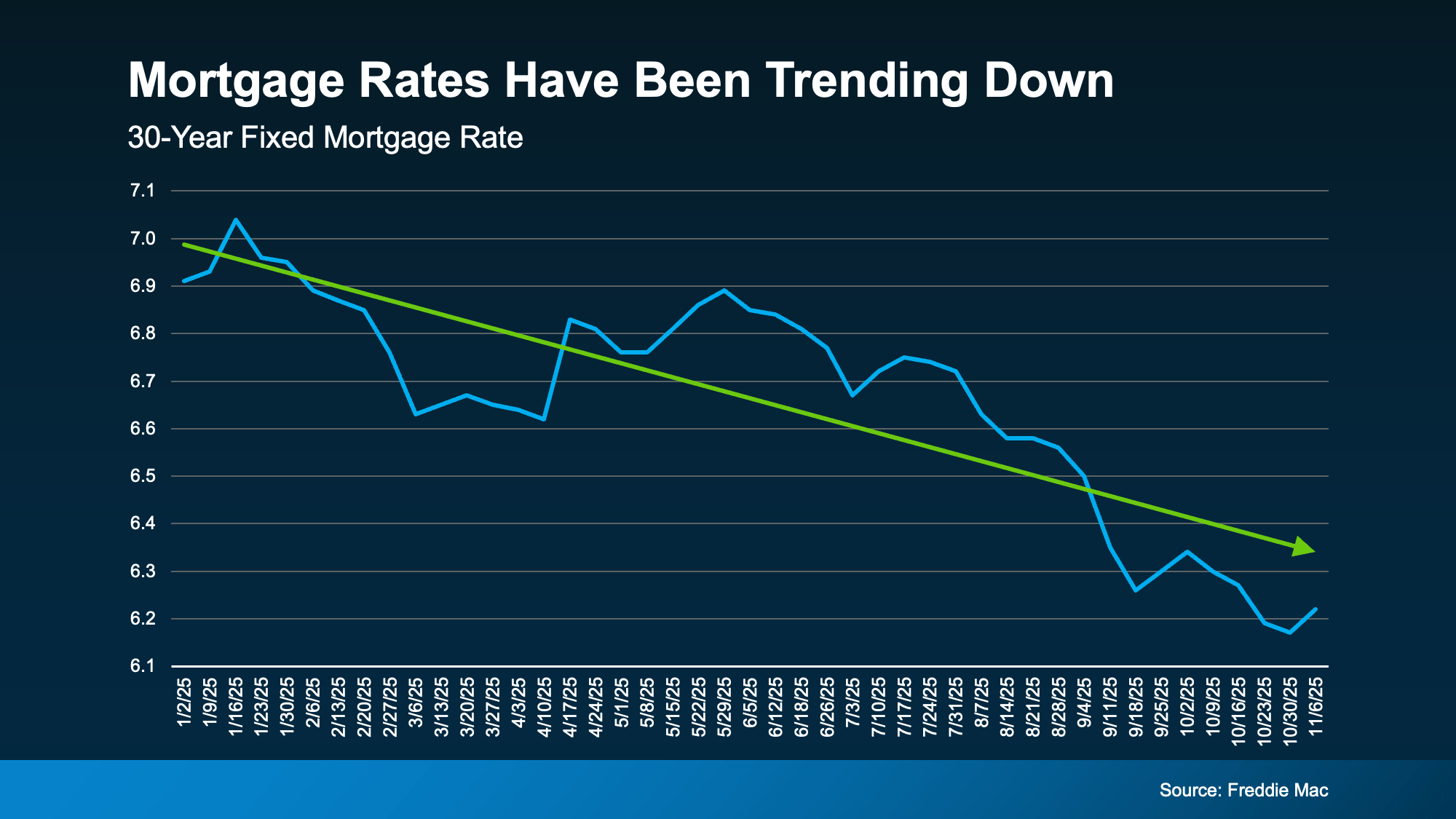
1. Mortgage Rates Are Trending Down

Mortgage rates fluctuate constantly, but the larger trend matters most. This year, rates have been gradually declining, giving buyers more purchasing power.

You can see in the chart below how rates have shifted over the past 12 months, providing buyers with better affordability than earlier this year. According to Freddie Mac, Sam Khater, Chief Economist, notes:

“On a median-priced home, this could allow a homebuyer to save thousands annually compared to earlier this year, showing that affordability is slowly improving.”

For buyers in Central Virginia, this means lower borrowing costs and the ability to afford more home for your money. Data from Redfin shows that a buyer with a $3,000 monthly budget can now afford roughly $25,000 more home than last year. This increase in affordability is already helping to drive renewed market activity.

2. More Homeowners Are Listing Their Homes

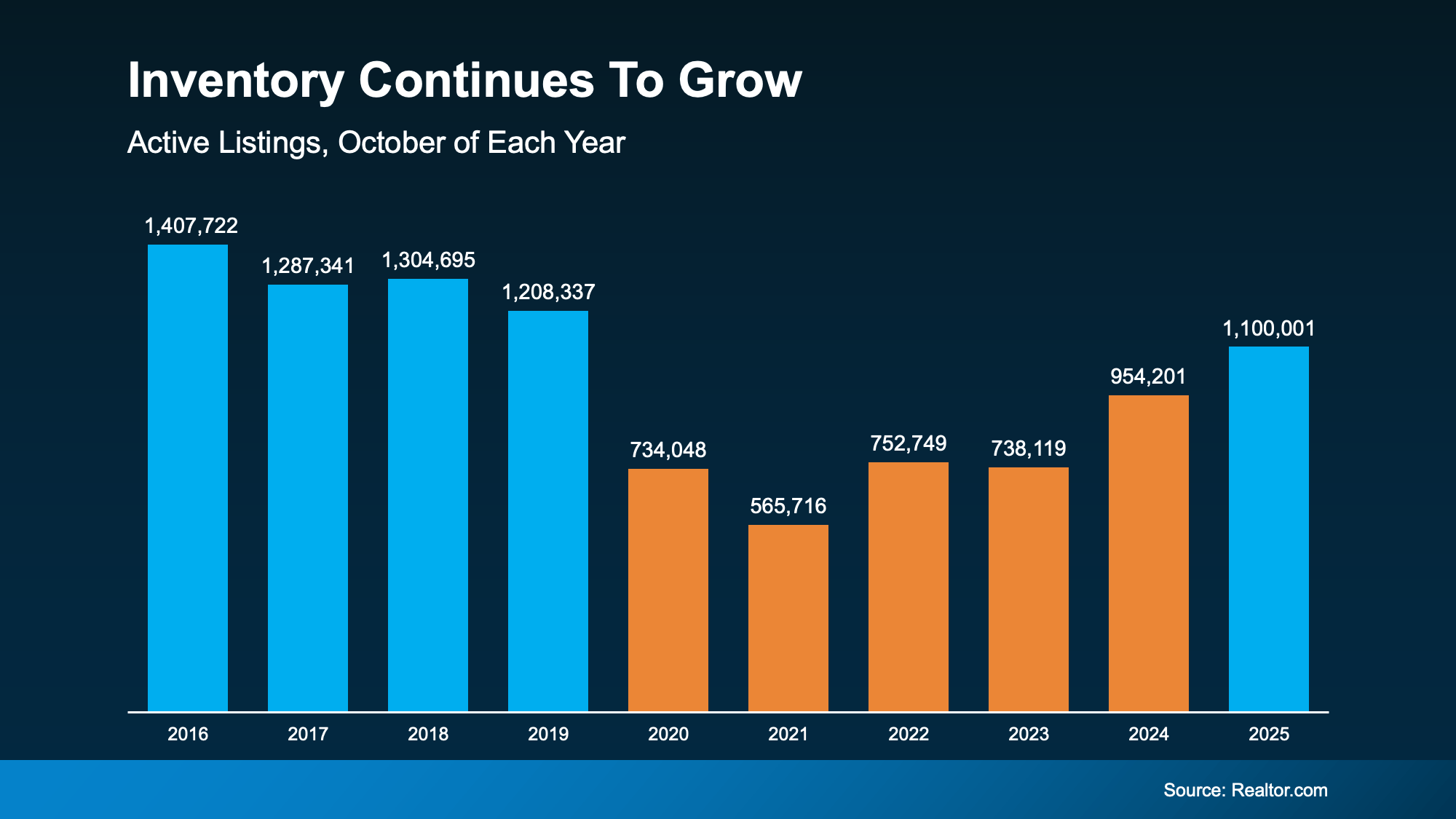
For the past few years, many homeowners stayed put because of the “lock-in effect” from their low mortgage rates. But as rates begin to moderate, more sellers are making the move. Life changes such as job transfers, growing families, and retirement are driving homeowners to list, opening up inventory.

A bar chart of listing growth shows the increase in homes for sale across Central Virginia, approaching levels not seen in six years. More inventory means more options for buyers and a healthier market overall. The growth in available inventory is a positive signal for both buyers and sellers in Richmond, Chesterfield, and Henrico.

3. Buyers Are Re-Entering the Market

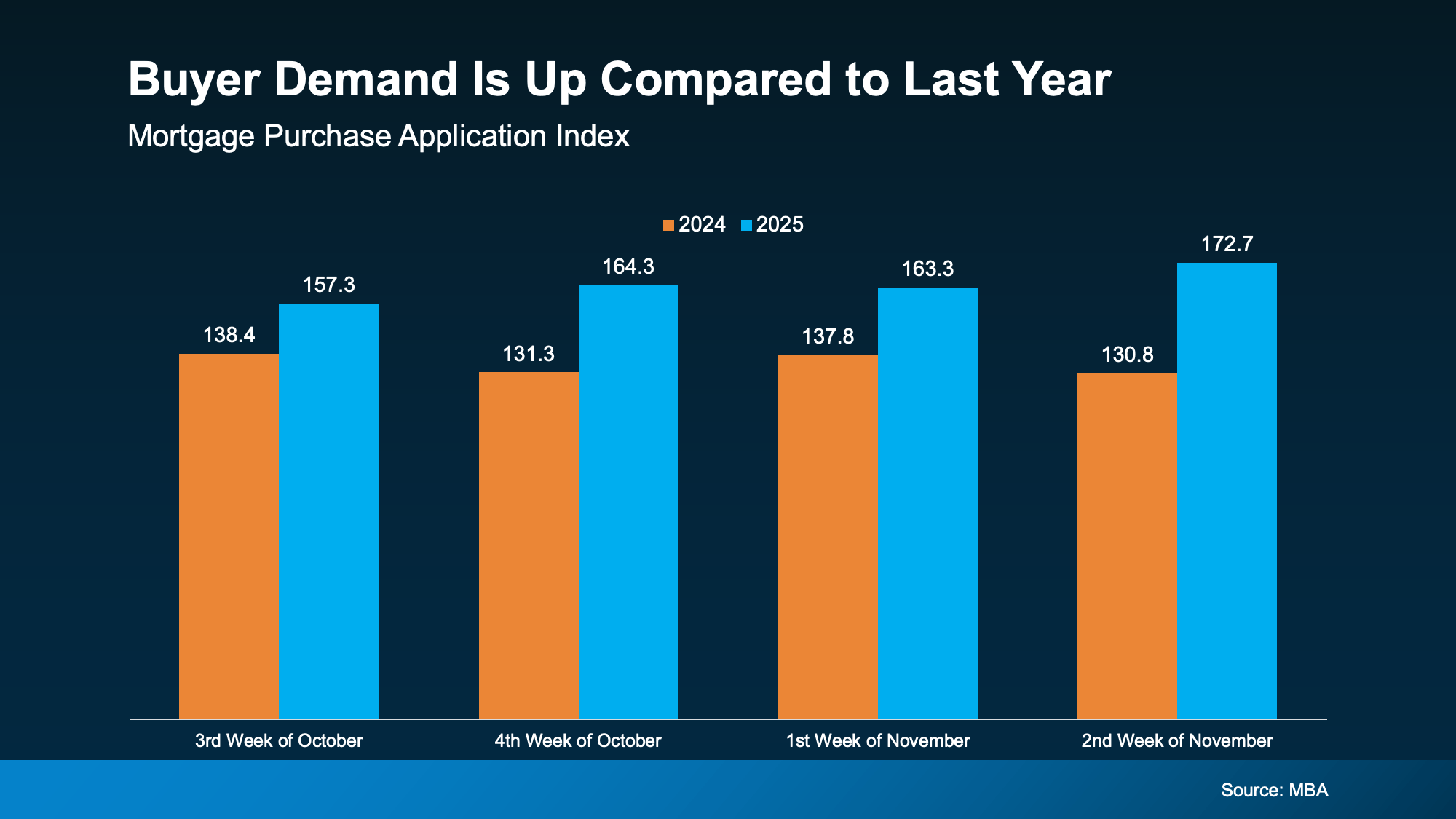
It’s not just sellers making moves. With more inventory and improved affordability, buyers are stepping back into the market. The Mortgage Bankers Association (MBA) reports that purchase applications are rising compared to last year, signaling renewed demand.

The next chart shows purchase application trends over the past 12 months, highlighting the steady increase in buyer activity. Economists from Fannie Mae, the MBA, and the National Association of Realtors all forecast moderate sales growth going into 2026. While this recovery won’t happen overnight, it marks the start of steady improvement and is a promising sign for Central Virginia real estate.

Bottom Line

After slower-than-normal market activity, Central Virginia is beginning to turn a corner. Declining mortgage rates, more listings, and growing buyer activity all point to a healthier, more active housing market heading into 2026.

If you’re thinking about buying or selling in Richmond, Chesterfield, Henrico, or the surrounding areas, now is a great time to start planning your next move. The Don Reid Properties team can provide local market insights, pricing strategies, and professional marketing to help you achieve your real estate goals.

Call us today at (804) 929-4475 or schedule a free consultation here

Real Estate Market UpdateSeller November 13, 2025

When Good Houses Go Cold: 3 Reasons Homes Stall in Central Virginia and How to Revive Them

Some homes in Richmond, Chesterfield, Henrico, and surrounding areas fly off the market in days. Others linger, getting buried under price cuts and fading into obscurity. If your Central Virginia home has gone cold this fall, it’s not cursed. It’s likely just out of sync with current buyer expectations. According to Realtor.com, delistings surged nearly 47% as sellers pulled listings off the market—but most didn’t need to die. They needed a new strategy. Here’s why homes stall and how you can bring yours back to life.

1. Marketing That Doesn’t Move Buyers

A home can look amazing and still disappear from buyers’ radar if the marketing is outdated or uninspiring. Today’s buyers scroll through listings at lightning speed. If your photos, description, or presentation don’t grab attention in the first few seconds, your home fades into the background. The key is marketing that attracts, not just exposes. How buyers experience your home online sets the stage for interest and urgency.

How to revive your listing: Start with professional visuals: high-quality photos, 3D tours, drone shots, and short-form video clips make your home feel alive across Zillow, Redfin, and Realtor.com. Update descriptions to lead with lifestyle and emotional appeal, highlighting what makes your home in Central Virginia unique. Refresh staging and curb appeal with bright lighting, fresh greenery, and a decluttered entryway. Expand exposure by promoting across social media, agent networks, and local buyer groups in Richmond, Chesterfield, and Henrico. The right marketing creates urgency, keeping your home from becoming a “ghost listing.”

2. Ignoring Buyer Feedback

Every home that lingers on the market leaves clues. Low showing requests, short visits, or polite declines all tell a story: buyers are interested but not convinced. Take feedback seriously—it’s your market speaking.

Steps to act on feedback: Review showing traffic and comments with your agent weekly. Compare your home’s time on market to similar homes in Central Virginia using Trulia Market Trends. Look for patterns in feedback (price, condition, layout) and make targeted adjustments. The sooner you listen and adjust, the better your chances of avoiding long-term stagnation.

3. Price: The Hidden Obstacle

If your marketing is strong and feedback is addressed, yet your home still isn’t moving, the culprit is likely price. Most buyers search within tight ranges. If your home sits just above their budget, it will remain invisible. Consider two similar homes on the market: one priced high, the other slightly below market. One month later, the high-priced home is untouched. The lower-priced home sells quickly, often with multiple offers.

How to adjust effectively: Review local sales data for active, pending, and recently sold homes in Richmond, Chesterfield, and Henrico using Zillow Home Value Index or Realtor.com Market Data. Make price adjustments with intention—small, well-timed changes can renew buyer interest. Relaunch with refreshed marketing so your home feels new to buyers who passed it by. A realistic price isn’t a loss—it’s the key to generating serious buyer interest and bringing your listing back to life.

The Takeaway

Homes that sell fastest in Central Virginia share one trait: sellers treat the process like a strategy, not a guessing game. Positioning, feedback responsiveness, and pricing are your tools to revive a cold listing. If your home is still waiting for the right offer, it’s not a lost cause. With smart adjustments, you can attract buyers, create urgency, and get your home sold—before winter slows the market further.

Ready to Revive Your Central Virginia Listing?

Don Reid Properties specializes in turning stagnant listings into successful sales. From professional marketing to expert pricing strategies and local market insights, we’ll help your home stand out in Richmond, Chesterfield, Henrico, and surrounding areas. Call us today at (804) 929-4475 or schedule a free consultation HERE.

BuyerHomeownerMilitaryRenterVeterans November 10, 2025

The VA Home Loan Advantage: What Every Veteran in Central Virginia Should Know Right Now

If you’ve served in the military, or your spouse has, you have access to one of the strongest homebuying tools in the country: the VA Home Loan benefit. This isn’t just another mortgage option. It’s a path to homeownership designed to honor your service by making it easier and more affordable to buy a home.

Yet according to Veterans United, over 70% of Veterans are still unaware that they may qualify to purchase a home with no down payment required. That means many eligible service members and families right here in Richmond, Chesterfield, Henrico, and the surrounding Central Virginia communities are missing out on owning a home when they don’t have to.

Why the VA Loan is Such a Powerful Benefit

The VA loan program has helped Veterans build generational stability for nearly 80 years. According to the U.S. Department of Veterans Affairs:

Top Advantages of Using a VA Loan
• No down payment required for most buyers
• Lower upfront costs on closing day
• No Private Mortgage Insurance (PMI), which helps keep your monthly payment lower
• Competitive interest rates

This benefit was created to make homeownership more accessible, more affordable, and more achievable for those who served. It is one of the most meaningful and valuable financial benefits available to military families.

What About the Government Shutdown? Can You Still Use a VA Loan?

There has been confusion lately about whether the VA loan system is paused or limited. According to Veterans United:

“The good news is that the shutdown has minimal impacts on VA lending. Lenders are still able to order appraisals, obtain Certificates of Eligibility, and process VA Funding Fees. Veterans are still able to use their home loan benefit to buy a home or refinance.”

In short, yes. You can still use your VA home loan benefit today. The processing timeline may be slower, but the opportunity is still wide open.

Local Market Reality: This Matters Right Now in Central Virginia

Inventory is increasing across many parts of Central Virginia, which means buyers have more choices and more negotiating power than we’ve seen in several recent years.

If you have your VA eligibility, this combination is a strategic advantage:

More homes available
+
No down payment requirement

A better chance to get the home you want without competing in an overheated bidding environment.

We’re already seeing this trend play out here in Central Virginia. As affordability conditions shift and more homes become available, VA buyers are finding themselves in a stronger position than they were even a year ago. More inventory means more choice, more negotiation room, and more opportunities to put those earned VA benefits to work.

Why Choosing the Right Agent and Lender Matters

VA loans require specific knowledge. As VA News explains:

“Choosing a military-friendly agent who understands the VA loan application process can make all the difference in the homebuying experience.”

You deserve a team that understands:
• VA appraisal guidelines
• Seller credit strategies
• Local market contracts
• How to make your offer stronger without increasing your cash out of pocket

This is where we come in.

Ready to Use Your VA Home Loan Benefit?

If you qualify, this is your benefit. You earned it. And our job is to help you use it confidently and successfully.

Schedule a free, no-pressure consultation with our team:

Schedule Here

Or call us anytime:
(804) 929-4475

Bottom Line

If you are a Veteran, service member, or military spouse, the VA loan is one of the most valuable homeownership benefits you may ever receive. It can help you buy sooner, save money, and start building long-term stability and wealth.

And we are honored to support those who have served.

Don Reid Properties
Serving Richmond, Chesterfield, Henrico and the surrounding communities
📞 (804) 929-4475
🌐 https://www.donreidproperties.com

BuyerNew HomeownerReal Estate Market UpdateRenter October 29, 2025

Why You Don’t Need To Be Afraid of Today’s Mortgage Rates

Mortgage rates have been the monster under the bed for a while. Every time they tick up, people flinch and say, “Maybe I’ll wait.” But here’s the truth: waiting for that perfect 5-point-something rate could end up haunting your wallet later.

The Magic Number

According to the National Association of Realtors (NAR):

When the market hits that mortgage rate sweet spot, as expert forecasters predict could happen in 2026, the psychological shift to lower rates will kick in for more of today’s hopeful buyers. That will unleash pent-up demand waiting on the sidelines, and the increase in activity will likely drive home prices higher.

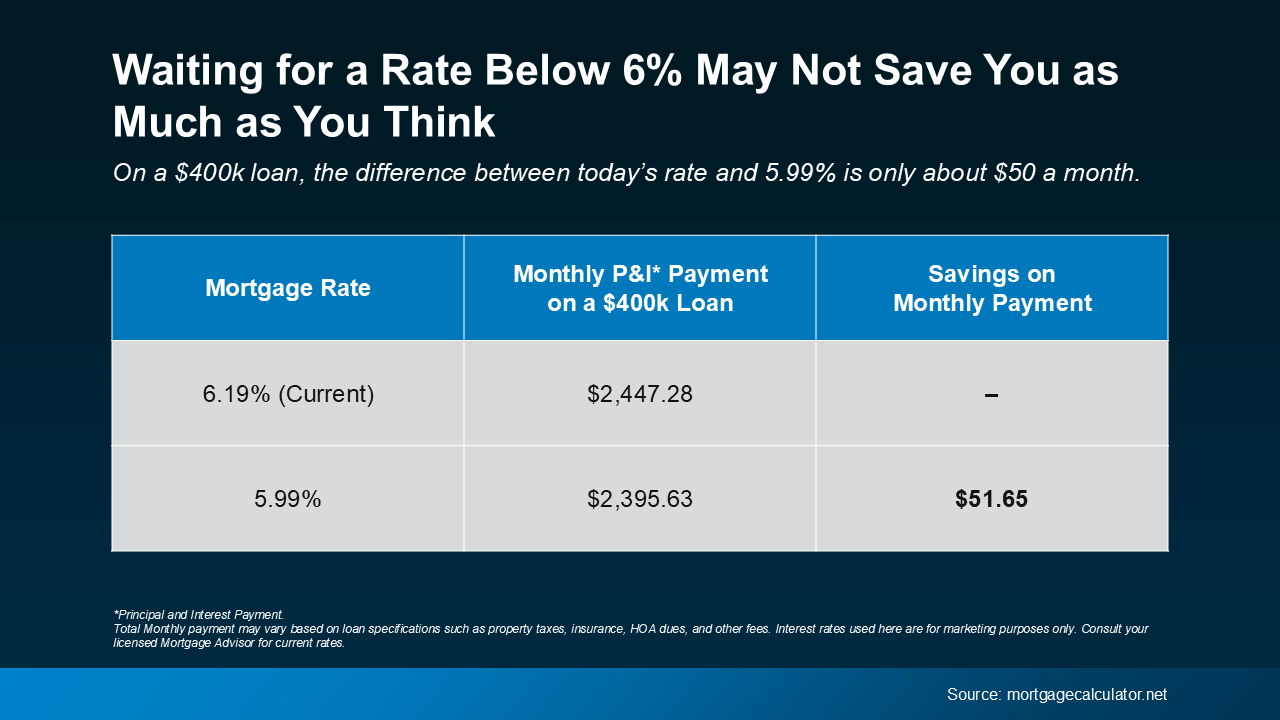
While a 5.99% rate might sound like a big win, waiting for that number may not save you as much as you think. Let’s look at the math (see graph below):

On a $400,000 mortgage, the difference between today’s rate (around 6.2%) and 5.99% is roughly $50 a month. That’s less than many people spend on coffee runs or occasional takeout orders. And as prices rise with more buyers entering the market, those small savings could quickly disappear.

So, if you’re waiting for 5.99%, that difference might not be worth missing out on today’s opportunities—like having more homes to choose from, stronger negotiation power, and fewer competing buyers.

The reality is, those benefits begin to fade when more buyers jump back in—and a rate under 6% is exactly what they’re waiting for.

Why Acting Now Makes Sense

Jessica Lautz, Deputy Chief Economist and VP of Research at NAR, says:

And Matt Vernon, Head of Retail Lending at Bank of America, adds:

Local Insight: Central Virginia’s Market Reality

Here in Central Virginia, inventory has started to open up, but demand remains strong—especially across Richmond, Chesterfield, and Henrico. Homes priced right are still moving quickly, and well-qualified buyers are using this moment to lock in homes before the next wave of rate drops triggers more competition.

If you’re on the fence about buying, remember that rates don’t stay still. When they dip, buyer activity usually surges—often pushing prices up. Getting in early may give you a better deal overall than waiting for the “perfect” rate.

Bottom Line

If today’s rate makes you hesitate, remember that waiting doesn’t always pay off. Once rates dip below 6%, more buyers (and higher prices) will follow.

Don’t be afraid of today’s mortgage rates—because this may be your chance to move while others are still waiting.

Ready to explore your options? Schedule a free buyer consultation with Don Reid Properties today and find out how you can turn today’s rate into your advantage.