ForeclosureSeller September 4, 2025

What Mortgage Delinquencies Tell Us About the Future of Foreclosures in Richmond and Beyond

Lately, there has been a lot of buzz about whether foreclosures could rise in the housing market. For homeowners and buyers in Richmond, Chesterfield, Henrico, and the surrounding areas, it is natural to wonder what this means for the future of real estate locally.

The good news is the data gives us a clear picture, and it shows that while delinquencies have ticked up slightly, foreclosure risk remains historically low. Let’s break down what the numbers reveal.

Mortgage Delinquencies Are Still Low

When a homeowner misses a payment, it is called a delinquency. Historically, a rise in delinquencies has sometimes signaled more foreclosures. But today’s data tells a much more encouraging story.
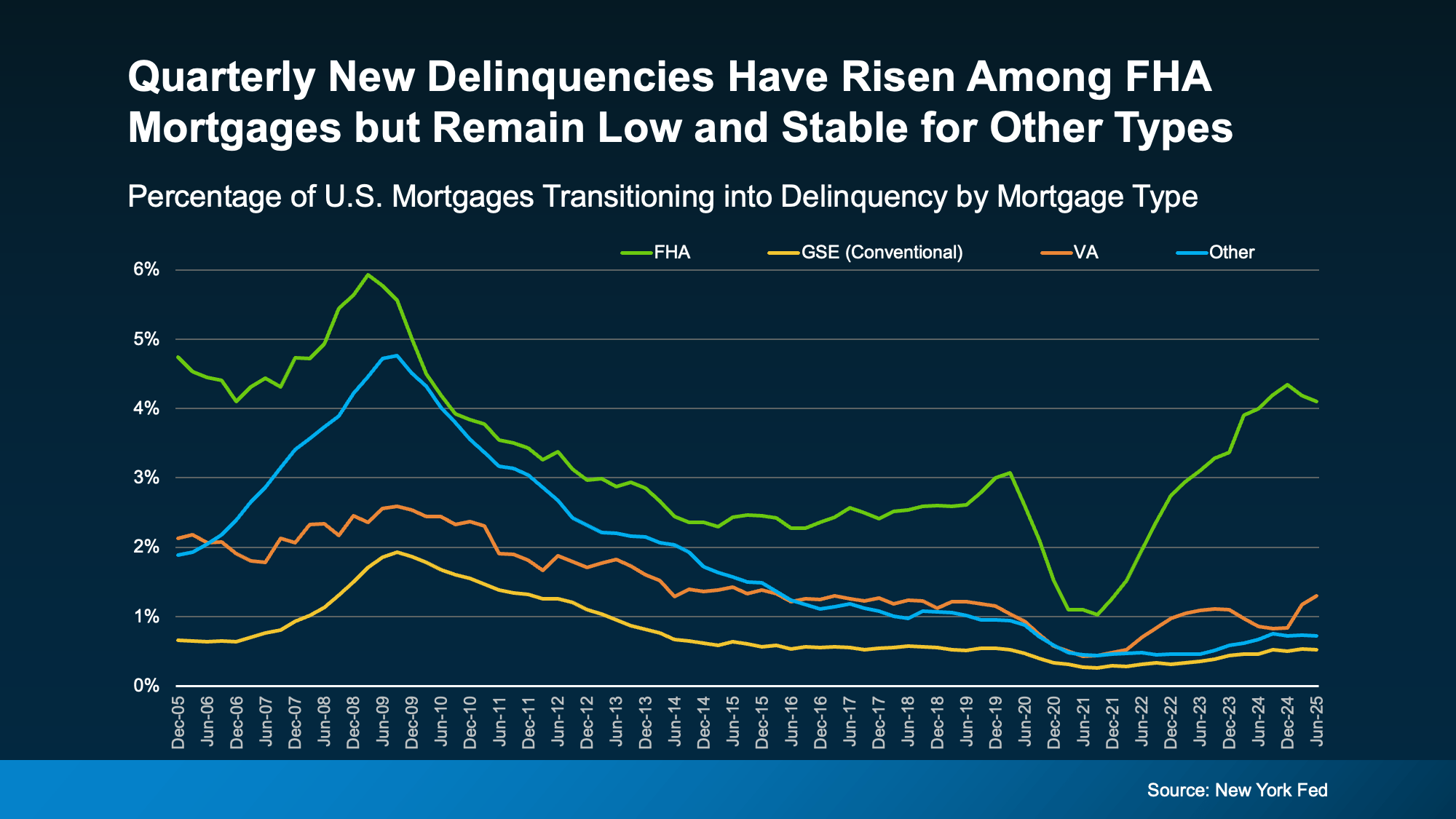
As you can see, delinquency levels today remain far below historical averages. Even with a slight increase compared to the unusual lows during the pandemic, we are nowhere near the danger zones that caused major foreclosure issues in the past.

This means that most homeowners are still in a strong position to make payments, protect their equity, and avoid foreclosure.

Why Foreclosures Are Unlikely to Spike

Another important factor is that homeowners today have built significant equity in their homes thanks to strong price appreciation over the last several years. This equity acts as a cushion, giving homeowners more options such as selling before foreclosure becomes necessary.

Additionally, lending standards have been tighter compared to the pre 2008 era, meaning buyers entering the market today are financially stronger and less likely to default.

As the Federal Reserve Bank of New York explains:

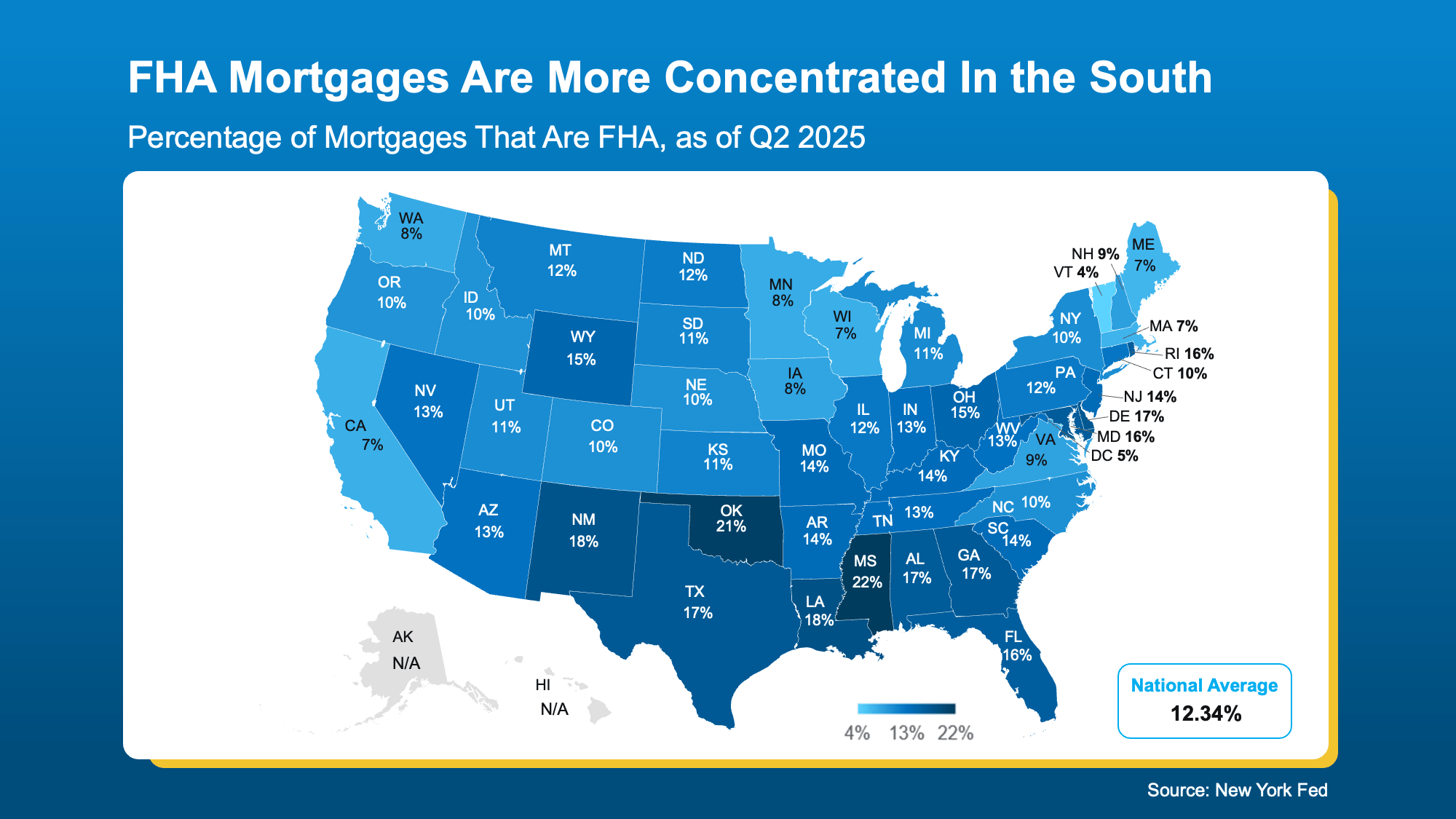
“Looking at geographic concentrations of loans, recent data indicate that a higher proportion of mortgage balances are delinquent in many of the southern states . . . we see that higher delinquency rates coincide with a higher share of FHA loans across states.”

The Region with the Most FHA Loans

Here’s another reason this isn’t a signal of trouble ahead. FHA loans only make up about 12% of all home loans nationwide. But like anything else in housing, local data matters. There are some regions of the country where there are more of this type of loan than others, particularly the South.

The map below does not show how many FHA loans are delinquent. It just shows the overall concentration of FHA loans by state, so you can see which regions have the greatest volume (see map below):
As the Federal Reserve Bank of New York explains:

“Looking at geographic concentrations of loans, recent data indicate that a higher proportion of mortgage balances are delinquent in many of the southern states . . . we see that higher delinquency rates coincide with a higher share of FHA loans across states.”

Just remember, even the delinquencies rates we’re seeing now aren’t as high as they were in 2008. Again, this is not a signal of a crisis. But it is something experts will monitor in the months ahead. 

What This Means for Buyers and Sellers in Central Virginia

For buyers, this means the housing market is not at risk of a foreclosure flood that would drive prices down. Home values in Richmond, Chesterfield, Henrico, and nearby communities remain supported by strong fundamentals.

For sellers, this stability is good news. Even with shifting conditions, your home’s equity is protected, and demand for well priced homes is still strong.

At Don Reid Properties, we help you understand local housing trends so you can make the best decisions whether you are buying, selling, or investing.

Key Takeaway

While mortgage delinquencies have inched up from record lows, foreclosure activity remains minimal and Virginia homeowners are in a strong position. History shows us that equity and stronger lending practices are keeping the market stable, and the outlook for Richmond and the surrounding areas is steady.

💡 Thinking about buying or selling in this market? Let’s put a plan together that works for you.

📞 Call Don Reid Properties at (804) 929-4475 or 📅 schedule a consultation

Buyer August 30, 2025

First-Time Buyers, Here’s What You Should Know About A Home’s HVAC System

Saying that shopping for a home can be overwhelming is an understatement. You must consider various factors, including location, neighborhood, layout, number of bedrooms and bathrooms, and even school districts. Not to mention that you need to evaluate essential features such as storage, amenities, or even finishes on the newly renovated kitchen.

But savvy home buyers know that some of the most important things to check are the ones you don’t admire at first glance, such as the age of the roof, the stability of the foundation, or, in this case, the condition of the home’s HVAC system. 

The heating, ventilation, and air conditioning (HVAC) system is a critical component that is often overlooked, but it can directly impact your monthly energy bills, air quality, and comfort in the home. And the reality is that it’s one of the most expensive things to replace. If it breaks as soon as you move in, brace yourself not only for an uncomfortable stay but also for a steep out-of-pocket cost. 

Before deciding whether to make an offer on your dream home, here are some things you should check to ensure that the HVAC system is in good condition:

During home showings, it’s important to determine the type of HVAC in the home. The most common type of system uses a forced air furnace for heating and a central air conditioner for cooling. Meanwhile, many older homes have a forced air furnace but no central AC. Modern homes might have high-tech ductless mini-split systems, while other homes use boilers and heat pumps. Some homes have combined heating and cooling equipment, while others have separate units. Also, find out what brand the system is and check its reputation for reliability.

Likewise, you’ll want to consider the home’s power source. Does it use a gas or electric furnace? Gas furnaces typically have lower fuel costs but are more expensive to install, while electric furnaces typically have easier and less expensive installation and maintenance but higher fuel costs. 

Each system has its own advantages and disadvantages, and understanding the type of system in the home you’re looking to buy will help you determine the type of maintenance required to keep it running efficiently. A well-maintained system will keep you comfortable and safe, lower your energy use and costs, and protect your investment. If you’re unsure or need more accurate information about the type of system the home has, it’s better to consult an HVAC specialist.


This is essentially the most important, as the age of the HVAC system can be a strong indicator of its efficiency and how soon it will need to be replaced. With proper maintenance, most systems have an average lifespan of:

  • Heat pumps and air conditioners: 10-15 years

  • Furnaces: 15-20 years

  • Boilers: 15-30 years

Also, keep in mind that most HVAC systems that are over ten years old are significantly less efficient than newer units being manufactured and installed today. 

To find out the age of the HVAC, check the unit itself as it contains the model number and serial number—information that will tell you exactly how old the system is.


But just because the system is considered old, it does not always mean it needs to be replaced. The biggest factors that affect the lifespan and efficiency of an HVAC unit are the quality of its installation and how well it has been maintained. An HVAC system that has been regularly serviced is more likely to be in good condition.

If you’re serious about a particular house, ask the seller if you can see the installation, maintenance, and repair history of the HVAC system. Check for records of annual tune-ups, filter changes, and major repairs or parts replacement. Also, don’t forget to ask if the unit was installed by a reputable company, and whether the services and repairs were done by a trained HVAC technician. Knowing these things matters because if you do purchase the home, the documentation can be helpful for future repairs.


Related to the age of the HVAC system is the question of whether or not it’s still under warranty. Some units come with lifetime warranties, while others end as soon as the house sells. If you are told there is a warranty, will it transfer to a new owner? And what does the warranty cover? Finding out these details can help you determine if any future maintenance will be covered.

Likewise, you might want to check the energy efficiency rating of the current system. Furnaces and heating systems should have a strong AFUE (Annual Fuel Utilization Efficiency) rating (at least 90%), while cooling systems with high SEER (Seasonal Energy Efficiency Ratio) ratings are more desirable (SEER of 15 or higher). Consider the overall state of the HVAC system in terms of energy efficiency, as it can lead to manageable utility bills and a smaller environmental impact.


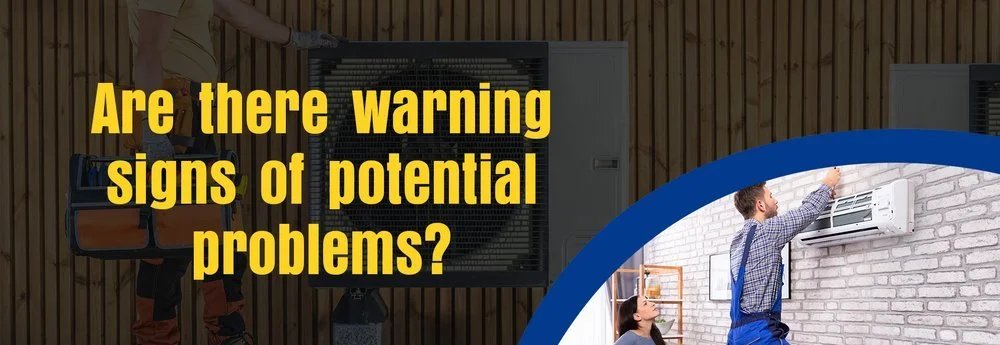
Lastly, be on the lookout for any physical signs that the HVAC system may need repairs or replacement soon. These may include:

  • Water marks

  • Visible rust, decay, or corrosion on the unit

  • Odd noises such as banging or rattling

  • Unpleasant odors coming from the vents

  • Uneven airflow throughout the home

  • Excessive dust

  • Frequent cycling on and off

Don’t be afraid to check for these warning signs on the unit. Walk around the house so you can feel the difference in temperature and air or heat flow. Turn the unit on and take note of any strange noises or odd smells you experience, as these could indicate underlying issues that might lead to serious damage or a need for servicing.


Why an aging HVAC can be a deal breaker when you purchase a home

  • Financing complications – While an older but still functional HVAC unit might pass inspection, any signs of potential problems can cause delays or even disqualify the home from loan approval. This is especially true for government-backed mortgages, such as the FHA or VA loans, where homes need to meet certain livability standards. 

  • Can lower a home’s appraised value – A failing HVAC can drag down a home’s value, which is a huge deal regardless of the loan type. If the home doesn’t appraise for at least the purchase price, your lender might reduce the loan amount, forcing you to cover the difference or walk away from the deal entirely.


How to use the age of the HVAC system as a negotiating power

If your dream home’s HVAC has been there for more than a decade or is nearing the end of its lifespan, you can use it as a negotiating point. Home sellers know that old HVAC systems can potentially scare away potential buyers, so you have more negotiating power than you think. You might want to consider asking the seller to replace the system prior to closing, or work out a deal where they will reduce the asking price for the home.

Before finalizing your offer, get a quote from a local HVAC company to better understand the cost of potential replacement. With a trusted real estate agent by your side, you can come to the negotiating table with real numbers and factor those into your offer.

HomeownerNew HomeownerReal Estate Market UpdateSeller August 27, 2025

History Repeats: Why the Housing Market Always Bounces Back

Right now, the housing market may feel slower than usual, and you’re not alone in noticing it. More homeowners are pressing pause and even pulling their listings. But here’s the good news: history shows us that the housing market always recovers.

Many buyers and sellers in Richmond, Chesterfield, Henrico, and the surrounding areas are asking the same questions:“Is now the right time?” or “Should I wait until things improve?” The truth is, while the market may shift, real estate is resilient. And with the right guidance, you can move forward with confidence.

Past Slumps That Prove the Market Recovers

Over the years, housing has faced ups and downs. Recessions, high interest rates, and affordability challenges have caused slowdowns, but each time the market has recovered and continued to grow stronger.

  • 1980s: Mortgage rates soared past 18%, freezing activity. When rates dropped, buyer demand returned in full force.

  • 2008: The Great Financial Crisis took a toll on housing, but as the economy recovered, home sales and prices came back strong.

  • 2020: The pandemic slowed everything down—but the rebound became one of the fastest in history.

Notice the trend? Every dip is followed by recovery. That is why short-term challenges should not keep you from your long-term goals of homeownership or building equity through real estate.

Today’s Numbers: Stability Before the Turn

Affordability has been a major challenge lately due to higher mortgage rates and rising prices. Still, the market is holding steady, and forecasts point toward a brighter outlook.

Here’s what the numbers show:

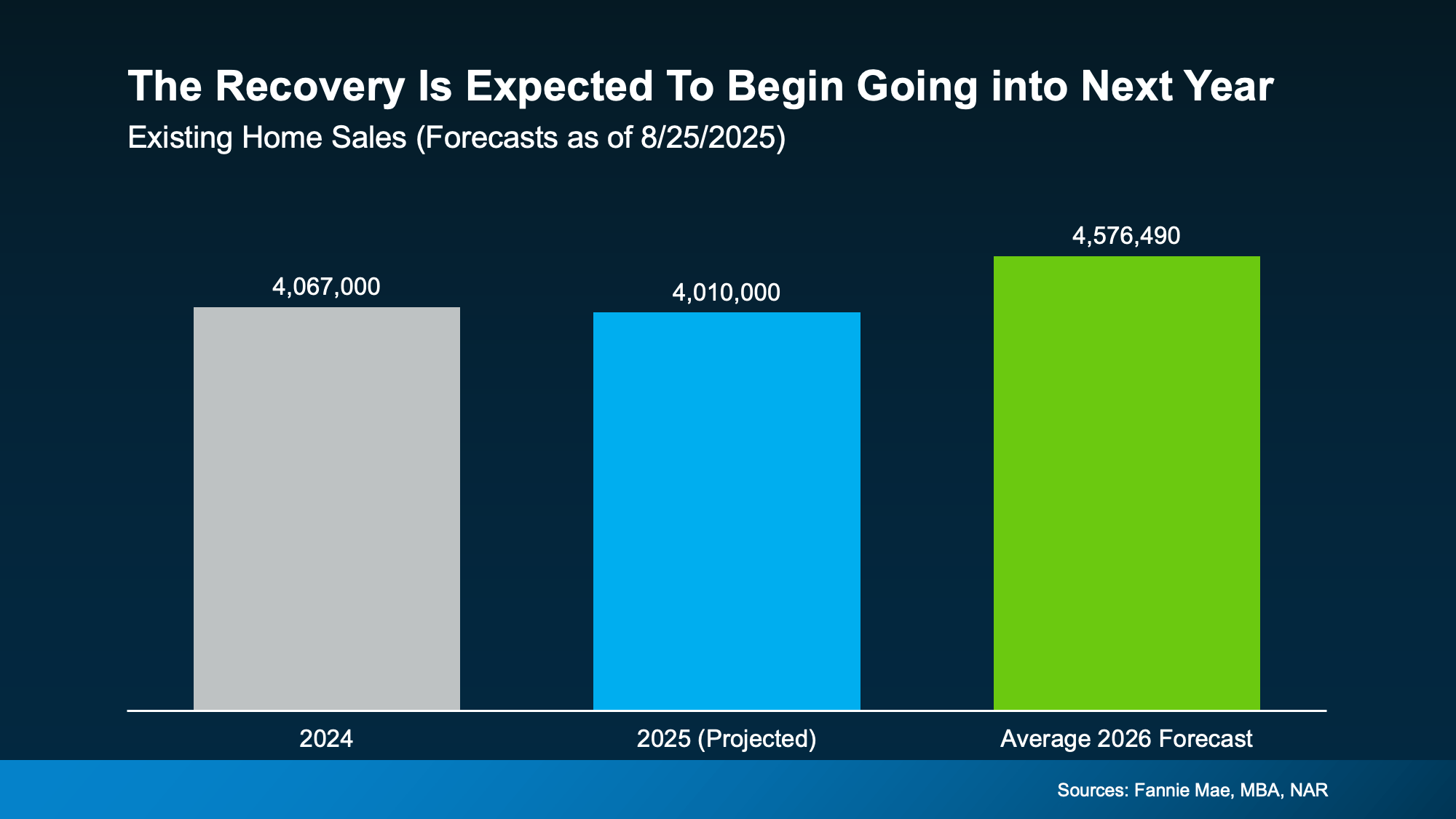
  • 2024: Home sales finished around 4 million.

  • 2025: Tracking in a similar range.

  • 2026: Forecasts project an increase to nearly 4.6 million home sales.

Looking ahead, experts are forecasting that 2026 could bring a surge in home sales as conditions improve. That means sellers who prepare now and buyers who plan ahead will be in the best position to take advantage of the next wave of opportunity.

What This Means for You

If you are a homeowner thinking of selling, now is the time to start getting your property market ready. Small improvements and a strong marketing strategy can make a huge difference when more buyers enter the market.

If you are a buyer, positioning yourself now, whether that is getting pre-approved, understanding neighborhoods, or exploring financing options, ensures you will not miss out when more homes become available.

  • If you paused your listing: That’s completely normal—and likely temporary.

  • If you’re planning ahead: Now is the time to get positioned before buyer demand comes back stronger.

  • If you want an advantage: Timing the market with a trusted local expert can help you get the most out of your home sale.

Key Takeaways

History shows that every housing slowdown is temporary, and the market always finds its way back. Right now, sales activity in 2025 is tracking closely with 2024, which signals stability even during tighter affordability. Looking ahead, forecasts show that 2026 could bring a significant boost in home sales, giving homeowners and buyers more opportunities. The most important thing to remember is that being prepared matters. Sellers who take steps now will be in the best position to benefit when demand strengthens again.

💡 Let’s put a strategy in place today so you are ready to take advantage of tomorrow’s market.

📞 Call Don Reid Properties today at (804) 929-4475 or schedule your free consultation here

BuyerHomeownerSeller August 15, 2025

Should You Buy A New House Before Selling Your Old One? Let’s Explore the Pros and Cons

POV: You’re a homeowner thinking about downsizing, upsizing, or relocating to a new area. Your biggest dilemma now? It’s probably this: whether to sell your current home before buying a new one, or buy first and then sell.

It’s a common situation for many homeowners who are on both sides of a home sale transaction. Selling first can provide financial certainty, while purchasing first means you don’t miss out on your dream home in a competitive market. Both options come with their pros and cons. However, in this blog post, we’ll break down the benefits and drawbacks of buying a new home before selling, so you can understand what you’re signing up for if you find this approach appealing. 

This strategy is not uncommon in the real estate world, especially for homeowners who find their dream home before they’ve managed to sell their existing one. However, as with any decision, it requires careful planning, understanding of your current housing market, and a full assessment and consideration of your financial situation.

Benefits

Buying first means you can move into your new home seamlessly, without the need to set up temporary living arrangements. Finding short-term housing can be a hassle, not to mention costly and stressful. By buying before selling, you won’t need to spend money on a double move, nor pay for temporary housing costs, including deposits and utilities.

You can transition directly into your new space whenever it’s convenient for you. You won’t be living in a house that needs to be ready at all times for showings to potential buyers. This can be especially helpful for long-distance moves or families with children, or individuals with specific needs.

One of the biggest advantages of buying before selling is that you can take your time exploring your options and house-hunting at your own pace, without the pressure of needing to move out quickly. It will also allow you to make any necessary repairs or renovations to your current home to potentially increase its market value.


Drawbacks

Owning two properties simultaneously means you will be holding two mortgages at once, which can be financially challenging. It can stretch your finances, especially if your old home doesn’t sell as quickly as you anticipated. It’s critical to have strong financial stability and do meticulous planning to ensure you can afford this situation.

Depending on your income and credit profile, it can be more difficult to secure financing for a new home when you already have one. Lenders may require higher income levels and better credit scores to mitigate their risk. And without the proceeds from your current home sale, your debt-to-income ratio could disqualify you from getting a second mortgage.

If you’re shopping for a new home before selling your old one and need to include a home sale contingency in your purchase offer, some sellers may see your offer as less appealing. They might prefer offers from buyers without contingencies, thinking that your unsold home will impact your ability to follow through on your bid.

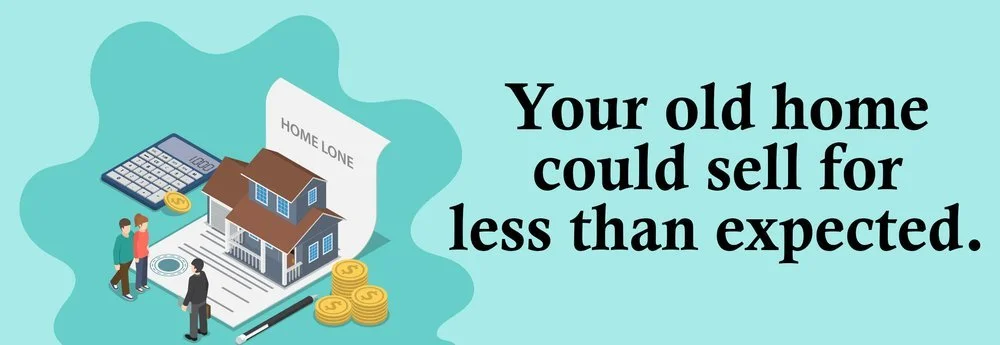
You may feel pressured to accept a lower offer for your old home just to sell it quickly since you’re managing two mortgages at once. Or if the market shifts after you buy, your old home could sell for less than expected. Either of these scenarios can leave you with financial gaps that could affect your plans.


Buying Before Selling: The Road Less Traveled

Should you buy before you sell? Or go to the conventional selling first of your old home before buying a new one? The truth is this: there’s no one-size-fits-all answer. The decision that will work best for you should be made based on a number of factors: your financial capacity, current market conditions, risk tolerance and flexibility, and personal timeline, among others. Should you decide to buy first, seek expert advice from a knowledgeable real estate agent to help you navigate this complicated journey. This way, you can create a plan that aligns with your personal needs and financial goals.

BuyerHomeownerNew ConstructionNew Homeowner August 14, 2025

Are These Myths About Buying a Newly Built Home Holding You Back?

So you’re thinking about buying a newly built home in Richmond, Chesterfield, Henrico, or the surrounding Virginia communities but have heard some… let’s say, misleading things along the way?

Before myths pull your confidence, let’s set the record straight. New construction might be more flexible, modern, and cost-effective than you think.

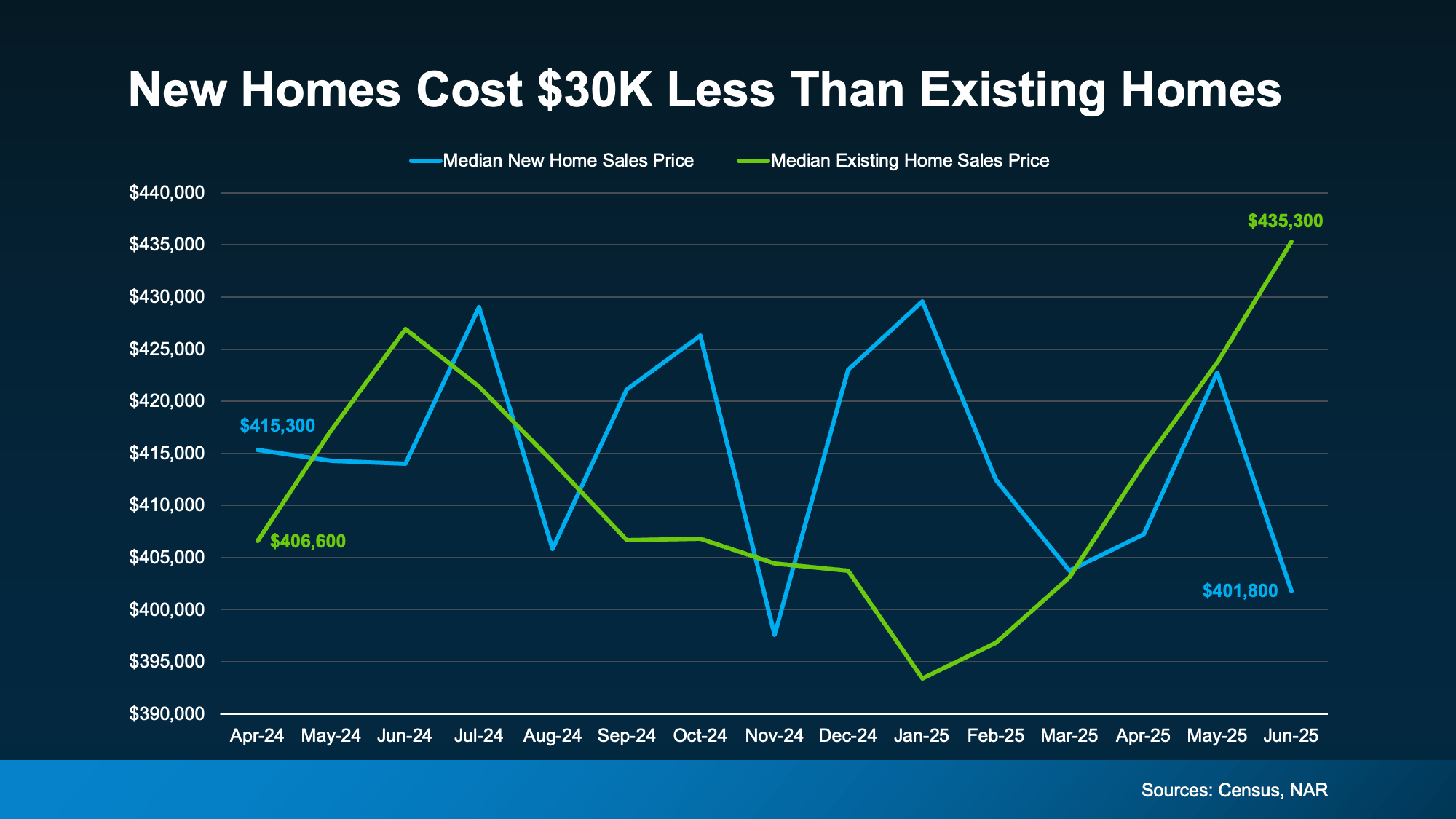
Graph #1: New Construction Cost vs. Existing Home Cost

This chart reveals how total costs including upgrades, warranties, energy efficiency, and landscaping commonly compare between new builds and existing homes over a 10-year period. Surprising? Let’s explore why.

Myth #1: “New homes are always more expensive.”

Truth: The sticker price might look higher but once you factor in lower utility bills, fewer repairs, builder warranties, and energy-efficient features, the long-term value can actually beat many used homes.

Myth #2: “You’re stuck with a boring layout.”

Truth: Builders today in Virginia offer high flexibility from open-concept kitchens to primary suites on the main level. Not phased by the model home? Customize paint, finishes, add-ons, and more often for less than a traditional renovation costs later.

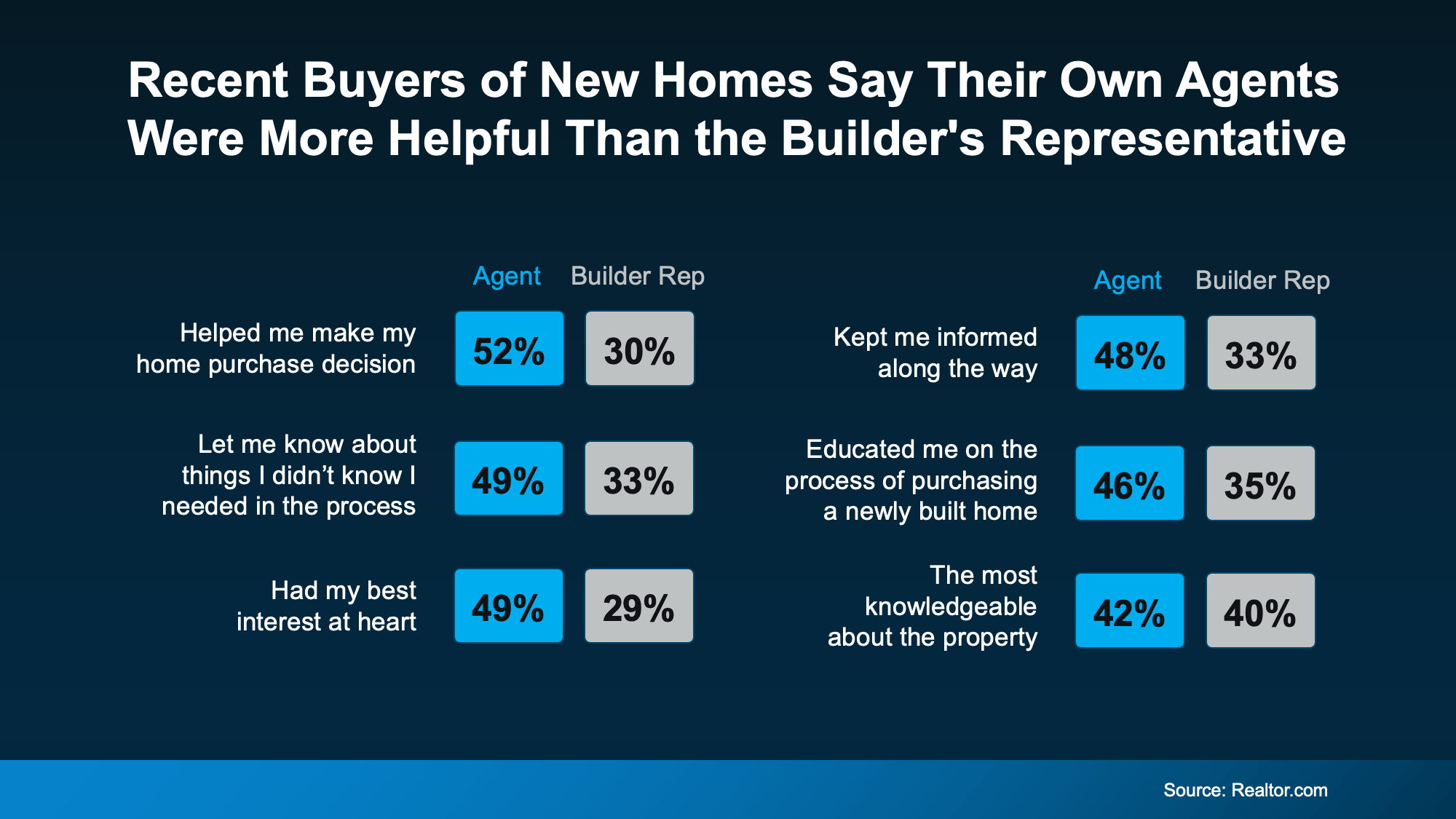
Graph #2: Buyer Satisfaction with Energy Efficiency and Warranties

These ratings show new home buyers report higher satisfaction with energy efficiency, utility savings, and built-in warranties compared to existing home owners.

Myth #3: “New-build neighborhoods are far from what I want.”

Truth: Builders are targeting prime Richmond corridors and Henrico/Chesterfield hotspots. Expect to see new communities near parks, schools, shopping, and major thoroughfares and increasingly in infill lots closer to central areas.

Myth #4: “Builders don’t negotiate.”

Truth: While the base price might be set, builder incentives (closing-cost help, free upgrades, or rate buydowns) and the ability to shop around can net you real value. Ask about lot premiums, model availability, or end-of-year deals.

Why New Construction May Be Smart in 2025

  1. Modern tech & smart-home infrastructure pre-installed or easily upgraded.

  2. Maintenance-free first few years with warranties and no hidden repair costs.

  3. Energy efficiency new builds use less electricity and water, lowering monthly bills.

  4. Customizable to your lifestyle move-in ready, no lengthy renovations.

  5. Community amenities & equity growth potential planned neighborhoods build community and long-term value.

Ready to Explore New-Build Options in Central Virginia?

At Don Reid Properties, we specialize in:

  • Touring builder developments and model homes nearby

  • Helping you decide between custom upgrades vs. resale savings

  • Guiding you through buying from a builder, negotiating terms, and managing timelines

Thinking about a new home with energy efficiencies, smart tech, or a modern open plan? We’ll help you maximize your investment on time and on budget.

Bottom Line

Don’t let outdated myths steer you away. Buying a new build in Richmond, Chesterfield, or Henrico can offer modern convenience, flexibility, and potential savings all backed by warranties and preventive design.

📅 Ready to tour new construction?
Schedule a personalized, no-obligation chat now:
👉 Book a Consultation

BuyerHomeownerNew HomeownerRenterVacation Home August 6, 2025

🏡 A Second Home Could Be the Key to a Smarter Retirement in Virginia

When you think of retirement planning, you might picture a 401(k), IRA, or pension plan. But have you considered how real estate—specifically a second home—could be a powerful piece of your long-term wealth strategy?

For many buyers across Richmond, Chesterfield, Henrico, and the surrounding areas, purchasing a second property is no longer just a luxury—it’s becoming a smart move for future planning.

Let’s explore why a second home could be a valuable (and achievable) asset in your retirement toolbox.

💰 Real Estate = Long-Term Wealth

Unlike stocks and bonds, real estate offers something tangible: appreciation, cash flow, and lifestyle benefits.

Owning a second home gives you:

  • A growing asset that appreciates over time

  • Potential rental income if you choose to lease it seasonally or long-term

  • Tax advantages (check with your financial advisor!)

  • A future retirement retreat, vacation escape, or family legacy

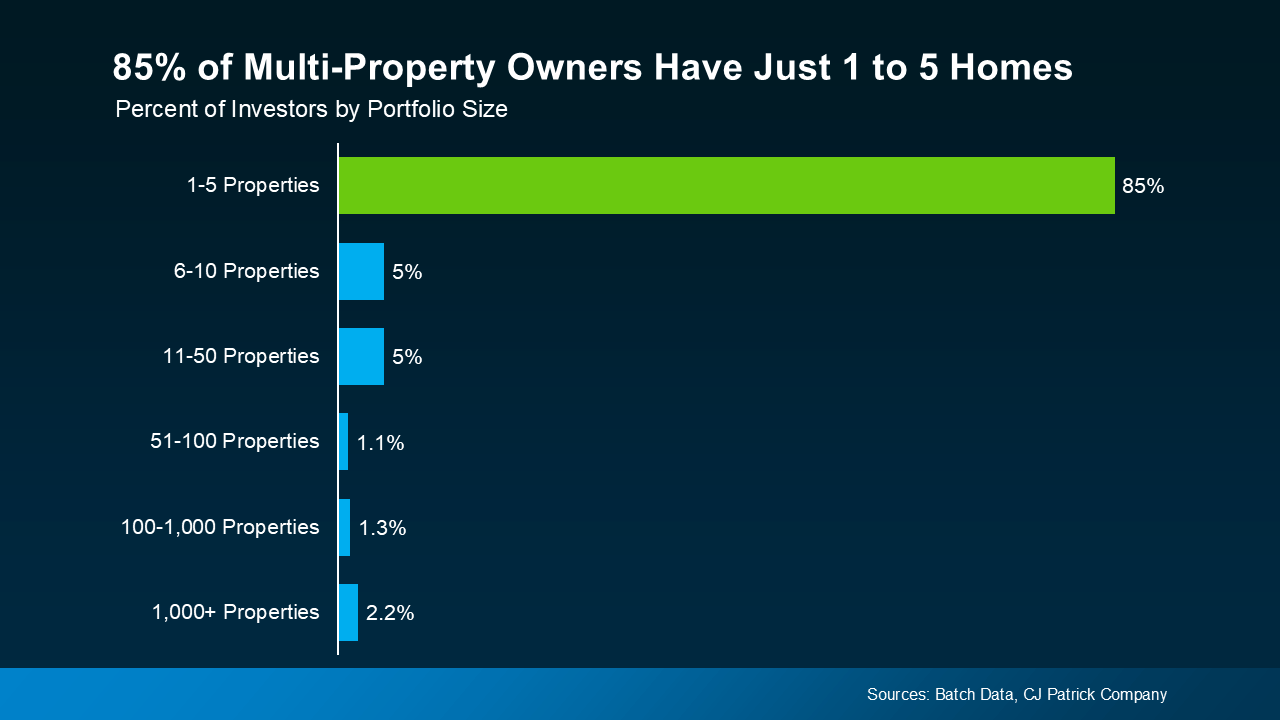
With home values continuing to rise, owning a second property now means potentially greater equity later. In fact, data from BatchData and CJ Patrick Company shows 85% of people who own more than one property have just 1 to 5 homes (see graph below):

🌟 Why Now Might Be the Right Time

According to a recent report, nearly 1 in 6 homebuyers is purchasing a second home—and many are doing so earlier in life to build wealth before retirement.

Here’s why this strategy is growing:

  • Younger buyers are planning ahead—not waiting until retirement to buy that dream home.

  • Mortgage rates remain historically favorable, despite recent fluctuations.

  • Rental demand is strong in Virginia, meaning a second home could help pay for itself.

Whether you’re eyeing the Virginia mountains, the coast, or staying close to Richmond, investing early gives you more time to build equity—and options—for the future.

🏠 Use It Now, Retire Into It Later

One of the most strategic uses of a second home is what financial planners call a “retire-to” property—a home you buy now, enjoy on weekends or as a short-term rental, and transition into full-time living later.

Benefits of this strategy include:

  • Locking in today’s home prices before they rise further

  • Using the home for leisure, income, or both

  • Eliminating the stress of buying a retirement home last-minute

  • Gradually downsizing or relocating on your terms

In Chesterfield, Henrico, and Richmond, we’re seeing a rise in buyers looking to secure future homes today—while making the most of them now.

📍 Thinking About a Second Home in Virginia?

At Don Reid Properties, we help clients find:

  • Vacation homes in scenic or historic locations

  • Investment properties with rental potential

  • Future retirement homes with community, convenience, and comfort

Whether you want waterfront views, suburban quiet, or walkable city living, we can guide you through the entire second-home journey—from affordability analysis to closing.

✅ Bottom Line

A second home isn’t just a dream—it could be the missing piece in your retirement plan.

📈 Real estate has historically built more long-term wealth than many other investment vehicles.
🏡 Let’s find a property that works for your goals—now and in the future.

📅 Ready to explore second home opportunities in Virginia?

Schedule a no-pressure consultation today:
👉 Book a Call

BuyerNew HomeownerRenter July 30, 2025

4 Creative Ways Young Buyers Are Making Homeownership Work in 2025

Alternative Buying Strategies That Are Helping First-Time Buyers Break Into the Richmond Real Estate Market

Are rising home prices, high interest rates, or just a general sense of uncertainty making you feel like you’re not ready to buy a home?

You’re not alone—and you’re not out of options.

According to the 2025 NextGen Homebuyer Report, nearly 60% of Gen Z and Millennial buyers still believe that owning a home is possible. But with only 19% believing now is a good time to buy, many are turning to creative strategies to make homeownership a reality.

At Don Reid Properties, we’re seeing firsthand how buyers across Richmond, Chesterfield, Henrico, and the surrounding areas are using smart, flexible approaches to enter the market—without overextending themselves financially.

Here are four of the most popular buying strategies we’re seeing from younger buyers in 2025—and how to know if one might work for you.

1. Buying a Fixer-Upper

Used by: 42% of surveyed buyers
Best for: Handy or budget-conscious buyers who want more space for less
Not ideal for: Those who need move-in-ready or have tight renovation budgets

If you’re willing to roll up your sleeves, buying a fixer-upper can open the door to neighborhoods and square footage that might otherwise be out of reach.

In the Richmond real estate market, many fixer-uppers sell for 10–30% less than comparable move-in-ready homes.

Pros:
✔ Lower purchase price
✔ Build equity faster
✔ Customize the space to fit your style

Cons:
✘ Renovation costs can add up
✘ May require permits and delays
✘ Limited financing options

Pro Tip: Ask us about renovation loan programs like FHA 203(k) or HomeStyle loans—these roll the renovation costs right into your mortgage.

➡️ Looking for homes with potential? We’ll help you spot smart opportunities others might miss.

2. Co-Buying with Friends or Family

Considered by: 32% of Gen Z buyers
Best for: Trusted relationships with shared goals
Not ideal for: Buyers with unclear expectations or legal concerns

Co-buying is becoming a major trend, especially among first-time homebuyers looking to pool resources and share costs.

From siblings buying their first home together to close friends becoming real estate partners, it’s a growing way to afford more space or better locations.

Pros:
✔ Shared down payment & mortgage
✔ Bigger buying power
✔ Built-in support system

Cons:
✘ Requires clear financial/legal agreements
✘ Potential for relationship tension
✘ Need an exit plan in case one party wants to sell

Pro Tip: Always work with a real estate attorney to draft a co-ownership agreement—we can recommend trusted professionals to guide you through the process.

➡️ Thinking about co-buying? Schedule a consultation and let’s talk about what to plan for upfront.
3. House Hacking (a.k.a. Renting Out Part of Your Home)

Used by: Nearly 19% of buyers
Best for: Buyers comfortable managing tenants or short-term rentals
Not ideal for: Buyers who want full privacy or a single-use property

Want your home to help pay for itself? That’s the idea behind house hacking—where you rent out a portion of your property to offset your mortgage.

From duplexes and basement rentals to Airbnb-ready units, more buyers are treating real estate like a financial tool.

Pros:
✔ Extra monthly income
✔ Helps cover mortgage costs
✔ Long-term investment potential

Cons:
✘ Local rental laws may limit use
✘ Extra responsibility as a landlord
✘ Insurance and tax implications

Pro Tip: Not all cities or neighborhoods in the Richmond area allow short-term rentals. We’ll help you navigate local zoning laws and find house-hack-friendly homes.

➡️ Let us help you find properties with income potential—ask about our house hacking property list!

4. Relocating to a More Affordable Area

Considered by: 47% of buyers
Best for: Remote workers or flexible buyers
Not ideal for: Those tied to specific locations or schools

With the rise of remote work, many buyers are choosing to leave high-cost markets for more affordable areas—and building wealth faster as a result.

In Greater Richmond and surrounding suburbs, we’re seeing increased interest from out-of-state and local buyers alike.

Pros:
✔ Lower home prices and taxes
✔ More space for your dollar
✔ Opportunity to grow equity in emerging markets

Cons:
✘ May involve job or lifestyle changes
✘ Slower appreciation in rural areas
✘ Travel distance from family or city hubs

Pro Tip: Ask us about hidden gem communities with high growth potential near Richmond—many offer great value and lifestyle.

➡️ Considering a move? Let’s explore locations that match your budget and goals.

Final Thoughts: The Dream Is Still Possible—Just Different

If you’re feeling unsure about the traditional path to homeownership, remember: You don’t have to go it alone. At Don Reid Properties, we’re here to help you find a strategy that fits your situation—not someone else’s.

Whether you’re interested in fixer-uppers, house hacking, co-buying, or relocating to a more affordable area, our expert team is ready to guide you every step of the way.

💬 Ready to talk through your options?

Book a free consultation with Don Reid Properties today.

📅 Schedule Now

Or call/text us at 📱 (804) 929-4475 to get started.

HomeownerSeller July 27, 2025

Safety Tips to Keep Your House Safe During A Renovation

Whether you’ll be working on small upgrades to simply refresh your space this summer, or diving into a major remodel before listing your home for sale, remember that preparation is key. It’s important to take a step back and plan before kicking off your long-planned renovation. 

From properly storing your valuables to securing your home against theft, take note of these simple yet effective tips to protect your space, your sanity, and your biggest investment to avoid costly repairs later on.

1. Identify areas that will be affected.

Before diving into any remodeling project, whether you’re hiring a contractor or going DIY, it’s important to understand its full scope. Begin by deciding whether you are staying at home or moving out, especially for large-scale renovations. Identify areas of your home that will be exposed to risks and block these off with signs, barriers, and tape. Let your household know about any potential risks, and make sure to keep children and pets away from work areas.

Consider the potential hazards, including dust, debris, or heavy equipment, and how these could impact your home and belongings. Before the crew starts working, relocate essential furniture and items to a different room for convenient access. Having a solid plan of action in place and setting realistic expectations before a remodel is the best way to minimize stress and disarray throughout the project.

2. Properly store fragile items.

Relocate items that may be in the way and properly store fragile items to prevent damage during remodeling. For delicate items such as glassware, ceramics, electronics, art, and other keepsakes, wrap each item carefully and pack them in sturdy boxes designed for moving. Clearly label each box with its contents and add a “fragile” note to ensure careful handling. Find a safe room for storage or consider renting a self-storage unit as a temporary solution.

3. Keep an inventory of your belongings.

Keeping a detailed inventory is essential for insurance purposes and for tracking any potential damage. Document all items in the remodeling area, noting their condition and location. Take photos as well to serve as a visual record. Update your inventory as items are moved or stored. This organized approach will not only keep your belongings safe but also help you easily identify and address any issues that arise during or after the remodel, providing you with peace of mind during the entire project.

4. Invest in or tighten up your home security system.

Your home is more vulnerable to theft and trespassing while the renovation is ongoing. So if you have the means to, tighten up your security or invest in a home security system so you can have peace of mind, especially when you’re not around. 

Install CCTV cameras, motion light sensors, and alarms for better monitoring. Make sure to securely lock rooms where valuable items are stored, and that only you or a trusted family member has the keys to prevent unauthorized access. Moreover, make sure someone is there to receive the deliveries of tools and materials, and have them stored in a safe place until needed.

5. Take precautions against fire hazards.

After securing your property and belongings and before starting the renovation, it’s also important to take precautions against fire hazards. Test fire alarms and carbon monoxide detectors to guarantee that they’re working. Likewise, make sure to keep fire extinguishers near areas where any electrical or flammable materials will be used.

6. Use protective covers on parts of the house prone to damage.

Use protective covers to shield parts of your home that are prone to scratches, dents, spills, and other damage that could occur during the renovation. This includes floors, countertops and surfaces, corners and door frames, appliances, and other high-traffic areas.

  • Protect countertops and any flat surfaces with cardboard. Wipe down your counter before taping the edges to keep out debris and to keep the cardboard in place.

  • Cover floors with construction paper, hardboard, or plastic floor protectors. For carpeted floors, use a heavy canvas dropcloth. Prioritize the floor that leads from the work area to the outdoors, but also don’t forget about other paths such as the one leading to the bathroom or the electrical panel.

  • Cover furniture and appliances with plastic sheets, tarps, or drop cloths to prevent dust and debris. You can also repurpose old sheets and blankets for a cheaper option. Just make sure to secure any covers with a good quality painter’s tape to prevent them from shifting or falling.

  • Protect door frames and edges from bumps by using cardboard, securing it over bent corners with painter’s tape.

7. Minimize dust.

While construction dust and fumes are unavoidable, they can be hazardous. This is why it’s vital to take extra precautions to help maintain a cleaner environment and safeguard your belongings from dust-related damage. Start by sealing off the work areas with plastic sheeting and tape to prevent dust from spreading to other parts of your home. Don’t forget to cover doorways, vents, and windows as well. 

Using air purifiers with HEPA filters is a must to help reduce airborne particles and keep the air cleaner. Regularly sweep, dust, and vacuum the affected areas to minimize dust buildup, especially at the end of each work day. Using a HEPA-filter vacuum cleaner is better to trap fine particles, as standard vacuums will only blow them back into the air.

8. If hiring contractors, communicate openly and regularly.

Effective communication is crucial when hiring contractors to do the remodeling work. Since they will be constantly coming and going into your home, it can feel like an invasion of your personal space. Start by setting work hours so there’s no confusion about when crews should be on-site. 

Never hand out physical copies of your house keys. If possible, use smart locks with temporary codes that you can disable when the project is done. Likewise, discuss any specific instructions for handling or accessing any valuable items. Setting clear expectations with your contractors from the get-go can help prevent misunderstandings and ensure that the process remains professional.

9. Have a plan for post-renovation cleanup.

A thorough cleanup plan is essential at the end of each day and after completing your remodel to ensure your house and belongings stay in good condition. Wipe down surfaces with a damp cloth and vacuum with a HEPA filter. Mist plastic sheeting with water before removal to prevent dust from being airborne again. 

Once renovation is completed, take extra measures to effectively remove any remaining dust, debris, and construction materials. Check your area’s local regulations for proper and safe disposal of hazardous materials. Carefully assess all your belongings for damage or residue that may have accumulated during the project. If there’s some wiggle room in your budget, inquire about post-renovation cleaning services to help restore your home in its pre-remodel state so you can focus on enjoying your newly-renovated space.

ForeclosureSeller July 24, 2025

🏡 Understanding Foreclosure Trends in the U.S. (and What It Means for Richmond Area Buyers and Sellers)

If you’ve been scrolling through headlines recently, you may have seen a rise in concern over foreclosures. While the word “foreclosure” can trigger alarm bells for many homeowners and potential buyers, it’s important to look beyond the fear and get the full picture—especially if you’re buying or selling in Richmond, Chesterfield, Henrico, or the surrounding areas.

Let’s break down what’s really happening, and why the U.S. foreclosure map is a helpful tool—not a reason to panic.

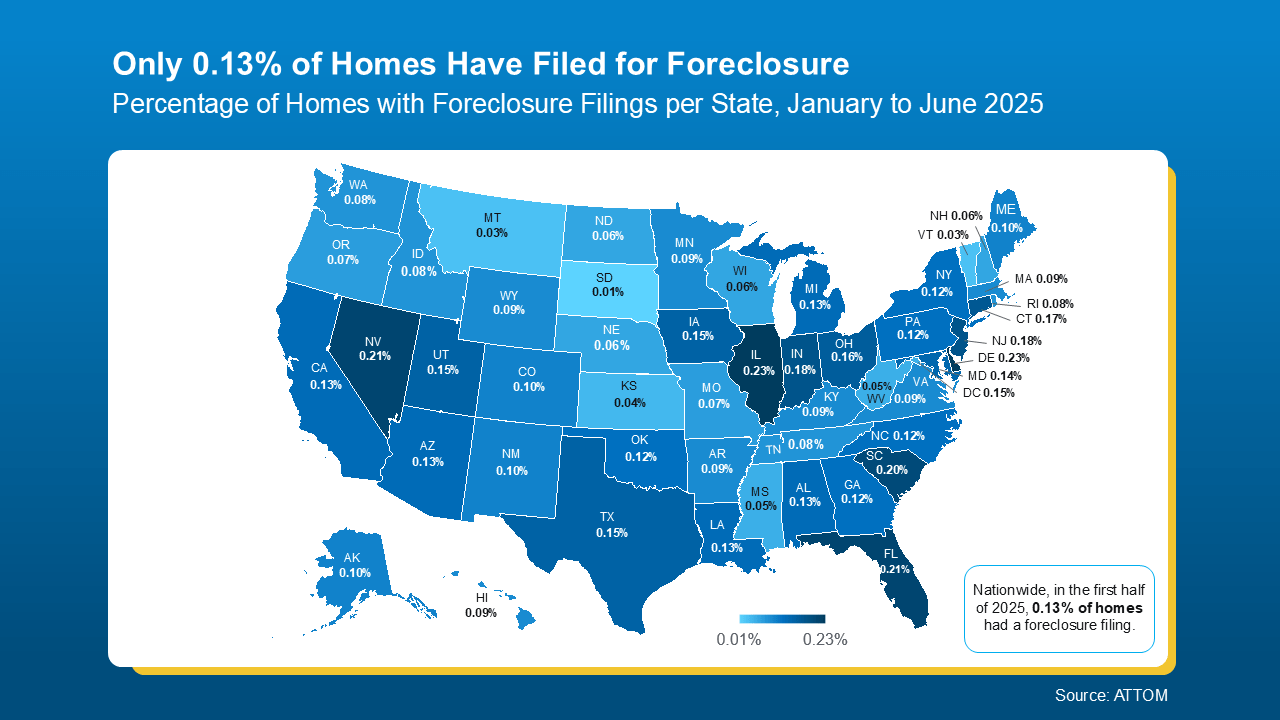
📊 Here’s the Map: U.S. Foreclosure Rates by State

This map shows the percentage of homes in each state currently in some stage of foreclosure. While foreclosures are up compared to a few years ago, we are still nowhere near the crisis levels of 2008-2010.

In fact, experts agree this uptick is expected and manageable, especially considering the extraordinary forbearance and relief programs offered during the pandemic. As those programs have now ended, a normalization of foreclosure activity is taking place.

💡 What This Means for Central Virginia Homeowners

If you’re a homeowner in Richmond, Chesterfield, or Henrico County, there’s no need to worry—but there are a few key takeaways:

  1. The market is still strong. Home prices in Central Virginia remain steady and buyer demand is high.

  2. Most homeowners have equity. Unlike in 2008, most homeowners today have significant equity. That means even if someone faces financial hardship, they can often sell their home instead of entering foreclosure.

  3. Foreclosure levels are below historical averages. While the map may look alarming, national data shows foreclosure activity is still lower than what we saw pre-2008.

💬 What Buyers Should Know

For buyers waiting for a wave of discounted foreclosure properties: don’t hold your breath. The days of scooping up dozens of foreclosures at rock-bottom prices are largely behind us—at least in markets like Richmond and its surrounding counties. However, understanding local trends can help you make smarter, more strategic real estate moves.

✅ The Bottom Line

Foreclosures are up—but they’re not out of control. The current landscape reflects a return to normal market behavior, not a looming crisis.

Whether you’re buying your first home, investing, or thinking about selling, having a local expert on your side matters more than ever. At Don Reid Properties, we help clients make informed decisions backed by local insight, data, and decades of experience.

📍 Need help navigating today’s market?

Let’s talk about your goals—whether you’re buying, selling, or just want to understand your home’s value.

📅 Schedule a Free Consultation with Don Reid Properties today.

BuyerHomeownerNew HomeownerRenterVacation Home July 18, 2025

Mortgage Rates Are Stabilizing – How That Helps Today’s Buyers

If you’ve been keeping an eye on the housing market, you’ve probably noticed that mortgage rates have been a hot topic for quite a while. After a period of rapid fluctuations, we’re finally starting to see something encouraging for potential homebuyers — mortgage rates are stabilizing.

This is great news, especially for buyers in Richmond, Chesterfield, Henrico, and the surrounding areas, who may have been feeling uncertain about when the right time to purchase a home would be. Let’s break down what’s happening and why this shift could be the opportunity you’ve been waiting for.

📉 Mortgage Rates: A Look at the Recent Trends

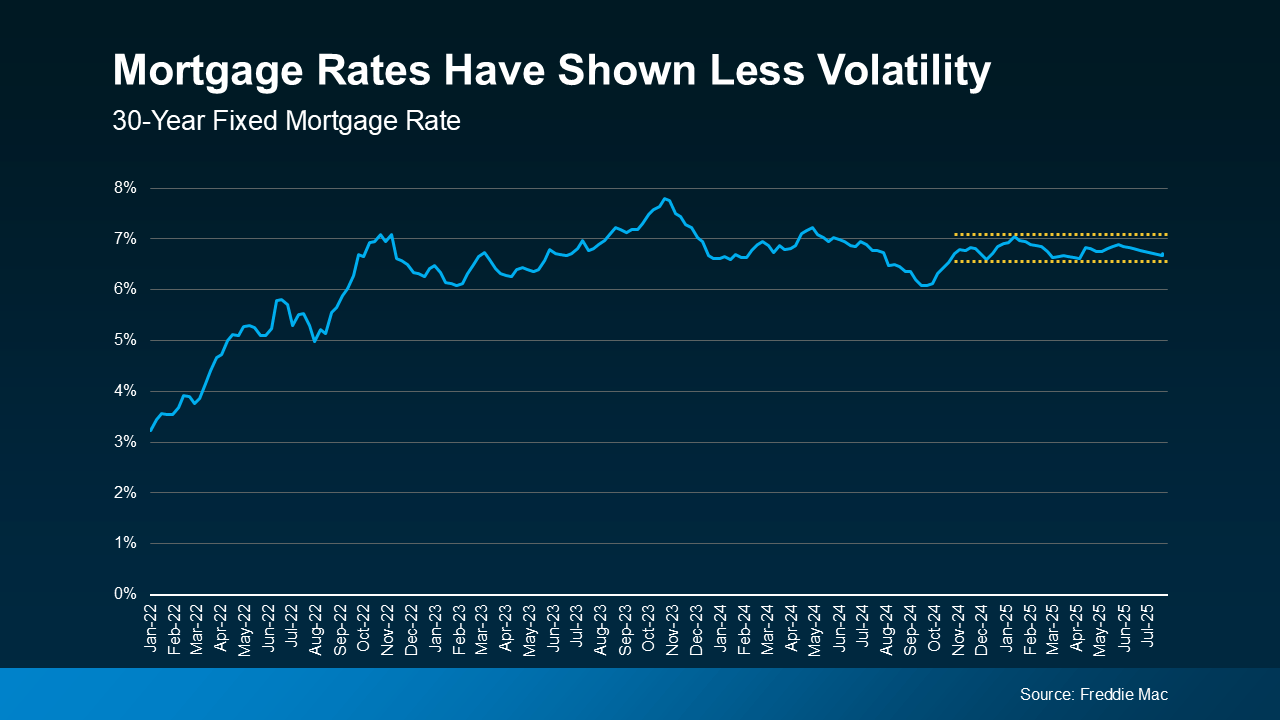
Over the past couple of years, mortgage rates have been on a rollercoaster ride. The Federal Reserve’s effort to fight inflation led to rate hikes that made many buyers pump the brakes on their home search. However, recent data shows that mortgage rates are beginning to level out, with fluctuations staying within a more predictable range.

This consistency is not just a welcome break from volatility — it offers something essential: confidence.

✅ What This Means for Buyers in Central Virginia

When mortgage rates fluctuate wildly, it can be difficult to budget or plan your purchase. But now that rates are showing signs of stabilization, buyers have a clearer path forward.

Here’s how it helps:

  1. Better Financial Planning
    Predictable rates make it easier to determine your monthly mortgage payment and stay within budget. That’s especially helpful for first-time buyers navigating the competitive housing market in Richmond, Chesterfield, Henrico, and the surrounding areas.

  2. Renewed Buyer Confidence
    With less uncertainty, more buyers are stepping off the sidelines and back into the market. This could mean more competition — but it also signals a healthier, more active market overall.

  3. Strategic Timing
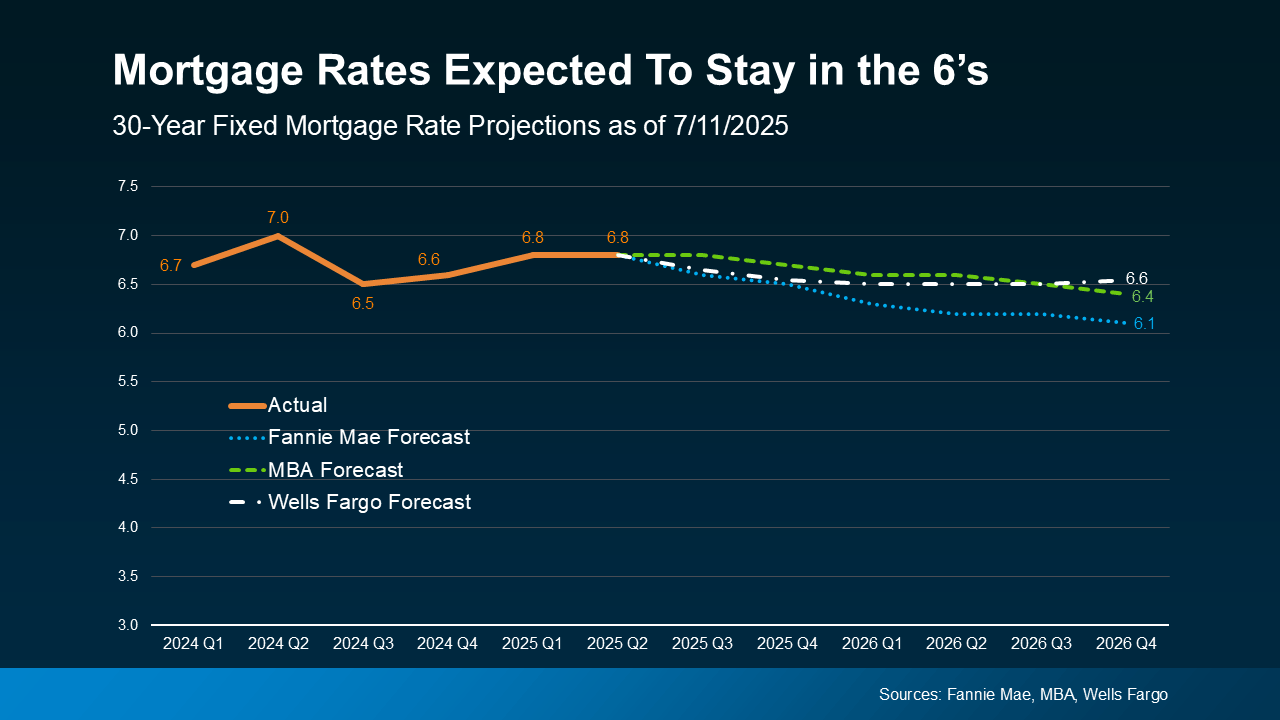
    If rates begin to ease slightly or remain steady, today’s buyers may be able to secure a better rate now than if they wait and risk upward movement later.

📍 Local Insight: How This Impacts the Richmond Market

Here in Central Virginia, we’re already seeing the effects. Inventory is still somewhat tight, but homes that are priced correctly and presented well are moving quickly. Buyers who are pre-approved and educated on their mortgage options are in a stronger position to make confident offers.

Whether you’re buying in Richmond, Henrico, or Chesterfield, it’s important to work with an experienced local expert who understands not only where the market has been, but where it’s heading. That’s where Don Reid Properties comes in.

🔍 What Should You Do Next?

If you’re thinking about buying a home in the next few months, now is the time to get your financing plan in place. Stabilized mortgage rates offer a window of opportunity that smart buyers will want to take advantage of before the market shifts again.

Here’s what you can do:

  • Get pre-approved with a reputable local lender

  • Review your budget and desired neighborhoods

  • Connect with a real estate expert who can guide you through your options

At Don Reid Properties, we help buyers make smart, informed decisions — even in complex markets. Let’s sit down for a no-pressure consultation so we can walk through your goals and help you take the next step with clarity and confidence.

💬 Final Thoughts

While nobody can predict exactly what mortgage rates will do next, a period of stabilization is a good sign for the market and a great moment for homebuyers to act. If you’ve been waiting for the right time to enter the market, this might just be it.

Let’s talk about what this means for your unique situation. We’re here to help.

📞 Ready to start the conversation? Schedule a call with us today